


Kathmandu Chitwan Tour


Trip Duration
1 Night 2 Days Days
Group Sizes
1-15 People
Transportation
Tourist Bus / Private Vehicle / Flight (Optional)
Destination
Kathmandu Chitwan Tour
Max. Altitude
150
Nature of Trip
Wildlife Jungle Safari, Nature and Cultural Experience
Best Season
October to March
Activities
- Jeep Safari
- Canoe Ride
- Jungle Watch
- Bird Watching
- Tharu Cultural Show

Difficulty
Easy
Meals
- Breakfast
- Lunch
- Dinner

Start & End Point
Kathmandu – Sauraha, ChitwanOverview of Kathmandu Chitwan Tour
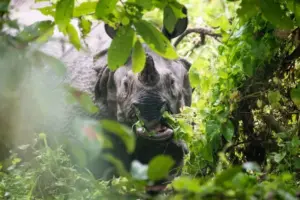
Chitwan Jungle Safari Tour is one of the best wildlife experiences in Nepal, offering an exciting opportunity to explore the rich biodiversity of Chitwan National Park. This tour includes a jeep safari, a canoe ride, a jungle walk, bird watching, and a Tharu cultural program.
Understanding Chitwan National Park for the Chitwan Jungle Safari Tour
Chitwan National Park stands as Nepal’s first national park, established in 1973, and has earned recognition as a UNESCO World Heritage Site since 1984. Spanning 952 square kilometers across the subtropical lowlands of southern Nepal, this protected wilderness represents one of Asia’s most significant wildlife conservation areas. The park’s diverse landscape encompasses dense sal forests, expansive grasslands, wetlands, and the life-giving rivers Rapti, Reu, and Narayani that create natural corridors for wildlife.
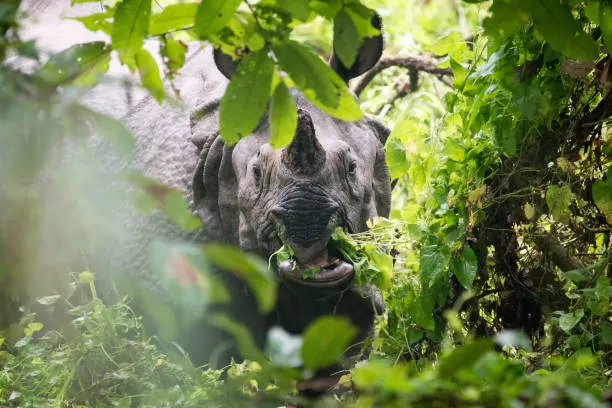
The park shelters some of the planet’s most endangered species. Visitors have opportunities to encounter the iconic one-horned rhinoceros, which has become the symbol of Chitwan’s conservation success. Bengal tigers prowl through the tall grasses, though sightings remain rare due to their elusive nature. Asian elephants, sloth bears, four species of deer, leopards, and gharial crocodiles inhabit different zones of the park. Birdwatchers find themselves in paradise with over 500 documented bird species, including endangered Bengal floricans, lesser adjutants, and numerous kingfisher varieties.
Beyond wildlife, Chitwan holds cultural significance through the indigenous Tharu community. These “People of the Jungle” have coexisted with the forest for generations, developing unique traditions, architecture, and lifestyle adapted to the subtropical environment.
What to Expect from Your 1 Night 2 Day Chitwan Jungle Safari
This condensed safari experience packs remarkable diversity into a short timeframe, making it perfect for travelers with limited schedules or those combining Chitwan with other Nepal destinations like Kathmandu, Pokhara, or Lumbini.
Final Thoughts
A 1-night 2-day Chitwan jungle safari delivers concentrated exposure to one of Asia’s most successful conservation stories. Despite the compressed timeframe, visitors gain appreciation for subtropical ecosystems, encounter iconic wildlife, and experience indigenous culture.
Whether spotting your first rhinoceros, hearing forest sounds during dawn canoe rides, participating in Tharu dances, or simply absorbing the jungle atmosphere, Chitwan creates memorable experiences that complement Nepal’s mountain-focused tourism.
Plan thoughtfully, pack appropriately, engage respectfully with nature and culture, and remain open to whatever experiences the jungle offers. Your specific sightings may differ from others’, but the overall journey into one of the world’s biodiversity hotspots will leave lasting impressions and perhaps inspire a deeper commitment to wildlife conservation.
|
|
 |
|
Best Time for Chitwan Jungle Safari Tour
Chitwan’s subtropical climate creates distinct seasons that dramatically affect wildlife viewing and visitor comfort. Understanding these patterns helps in planning.
Optimal Seasons (October through March)
The dry season, from October through March, receives universal recommendations from guides and operators. This period is divided into three phases:
Autumn (October–November): Following monsoon withdrawal, the landscape glows with renewed greenery while the weather remains pleasant with temperatures between 20–25°C during daytime. Clear skies and moderate humidity create comfortable conditions for all activities. Wildlife remains active, and resident bird populations join migratory species arriving for winter.
Winter (December–February): This peak season offers the most comfortable weather with daytime temperatures ranging from 15–25°C, though nights can drop to near freezing. Morning fog often blankets the lowlands, creating atmospheric conditions that burn off by mid-morning. Crucially, local villagers cut tall grasslands during January–February, dramatically improving wildlife visibility. Animals concentrate around shrinking water sources, making encounters more predictable. This period provides the highest tiger sighting probabilities, though odds remain modest even under ideal conditions.
Spring (March–April): Pre-monsoon months bring warmer temperatures (25–30°C) and blooming flora. This timing presents the best wildlife viewing overall, as animals must visit remaining waterholes frequently due to dry conditions and heat. Despite less comfortable temperatures for humans, concentrated wildlife around water sources creates exceptional viewing opportunities. Bird nesting activities peak, adding behavioral diversity to sightings.
Challenging Seasons for Chitwan Jungle Safari Tour
Summer/Monsoon (May–September): Heavy rainfall transforms Chitwan into lush greenery but creates significant challenges for visitors. June through August sees approximately 80% of annual precipitation, flooding trails, and makes some park areas inaccessible. Tall, dense vegetation conceals wildlife, while animals retreat to deeper forest zones for comfort. High humidity and temperatures exceeding 35°C make outdoor activities strenuous. Leeches become abundant in wet conditions. Most resorts reduce operations or close during peak monsoon months. However, those willing to face these challenges encounter fewer tourists and observe the park’s dramatic transformation. Some operators continue modified programs focusing on accessible areas.
Chitwan Jungle Safari Packing Guide
Proper preparation ensures comfort and safety throughout your safari experience. Requirements shift with seasons, but core items remain consistent.
Clothing Fundamentals
Color Selection: Wildlife viewing demands specific color choices. Dark, neutral colors like khaki, olive green, brown, beige, and dark grey help visitors blend with natural surroundings. These earth tones prevent startling animals and align with camouflage principles. Avoid bright colors (red, yellow, orange, white), flashy patterns, or stark contrasts that advertise human presence.
Fabric Choices: Lightweight, breathable natural fabrics work best in Chitwan’s warm, humid climate. Cotton and linen allow air circulation while absorbing perspiration. Moisture-wicking synthetic materials also perform well. Avoid heavy fabrics that retain heat.
Upper Body Options
-
Long-sleeved shirts provide sun protection and guard against insect bites during dawn/dusk hours when mosquitoes are active
-
Lightweight t-shirts for daytime comfort, though long sleeves remain preferable
-
Light fleece or jacket for early morning safaris and evening programs, especially during winter months
-
Convertible options with zip-off sleeves offer versatility
Lower Body Selections
-
Long, loose-fitting trousers protect legs during jungle walks and safaris while keeping you cool
-
Convertible pants with zip-off legs adapt to temperature changes
-
Avoid jeans as they’re uncomfortable during long jeep rides, retain heat, and dry slowly if wet
-
Comfortable, elastic-waist options accommodate post-meal comfort
Layering Strategy: Temperature fluctuations between morning/evening and midday require layering capability. Start with base layers, add warmth for early activities, then shed layers as temperatures rise.
Footwear Requirements
Primary Footwear: Closed-toe hiking boots or sturdy trail shoes provide ankle support, grip on uneven terrain, and protection from thorns, insects, and potential snake encounters. Well-broken-in footwear prevents blisters during extended walking. Lightweight hiking shoes suffice for most activities.
Secondary Options: Comfortable sandals or slip-ons for resort wear and relaxation periods. Ensure sandals have secure straps if participating in river activities.
Sock Considerations: Moisture-wicking hiking socks prevent blisters and keep feet dry. Pack several pairs as they’ll be washed daily.
Protective Accessories
Sun Protection
-
A wide-brimmed hat shields the face, neck, and ears from intense tropical sun
-
High SPF sunscreen (50+) for exposed skin — remember to reapply frequently
-
UV-protective sunglasses reduce glare and eye strain
-
Lip balm with SPF prevents chapped lips in dry winter months
Insect Defense
-
DEET-based mosquito repellent (30%+ concentration) for evening hours
-
Long sleeves and pants during dawn/dusk peak mosquito activity
-
Insect coils for resort rooms (though many lodges provide these)
Safari Equipment
Optical Gear
-
Binoculars (8×42 or 10×42 magnification) dramatically enhance wildlife viewing
-
Check if your lodge provides binoculars before purchasing
Photography Equipment
-
Camera with telephoto lens capability (200–400mm ideal for wildlife photography)
-
Extra batteries must be carried because electricity access may be limited
-
Portable charging bank
-
Lens cleaning cloth, as dust accumulates rapidly
-
Protective camera bag against dust and moisture
-
Memory cards with ample storage
Personal Essentials
Hydration: Reusable water bottle for constant hydration during activities. Some lodges provide filtered water; otherwise, bring purification tablets or portable filters.
Health Items
-
Prescription medications in original containers
-
Basic first aid supplies (bandages, antiseptics, pain relievers)
-
Anti-diarrheal medication
-
Hand sanitizer and wet wipes (some facilities may lack running water)
-
Personal hygiene products
Documents and Money
-
Valid identification/passport
-
Travel insurance documents
-
Booking confirmations
-
Nepalese currency (NPR) for tips and purchases — ATMs in Sauraha have limited reliability
-
Credit cards as backup (acceptance varies)
Miscellaneous Useful Items
-
Small daypack for carrying essentials during activities
-
Headlamp or flashlight if power outages occur
-
Universal power adapter for Nepal’s electrical outlets
-
Lightweight rain jacket or poncho (even during the dry season)
-
Notebook and pen for journaling observations
Seasonal Adjustments
Winter Additions (December–February)
-
Warm fleece or down jacket for freezing mornings
-
Woolen cap and scarf
-
Thermal base layers
-
Moisturizer for dry, cold air
Summer Considerations (March–May)
-
Extra lightweight clothing for frequent changes
-
Increased water carrying capacity
-
Cooling towel or bandana
-
Additional sunscreen
Monsoon Necessities (June–September)
-
Waterproof rain jacket and pants
-
Quick-dry clothing exclusively
-
Waterproof bags for electronics
-
Extra pairs of socks and underwear
-
Sturdy, waterproof footwear
Practical Information for Visitors
Getting to Chitwan
Chitwan’s main gateway, Bharatpur, lies approximately 155 kilometers from Kathmandu and 150 kilometers from Pokhara.
By Air: Bharatpur Airport receives daily flights from Kathmandu (25–30 minutes). This fastest option suits time-limited travelers but costs significantly more.
By Tourist Bus: Regular tourist coaches depart Kathmandu and Pokhara daily, reaching Sauraha in 5–6 hours.
By Private Vehicle: Hiring private cars or jeeps offers flexibility for stops and departure times.
Accommodation Standards
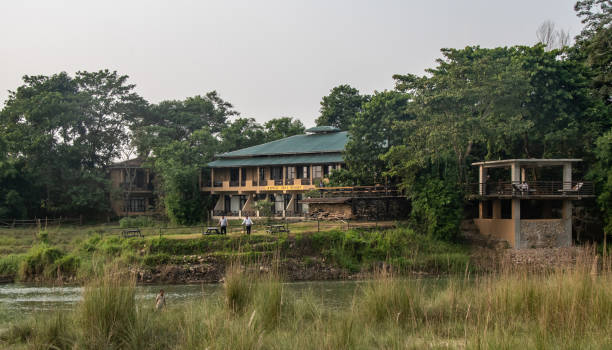
Sauraha offers diverse lodging from basic guesthouses to luxury jungle resorts. Most 1-night safari packages include mid-range accommodations featuring:
-
Private rooms with attached bathrooms
-
Air conditioning or ceiling fans
-
Hot water (solar or electric)
-
Mosquito nets over beds
-
Garden or jungle views
-
Restaurant serving Nepali and international cuisine
-
Wi-Fi in common areas (signal strength varies)
Luxury options provide swimming pools, spa services, upscale dining, and premium amenities. Budget lodges offer clean, simple rooms with shared facilities.
Itinerary of Kathmandu Chitwan Tour
Day 1: Arrival, Village Tour, Jungle Safari, and Cultural Program
Your safari typically begins with arrival at Sauraha, the main tourist hub adjacent to Chitwan National Park. Most packages include transportation from major cities, though this must be arranged separately. Upon reaching your lodge or resort, expect a traditional welcome with refreshing drinks, and the staff will brief you on the program ahead.
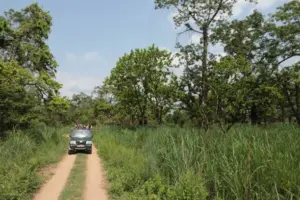
After settling in and enjoying lunch featuring authentic Nepali cuisine, afternoon activities commence. The signature experience involves either a jeep safari or an elephant-back safari that ventures deep into the national park. During these 3–4-hour excursions, expert naturalists accompany groups, sharing knowledge about animal behavior, tracks, and the ecosystem while ensuring visitor safety.
Jeep safaris offer extended range and comfort, covering more ground through various habitats. The open-air vehicles allow unobstructed photography and wildlife observation. Conversely, elephant safaris provide elevation advantages for viewing over tall grasslands, though availability has become limited due to conservation concerns and animal welfare considerations.
Following the safari, many programs include a visit to nearby Tharu villages. These walks reveal traditional mud-walled houses, agricultural practices, and the daily life of communities maintaining centuries-old customs. Some villages welcome visitors to observe traditional cooking methods or craft demonstrations.
As sunset approaches, riverside walks along the Rapti River offer peaceful wildlife viewing opportunities. Crocodiles bask on sandbanks, water birds hunt in shallows, and larger mammals sometimes appear to drink. The golden hour light creates spectacular photography conditions.

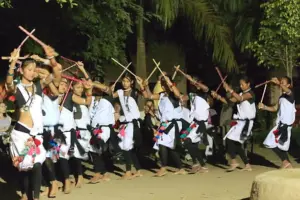
Evening programs feature Tharu cultural performances. Local artists present traditional stick dances accompanied by indigenous music and storytelling. These interactive shows often invite audience participation, creating memorable cultural exchanges. Dinner follows, typically served buffet-style with Nepali specialties including dal bhat (rice and lentils), vegetable curries, pickles, and regional dishes.

Duration
Full Day
Distance
Approx. 155 km from Kathmandu
Activity
Arrival, Jeep Safari, Tharu Village Tour, Sunset View, Cultural Dance
Accommodation
Hotel / Jungle Resort in Sauraha
Meals
Lunch and Dinner
Max Altitude
150mDay 2: Canoe Ride, Jungle Walk, Breakfast, and Departure
Early wake-up calls precede sunrise activities when wildlife proves most active. Morning options vary by package but commonly include canoe rides along the Rapti River. These peaceful floats provide excellent birdwatching while passing gharial and mugger crocodiles sunning themselves on riverbanks. The gentle movement prevents disturbing animals, allowing closer observation than land-based activities.
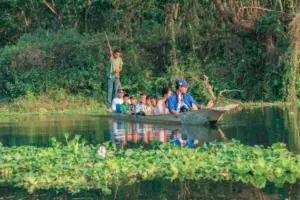
Some packages substitute guided jungle walks where experienced naturalists lead small groups through forest trails. These walks offer intimate wildlife encounters, though visitors must follow strict safety protocols. The naturalists’ expertise in reading tracks, recognizing alarm calls, and understanding animal behavior ensures both safety and educational value.
Bird watching tours specifically target the park’s avian residents and seasonal migrants. Guides equipped with field knowledge help identify species by calls and plumage, explaining ecological roles and behaviors. Winter months see migratory species from Siberia and Tibet join resident populations.
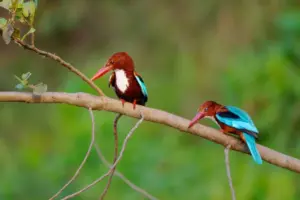
Many itineraries include visits to the Elephant Breeding Center, where conservation programs protect and propagate Asian elephants. Visitors observe elephants of various ages and learn about breeding efforts, veterinary care, and the challenges of maintaining captive populations for conservation purposes.
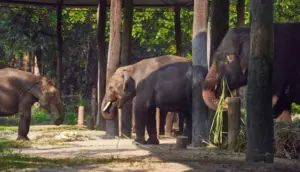
Following breakfast and final activities, departure procedures begin. Most programs conclude by late morning, allowing travelers to continue onward or return to their origin cities.
Duration
Half Day(Morning)
Distance
Approx. 155 km to Kathmandu / 150 km to Pokhara
Activity
Canoe Ride, Jungle Walk, Bird Watching, Breakfast, Departure
Accommodation
Not Included (Departure Day)
Meals
Breakfast
Max Altitude
150m
• This itinerary is a standard jungle safari program and may be adjusted depending on weather conditions, park regulations, and wildlife movement.
• All jungle activities are conducted under the supervision of experienced naturalist guides to ensure safety and maximize wildlife viewing opportunities.
• Jeep safari timing, canoe ride, jungle walk, and cultural programs are arranged by the hotel or resort based on the daily schedule.
• Wildlife sightings cannot be guaranteed as animals live in their natural habitat, but Chitwan National Park offers excellent chances to see rhinoceros, deer, crocodiles, and various bird species.
• Transportation to and from Chitwan is not included unless selected with the package. It can be arranged upon request with tourist bus, private vehicle, or flight options.
• Guests are advised to carry valid identification documents such as passport or ID card during the safari.
• Comfortable clothing in neutral colors, sunscreen, insect repellent, and walking shoes are highly recommended.
• All meals included in the package are served at the hotel or resort restaurant.
• Check-in time is usually after 12:00 PM and check-out time is before 11:00 AM.
• Additional activities not mentioned in the itinerary may be available at extra cost.
Includes/Excludes
What's included?
Standard 1-night 2-day packages generally cover:
-
Accommodation for one night
-
All meals (Lunch Day 1, Dinner, Breakfast Day 2)
-
National park entrance fees
-
Guided activities as per the itinerary
-
Expert naturalist/guide services
-
Welcome refreshments
What's not included?
Usually Not Included:
-
Transportation to/from Chitwan
-
Personal expenses (laundry, phone calls, internet)
-
Beverages (alcohol, soft drinks, bottled water)
-
Tips for guides and staff
-
Additional activities beyond package
-
Travel insurance
Kathmandu Chitwan Tour Altitude Chart
Trip Information - Good to Know
Safety and Health Considerations
Animal Safety
-
Maintain recommended distances from all wildlife
-
Never approach, feed, or provoke animals
-
Remain quiet during safaris
-
Stay in vehicles during jeep safaris unless guides indicate otherwise
-
Follow the guide instructions immediately
-
Rhinos can charge when threatened
-
Tiger encounters require absolute stillness and calm
Health Precautions
-
Malaria risk is low, but present consult travel health clinics
-
Dengue and other mosquito-borne diseases occur use repellent
-
Drink only purified or bottled water
-
Avoid raw vegetables and unpeeled fruits
-
Wash your hands frequently or use sanitizer
-
Stay hydrated in hot conditions
-
Apply sunscreen generously
General Safety
-
Inform guides of medical conditions
-
Don’t wander from designated areas alone
-
Watch for snakes on walking paths
-
Check shoes and clothing before dressing
-
Avoid swimming in rivers (crocodiles present)
-
Keep lodge rooms secured against monkeys
Environmental Responsibility
Visitors play crucial roles in conservation through mindful behavior:
-
Carry out all trash you make, leave no trace
-
Don’t collect plants, stones, or natural souvenirs
-
Avoid single-use plastics, bring reusable bottles and bags
-
Respect wildlife by not demanding close encounters
-
Support local communities through purchases
-
Choose operators demonstrating environmental commitment
-
Minimize noise pollution
-
Stay on designated trails
Cultural Sensitivity
Interacting with Tharu communities requires cultural awareness:
-
Request permission before photographing people
-
Dress modestly when visiting villages
-
Remove shoes before entering homes
-
Accept the offered hospitality graciously
-
Purchase crafts directly from artisans
-
Learn basic Nepali greetings
-
Respect religious sites and ceremonies
-
Ask guides about appropriate behavior
Maximizing Your Safari Experience
Wildlife Spotting Tips
Timing Matters: Early morning (6–9 AM) and late afternoon (3–6 PM) provide peak wildlife activity.
Listen Actively: Alarm calls from deer, monkeys, and birds often indicate predator presence.
Scan Systematically: Look beyond megafauna — birds, insects, and tracks reveal ecosystem richness.
Use Binoculars Effectively: Check water sources, forest edges, and open grasslands.
Photography Considerations: Morning and evening light is best. Avoid flash.
Setting Realistic Expectations
Chitwan protects wild animals in a vast natural habitat, not a zoo. While rhino sightings occur frequently — sometimes multiple encounters per safari — tigers remain elusive. Approximately 130–140 tigers inhabit the park, but sightings happen in less than 10% of safaris, even during optimal seasons. Bengal tiger observations require luck, regardless of guide quality or visitor patience.
Focus on the overall experience rather than species checklists. The jungle atmosphere, birdlife, smaller mammals, reptiles, and ecosystem understanding provide rich rewards beyond the famous megafauna.
Enhancing Cultural Connections
Engage genuinely with Tharu cultural programs rather than viewing them as tourist entertainment. Ask questions about traditions, crafts, and daily life. Purchase handmade items directly from artisans. Learn about their unique relationship with the forest ecosystem.
Some lodges arrange home visits or meals with Tharu families. These intimate experiences provide deeper cultural understanding than stage performances alone.
Trip Reviews
 Write a Review








- Best Price Guarantee
- Secure & easy booking
- Easy trip date changes
- Discount for groups


How to book a trip?

make free inquiry

confirm the trip
