


Island Peak Climbing


Trip Duration
15 Days Days
Transportation
Drive/Flight
Destination
Island Peak Climbing
Max. Altitude
6189m
Nature of Trip
Climbing
Best Season
March to May and September to November
Difficulty
Moderate
Meals
- Breakfast
- Lunch
- Dinner

Start & End Point
Kathmandu
Accommodation
- Lodge
Overview of Island Peak Climbing
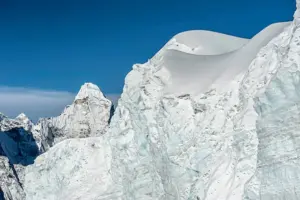
Introduction: Climbing Island Peak in the Heart of the Himalayas
Island Peak Climbing; Hidden among the towering giants of the Everest region lies one of Nepal’s most exciting and accessible Himalayan summits, Island Peak. Standing at an elevation of 6,189 meters (20,305 feet), Island Peak has become one of the most popular trekking peaks in the Himalayas, attracting climbers, trekkers, and adventurers from all over the world.
Island Peak is not just a mountain; it is a journey into the heart of the Khumbu region, a place where ancient Sherpa culture, dramatic glacial landscapes, and the highest mountains on Earth come together to create one of the most extraordinary travel experiences in the world. Located within the protected boundaries of Sagarmatha National Park, the peak sits beneath the immense south face of Lhotse and offers breathtaking views of legendary Himalayan giants such as Mount Everest, Ama Dablam, and Nuptse.
For many climbers, Island Peak represents the first true Himalayan summit they ever attempt. It is challenging enough to require real mountaineering skills, including glacier travel, rope techniques, and ice climbing, and yet achievable for trekkers who prepare properly and travel with experienced guides. The journey to the summit combines high-altitude trekking, cultural exploration, and technical climbing, making it one of the most rewarding adventures in Nepal.
In this complete guide, you will learn everything you need to know about climbing Island Peak, including the route, itinerary, permits, cost, equipment, training requirements, altitude safety, and the experience of reaching the summit itself.
Where Is Island Peak Located?
Island Peak lies in the Imja Valley of the Everest region, also known as the Khumbu region of eastern Nepal. The peak is positioned just south of Lhotse and east of the main Everest Base Camp trekking route. The mountain sits inside Sagarmatha National Park, a protected area covering more than 1,100 square kilometers of Himalayan terrain.
The journey to Island Peak begins in Kathmandu, where climbers prepare their permits and equipment. From Kathmandu, travelers take a short flight to Lukla, often described as one of the most thrilling airports in the world due to its steep runway and dramatic mountain location. From Lukla, the trekking route follows the famous Everest trail along the Dudh Koshi River, passing through beautiful Sherpa villages and forests filled with pine and rhododendron trees. One of the most important stops along the route is Namche Bazaar, the commercial and cultural hub of the Khumbu region. Namche Bazaar is famous for its vibrant markets, bakeries, and stunning viewpoints overlooking Everest and surrounding peaks.
As trekkers continue deeper into the region, the landscape gradually transforms from forested hills to rugged alpine terrain. Villages such as Dingboche and Chhukung provide essential acclimatization stops before reaching Island Peak Base Camp. From the valley floor near Chhukung, the mountain becomes clearly visible. Its snow-covered slopes rise dramatically above the surrounding glaciers, forming a beautiful pyramid of ice and rock. The name Island Peak comes from the way the mountain appears when viewed from the Dingboche valley—it looks like an island rising from a sea of ice.
History of Island Peak
The climbing history of Island Peak is closely linked with the early exploration of the Everest region. The first successful ascent of Island Peak took place in 1953, the same year that Mount Everest was climbed for the first time. Members of a British Everest expedition climbed the peak as part of their training and acclimatization process. The climbers used Island Peak to practice glacier travel, rope climbing, and high-altitude techniques before attempting Everest.
Although the mountain’s official name is Imja Tse, the name Island Peak became popular after British mountaineer Eric Shipton described the mountain’s appearance in the Imja Valley. Over the following decades, Island Peak developed a reputation as one of the best training peaks in the Himalayas. Climbers who wished to gain experience before attempting higher mountains such as Everest, Lhotse, or Makalu often began their Himalayan journeys here.
Today, the peak is classified as a trekking peak by the Nepal Mountaineering Association, meaning that it requires a climbing permit but remains accessible to non-professional climbers.
Why Island Peak Is One of the Most Popular Himalayan Climbs
Island Peak has become one of Nepal’s most popular climbing objectives for several important reasons.
-
The peak offers a real Himalayan mountaineering experience without the extreme danger or technical difficulty associated with higher peaks.
-
The journey to the mountain follows one of the most famous trekking routes in the world. Trekkers pass through traditional Sherpa villages, Buddhist monasteries, and spectacular mountain landscapes.
-
The summit provides extraordinary views of the Everest region, including some of the most iconic mountains on Earth.
From the summit ridge, climbers can see:
-
Mount Everest
-
Lhotse
-
Ama Dablam
-
Nuptse
-
Baruntse
-
Makalu in the distance
Life on the Island Peak Route (Accommodation, Food, Safety, and Culture)
Accommodation on the Island Peak Route
Trekking in the Everest region is supported by a network of traditional teahouses. These small lodges are operated by Sherpa families and provide basic but comfortable accommodation for trekkers. Rooms usually contain two single beds with blankets and pillows.
Although the bedrooms are simple, the dining rooms are warm and welcoming, often heated by a central stove fueled by yak dung. Evenings in teahouses are a special experience. Trekkers from around the world gather to share stories, play cards, and discuss the next day’s adventure. At Island Peak Base Camp, accommodation changes from teahouses to expedition tents. Climbers sleep in insulated mountaineering tents while the kitchen team prepares meals nearby.
Food During the Expedition
Food is an important part of staying energized during high-altitude trekking. One of the most common meals in the Himalayas is dal bhat, a traditional Nepali dish made of rice, lentil soup, vegetables, and sometimes meat. It is nutritious, filling, and often comes with unlimited refills. At base camp, meals are prepared by the expedition cook and usually include high-energy foods designed to support the summit climb.
Other common meals include:
-
Fried rice
-
Vegetable noodles
-
Tibetan bread
-
Momos (Nepali dumplings)
-
Pancakes and eggs
Altitude Sickness and Safety
Altitude sickness is one of the most important considerations when climbing in the Himalayas. As climbers ascend above 3,000 meters, oxygen levels in the air drop significantly. This can cause symptoms such as headaches, dizziness, fatigue, and nausea.
To reduce risk, climbers must:
-
Ascend gradually
-
Stay well hydrated
-
Take acclimatization days seriously
-
Listen carefully to guides
Experienced expedition teams constantly monitor climbers for signs of altitude sickness and adjust the itinerary if necessary.
Sherpa Culture and Himalayan Traditions
The Everest region is home to the Sherpa people, whose culture is deeply connected to the mountains. Buddhist traditions influence daily life here. Along the trekking route, you will pass:
-
Prayer wheels
-
Mani stones
-
Buddhist stupas
-
Monasteries
Before climbing Island Peak, many teams visit Tengboche Monastery to receive a blessing for a safe expedition. These cultural experiences add a deeper meaning to the journey and remind climbers that the Himalayas are not just mountains—they are sacred landscapes for the people who live here.
Culture and Traditions of the Sherpa People
The Everest region is home to the Sherpa people, whose culture and traditions are deeply connected to the mountains. Buddhism plays a central role in Sherpa life, and trekkers will encounter monasteries, prayer wheels, and colorful prayer flags along the trail.
One of the most significant cultural landmarks is Tengboche Monastery, where monks conduct daily prayers and ceremonies. Many climbers visit the monastery to receive blessings before attempting their summit climb. Respecting local traditions and customs is an important part of responsible travel in the Himalayas.
Environmental Responsibility
The Everest region is an environmentally sensitive area, and climbers must take responsibility for protecting its fragile ecosystems. Responsible trekking practices include minimizing plastic waste, using reusable water bottles, and respecting wildlife and local communities. Sustainable tourism helps preserve the beauty of the Himalayas for future generations.
|
|
|
|
- Summit Island Peak (6,189m), one of the most popular trekking peaks in the Himalayas and an ideal introduction to Himalayan climbing.
- Experience a spectacular Himalayan expedition in the famous Khumbu Region surrounded by some of the world’s highest mountains.
- Trek through the legendary Everest Base Camp trail, passing Sherpa villages, monasteries, and dramatic mountain landscapes.
- Enjoy incredible views of Himalayan giants including Mount Everest, Lhotse, and Ama Dablam.
- Walk inside Sagarmatha National Park, a UNESCO World Heritage Site known for its glaciers, alpine forests, and rare wildlife.
- Explore the traditional Sherpa culture in iconic villages such as Namche Bazaar and Dingboche.
- Receive basic mountaineering training including rope techniques, ice axe usage, and glacier travel before the summit attempt.
- Cross glaciers, climb ice walls, and use fixed ropes during the exciting final summit push to Island Peak.
- Witness breathtaking sunrise and sunset views over the Himalayan range during acclimatization hikes.
- Experience a perfect combination of high-altitude trekking adventure and technical climbing in the Everest region of Nepal.
Itinerary of Island Peak Climbing
Day 1: Arrival in Kathmandu (1,400m)
Your Himalayan journey begins in Kathmandu, Nepal’s vibrant capital city. After landing at Tribhuvan International Airport, most climbers are welcomed by their trekking agency or guide and transferred to their hotel.
The first day is usually relaxed. Long international flights can be exhausting, and you’ll want time to settle in before the expedition begins. In the afternoon or evening, there is typically a climbing briefing where guides explain the route, safety procedures, and altitude considerations.
Many trekkers also spend time checking their gear in Thamel, Kathmandu’s trekking district. If you forgot equipment or want to rent climbing gear, this is the best place to do it.

Max Altitude
1400mDay 2: Flight to Lukla (2,840m) and Trek to Phakding (2,610m)
This morning starts with one of the most exciting flights in the world. The short but dramatic flight from Kathmandu to Lukla takes about 30–35 minutes, flying between towering Himalayan peaks before landing on Lukla’s famous mountain runway.
Once you arrive, the trekking adventure officially begins. The trail gently descends through beautiful pine forests and traditional Sherpa villages. Colorful prayer flags hang from suspension bridges, and mani stones carved with Tibetan prayers line the path.
After walking for around 3–4 hours, you arrive in the peaceful village of Phakding, where you’ll spend your first night in the mountains.
Max Altitude
2842mDay 3: Trek to Namche Bazaar (3,440m)
Today is one of the most exciting and challenging trekking days of the journey. The trail follows the Dudh Koshi River, crossing several high suspension bridges decorated with prayer flags. As you approach the entrance of Sagarmatha National Park, your guide will check permits before continuing along the forested trail.
After lunch, the real climb begins. A steep ascent winds through pine forests toward Namche Bazaar, the main trading hub of the Everest region. If the weather is clear, many trekkers catch their first distant glimpse of Mount Everest during this climb.
Namche Bazaar sits in a natural amphitheater surrounded by mountains and is one of the most iconic villages in the Himalayas.
Max Altitude
3440mDay 4: Acclimatization Day in Namche Bazaar
Day 5: Trek to Tengboche (3,860m)
Leaving Namche, the trail follows a scenic ridge with spectacular views of snow-covered peaks. The path gently descends through rhododendron forests before reaching the Dudh Koshi River again.
From the river crossing, a steady uphill climb leads to Tengboche, home to the famous Tengboche Monastery. Surrounded by dramatic Himalayan peaks, this monastery is one of the most spiritual places along the Everest trail.
In the evening, trekkers can sometimes attend prayer ceremonies conducted by Buddhist monks.
Max Altitude
3860mDay 6: Trek to Dingboche (4,410m)
As you continue deeper into the Khumbu region, the landscape begins to change. Dense forests gradually disappear, replaced by alpine meadows and rocky terrain.
Yak caravans carrying supplies frequently pass along the trail, reminding trekkers how remote this region truly is.
The village of Dingboche sits in a wide valley surrounded by stone walls that protect crops from strong mountain winds. From here, the view of Ama Dablam is absolutely stunning.
Max Altitude
4409mDay 7: Acclimatization Day in Dingboche
Another acclimatization day helps your body adjust to the increasing altitude. Many climbers hike up nearby ridges such as Nangkartshang Peak, which offers incredible panoramic views of the surrounding Himalayan giants.
Although the hike is short, the altitude makes it challenging. This “climb high, sleep low” strategy helps reduce the risk of altitude sickness.
Max Altitude
4409mDay 8: Trek to Chhukung (4,730m)
The trek from Dingboche to Chhukung is relatively short but incredibly scenic. The trail follows the Imja Valley, surrounded by towering glaciers and rugged peaks. As you walk, the dramatic pyramid shape of Island Peak gradually becomes visible.
Chhukung is a small but important settlement for climbers attempting Island Peak and other nearby mountains. It serves as the last teahouse stop before base camp.
Max Altitude
4730mDay 9: Trek to Island Peak Base Camp (5,200m)
Today’s trek leads toward the heart of the expedition.
Leaving Chhukung, the trail climbs gradually through rocky terrain and glacier moraines. The environment becomes increasingly wild and remote as vegetation disappears and the mountains dominate the landscape.
After several hours of trekking, you reach Island Peak Base Camp, where expedition tents are set up on a rocky plateau.
Standing here, surrounded by glaciers and towering peaks, you truly feel like you are in the high Himalayas.
Max Altitude
5200mDay 10: Climbing Training and Preparation
Before attempting the summit, climbers participate in a training session led by experienced guides.
This training usually covers:
-
Using crampons on snow and ice
-
Ice axe techniques
-
Fixed rope climbing
-
Using ascenders (jumars)
-
Rappelling techniques
Even experienced trekkers benefit from this training because the summit route involves steep snow slopes and glacier travel. The day also allows climbers to rest, hydrate, and mentally prepare for the summit push.
Max Altitude
5200mDay 11: Island Peak Summit Day (6,189m)
Summit day usually begins around midnight or 1:00 AM.
Climbers leave base camp wearing headlamps, slowly moving across the glacier in the cold Himalayan night. The route crosses crevasses before reaching a steep snow headwall.
Fixed ropes help climbers ascend this section safely. Although the climb is physically demanding, the excitement of approaching the summit keeps everyone moving. Reaching the summit of Island Peak is an unforgettable moment.
From the top, climbers are rewarded with breathtaking views of:
-
Mount Everest
-
Lhotse
-
Nuptse
-
Ama Dablam
-
Baruntse
-
Makalu in the distance
After celebrating and taking photos, climbers descend carefully back to base camp.
Max Altitude
6189mDay 12: Return to Chhukung
Day 13: Trek to Namche Bazaar
Day 14: Trek to Lukla
Day 15: Flight Back to Kathmandu
Trip Information - Good to Know
Island Peak Climbing Difficulty
Island Peak is considered a moderately technical climb. Although the trek to base camp is similar to other Everest region treks, the summit day requires real mountaineering skills. Climbers must cross glaciers filled with crevasses and ascend steep snow slopes using fixed ropes. The final headwall leading to the summit ridge can reach angles of 40–45 degrees, requiring climbers to use ascenders and safety lines.
The narrow summit ridge adds an element of exposure, but experienced guides carefully manage the route to ensure climbers remain safe. Many climbers successfully summit Island Peak after completing the Everest Base Camp trek, which provides excellent acclimatization.
Despite these challenges, the climb is achievable for trekkers who:
-
Have strong physical fitness
-
Can trek for multiple days at high altitude
-
Are comfortable learning basic climbing techniques
Best Time to Climb Island Peak
Spring Season
Spring (March–May) is one of the most popular climbing seasons in the Everest region. Temperatures are slightly warmer, and the trails come alive with mountaineers preparing for Everest expeditions. Rhododendron forests bloom along the lower trails, creating colorful landscapes during the trek to Namche Bazaar.
Autumn Season
Autumn (September–November) offers crystal-clear skies and excellent mountain visibility. After the monsoon rains wash dust from the atmosphere, the Himalayan peaks appear incredibly sharp and dramatic. Autumn is also considered the most stable weather season for trekking and climbing.
Winter and Monsoon
Winter climbs are possible but extremely cold, with temperatures dropping far below freezing at high altitude. The summer monsoon season (June–August) brings heavy rainfall, cloudy skies, and dangerous climbing conditions.
Permits Required for Island Peak
Climbing Island Peak requires several permits issued by different authorities in Nepal.
-
Island Peak Climbing Permit: The main climbing permit is issued by the Nepal Mountaineering Association. Permit costs vary depending on the season.
-
Sagarmatha National Park Permit: All trekkers entering the Everest region must obtain a permit for Sagarmatha National Park.
-
Khumbu Local Municipality Permit: Trekkers must also obtain the Khumbu Pasang Lhamu Rural Municipality Permit, which supports local conservation and infrastructure projects.
Most climbers arrange these permits through trekking agencies in Kathmandu.
Physical Preparation and Training
Preparing for Island Peak involves both physical fitness and mountaineering preparation. Climbers should train for several months before the expedition. Recommended activities include:
-
Hiking with a backpack
-
Trail running
-
Cycling
-
Strength training
-
Stair climbing workouts
Cardiovascular endurance is especially important because high altitude reduces oxygen levels.
Mountaineering training courses can also teach essential skills such as:
-
Using crampons
-
Ice axe techniques
-
Rope climbing
-
Glacier safety
Essential Gear and Equipment for Island Peak
Climbing Equipment
Climbers require specialized equipment, including:
-
Mountaineering boots
-
Crampons
-
Ice axe
-
Climbing harness
-
Helmet
-
Ascender (jumar)
-
Carabiners
-
Descender device
Clothing Layers
Climbers must prepare for extremely cold temperatures. Typical clothing layers include:
-
Thermal base layers
-
Fleece or insulated mid-layers
-
Down jacket
-
Waterproof shell jacket and pants
Trekking Equipment
Essential trekking gear includes:
-
Backpack (40–60 liters)
-
Trekking poles
-
Sleeping bag rated for -15°C or lower
-
Headlamp
-
Sunglasses and sunscreen
High-quality equipment greatly improves comfort and safety during the expedition.
Trip Reviews
 Write a Review








- Best Price Guarantee
- Secure & easy booking
- Easy trip date changes
- Discount for groups


How to book a trip?

make free inquiry

confirm the trip
