


Chitwan National Park Tour

Trip Duration
1 Night 2 Days Days
Group Sizes
1-15 People
Transportation
Tourist Bus / Private Vehicle / Flight (Optional)
Destination
Chitwan National Park Tour
Max. Altitude
415m
Nature of Trip
Wildlife Jungle Safari, Nature and Cultural Experience
Best Season
October to March
Activities
- Jeep Safari
- Canoe Ride
- Tharu Village Tour
- Cultural Show

Difficulty
Easy
Meals
- Breakfast
- Lunch
- Dinner

Start & End Point
Kathmandu – Sauraha, Chitwan
Accommodation
- Tourist Standard Hotel
Overview of Chitwan National Park Tour
 |
 |
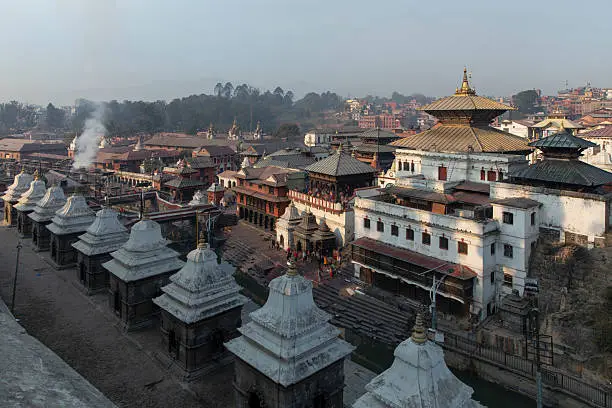
Welcome to one of Nepal’s most incredible wildlife adventures! This quick but action-packed safari will take you deep into the heart of Chitwan National Park, a UNESCO World Heritage Site that’s home to one-horned rhinos, Bengal tigers, and hundreds of exotic bird species. Whether you’re short on time or just want a taste of Nepal’s wild side, this overnight experience packs in everything you need for an unforgettable jungle adventure. Chitwan National Park is not the kind of place you simply “visit.” It’s a place you enter. The air changes, the sounds soften, and suddenly the world feels older, calmer, and very much alive. A 1-night 2-day jungle safari in Chitwan is designed for travelers who want a meaningful escape in a short time, which is enough to experience the wilderness without rushing, and enough to leave wanting more.
Located in the subtropical lowlands of southern Nepal, Chitwan is home to dense sal forests, grasslands taller than a human, winding rivers, and some of Asia’s most iconic wildlife. Even with limited time, this short safari offers a genuine glimpse into Nepal’s wild heart.
Why Choose Chitwan?
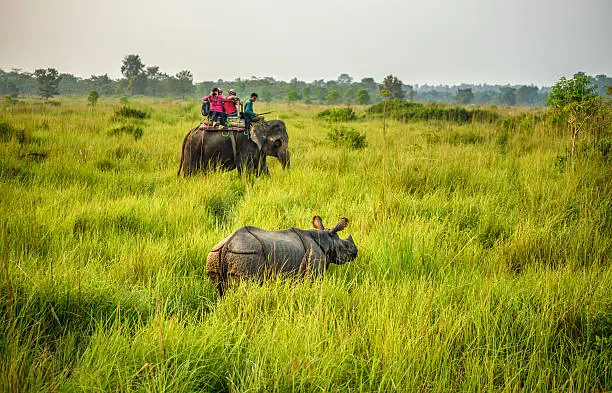
Picture this: you’re sitting on the back of an elephant or bouncing through the jungle in a 4×4, and suddenly, there it is, a massive one-horned rhinoceros grazing just meters away. Or maybe you’ll spot a sloth bear ambling through the forest, or if you’re really lucky, catch a glimpse of the elusive Bengal tiger. That’s Chitwan for you.
Established in 1973, Chitwan National Park covers over 900 square kilometers of dense sal forests, grasslands, and wetlands. The park sits between the Rapti and Narayani rivers in Nepal’s southern Terai region, creating a perfect habitat for wildlife. But it’s not just about the animals, you’ll also get to experience the rich culture of the Tharu people, the indigenous community who’ve called this region home for centuries.
 |
 |
Your Adventure: Day by Day in Chitwan Safari Tour
Day 1: Arrival & Cultural Immersion
Morning: The Journey Begins (7:00 AM – 1:00 PM)
Your adventure kicks off bright and early! Most packages include pickup from Kathmandu via tourist bus. From Kathmandu, it’s about a 5-6 hour scenic drive (155 km).
The journey itself is part of the experience, and you’ll watch the landscape transform from mountain views to lush lowlands as you descend into the Terai plains.
Pro tip: Grab a window seat! The scenery is stunning, and you might want to snap some photos along the way.
Afternoon: Welcome to the Jungle (1:00 PM – 2:00 PM)
You’ll arrive at your resort or lodge in Sauraha around lunchtime. After a refreshing welcome drink (trust me, you’ll need it after that drive!), you’ll be shown to your room. Take a moment to freshen up and enjoy a delicious lunch featuring authentic Terai cuisine. Think dal bhat (the traditional Nepali meal of lentils and rice), local curries, fresh vegetables, and maybe some chicken or mutton if you’re feeling adventurous.
Late Afternoon: Explore Tharu Village (2:00 PM – 5:00 PM)
After lunch, you’ll set out for a village tour, one of the highlights for many visitors. The Tharu people are fascinating. Their traditional mud-and-grass homes, colorful clothing, and deep connection to nature offer a window into a way of life that’s been preserved for generations. Your guide will explain their farming methods, cultural traditions, and how they’ve coexisted with the jungle’s wildlife for centuries.
Some tours include a visit to the Elephant Breeding Centre, established in 1985. Here you’ll learn about conservation efforts and see baby elephants alongside their mothers. It’s a great opportunity to understand the challenges and successes of elephant conservation in Nepal.
Evening: Sunset & Cultural Show (6:00 PM – 9:00 PM)
As the sun starts to set, head to the riverside for one of those “pinch me” moments. The Rapti River at sunset is absolutely gorgeous. The golden light reflecting off the water, birds settling in for the night, and if you’re lucky, maybe a crocodile basking on the banks.
After dinner, you’ll be treated to a traditional Tharu stick dance performance. The rhythmic beating of drums, energetic dancers in colorful costumes, and the opportunity to join in yourself make for an evening you won’t forget. There’s usually also a slide show about the park’s wildlife and conservation efforts if you want to learn more.
Day 2: Wildlife Safari & Departure
Early Morning: The Main Event – Safari Time! (6:15 AM – 9:00 AM)
This is what you came for! Rise and shine before dawn, and trust me, it’s worth it. Early morning is when the jungle comes alive, and you’ll have the best chance of spotting wildlife.
You’ll have a choice between two safari options:
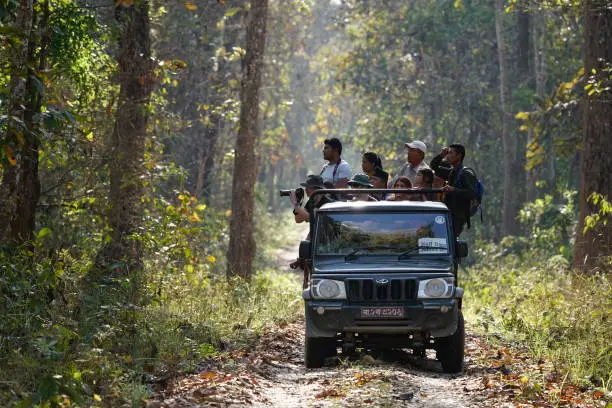
• Jeep Safari: More comfortable and covers more ground. You’ll venture deep into the park’s core areas, bouncing along jungle tracks with your guide scanning for wildlife. The 4x4s can access areas where larger animals like rhinos and tigers roam.
• Elephant Safari: A more traditional experience where you sit high on the elephant’s back. It’s not the smoothest ride, but there’s something magical about moving through the jungle this way. Plus, rhinos tend to be less spooked by elephants, so you might get closer encounters.
What might you see? The park is home to over 50 mammal species and 500+ bird species. One-horned rhinos are almost guaranteed. You’ll likely spot several deer species, wild boars, monkeys (rhesus and grey langur), and crocodiles lounging by the water. If you’re incredibly lucky, you might catch a glimpse of a leopard, sloth bear, or even a Royal Bengal tiger. Bird lovers, bring your binoculars for the kingfishers, hornbills, eagles, and countless other species that call this place home.
Your naturalist guide will share fascinating insights about animal behavior, plant life, and ecosystem dynamics. Don’t be shy to ask questions! These guides know the jungle like the back of their hand.
Morning: Breakfast & Departure (9:00 AM onwards)
After your safari, you’ll head back to the lodge for a hearty breakfast. You’ve earned it! Take a moment to swap stories with other travelers about what you saw, then it’s time to pack up and prepare for departure. Most packages include transfer back to Kathmandu or Pokhara by tourist bus, or you can arrange for a private vehicle.
When to Visit For Chitwan Safari Tour: Seasonal Guide
Best Time: October to March (Winter & Autumn)
Clear skies, comfortable temperatures, excellent wildlife viewing, and migratory birds. Peak tourist season.
Great Time: April to May (Spring/Pre-Monsoon)
Very hot but excellent wildlife spotting near water sources.
Shoulder Season: September (Early Autumn)
Fewer tourists, lush greenery, unpredictable weather.
Skip It: June to August (Monsoon Season)
Heavy rainfall, muddy tracks, difficult wildlife viewing, and leeches are common.
Responsible Tourism
Support ethical operators and local communities. Consider wildlife welfare when choosing safari options.
Final Thoughts
A 1 night/2 day Chitwan safari tour is one of the best short trips you can do in Nepal. It offers safaris, cultural immersion, and unforgettable wildlife encounters.
Remember, wildlife viewing is never guaranteed. These are wild animals in their natural habitat, not in a zoo.
Pack smart, keep an open mind, respect the wildlife and local culture, and enjoy every moment.
Happy safari!
Itinerary of Chitwan National Park Tour
Day 1: Arrival and Cultural Immersion
Day 2: Wildlife Safari & Departure
Includes/Excludes
What's included?
What’s Typically Included?
Standard 1-night 2-day packages generally cover:
• Accommodation
• All meals
• National park entrance fees
• Safari activities
• Naturalist guide
• Tourist bus transportation
• Welcome drinks
What's not included?
Usually Not Included:
• Alcoholic beverages
• Tips
• Personal expenses
• Travel insurance
• Extra activities
Trip Information - Good to Know
Essential Packing List For Chitwan Safari Tour
Clothing (The Non-Negotiables)
• Dark, neutral colors: Think khaki, beige, olive green, brown, or dark orange.
AVOID bright colors and white. You’ll stick out like a sore thumb and potentially spook wildlife. The whole point is to blend in with the jungle, not announce your presence!
• Long-sleeved shirts: Cotton or moisture-wicking fabric. They protect you from the sun, insect bites, and scratches from vegetation during jungle walks.
• Long pants or convertible pants: Track pants, cotton pants, or zip-off convertibles are perfect.
• Light jacket or fleece: Mornings and evenings can get surprisingly cool.
• Comfortable walking shoes or hiking boots.
• Extra pairs of socks.
• Rain jacket or poncho.
Accessories & Gear
• Wide-brimmed hat or cap
• Sunglasses
• High SPF sunscreen
• Insect repellent
• Binoculars
• Camera with zoom lens
• Small daypack
• Reusable water bottle
• Headlamp or flashlight
Personal Items
• Hand sanitizer and wet wipes
• Basic first aid kit
• Lip balm with SPF
• Moisturizer
• Phone charger and power bank
• Universal adapter
• Cash
• Travel documents
Safety & Wildlife Etiquette
• Listen to your guide
• Keep quiet
• Stay inside the vehicle
• No flash photography
• Keep a safe distance
• Don’t litter
• Stay calm during wildlife encounters
Photography Tips
• Zoom lens (200mm minimum)
• Extra batteries
• Early morning light
• Fast shutter speed
• Be patient
Trip Reviews
 Write a Review








- Best Price Guarantee
- Secure & easy booking
- Easy trip date changes
- Discount for groups


How to book a trip?

make free inquiry

confirm the trip
