


Luxury Trekking Packages: Where Adventure Meets Elegance in the Mountains
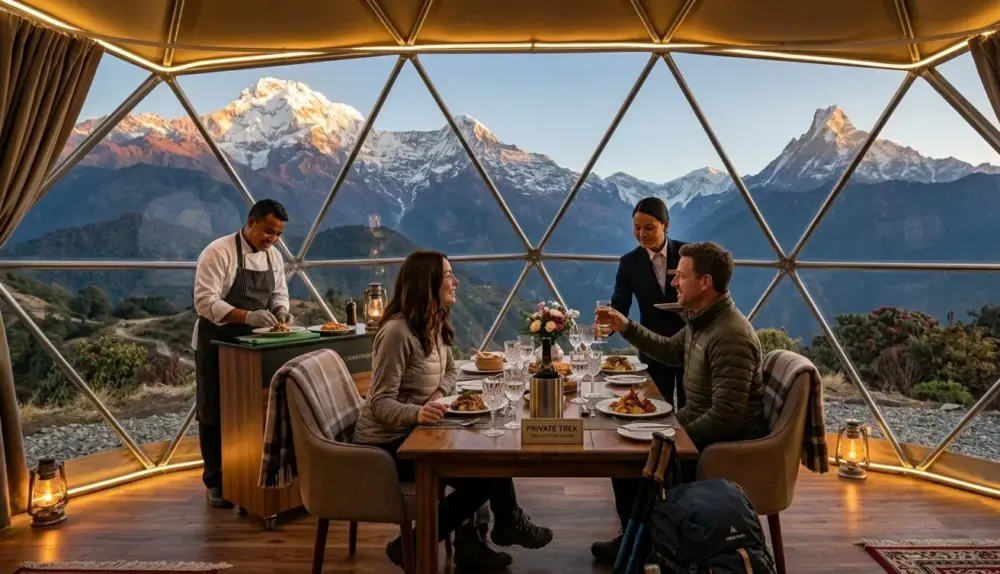
For decades, trekking was associated with rough trails, basic tea houses, heavy backpacks, and long days that tested both physical endurance and mental resilience. While that raw experience still appeals to hardcore adventurers, a new kind of traveler has emergedto the one who craves nature and challenge but refuses to compromise on comfort. This shift has given rise to a growing travel trend known as luxury trekking.
Luxury trekking packages redefine what it means to explore the world’s most spectacular landscapes. They combine the thrill of walking through dramatic mountain terrain with refined accommodation, personalized service, gourmet meals, and thoughtful pacing. In essence, luxury trekking allows you to immerse yourself in nature by day and unwind in comfort by night.
This blog explores what luxury trekking packages truly offer, why they are gaining popularity, the destinations that do them best, and how they are transforming the trekking experience for modern travelers.

Understanding Luxury Trekking: More Than Just Comfort
Luxury trekking is often misunderstood as simply “trekking with better hotels.” In reality, it is a carefully curated experience that elevates every element of a traditional trek.
A luxury trekking package focuses on:
- Exclusivity – small private groups or tailor-made itineraries
- High-quality accommodation – boutique mountain lodges or premium camps
- Personalized service – expert guides, dedicated porters, and attentive support staff
- Safety and pacing – flexible itineraries that prioritize acclimatization and well-being
- Cultural depth – meaningful interactions with local communities
Rather than racing to a destination, luxury trekking encourages travelers to slow down, absorb the surroundings, and enjoy the journey in a more refined way.
Why Luxury Trekking Is Gaining Global Popularity
The rise of luxury trekking reflects broader changes in how people travel. Modern travelers value experiences over checklists and quality over quantity. Several factors have fueled this trend.
First, travelers are more health-conscious and selective about how they challenge themselves. Luxury treks offer physical activity without unnecessary hardship. Second, there is a growing demand for authentic yet comfortable experiences, particularly among professionals, families, and mature travelers. Finally, luxury trekking appeals to those who want adventure without logistical stress, and everything is seamlessly arranged.
Luxury trekking is not about eliminating challenge; it’s about removing discomfort that distracts from the experience itself.
Destinations That Define Luxury Trekking
The Himalayas: The Heart of Luxury Trekking
When people think of luxury trekking, the Himalayas inevitably come to mind. Nepal, in particular, has become the global hub for premium trekking experiences thanks to its infrastructure, hospitality, and dramatic scenery.
Everest Region Luxury Treks
The Everest region offers some of the most iconic luxury trekking routes in the world. Luxury lodges along the trail provide heated rooms, attached bathrooms, and panoramic mountain views, and with all the features unimaginable in traditional trekking just a few decades ago.
Treks in this region allow travelers to experience the grandeur of Mount Everest while enjoying thoughtfully paced itineraries and exceptional service. Some packages even include helicopter returns, allowing trekkers to avoid long descents while enjoying aerial views of glaciers and peaks.
Annapurna Region Luxury Treks
The Annapurna region is another favorite for luxury trekking, offering a blend of diverse landscapes, traditional villages, and accessible comfort.
Luxury treks here often include stays in elegant mountain lodges near the Annapurna Range, with fireplaces, manicured gardens, and locally inspired gourmet cuisine. This region is ideal for travelers who want stunning scenery without extreme altitude challenges.
Beyond Nepal: Expanding Horizons
Luxury trekking is no longer limited to Nepal. Other destinations around the world are embracing the concept.
- In Bhutan, luxury treks blend high-end lodges with spiritual and cultural immersion.
- In the Alps, travelers enjoy well-marked trails paired with historic mountain hotels and Michelin-level dining.
- In South America, premium trekking routes lead through Patagonia’s wild landscapes with luxury eco-lodges providing comfort at the edge of the wilderness.
These destinations prove that luxury trekking is a global movement, adaptable to different terrains and cultures.
What’s Included in a Luxury Trekking Package?
One of the biggest advantages of luxury trekking packages is the clarity they provide. Everything is arranged in advance, allowing travelers to focus solely on the experience.
Premium Accommodation
Accommodation is the cornerstone of luxury trekking. Depending on the destination, this may include:
- Boutique mountain lodges with private rooms
- Heated tents with proper beds and linens
- Five-star hotels in gateway cities
After a day of trekking, returning to a warm room, a hot shower, and a comfortable bed makes an enormous difference.
Gourmet Dining on the Trail
Food is another defining feature of luxury trekking packages. Instead of basic meals, travelers enjoy:
- Freshly prepared multi-course dinners
- Locally inspired dishes with international options
- Dietary preferences catered to with care
Dining becomes part of the experience rather than just refueling.
Expert Guides and Personalized Support
Luxury trekking packages employ highly experienced guides with deep local knowledge. These professionals are trained not only in navigation and safety but also in storytelling, culture, and client care.
Private porters ensure travelers carry minimal weight, allowing them to enjoy the walk without physical strain.
Flexible Itineraries and Safety
Unlike fixed itineraries, luxury treks prioritize flexibility. Rest days can be added, walking hours adjusted, and routes modified based on weather or energy levels.
Comprehensive safety measures like oxygen support, medical kits, and emergency evacuation plans are standard, offering peace of mind throughout the journey.
Who Are Luxury Trekking Packages Designed For?
Luxury trekking appeals to a wide range of travelers, including:
- Professionals seeking meaningful escapes from busy lives
- Couples looking for unique honeymoon or anniversary experiences
- Families traveling with older parents or teenagers
- Adventurers who want comfort without sacrificing authenticity
Importantly, luxury trekking is not about status. It’s about intentional travel, where comfort enhances rather than overshadows the adventure.
Sustainability and Responsible Luxury
Modern luxury trekking operators increasingly emphasize sustainability.
Responsible luxury trekking focuses on:
- Supporting local communities through fair employment
- Using eco-friendly lodges and a waste management system
- Preserving trails and natural habitats
True luxury lies in knowing your journey has a positive impact on the places and people you encounter.
Best Time to Choose a Luxury Trek
Timing plays a crucial role in the luxury trekking experience. The best seasons typically offer stable weather, clear views, and comfortable temperatures.
In the Himalayas, spring and autumn are the most popular seasons. During these months, trails are vibrant with color, and mountain vistas are at their most dramatic. Luxury trekking during peak seasons also ensures that premium lodges operate at full capacity, offering the best possible service.
Cost vs Value: Is Luxury Trekking Worth It?
Luxury trekking packages are undeniably more expensive than standard treks. However, the value lies in what you receive:
- Comfort that preserves energy and enjoyment
- Personalized service and expert planning
- Reduced risk and stress
- A deeper, more relaxed connection with the destination
For many travelers, luxury trekking transforms what could be an exhausting ordeal into a life-affirming journey.
The Future of Luxury Trekking
As travel continues to evolve, luxury trekking is set to grow even further. Travelers are seeking experiences that combine wellness, adventure, and meaning. Luxury trekking fits perfectly into this future, offering immersive journeys that respect both people and the planet.
The mountains will always demand respect, but how we experience them is changing. Luxury trekking proves that you don’t need to suffer to feel accomplished, and you simply need to walk with intention.


How to book a trip?

make free inquiry

confirm the trip
