


Nepal in the Shoulder Season: Which Treks Offer Fewer Crowds?

Introduction
Nepal is famous for its spectacular Himalayan scenery, traditional mountain villages, and unforgettable trekking trails. However, popular routes can become busy during the main trekking seasons, particularly when many travelers arrive to enjoy favorable weather and mountain views.
If you prefer quieter trails, more peaceful teahouse experiences, and opportunities to connect with local communities, choosing your trekking dates carefully can make a difference.
The shoulder season can be an attractive option for travelers who want to avoid the busiest periods without sacrificing the experience of trekking in the Himalayas. However, there is no single shoulder season that works equally well for every route.
According to the Nepal Tourism Board’s climate guide, spring and autumn are generally the best seasons for trekking. The country also experiences a summer monsoon and a cold winter, each creating different opportunities and challenges depending on altitude and location.
In this guide, we explain when to consider trekking in Nepal for fewer crowds, which routes may suit different seasons, and what to consider before planning your trip.
What Is the Shoulder Season for Trekking in Nepal?
The shoulder season generally refers to periods around the edges of the busiest travel seasons. The exact dates vary by trekking region, weather conditions, and the type of experience you want.
Nepal’s main trekking periods are commonly described as spring, from approximately February to May, and autumn, from September to November. These periods are recommended by the Nepal Tourism Board.
For travelers looking for quieter experiences, three periods are worth considering:
-
- Late November to early December: Conditions become colder as winter approaches, and some routes may be quieter after the main autumn period.
-
- Late May: Spring trekking is still possible, but temperatures, cloud development, and pre-monsoon weather can affect conditions.
-
- Winter, from December to February: Lower-altitude routes may offer a quieter trekking experience, although cold temperatures and snow can make higher trails more difficult.
These are planning windows, not guarantees of low crowds or good weather. Conditions can change considerably between regions and elevations.
1. Pikey Peak: A Quieter Alternative to the Everest Base Camp Experience

Pikey Peak is worth researching if you want Himalayan scenery and views of the Everest region without committing to the longer Everest Base Camp itinerary.
The trek passes through landscapes of forests, traditional settlements, and open mountain viewpoints. Depending on visibility and weather, trekkers may see several Himalayan peaks from the higher viewpoints.
Why consider Pikey Peak?
-
- It can suit travelers with less time than a longer Everest Base Camp itinerary.
-
- The route offers a combination of mountain scenery and village experiences.
-
- It is an option to investigate if you prefer a less prominent trekking route.
However, it would be misleading to describe Pikey Peak as always quiet. Its popularity varies with travel dates, and conditions on the trail depend on the season.
Best planning approach: Ask a local trekking operator about current trail conditions, accommodation availability, and the expected number of trekkers for your intended dates.
2. Langtang Valley: Himalayan Scenery Close to Kathmandu
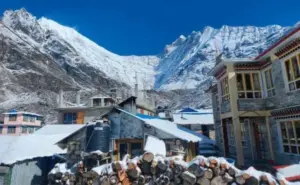
Langtang Valley is another route to consider when comparing Nepal’s trekking options.
Located north of Kathmandu, the region features mountain landscapes, forests, traditional settlements, and opportunities to learn about local Tamang culture.
Why consider Langtang Valley?
-
- It offers a Himalayan trekking experience without requiring the same itinerary as Everest Base Camp.
-
- The route combines natural scenery with cultural experiences.
-
- Its accessibility from Kathmandu can make trip planning more straightforward than some remote trekking itineraries, although road travel and trail conditions must be checked.
Langtang is an established trekking destination, so it should not automatically be considered uncrowded. Traveling outside the busiest dates may help, but there is no guarantee of solitude.
Best planning approach: Compare dates in late autumn and spring, and ask about accommodation availability along the route before making a final decision.
3. Mardi Himal: A Shorter Trek in the Annapurna Region

Mardi Himal is a popular option for travelers seeking mountain views within a relatively short trekking itinerary.
The route passes through forested areas and higher mountain terrain, with views of the Annapurna range when the weather is clear.
Why consider Mardi Himal?
-
- It is suitable for travelers who want a shorter Himalayan trekking itinerary.
-
- The changing landscapes provide opportunities for photography.
-
- It can be combined with a wider visit to the Pokhara area.
Mardi Himal has become a well-known trekking route, so it may be busy during popular travel periods. Choosing dates carefully can help, but travelers should not assume that shoulder-season travel means empty trails.
Best planning approach: Compare accommodation availability and recent trail reports for your intended dates, particularly if you want a quieter experience.
4. Ghorepani and Poon Hill: A Lower-Altitude Option to Consider in Winter

If you prefer a shorter trek and want to avoid the cold conditions associated with some high-altitude routes, the Ghorepani and Poon Hill area may be worth considering.
This trekking area is known for mountain viewpoints, forest trails, village stays, and rhododendron landscapes.
The Annapurna Conservation Area is officially recognized by the Nepal Tourism Board as a trekking destination, with spring and autumn listed among its best seasons. You can find more information on the official Annapurna Conservation Area page.
Why consider this route?
-
- It offers a shorter itinerary than many high-altitude Himalayan treks.
-
- Lower elevations can make it a practical option to investigate during winter.
-
- Spring can bring rhododendron blooms, depending on elevation and local conditions.
Winter does not eliminate risks. Temperatures can fall significantly, and snow or ice may affect sections of the trail.
Best planning approach: Confirm the current weather forecast, trail conditions, and accommodation availability before departing.
5. Upper Mustang: A Rain-Shadow Destination for the Monsoon Period
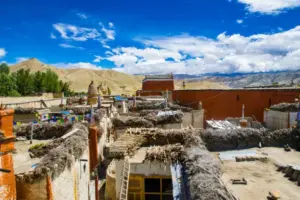
Most of Nepal receives substantial rainfall during the summer monsoon. However, some areas north of the main Himalayan ranges lie in a rain shadow and receive much less precipitation.
The Nepal Tourism Board identifies Mustang and Manang among the areas that are comparatively dry because of this rain-shadow effect.
Upper Mustang is therefore worth considering for travelers interested in trekking during the monsoon months, when many other popular routes experience heavier rainfall.
Why consider Upper Mustang?
-
- The landscape features dry, dramatic terrain that differs from Nepal’s greener trekking regions.
-
- The region offers distinctive cultural and historical experiences.
-
- Its rain-shadow location can make it a more suitable monsoon option than many routes farther south.
There are important qualifications. Less rainfall does not mean completely dry weather, and road access, wind, local conditions, and route logistics can still affect a trip. Upper Mustang also has special permit requirements, which should be confirmed before booking.
Best planning approach: Check current permit rules, transport arrangements, and local conditions with an authorized operator before choosing a monsoon departure.
6. Manang and Other Rain-Shadow Areas: Consider the Route Carefully

Manang is another area identified by the Nepal Tourism Board as being in the Himalayan rain shadow.
This makes parts of the region relevant to travelers researching trekking during wetter months. However, the suitability of a specific itinerary depends on altitude, trail conditions, and whether high passes are involved.
A route that is relatively dry can still be dangerous because of snow, cold, landslides on access roads, or rapidly changing mountain weather.
Rather than selecting a trek based on rainfall alone, assess the entire itinerary, including transport, elevation, accommodation, and emergency arrangements.
When Is the Best Time to Trek in Nepal for Fewer Crowds?
There is no universally quiet month for every trekking route. The following table provides a starting point for planning.
| Period | What to consider | Main trade-off |
|---|---|---|
| Late November to early December | Some routes may become quieter after the main autumn period | Colder nights and possible snow at higher elevations |
| Late May | Potentially useful for flexible travelers before the main monsoon period | Increasing heat, cloud, and weather uncertainty |
| December to February | Lower-altitude trekking options | Cold weather and snow-related limitations on higher routes |
| June to September | Rain-shadow destinations such as Upper Mustang and parts of Manang | Monsoon-related transport and trail risks may remain |
This is a general planning guide, not a forecast or a measured ranking of crowd levels. Conditions vary from year to year, and popular routes can remain busy even outside peak periods.
How to Choose a Trek During the Shoulder Season
Before booking a trekking holiday, consider these five factors.
1. Choose the route before choosing the month
Different regions experience different weather patterns. A route that works well in the monsoon may be unsuitable elsewhere during the same period.
2. Consider altitude and overnight temperatures
The Nepal Tourism Board notes that temperatures generally decrease as altitude increases. Higher routes can experience freezing conditions even when lower elevations feel comfortable.
Bring appropriate layers and confirm the expected overnight conditions for your itinerary.
3. Check current trail and transport conditions
Weather can affect roads, domestic flights, and trekking trails. Leave flexibility in your schedule when transport reliability is important.
4. Ask about accommodation availability
Traveling outside peak periods does not mean every teahouse will be open. Ask your trekking operator which lodges are operating and whether meals and accommodation can be arranged along the route.
5. Keep your itinerary flexible
Buffer days can help manage unexpected delays. For higher-altitude treks, prioritize a suitable acclimatization schedule rather than trying to shorten the itinerary simply to avoid crowds.
Is Shoulder-Season Trekking Cheaper in Nepal?
It can be, but lower prices should not be assumed.
Accommodation rates, transport costs, guide fees, permits, and package prices vary by destination and operator. Some costs remain fixed regardless of the season, while others may depend on availability and demand.
If you want to compare trekking costs, request a written itinerary that explains what is included. Check accommodation, meals, transport, permits, guide services, and any additional expenses.
A slightly quieter trip is not necessarily a cheaper trip, especially if special transport or remote-region logistics are involved.
Frequently Asked Questions
What is the least crowded time to trek in Nepal?
Crowds vary by route and year. Late autumn and winter may be quieter on some trails, but conditions become colder. Certain rain-shadow destinations may also be suitable during the monsoon. Check current conditions before deciding.
Is May a good month for trekking in Nepal?
May falls within Nepal’s spring trekking period, but temperatures rise and pre-monsoon weather can bring cloud and rain. The suitability of May depends on the route, elevation, and current conditions.
Can you trek in Nepal during the monsoon?
Yes, trekking is possible in some areas, but rainfall can make many trails more difficult. Rain-shadow destinations such as Upper Mustang and parts of Manang are worth researching, subject to permits, access, and current conditions.
Is winter trekking in Nepal safe?
Winter trekking can be possible on suitable routes with appropriate preparation. Higher elevations may experience severe cold, snow, and closed passes. Choose an itinerary that matches your experience and check conditions with a knowledgeable local operator.
Which Nepal trek is best for avoiding crowds?
There is no single route that is always the quietest. Pikey Peak, Langtang Valley, and other alternatives to the busiest itineraries may be worth comparing, but crowd levels depend on the dates and current demand.
Final Thoughts: Find the Right Time for Your Himalayan Trek
Trekking in Nepal outside the busiest periods can offer a different experience, from quieter village stays to greater flexibility when planning your itinerary.
The key is to match your travel dates to the right region. Pikey Peak, Langtang Valley, and Mardi Himal are worth comparing for different trekking experiences, while Ghorepani and Poon Hill may suit some winter itineraries. For monsoon travel, rain-shadow destinations such as Upper Mustang deserve consideration, provided the necessary permits and logistics are arranged.
At Green Horizon Tours & Travels, travelers can explore trekking options and discuss an itinerary that fits their available time, experience, and preferred travel season.
Planning a trek in Nepal? Contact Green Horizon Tours & Travels to discuss route options, current trail conditions, accommodation, and a suitable itinerary for your travel dates.
Travel note: Weather, trail access, permit requirements, and accommodation availability can change. Confirm the latest information with the relevant authorities and your local trekking operator before departure.
Sources for Further Reading


How to book a trip?

make free inquiry

confirm the trip
