


Annapurna Base Camp Trek


Trip Duration
15 Days
Group Sizes
0-15 People
Transportation
Ground and Flight
Destination
Annapurna Base Camp Trek
Max. Altitude
4130m
Nature of Trip
Trekking
Best Season
Spring and Autumn
Activities
- City tour
- Trekking

Difficulty
Moderate
Meals
- Breakfast
- Lunch
- Dinner

Start & End Point
Kathmandu
Accommodation
- Tea House
- 4 star
Overview of Annapurna Base Camp Trek
 |
 |

All permits • Expert guide • Meals on trek • Group discounts available
Nestled among the majestic peaks of the Himalayas lies the Annapurna Base Camp Trek, a journey that promises awe-inspiring landscapes, cultural immersion, and a profound connection with nature. This trek, situated in the heart of Nepal, is renowned for its stunning vistas, diverse flora and fauna, and the warmth of the local communities along the way. In this essay, we will embark on a virtual journey through the Annapurna Base Camp Trek, exploring its significance, challenges, and the unforgettable experiences it offers to adventurers.
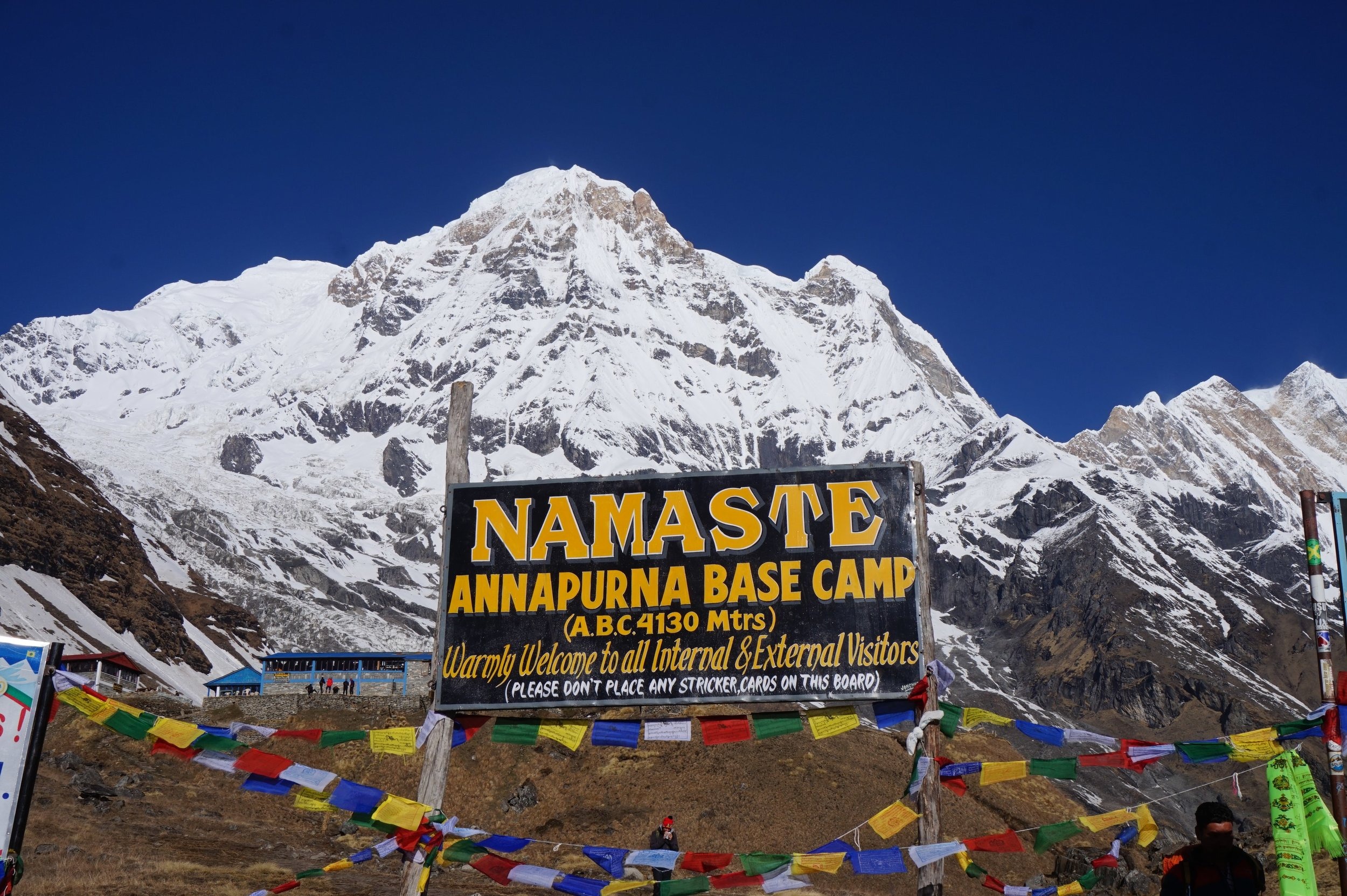
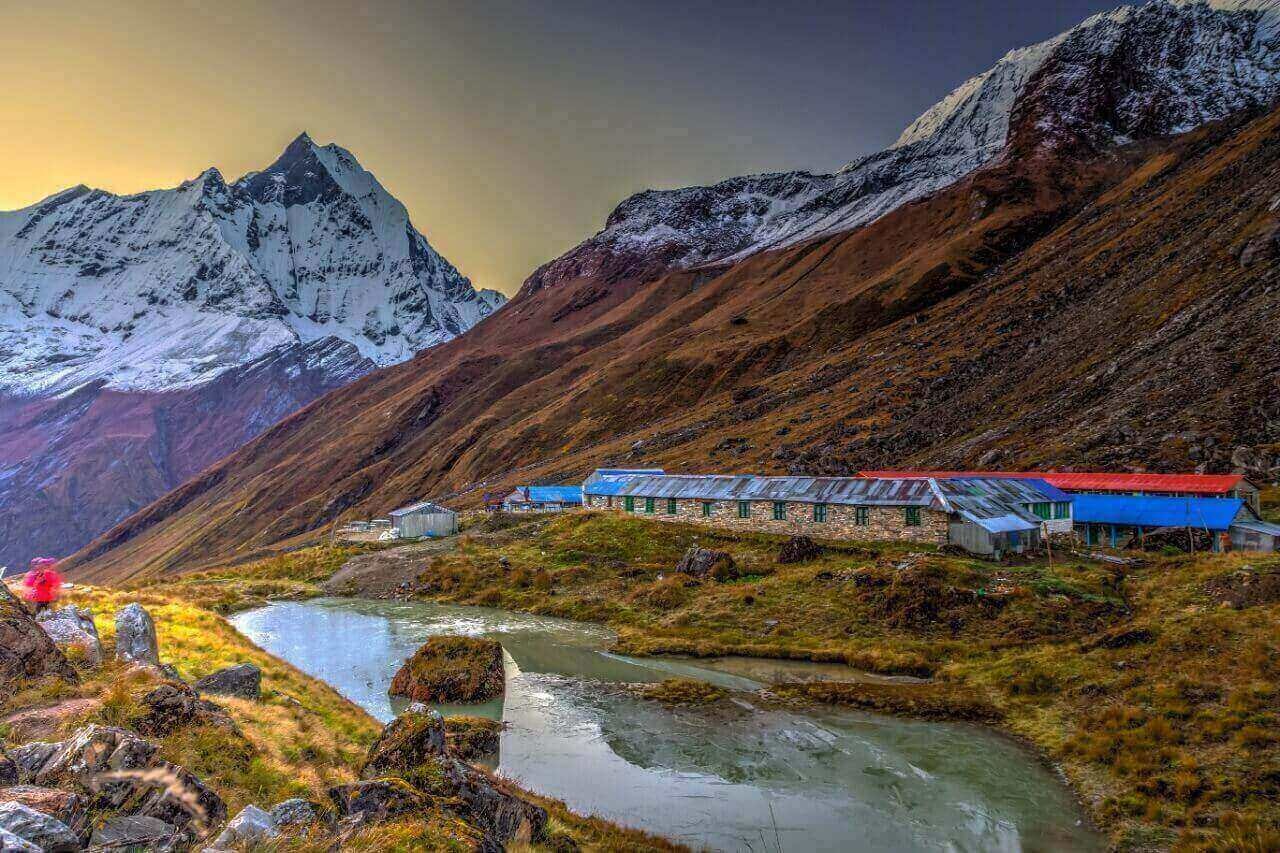
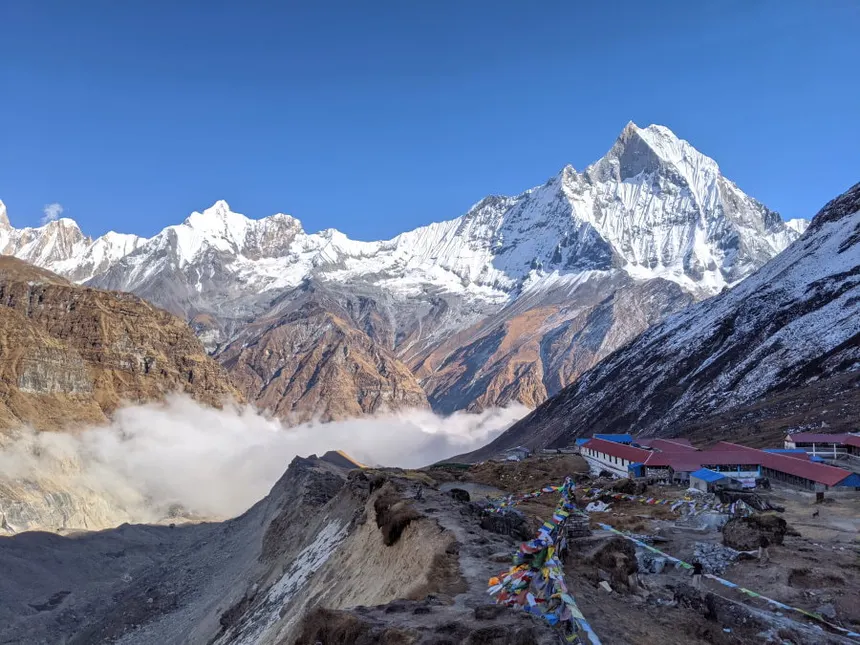
The Annapurna Base Camp Trek typically begins in the vibrant city of Pokhara, where trekkers gather supplies and prepare for the journey ahead. From Pokhara, the trail winds through lush forests, quaint villages, and terraced farmlands, offering glimpses into the rich culture and traditions of the local Gurung and Magar communities. As the trek progresses, the landscape transitions from subtropical to alpine, with each turn revealing breathtaking panoramas of snow-capped peaks, including Annapurna South, Machhapuchhre (Fishtail), and Hiunchuli.
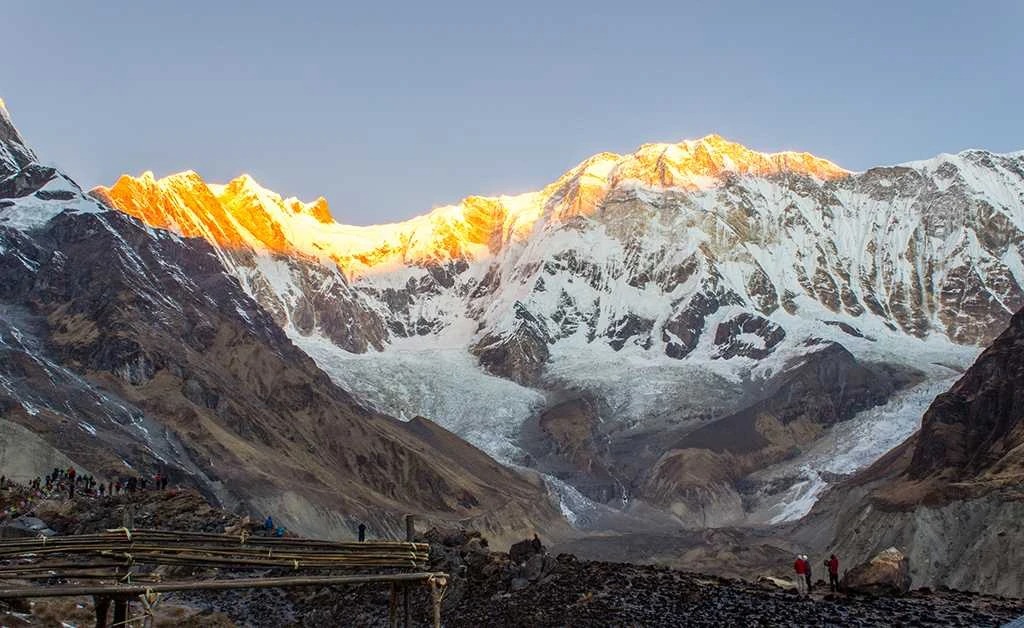
While the Annapurna Sanctuary Trek is suitable for trekkers of varying skill levels, it presents its share of challenges. The rugged terrain, high altitude, and unpredictable weather demand physical endurance and mental resilience. Trekkers must navigate steep ascents and descents, rocky paths, and potentially harsh conditions. However, the rewards far outweigh the challenges. Each step brings trekkers closer to the base camp, where they are greeted by the awe-inspiring views of towering mountains, glittering glaciers, and cascading waterfalls. The sense of accomplishment and the sheer beauty of the surroundings make every hardship worthwhile.
One of the highlights of the Annapurna Base Camp Trek is the opportunity to immerse oneself in the local culture. Along the trail, trekkers encounter traditional Nepalese villages where they can interact with friendly locals, sample authentic cuisine, and learn about age-old customs and traditions. Whether staying in teahouses or homestays, trekkers are welcomed with warmth and hospitality, fostering meaningful connections and enriching cultural experiences.
As the popularity of trekking in the Annapurna region continues to grow, so does the importance of environmental conservation. Sustainable practices, such as waste management and responsible tourism, are crucial for preserving the fragile ecosystem of the Himalayas. Organizations and local communities are actively involved in initiatives aimed at minimizing the environmental impact of trekking activities and protecting the natural beauty of the region for future generations.
The Annapurna Base Camp Trek is not merely a physical journey but a transformative experience that nourishes the soul and ignites a deep appreciation for the wonders of nature. It is a testament to the indomitable spirit of exploration and the enduring allure of the Himalayas. As trekkers gaze upon the towering peaks and bask in the serenity of the mountain landscape, they are reminded of the profound beauty and resilience of the natural world. Indeed, the Annapurna Base Camp Trek is a pilgrimage of the heart, inviting adventurers to embark on a journey of discovery, connection, and reverence for the earth’s splendor.
Best Seasons for Annapurna Base Camp Trek
Any time of the year is ideal for the Annapurna Base Camp Trek. However, the Annapurna Base Camp Trek is best undertaken during the spring and autumn seasons, which offer optimal weather conditions and stunning scenery. In spring, from March to May, trekkers are greeted with mild temperatures and clear skies, creating ideal trekking conditions. This season brings the landscape to life with the blooming of rhododendrons and other wildflowers, adding vibrant colors to the surroundings.
Annapurna Base Camp Trek Difficulty and Fitness Requirement
The Annapurna Base Camp Trek is a moderately challenging adventure suitable for trekkers with a moderate level of fitness. The trek involves ascending and descending over varied terrain, including steep sections and rocky trails. While not as demanding as some high-altitude treks, proper preparation is still essential. Trekkers should be prepared for daily hikes of 5-7 hours covering distances of 10-15 kilometers. Prior trekking experience is helpful but not necessary.
 |
 |
Highlights of Annapurna Base Camp Trek
- Explore the cultural treasures of Kathmandu, including Pashupatinath, Boudhanath, Swayambhunath, and Patan Durbar Square, offering insight into Nepal’s rich history and religious heritage.
- Traverse through lush green forests, alpine meadows, and the rich biodiversity of the Annapurna Conservation Area, providing a scenic backdrop for the trek.
- Trek through yak pastures, grazing lands, and farmlands, immersing yourself in the traditional mountain way of life in this picturesque valley.
- Encounter magnificent glacial lakes, pristine waterfalls, deep gorges, and glacier-fed rivers, showcasing the raw beauty and power of nature along the trekking route.
- Enjoy stunning vistas of iconic snow-capped peaks, including the Annapurna range, Thorong Peak, Manaslu, Gorkha Himal, Lamjung Himal, Dhaulagiri, Tukuche Peak, Nilgiri, and the majestic Machapuchhre.
- Visit historic temples revered by both Hindu and Buddhist communities, providing spiritual insights and cultural immersion along the journey.
- Experience the awe-inspiring sunrise from Poon Hill, one of the most famous viewpoints in the region, offering unparalleled vistas of the surrounding mountains bathed in golden light.
- Unwind and indulge in the lavish amenities and modern comforts of Pokhara city, a vibrant lakeside destination renowned for its hospitality and relaxation opportunities after the trek.
Best Seasons for Annapurna Base Camp Trek
Any time of the year is ideal for the Annapurna Base Camp Trek. However, the Annapurna Base Camp Trek is best undertaken during the spring and autumn seasons, which offer optimal weather conditions and stunning scenery. In spring, from March to May, trekkers are greeted with mild temperatures and clear skies, creating ideal trekking conditions. This season brings the landscape to life with the blooming of rhododendrons and other wildflowers, adding vibrant colors to the surroundings.
Annapurna Base Camp Trek Difficulty and Fitness Requirement
The Annapurna Base Camp Trek is a moderately challenging adventure suitable for trekkers with a moderate level of fitness. The trek involves ascending and descending over varied terrain, including steep sections and rocky trails. While not as demanding as some high-altitude treks, proper preparation is still essential. Trekkers should be prepared for daily hikes of 5-7 hours covering distances of 10-15 kilometers. Prior trekking experience is helpful but not necessary.
Itinerary of Annapurna Base Camp Trek
Day 1: Arrival in Kathmandu City
Day 2: UNESCO World Heritage Site Excursion
Day 3: Drive to Pokhara City
Day 4: Drive to Nayapul & Hike to Ulleri Village
Day 5: Trek to Ghorepani Village
Day 6: Hike to Poonhill Viewpoint & Trek to Tadapani
Day 7: Trek to Chhomrong Village
Day 8: Trek to Dovan
Day 9: Trek to Deurali Village
Day 10: Trek to Annapurna Base Camp via Machhapuchhre Base Camp
Day 11: Trek back to Sinuwa Village
Day 12: Trek to Jhinu Danda
Day 13: Trek to Madkyu Village & Drive back to Pokhara
Day 14: Drive back to Kathmandu
Day 15: Departure Day
Includes/Excludes
What's included?
- Airport pick up and drop in a private vehicle
- Kathmandu Sightseeing
- 2 nights accommodation at a 3 star hotel in Kathmandu
- Breakfast and Welcome Dinner in Kathmandu
- Best accommodation options during the trek
- Government licensed trekking guide and a porter
- All the permits and entry fees required for the trek
- Trip completion certificate
What's not included?
- Foods during the trek
- Nepal Visa and Travel Insurance
- Tips for drivers, guides and porters
- Any soft or alcoholic beverages consumed during the trek
- Personal trekking gears
- Other expenses that are not mentioned in the inclusive
Trip Information - Good to Know
Trip Reviews
 Write a Review








1150 US$
- Best Price Guarantee
- Secure & easy booking
- Easy trip date changes
- Discount for groups


How to book a trip?

make free inquiry

confirm the trip
