


Everest Three Pass Trek


Trip Duration
20 Days
Group Sizes
0-15 People
Transportation
Ground and Flight
Destination
Everest Three Pass Trek
Max. Altitude
5545m
Nature of Trip
Trekking
Best Season
Spring and Autumn
Activities
- City Tour
- Trekking

Difficulty
Moderate
Meals
- Breakfast
- Lunch
- Dinner

Start & End Point
Kathmandu
Accommodation
- Tea Houses
- 4 star
Overview of Everest Three Pass Trek
|
|
The Everest Three Pass Trek stands out as one of the most challenging and exhilarating trekking routes in the Everest region of Nepal. This trek is meticulously designed for adventurers who seek a comprehensive journey through some of the most stunning and remote landscapes of the Himalayas. It involves crossing three formidable high passes: Kongma La at 5,535 m, Cho La at 5,420 m, and Renjo La at 5,340 m.
Each mountain pass presents a unique set of challenges and rewards, offering trekkers a truly immersive experience in the heart of the world’s highest mountain range. The trek also includes iconic destinations such as Everest Base Camp, Kala Patthar, and the serene Gokyo Lakes, weaving through traditional Sherpa villages and vibrant markets, providing both cultural insights and breathtaking natural beauty. This trek is a true test of endurance and spirit, perfect for those who crave an adventure that pushes their limits and offers unmatched panoramic views of towering peaks like Everest, Lhotse, Nuptse, and Makalu. From the bustling town of Namche Bazaar to the serene turquoise waters of Gokyo, the Everest Three Pass Trek promises an unforgettable journey through the majestic landscapes of the Himalayas.
Starting with a thrilling flight into Lukla, trekkers embark on a path that takes them through vibrant Sherpa villages and lush valleys, beginning with the descent to Phakding and the gradual ascent to Namche Bazaar. Namche Bazaar, the bustling gateway to the high Himalayas, offers trekkers a chance to acclimatize while exploring local markets, cafes, and stunning viewpoints. The journey continues to the serene village of Tengboche, home to the famous Tengboche Monastery, where trekkers can enjoy panoramic views of Everest, Ama Dablam, and other iconic peaks.
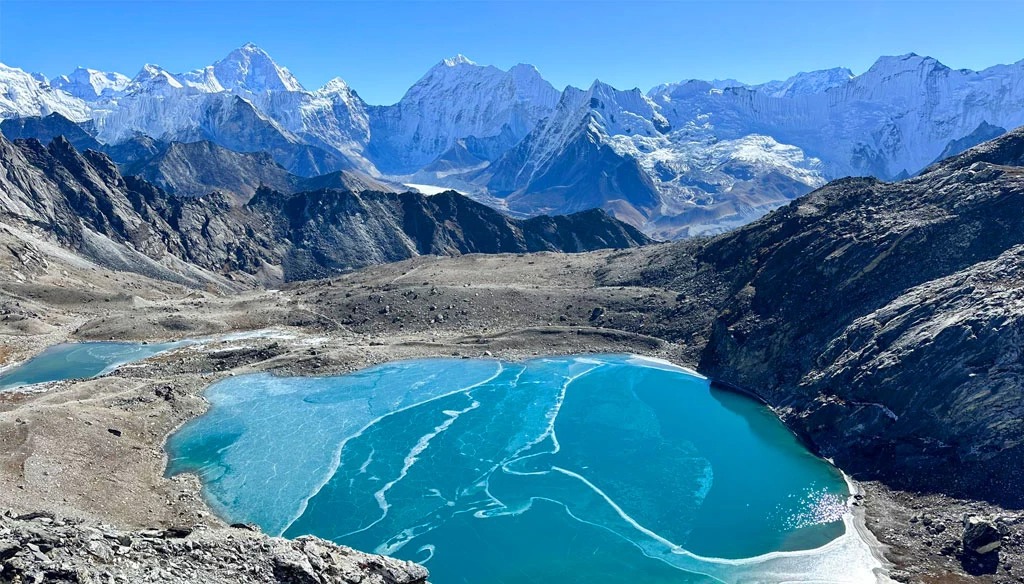
From Tengboche, the route progresses to Dingboche, another vital acclimatization point. Here, trekkers can embark on acclimatization hikes to Nagarjun Hill or Chhukung Ri, providing breathtaking vistas and helping the body adjust to the high altitude. The first major challenge, Kongma La Pass, awaits as trekkers leave Dingboche. This pass is the highest of the three, demanding a steep and strenuous ascent through rocky and possibly snow-covered terrain. Reaching the top of Kongma La offers unparalleled views of Lhotse, Nuptse, and Makalu, rewarding the arduous climb. The descent leads trekkers to the Khumbu Glacier and onwards to Lobuche.
The trek to Everest Base Camp from Lobuche is an iconic part of the journey. Trekkers first reach Gorak Shep, the last stop before the base camp. From here, the trail to Everest Base Camp at 5,364 m offers close-up views of the Khumbu Icefall and the surrounding giants. A climb to Kala Patthar (5,545 m) either at dawn or during sunset provides the most iconic close-up views of Everest, Nuptse, and Pumori.
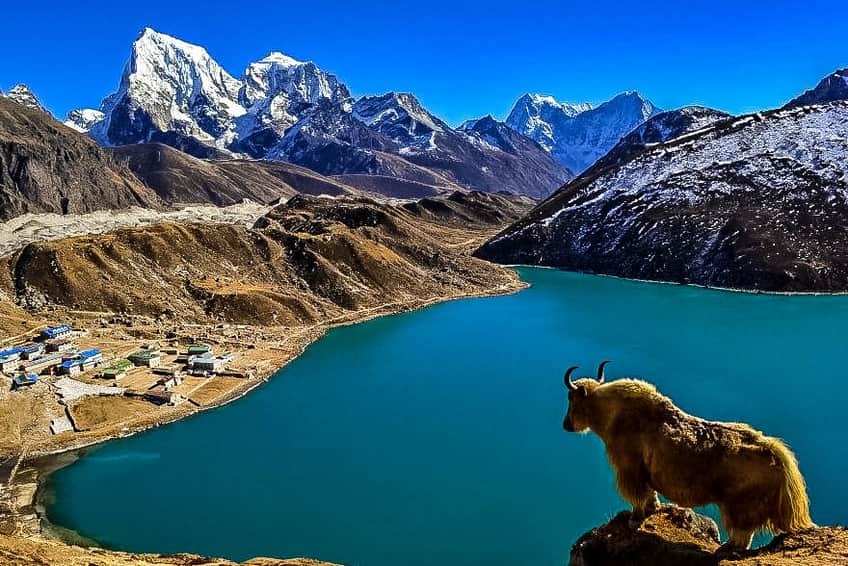
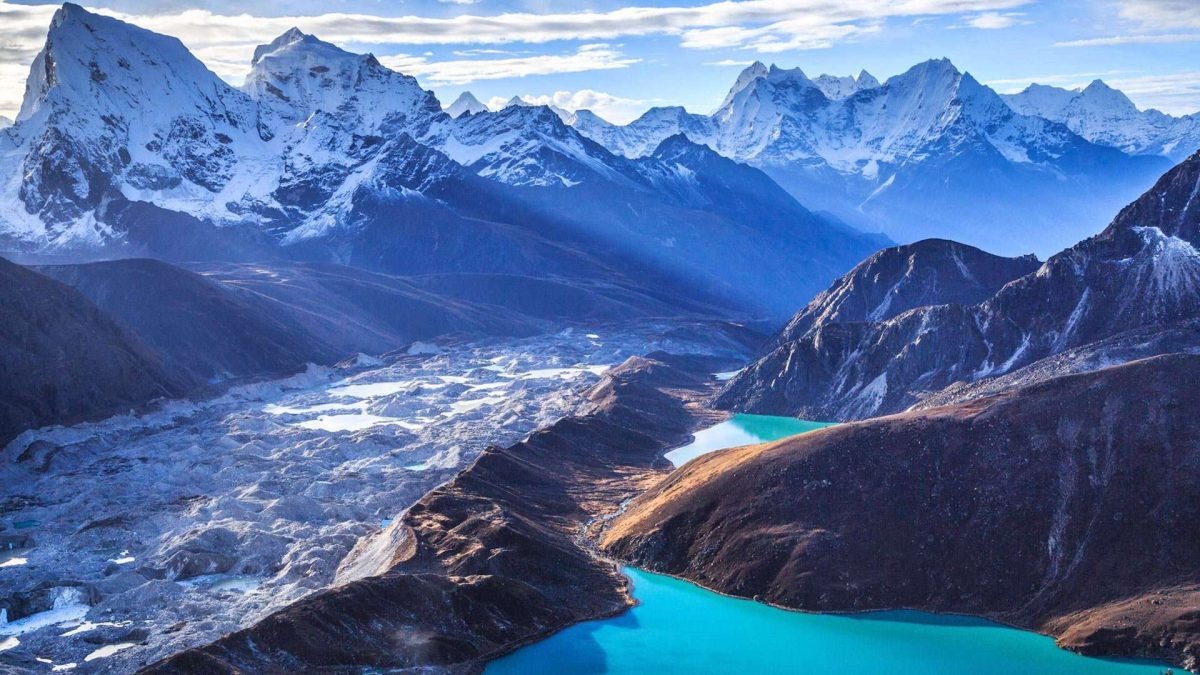
The second high pass, Cho La, lies ahead after retracing steps to Lobuche and moving towards Dzongla. Cho La Pass at 5,420 m involves crossing a glacier, demanding careful navigation and presenting another tough challenge. The panoramic views from the top of Cho La are spectacular, encompassing the Rolwaling Valley and peaks like Cholatse and Lobuche East. The descent from Cho La leads trekkers into the Gokyo Valley, where they are greeted by the stunning Gokyo Lakes. These turquoise glacial lakes provide a serene setting amidst the rugged landscape.
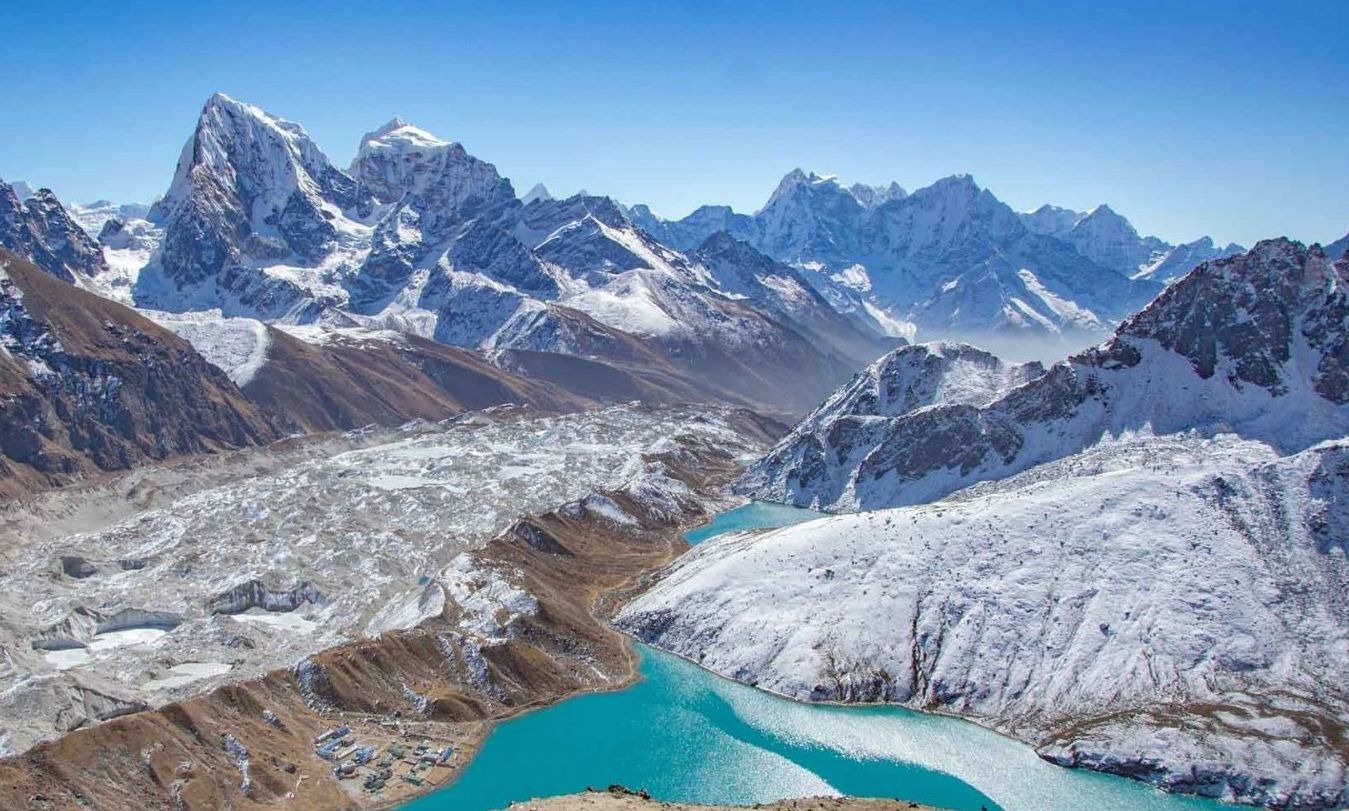
From Gokyo, trekkers can climb Gokyo Ri, a peak that offers incredible views of Everest, Makalu, Cho Oyu, and the Ngozumpa Glacier, the largest glacier in the Himalayas. The final pass, Renjo La, at 5,340 m, offers yet another breathtaking challenge. The ascent to Renjo La is steep and demanding, but the views from the top are immensely rewarding, showcasing the vast Himalayan range in all its glory.
After crossing Renjo La, the trek descends into the tranquil Thame Valley, eventually leading back to Namche Bazaar and then to Lukla, where the journey concludes. Throughout the trek, trekkers experience the rich Sherpa culture, warm hospitality, and the stunning diversity of the Himalayan landscape, making the Everest Three Pass Trek a once-in-a-lifetime adventure that combines physical challenge, natural beauty, and cultural immersion in one of the most spectacular regions on Earth.
Best Time for Everest Three Pass Trek
The best time for the Everest Three Passes Trek is generally during the spring (March to May) and autumn (September to November) seasons. Spring brings warmer temperatures and clear skies, ideal for comfortable trekking conditions. The landscape is adorned with blooming rhododendrons, adding vibrant colors to the scenery, while wildlife activity increases, offering opportunities to spot rare species.
In autumn, stable weather conditions prevail, with clear skies and mild temperatures providing excellent visibility of the majestic mountains. The well-defined and relatively dry trails make trekking more comfortable and safer, especially when crossing high passes. Additionally, autumn coincides with major Nepalese festivals, offering trekkers a chance to immerse themselves in local culture and traditions. However, both seasons are popular, with autumn being the peak trekking season, so it’s advisable to book accommodations and permits in advance.
Difficulty of the Everest Three Pass Trek
The Everest Three Pass Trek presents a formidable challenge, catering primarily to seasoned trekkers with a penchant for adventure and a high level of physical fitness. Its difficulty stems from several factors intricately woven into the fabric of the Himalayas. Firstly, the trek’s altitude surpasses 5,300 meters with each of the three high passes, demanding careful acclimatization and an understanding of altitude-related risks.
Moreover, the technical terrain encountered along the route, including steep ascents, rocky trails, and glacier crossings, requires both skill and concentration. Trekking days are long and strenuous, often spanning over 15-20 days, with extensive distances to cover and challenging climbs to navigate. The unpredictable weather of the Everest region adds another layer of complexity, with trekkers facing everything from snowstorms to high winds, necessitating adaptability and resilience.
Accommodations along the route are basic, and facilities are limited, underscoring the need for self-sufficiency and preparedness. Ultimately, success on the Everest Three Pass Trek hinges on a combination of physical endurance, mental fortitude, and a deep respect for the rugged beauty and untamed wilderness of the Himalayas.
 |
 |
Highlights of the Everest Three Pass Trek
- Experience a scenic and dramatic flight over the majestic Himalayas from Kathmandu to Lukla Airport, one of the most thrilling and picturesque flights in the world.
- Trek through the pristine alpine forests of Sagarmatha National Park, a UNESCO World Heritage Site, where you can immerse yourself in the diverse ecosystem and discover rare flora and fauna unique to the region.
- Spend time acclimatizing in Namche Bazaar, the bustling Sherpa capital nestled in the heart of the mountains. Explore its vibrant markets, cozy cafes, and monasteries while soaking in the rich culture and hospitality of the Sherpa people.
- Challenge yourself by crossing three high passes – Renjo La, Cho La, and Kongma La – all towering above 5,300 meters. Each pass offers breathtaking panoramic views of the surrounding peaks and glaciers, rewarding your efforts with unforgettable vistas.
- Trek to the world-famous Everest Base Camp, standing at the foot of the tallest mountain on Earth. Experience the thrill of walking in the footsteps of legendary mountaineers and marvel at the Khumbu Icefall and surrounding Himalayan giants.
- Scale the iconic peaks of Kala Patthar and Gokyo Ri to witness sunrise or sunset over Everest, Lhotse, and other towering peaks. These vantage points offer unparalleled 360-degree panoramic views of the Himalayas, leaving you in awe of nature’s grandeur.
- Immerse yourself in the rich Sherpa culture and lifestyle as you trek through traditional villages, interact with locals, and visit ancient monasteries. Gain insight into their beliefs, traditions, and way of life amidst the world’s highest mountains.
Itinerary of Everest Three Pass Trek
Day 1: Arrival in Kathmandu (1,400 m)
Day 2: Fly to Lukla and Trek to Phakding (2,610 m)
Day 3: Trek to Namche Bazaar (3,440 m)
Day 4: Acclimatization Day in Namche Bazaar
Day 5: Trek to Tengboche (3,860 m)
Day 6: Trek to Dingboche (4,410 m)
Day 7: Acclimatization Day in Dingboche
Day 8: Trek to Chhukung (4,730 m) and Climb Chhukung Ri (5,550 m)
Day 9: Cross Kongma La Pass (5,535 m) to Lobuche (4,940 m)
Day 10: Trek to Gorak Shep (5,164 m) and Everest Base Camp (5,364 m) From Lob
Day 11: Climb Kala Patthar (5,545 m) and Trek to Dzongla (4,830 m)
Day 12: : Cross Cho La Pass (5,420 m) to Thangnak (4,700 m)
Day 13: Trek to Gokyo (4,800 m)
Day 14: Climb Gokyo Ri (5,357 m)
Day 15: Cross Renjo La Pass (5,340 m) to Marlung (4,210 m)
Day 16: Trek to Namche Bazaar (3,440 m)
Day 17: Trek to Lukla (2,860 m)
Day 18: Fly back to Kathmandu
Day 19: Final Departure
Includes/Excludes
What's included?
- Airport pick up and drop in a private vehicle
- Kathmandu Sightseeing
- 2 nights accommodation at a 3 star hotel in Kathmandu
- Breakfast and Welcome Dinner in Kathmandu
- Best accommodation options during the trek
- Government licensed trekking guide and a porter
- All the permits and entry fees required for the trek
- Trip completion certificate
What's not included?
- Foods during the trek
- Nepal Visa and Travel Insurance
- Tips for drivers, guides and porters
- Any soft or alcoholic beverages consumed during the trek
- Personal trekking gears
- Other expenses that are not mentioned in the inclusive
Trip Information - Good to Know
Trip Reviews
 Write a Review
- Best Price Guarantee
- Secure & easy booking
- Easy trip date changes
- Discount for groups


How to book a trip?

make free inquiry

confirm the trip
