


Everest View Trek


Trip Duration
5 Days
Group Sizes
0-15 People
Transportation
Ground and Flight
Destination
Everest View Trek
Max. Altitude
3880m
Nature of Trip
Tour and Hike
Best Season
Spring and Autumn
Activities
- City Tour
- Trekking

Difficulty
Easy
Meals
- Breakfast
- Lunch
- Dinner

Start & End Point
Kathmandu
Accommodation
- Tea House
- 4 star
Overview of Everest View Trek
 |
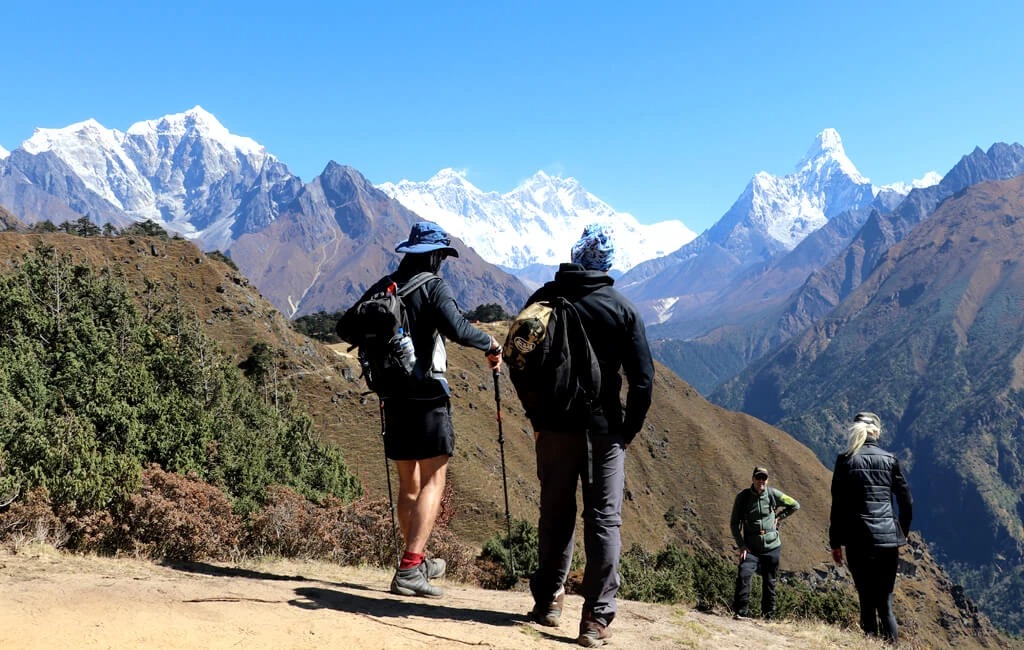 |
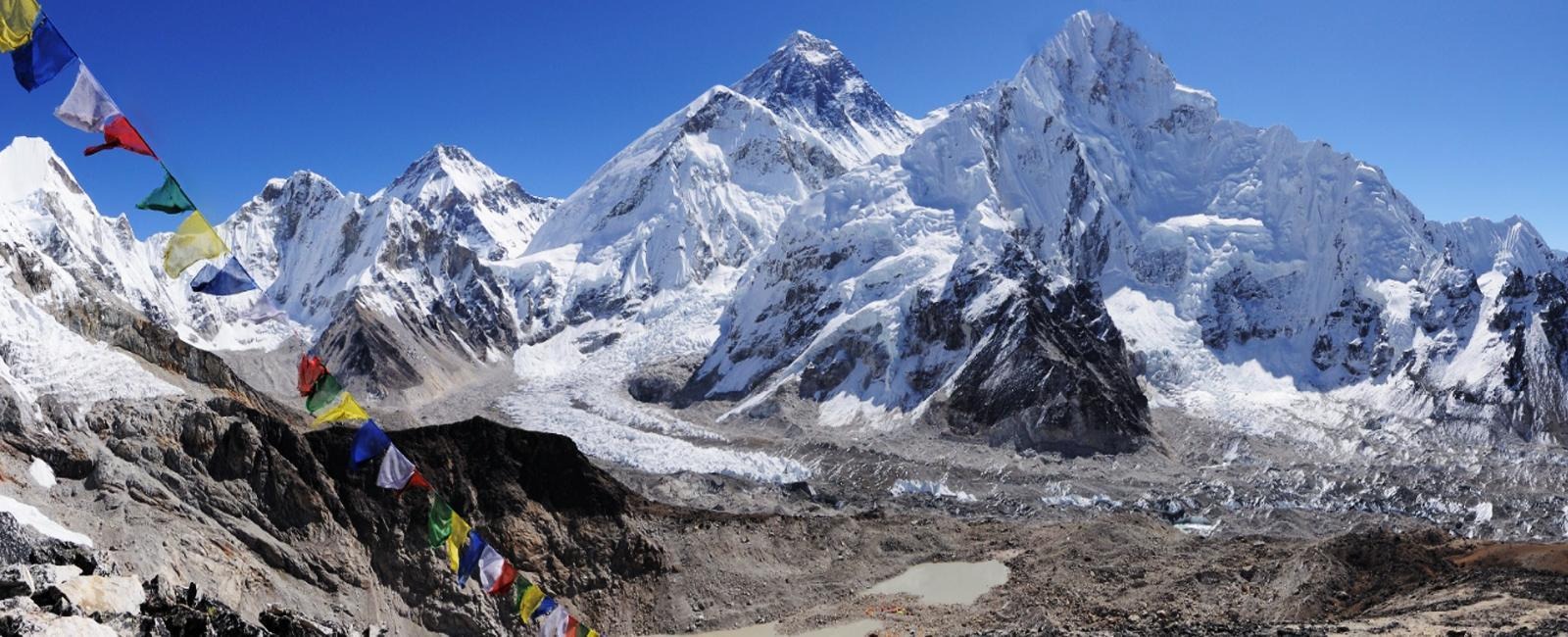
The Everest View Trek is a popular trekking route in Nepal, offering breathtaking views of Mount Everest and the surrounding peaks without requiring the extensive time and physical demands of a full Everest Base Camp trek. This trek is ideal for those who want to experience the beauty and culture of the Everest region within a shorter timeframe and with less strenuous effort.
This trek begins with a thrilling flight from Kathmandu to Lukla. From Lukla, the route takes trekkers through lush forests, traditional Sherpa villages, and across suspension bridges, gradually ascending to Namche Bazaar, the vibrant Sherpa capital. Along the way, trekkers can enjoy the stunning panorama from the Everest View Hotel and visit the sacred Tengboche Monastery, known for its spiritual ambiance and majestic backdrop. The journey also includes interactions with the warm and hospitable Sherpa people, providing a deep insight into their unique culture and way of life. Spanning approximately 7-10 days, the trek balances physical activity with ample time for acclimatization and cultural exploration, making it accessible to a wide range of fitness levels. Overall, the Everest View Trek is a perfect blend of adventure, scenic splendor, and cultural immersion, offering an unforgettable Himalayan experience.
Best Time to Trek the Everest View Trek
The 5 Days Everest View Trek can be undertaken throughout the year, but the best times to experience optimal weather conditions and stunning views are during the pre-monsoon (spring) and post-monsoon (autumn) seasons. Each season offers unique advantages, ensuring a memorable trekking experience.
Spring (March to May)
- Mild Weather: Springtime in the Everest region is characterized by mild and stable weather, making it one of the most popular times for trekking. Daytime temperatures are generally comfortable, ranging from 10°C to 15°C (50°F to 59°F) at lower altitudes, though it can be colder at higher elevations.
- Blooming Rhododendrons: The forests come alive with blooming rhododendrons and other wildflowers, adding vibrant colors to the landscape. This season provides excellent opportunities for nature photography.
- Clear Views: While the early part of the season can have some lingering snow, the skies are usually clear, offering spectacular views of Everest and other peaks.
Autumn (September to November)
- Clear Skies: Autumn is another prime season for trekking, known for its clear skies and excellent visibility. This period offers some of the best panoramic views of the Himalayas, including Mount Everest.
- Moderate Temperatures: Temperatures are moderate, with daytime temperatures ranging from 10°C to 20°C (50°F to 68°F) at lower altitudes. The weather is stable, with minimal rainfall, creating ideal trekking conditions.
- Festivals and Culture: Autumn coincides with several important festivals in Nepal, such as Dashain and Tihar. Trekkers can experience local cultural celebrations and vibrant festivities, adding a rich cultural dimension to the trek.
Winter (December to February)
- Cold Weather: Winter treks are less common due to colder temperatures, especially at higher altitudes where temperatures can drop well below freezing. Daytime temperatures at lower altitudes range from 5°C to 10°C (41°F to 50°F).
- Snow-Covered Trails: While the trails are quieter and less crowded, trekkers need to be prepared for snow-covered paths and potentially challenging conditions.
- Clear Skies: Despite the cold, winter often brings clear skies and stunning views of the snow-capped mountains.
Summer (June to August)
- Monsoon Season: Summer is the monsoon season in Nepal, characterized by heavy rainfall and cloudy conditions. This period is less popular for trekking due to the frequent rain, muddy trails, and increased risk of landslides.
- Lush Greenery: For those who don’t mind the rain, the landscape is incredibly lush and green during this time. However, views of the mountains are often obscured by clouds.
Difficulty of Everest View Trek
This Short Everest View Trek is considered a moderate trek, making it accessible to a wide range of trekkers, including beginners and those with limited trekking experience. While it does not require the extensive physical demands of the full Everest Base Camp trek, it still presents certain challenges, such as high altitudes reaching up to 3,880 meters (12,729 feet) at the Everest View Hotel. The trek involves a gradual ascent, which helps with acclimatization, but the significant altitude gain over a short period can still be demanding.
Trekkers need a reasonable level of fitness to handle daily walks of 4-7 hours on rugged terrain. Additionally, the potential for altitude sickness requires careful acclimatization, particularly with rest days in Namche Bazaar. Overall, while the Everest View Trek is less strenuous than many high-altitude treks, it still requires preparation, fitness, and attention to altitude acclimatization to ensure a safe and enjoyable experience
Optional Extensions and Side Trips
For those with a bit more time, there are several optional extensions and side trips that can enhance the Everest View Trek experience:
- Visit to Thame: A traditional Sherpa village known for its beautiful monastery and connections to famous mountaineers.
- Hike to Kunde and Khunde: These twin villages offer insights into Sherpa culture and beautiful views, as well as the Kunde Hospital, another project of Sir Edmund Hillary.
- Everest Base Camp Helicopter Tour: For those who wish to see Everest Base Camp without the strenuous trek, a helicopter tour can be arranged from Namche Bazaar or Lukla.
 |
 |
Highlights of the Everest View Trek
- Begin your trek with a thrilling and picturesque flight to one of the world’s most dangerous airports, Lukla, surrounded by majestic Himalayan peaks.
- Traverse through stunning landscapes featuring lush forests, cascading rivers, and serene valleys, offering a rich tapestry of natural beauty.
- Discover the vibrant Sherpa capital, Namche Bazaar, known for its bustling markets, charming cafes, and as a crucial acclimatization stop for trekkers.
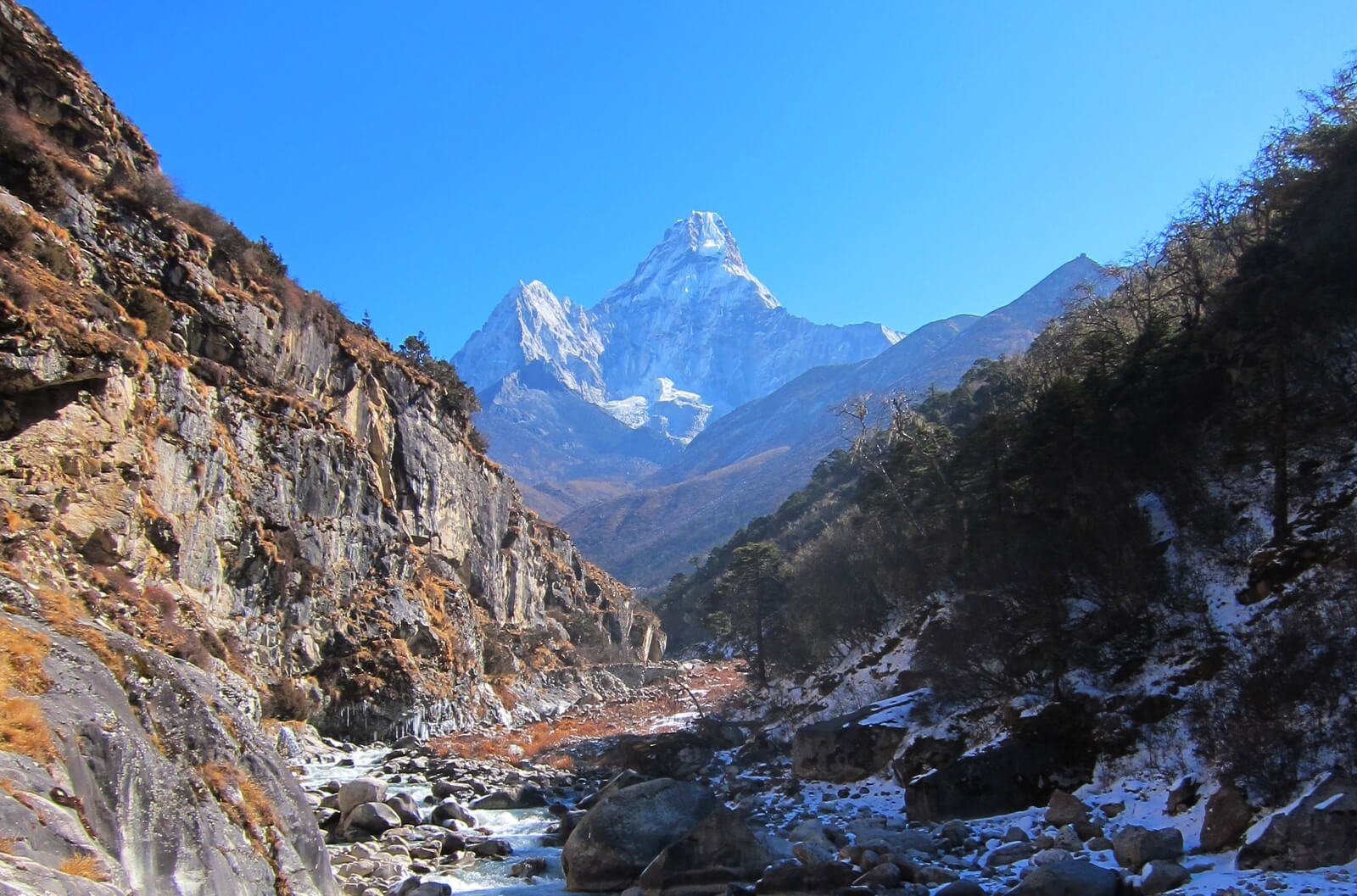
- Experience panoramic views of the Himalayas, including the towering Mount Everest, Lhotse, Ama Dablam, and many more iconic peaks.
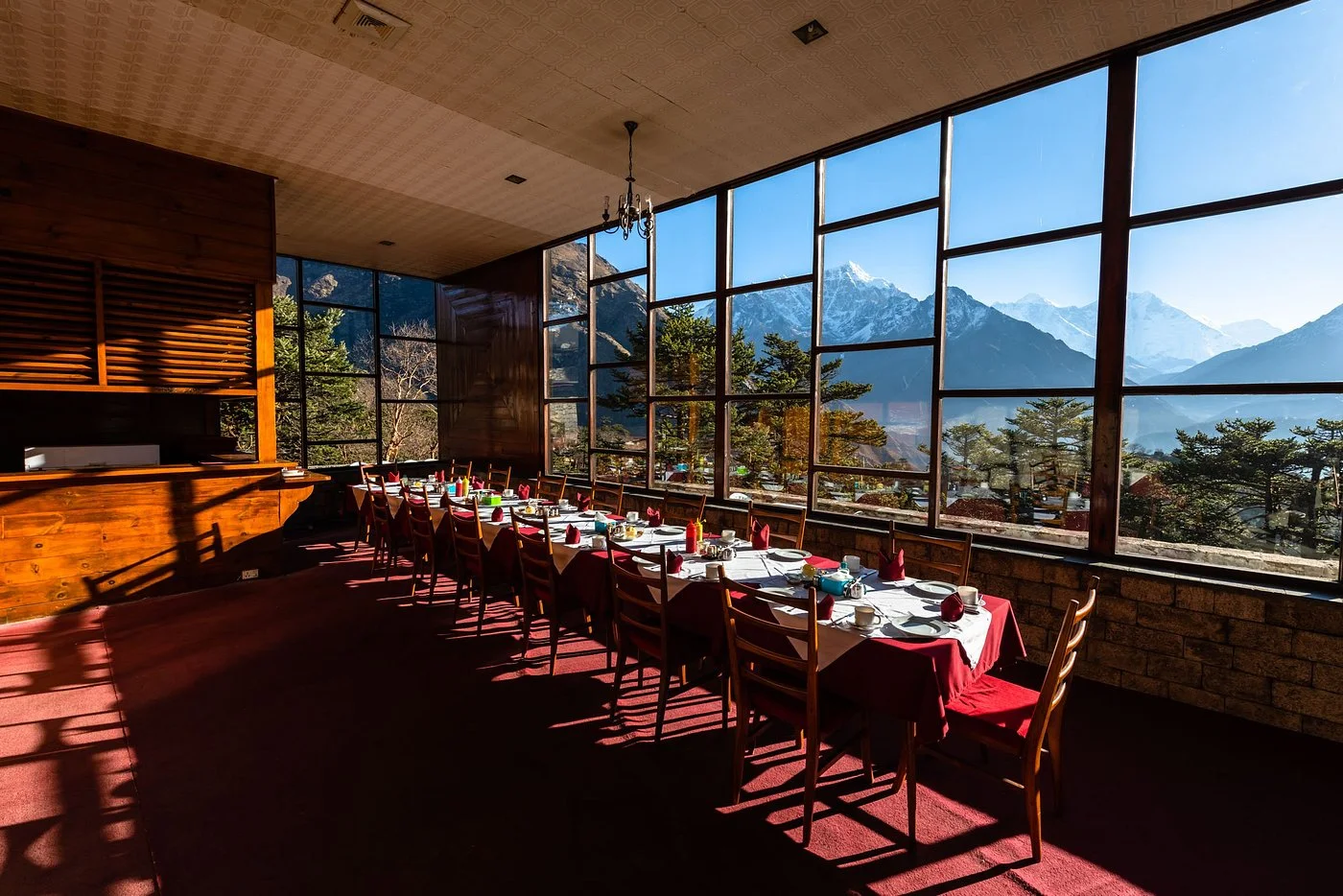
- Visit the renowned Everest View Hotel situated at 3,880 meters, offering breathtaking vistas of the surrounding mountains from its unique vantage point.
- Immerse yourself in the rich Sherpa culture, witnessing traditional festivals, customs, and daily life in the scenic Khumjung village.
- Explore the diverse and exotic Himalayan wildlife in areas around Namche, Phakding, and Manjo villages, encountering rare species in their natural habitats.
Itinerary of Everest View Trek
Day 1: Flight from Kathmandu to Lukla and Trek to Phakding
Flight to Lukla (2,860 meters / 9,383 feet): The adventure kicks off with a scenic 35-minute flight from Kathmandu to Lukla, a small town perched on the side of a mountain. The flight itself is an exhilarating experience, offering spectacular views of the Himalayan range.
Trek to Phakding (2,610 meters / 8,562 feet): Upon arrival in Lukla, trekkers begin their journey with a gentle 3-4 hour walk to Phakding. This initial trek is relatively easy, following the Dudh Kosi River through pine forests and small Sherpa villages.

Activity
Trekking
Max Altitude
2860mDay 2: Phakding to Namche Bazaar
Trek to Namche Bazaar (3,440 meters / 11,286 feet): This day involves a more challenging ascent, taking approximately 6-7 hours. Trekkers cross several suspension bridges and pass through the entrance of Sagarmatha National Park, a UNESCO World Heritage Site. The trail offers the First View of Everest from Namche in the distance. The final ascent to Namche Bazaar is steep but rewarding, leading to the bustling Sherpa capital.
Activity
Trekking
Max Altitude
3440mDay 3: Acclimatization Day in Namche Bazaar
Acclimatization and Exploration: Namche Bazaar, situated at 3,440 meters, is the perfect place to acclimatize. An acclimatization day is crucial to prevent altitude sickness. Trekkers can explore the town, visit the Sherpa Culture Museum, and hike up to the Everest View Hotel (3,880 meters / 12,729 feet) for stunning panoramic views of Everest and other surrounding peaks. This optional hike helps with acclimatization by following the “climb high, sleep low” principle.
Activity
Acclimatization
Max Altitude
3882mDay 4: Namche Bazaar to Tengboche
Trek to Tengboche (3,860 meters / 12,664 feet): The trek to Tengboche takes about 5-6 hours and involves both ascents and descents. The trail offers continuous views of Everest, Lhotse, and Ama Dablam. Upon reaching Tengboche, trekkers can visit the famous Tengboche Monastery, one of the most significant monasteries in the region. The serene atmosphere and breathtaking mountain backdrop make this a memorable stop.
Activity
Trekking
Max Altitude
3860mDay 5: Tengboche to Khumjung
Trek to Khumjung (3,780 meters / 12,402 feet): After exploring Tengboche, the trek continues to Khumjung, a large Sherpa village nestled at the foot of the sacred mountain Khumbila. The trek takes about 4-5 hours. Khumjung is known for its beautiful views and the Hillary School, established by Sir Edmund Hillary. The village also houses the Khumjung Monastery, which supposedly has a Yeti scalp.
Activity
Trekking
Max Altitude
3780mDay 6: Khumjung to Namche Bazaar
Return to Namche Bazaar (3,440 meters / 11,286 feet): The trek back to Namche Bazaar takes about 3-4 hours. Trekkers can revisit some of the sites they might have missed earlier, enjoy the local cafes, and do some last-minute shopping. This day also serves as a buffer to ensure acclimatization before descending further.
Activity
Trekking
Max Altitude
3440mDay 7: Namche Bazaar to Lukla
Trek to Lukla (2,860 meters / 9,383 feet): The descent to Lukla takes approximately 6-7 hours. Trekkers retrace their steps along the Dudh Kosi River, passing through forests and villages. This final day of trekking provides an opportunity to reflect on the journey and savor the last moments in the Khumbu region.
Max Altitude
2860mDay 8: Flight from Lukla to Kathmandu
Includes/Excludes
What's included?
- Airport pick up and drop in a private vehicle
- Kathmandu Sightseeing
- 2 nights accommodation at a 3 star hotel in Kathmandu
- Breakfast and Welcome Dinner in Kathmandu
- Best accommodation options during the trek
- Government licensed trekking guide and a porter
- All the permits and entry fees required for the trek
- Trip completion certificate
What's not included?
- Foods during the trek
- Nepal Visa and Travel Insurance
- Tips for drivers, guides and porters
- Any soft or alcoholic beverages consumed during the trek
- Personal trekking gears
- Other expenses that are not mentioned in the inclusive
Trip Information - Good to Know
Trip Reviews
 Write a Review








- Best Price Guarantee
- Secure & easy booking
- Easy trip date changes
- Discount for groups


How to book a trip?

make free inquiry

confirm the trip
