


Kanchenjunga Base Camp Trek

Trip Duration
21 Days Days
Group Sizes
2-12 People People
Transportation
Flight/Walk
Destination
Kanchenjunga Base Camp Trek
Max. Altitude
5143
Nature of Trip
Trekking
Best Season
Mar-May, Oct-Nov
Activities
- Trekking
- Wilderness

Difficulty
Challenging
Meals
- Hotel/Teahouse Breakfast
- Teahouse/Camp Lunch
- Teahouse/Camp Dinner

Start & End Point
Kathmandu
Accommodation
- Teahouse
- Camping
- Hotel
Overview of Kanchenjunga Base Camp Trek
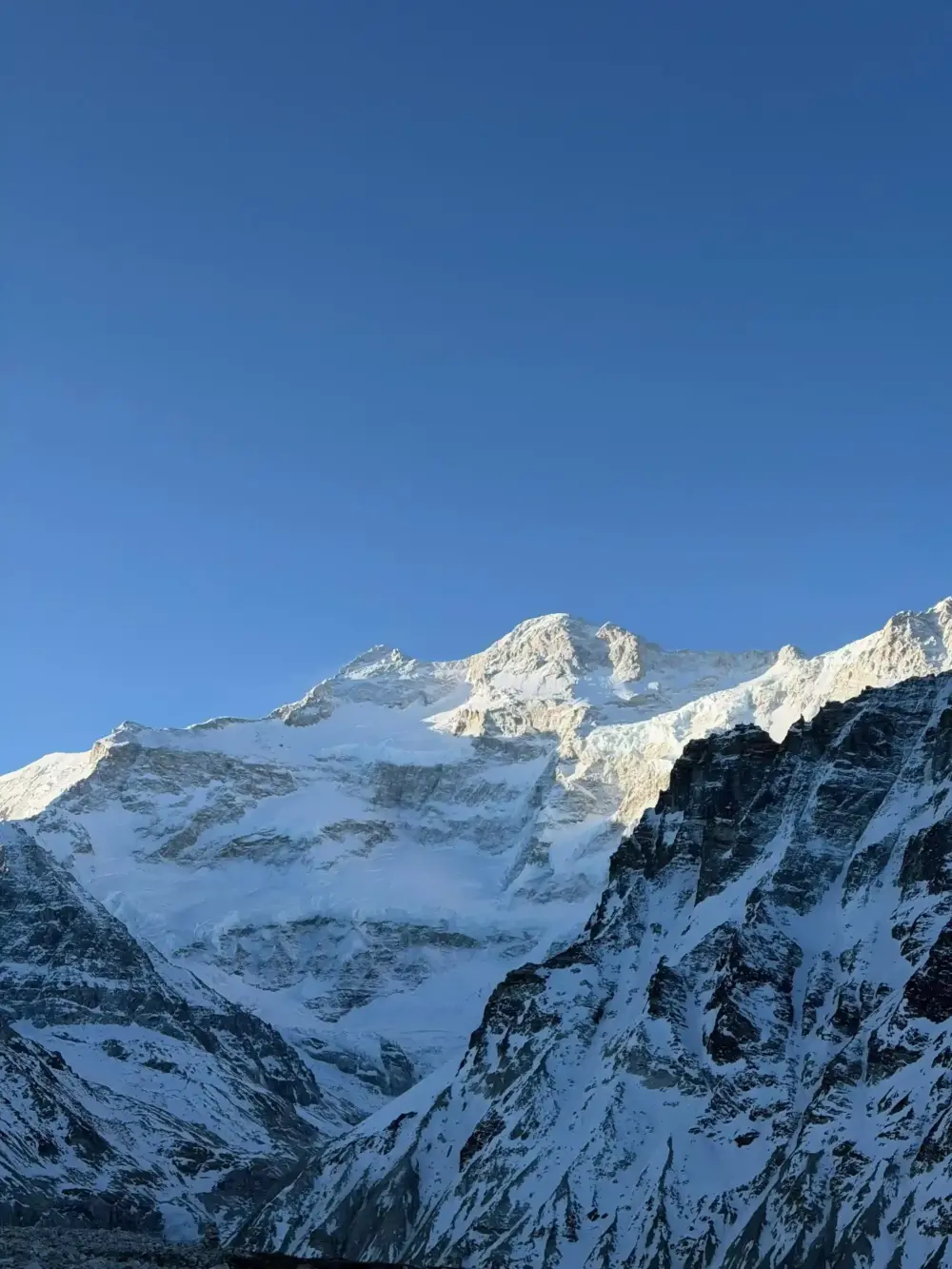
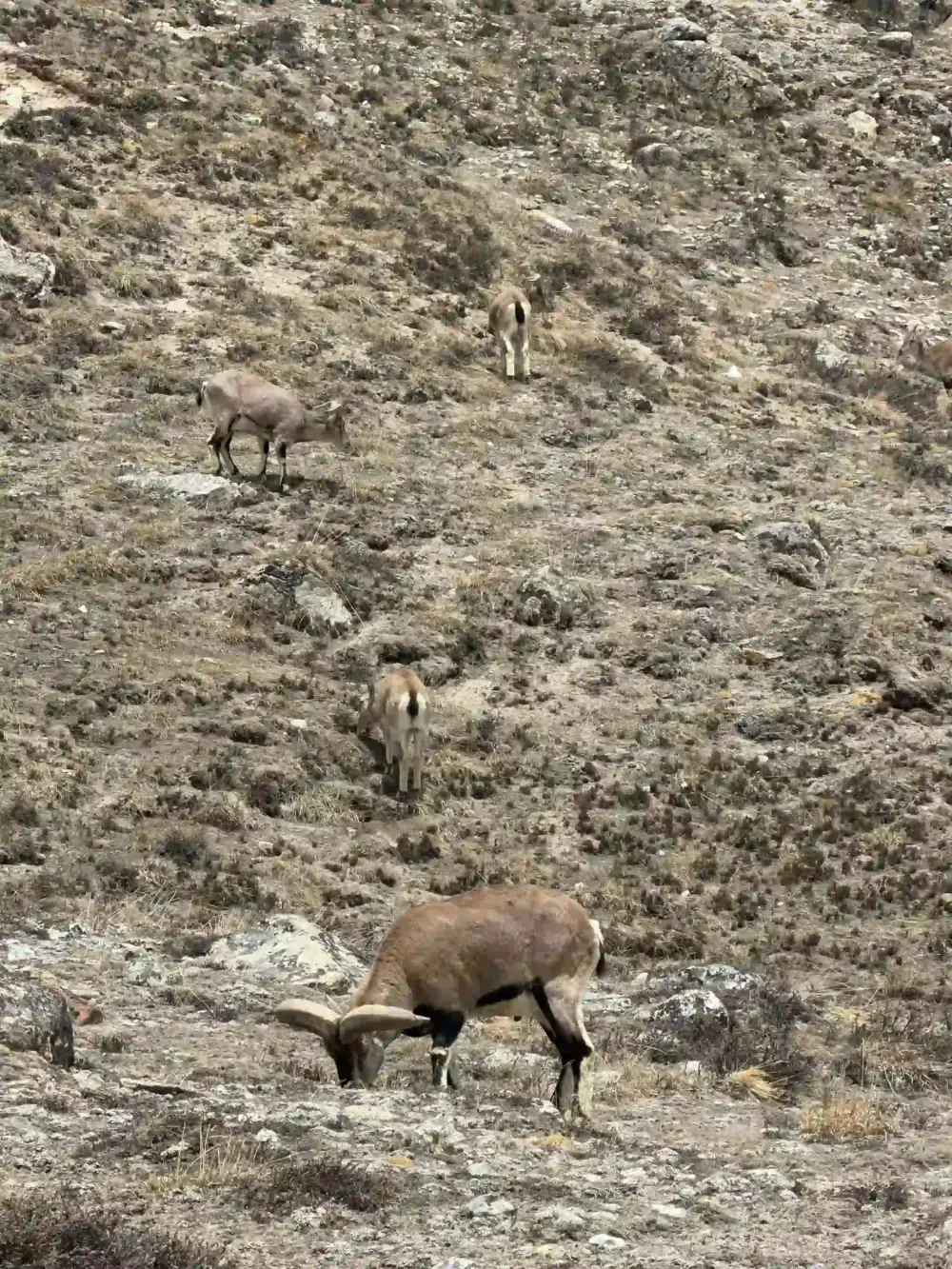
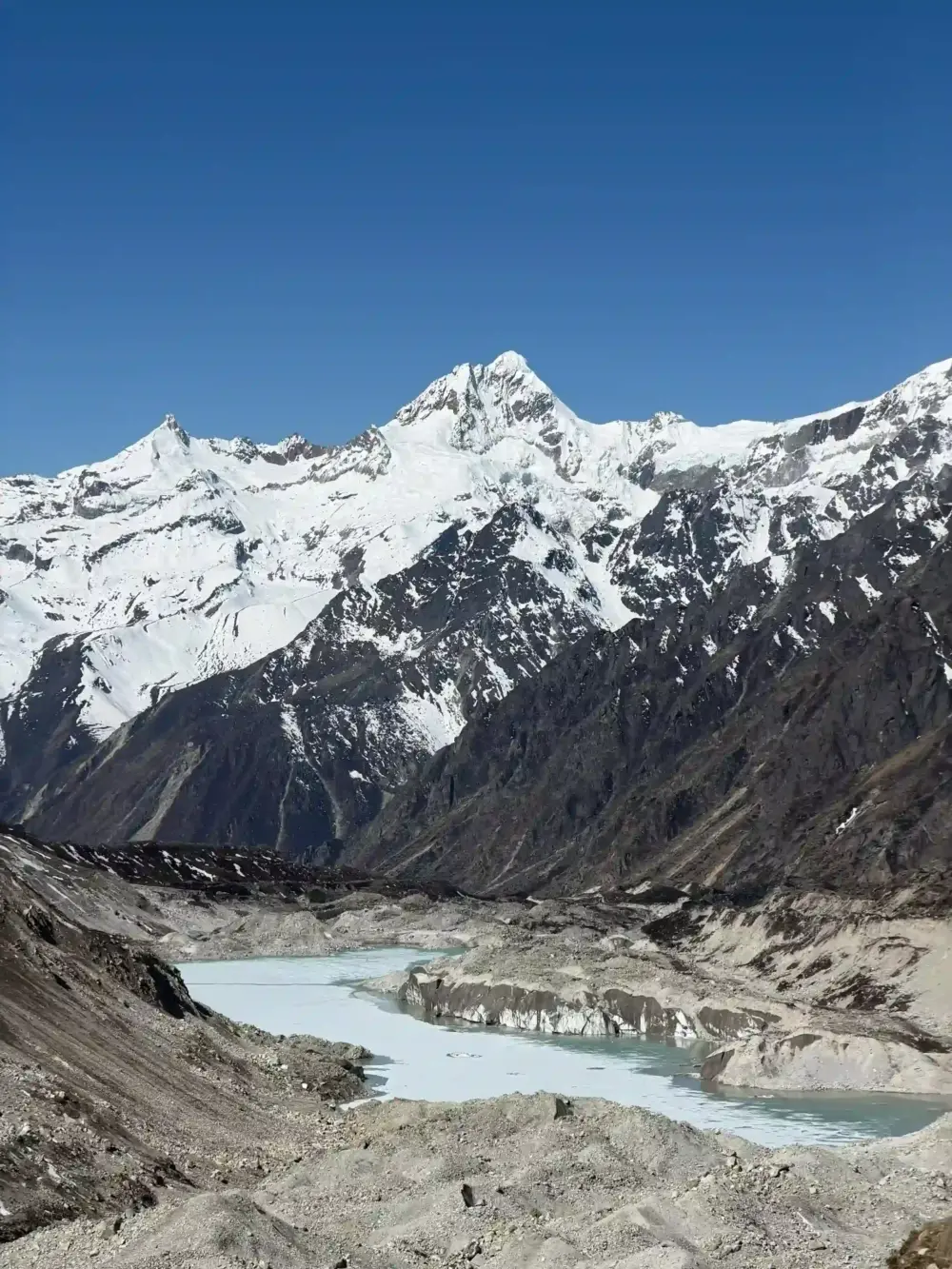
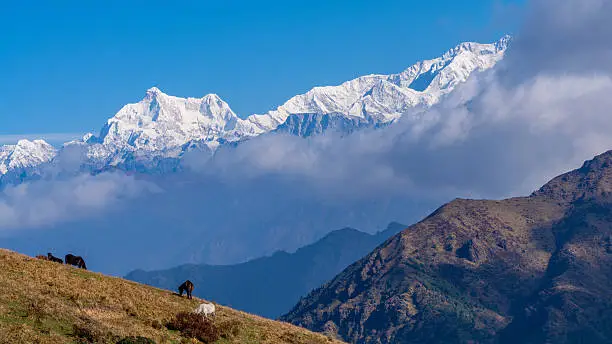
The Kanchenjunga Base Camp Trek ventures into Nepal’s remote far east to reach the base camps of Kanchenjunga (8,586m) — the world’s third highest mountain — on a 21-day double base camp circuit that visits both the North Base Camp (5,143m) and South Base Camp (4,780m). The Kanchenjunga Conservation Area is one of Nepal’s most pristine and wildlife-rich wilderness areas, home to red pandas, snow leopards, and over 300 bird species. A restricted-area permit is required and trekker numbers are strictly limited.
 |
 |
- Visit both North (5,143m) and South (4,780m) base camps of Kanchenjunga, the world’s 3rd highest peak
- Trek through the pristine Kanchenjunga Conservation Area — minimal tourist impact
- Exceptional wildlife: red panda, snow leopard, Himalayan black bear, and 300+ bird species
- Authentic Limbu and Rai cultural villages in eastern Nepal’s untouched hill country
- One of Nepal’s most remote and rewarding wilderness trekking destinations
- Required restricted permit keeps numbers low for a genuine wilderness experience
Itinerary of Kanchenjunga Base Camp Trek
Day 1: Fly Kathmandu to Taplejung (1,820m) — Trek to Sekathum
Flight to Taplejung in eastern Nepal. Begin trekking through Limbu village country to Sekathum.

Duration
Flight + 4-5 hrs
Activity
Trekking
Accommodation
Teahouse
Meals
L/D
Max Altitude
1820mDay 2: Sekathum to Amjilosa (2,490m)
Trek along the Tamor river gorge through subtropical forest. The trail is remote from the first day.
Duration
5-6 hrs
Activity
Trekking
Accommodation
Teahouse
Meals
B/L/D
Max Altitude
2490mDay 3: Amjilosa to Gyabla (2,730m)
Climb through oak and rhododendron forest. First views of distant snowcapped peaks ahead.
Duration
5-6 hrs
Activity
Trekking
Accommodation
Teahouse
Meals
B/L/D
Max Altitude
2730mDay 4: Gyabla to Ghunsa (3,415m)
Arrive at Ghunsa, the main Tibetan-influenced village and supply hub for the upper Kanchenjunga valley. Ancient monastery worth visiting.
Duration
5-6 hrs
Activity
Trekking
Accommodation
Teahouse
Meals
B/L/D
Max Altitude
3415mDay 5: Acclimatisation — Ghunsa
Rest and explore Ghunsa. Short acclimatisation hike above the village. Visit the Ghunsa monastery and interact with the Tibetan-speaking community.
Duration
Acclimatisation
Activity
Rest/Hike
Accommodation
Teahouse
Meals
B/L/D
Max Altitude
3800mDay 6: Ghunsa to Kambachen (4,040m)
Climb into high-alpine terrain above the treeline. Kambachen sits in a wide valley beneath the Kanchenjunga massif’s northern face.
Duration
5-6 hrs
Activity
Trekking
Accommodation
Teahouse
Meals
B/L/D
Max Altitude
4040mDay 7: Kambachen to Lhonak (4,790m)
Trek through glacial moraine and open alpine terrain. Views of Kanchenjunga’s north face dominate the skyline ahead.
Duration
5-6 hrs
Activity
Trekking
Accommodation
Camp/Teahouse
Meals
B/L/D
Max Altitude
4790mDay 8: Lhonak to Kanchenjunga North Base Camp (5,143m) and Return
Day hike to North Base Camp for close-range views of Kanchenjunga’s massive north face and glaciers. Return to Lhonak.
Duration
7-8 hrs round trip
Activity
Trekking
Accommodation
Camp/Teahouse
Meals
B/L/D
Max Altitude
5143mDay 9: Lhonak to Pangpema (5,040m)
Further exploration of the high Kanchenjunga cirque. Pangpema sits even closer to the mountain’s north wall.
Duration
4-5 hrs
Activity
Trekking
Accommodation
Camp
Meals
B/L/D
Max Altitude
5040mDay 10: Pangpema to Ghunsa (3,415m)
Long descent back to Ghunsa through the glacial valley.
Duration
6-7 hrs
Activity
Trekking
Accommodation
Teahouse
Meals
B/L/D
Max Altitude
3415mDay 11: Ghunsa to Sele La Base (4,290m)
Climb toward the Sele La pass connecting the North and South Kanchenjunga valleys.
Duration
5-6 hrs
Activity
Trekking
Accommodation
Camp
Meals
B/L/D
Max Altitude
4290mDay 12: Cross Sele La (4,290m) — Descend to Tseram (3,870m)
Cross the high ridge connecting the two base camp valleys. Dramatic views of Kanchenjunga from the pass.
Duration
6-7 hrs
Activity
Pass Crossing
Accommodation
Teahouse
Meals
B/L/D
Max Altitude
4290mDay 13: Tseram to Ramche (4,580m) and South Base Camp (4,780m)
Trek to Ramche then hike to Kanchenjunga South Base Camp for the southern perspective on the mountain.
Duration
5-6 hrs
Activity
Trekking
Accommodation
Camp/Teahouse
Meals
B/L/D
Max Altitude
4780mDay 14: Ramche to Tortong (2,995m)
Begin the long descent from the southern Kanchenjunga valley through rhododendron forest.
Duration
6-7 hrs
Activity
Trekking
Accommodation
Teahouse
Meals
B/L/D
Max Altitude
2995mDay 15: Tortong to Yamphudin (2,080m)
Descend to the Simbua Khola valley and the trail village of Yamphudin.
Duration
5-6 hrs
Activity
Trekking
Accommodation
Teahouse
Meals
B/L/D
Max Altitude
2080mDay 16: Yamphudin to Khebang (1,900m)
Trek through lower hill country and Rai villages toward the road access point.
Duration
5-6 hrs
Activity
Trekking
Accommodation
Teahouse
Meals
B/L/D
Max Altitude
1900mDay 17: Khebang to Taplejung — Fly to Kathmandu
Drive to Taplejung and fly back to Kathmandu.
Duration
Drive + Flight
Activity
Travel
Accommodation
Hotel
Meals
B
Max Altitude
1400mDay 18: Rest Day — Kathmandu
Recovery day in Kathmandu. Cultural visits or shopping.
Duration
Rest
Activity
Rest
Accommodation
Hotel
Meals
B
Max Altitude
1400mDay 19: Buffer Day — Kathmandu
Buffer for domestic flight delays.
Duration
Buffer
Activity
Rest
Accommodation
Hotel
Meals
B
Max Altitude
1400mDay 20: Buffer Day 2 — Kathmandu
Second buffer day.
Duration
Buffer
Activity
Rest
Accommodation
Hotel
Meals
B
Max Altitude
1400mDay 21: Final Departure
Transfer to airport for international departure.
Duration
Departure
Activity
Transfer
Accommodation
Hotel
Meals
B
Max Altitude
1400mIncludes/Excludes
What's included?
- 20 nights accommodation (2 hotel Kathmandu, 18 teahouse/camping)
- Domestic flights Kathmandu–Taplejung and return
- All meals on trek
- Licensed senior guide and assistant guide
- Porter team for remote upper sections
- Kanchenjunga Conservation Area permit, Restricted Area Permit, TIMS card
- First-aid kit, pulse oximeter, emergency communications
What's not included?
- International airfare and Nepal visa fees
- Travel, medical, and helicopter evacuation insurance (mandatory)
- Personal gear and high-altitude equipment
- Tips for guide and porter team
- Beverages and personal snacks
Kanchenjunga Base Camp Trek Altitude Chart
Trip Information - Good to Know
Permits
Kanchenjunga Conservation Area permit + Restricted Area Permit (USD 20/week) + TIMS. Minimum 2 trekkers with licensed guide required.
Best Time
Apr–May and Oct–Nov. Trail can have snow above 4,000m outside these windows.
Difficulty
Challenging. Remote terrain with limited infrastructure above Ghunsa. Prior high-altitude experience strongly recommended.
Frequently Asked Questions
Why is Kanchenjunga considered the most remote major trek?
The eastern location, poor road access, and restricted permit system mean very few trekkers visit. Above Ghunsa, you will rarely see other trekking groups — a true wilderness circuit.
Is the double base camp circuit possible?
Yes — the Sele La pass connects the northern and southern Kanchenjunga valleys, allowing both base camps to be visited in a single circuit. This is the recommended approach.
What wildlife can I expect?
Red panda sightings are relatively common in the rhododendron forests below Ghunsa. Snow leopards inhabit the upper valleys. Over 300 bird species include the crimson-horned pheasant and satyr tragopan.
Is a restricted permit required?
Yes — Kanchenjunga requires a Restricted Area Permit (USD 20 per week per person) plus the Conservation Area permit. A minimum of 2 trekkers with a licensed guide is mandatory.
What is the accommodation like?
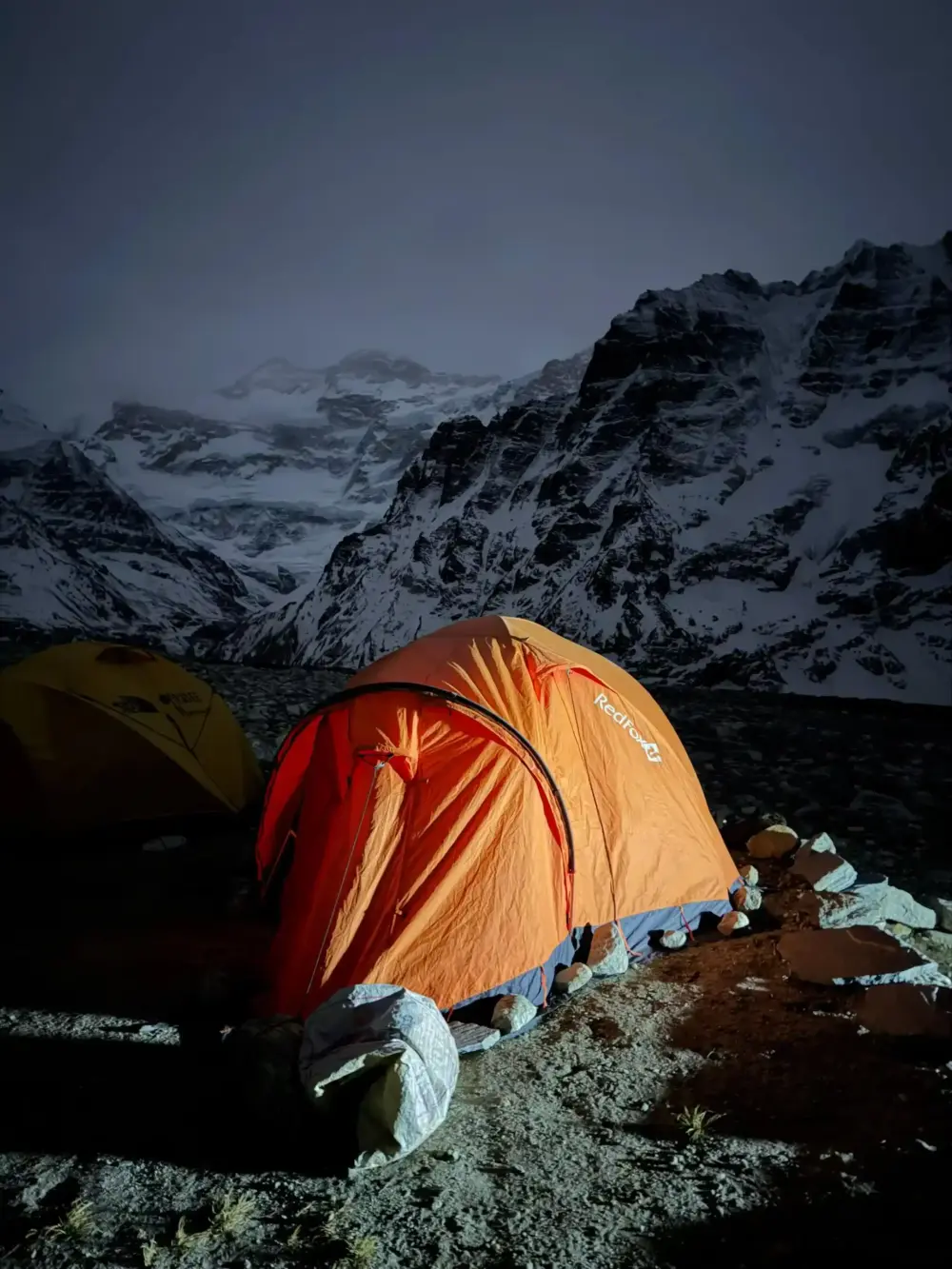
Teahouses exist to Kambachen on the north circuit and Ramche on the south. Above these points, camping is required. Green Horizon Tours provides tents and a cook for the camping sections.
How does this trek compare to EBC?
Kanchenjunga is longer, more remote, and reaches higher altitude. The trail infrastructure is far more basic. The wildlife, cultural authenticity, and wilderness character far exceed what EBC now offers.
Trip Reviews
 Write a Review








- Best Price Guarantee
- Secure & easy booking
- Easy trip date changes
- Discount for groups


How to book a trip?

make free inquiry

confirm the trip
