


Kanchenjunga Base Camp Trek


Trip Duration
23 Days
Group Sizes
0-15 People
Transportation
Ground and Flight
Destination
Kanchenjunga Base Camp Trek
Max. Altitude
5143 m
Nature of Trip
Trekking
Best Season
Spring and Autumn
Activities
- City Tour
- Trekking

Difficulty
Difficult
Meals
- Breakfast
- Lunch
- Dinner

Start & End Point
Kathmandu
Accommodation
- Tea Houses
- 4 star
Overview of Kanchenjunga Base Camp Trek
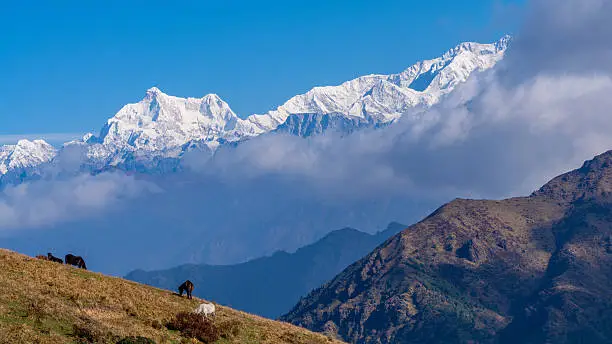
The Kanchenjunga Base Camp Trek is one of the most well-known treks in the Himalayas, and it traverses the eastern region of Nepal. Kanchenjunga is a Nepali word for “crystal clear,” which is where the word comes from. Kanchenjunga is the third-highest peak in the world and is also known as the “Five Treasures of the Great Snow.” These treasures are gold, silver, gemstones, grain, and holy scripture. Kanchenjunga stands at an elevation of 8586 meters above sea level. The Kanchenjunga Conservation Area, which has a total landmass of 2035 square kilometers, is undoubtedly going to be one of the most memorable aspects of this trek. You will pass through a variety of ecosystems, including subtropical forests, glacial moraines, lowland river valleys, alpine grasslands, and steep scree slopes on the way to the Kanchenjunga Base Camp.
The trek also offers a chance to see the wildlife and diverse flora in the region. The trek passes through protected areas such as the Kanchenjunga Conservation Area and the Makalu Barun National Park, which are home to diverse species of birds, animals, and plants. Along the way, trekkers can spot animals like the Himalayan black bear, snow leopard, and red panda, and different species of birds like the pheasant and the blood pheasant. As this is a moderate to strenuous trek, it is recommended to go with a guide and a porter to help with navigation and carrying supplies. This trek is considered a challenging trek and requires proper gear, adequate acclimatization, and a good level of physical fitness. The trek is also demanding in terms of altitude, as it takes trekkers to altitudes of over 5,000 meters. It’s very important to be prepared for any kind of situation and to have a good plan before starting the trek.
Best season for Kanchenjunga Base Camp Trek
The best season for the Kanchenjunga Base Camp Trek is typically considered to be from late September to early December, during the autumn season. During this time, the weather is generally clear and stable, providing good visibility of the mountain and the surrounding landscapes. Additionally, the temperature is also mild, making it more comfortable for trekking. However, even during the best season, the weather in the mountains can be unpredictable, and trekkers should always be prepared for changing conditions.
Difficulty of Kanchenjunga Base Camp Trek
The Kanchenjunga Base Camp Trek is a challenging trek that takes around two weeks to complete and involves hiking through rugged terrain, crossing high passes, and camping at elevations of up to 5,000 meters. Physical fitness and prior trekking experience are required, as well as the ability to adapt to high altitude. The trek offers stunning views and an opportunity to experience local culture, but it is not as well-maintained and developed as other trekking routes.
Fitness for Kanchenjunga Base Camp Trek
A good level of fitness is required for the Kanchenjunga Base Camp trek, as it includes almost three weeks of non-stop trekking while carrying a backpack. The trek is long (220 kilometers), and it is fairly difficult. The landscape is typically rugged, with rocky trails and some lengthy hills. There are a few locations in the area of the main bases where the use of small ropes to assist movement across rocky terrain may be required. These are for people’s safety and to help them get over the rocky areas that are relatively short. However, climbing abilities are not required to complete the hike.
 |
|
Highlights of the Kanchenjunga Base Camp Trek
- Breathtaking vistas of neighboring Himalayan giants such as Kanchenjunga and Jannu, as well as distant views of the eastern slopes of Makalu and Everest.
- Follow the raging glacial torrents of the Tamur and Ghunsa Rivers all the way back to where they begin on the north-western edge of the Kanchenjunga Himal.
- Travel to isolated areas inhabited by the Gurung, Limbu, Rai, and Sherpa peoples and visit their villages.
- Embark on a difficult journey that will take you through a region that is rarely traveled by hikers.
- A diverse variety of wild animals, including blue sheep, musk deer, snow leopards, and black bears
- Trekking on Yalung Glacier
- Stunning mountain scenery with verdant pine, bamboo, and rhododendron-covered terraces.
- The opportunity to go between Kanchenjunga’s two base camps and explore both of them
Itinerary of Kanchenjunga Base Camp Trek
Day 1: Arrival in Kathmandu (1350m/4429ft)
Upon your arrival at Tribhuvan International Airport in Kathmandu, our representative will greet you and transfer you to your hotel. Spend the day resting or exploring the vibrant streets of Thamel. In the evening, attend a welcome dinner and a briefing session about the trek.

Max Altitude
1350mDay 2: Fly to Bhadrapur and Drive to Taplejung (1820m/5971ft)
You take an early morning flight from Kathmandu to Bhadrapur, enjoying the aerial views of the Himalayas. Upon arrival in Bhadrapur, you will be driven to Taplejung, passing through the beautiful landscapes of the eastern hills of Nepal. This scenic drive will take around 8-9 hours. Spend the night in Taplejung, preparing for the trek.
Max Altitude
1820mDay 3: Trek to Mitlung (921m/3021ft)
Your trekking adventure begins today. You descend towards the Tamor River, passing through several small villages and lush terraced fields. The trail is mostly downhill and easy. Enjoy the picturesque surroundings and interact with the local villagers. Overnight at a teahouse in Mitlyng.

Duration
4-5 hours
Activity
Trekking
Max Altitude
923mDay 4: Trek to Chirwa (1270m/4167ft)
Today’s trail takes you through forested areas and along the riverbank. You pass by Limbu and Rai villages, experiencing the local culture and hospitality. The trail involves a mix of ascents and descents. You eventually arrive at Chirwa, a small village surrounded by lush greenery. Explore the village and enjoy the local hospitality. Overnight at a teahouse in Chirwa.
Duration
5-6 hours
Activity
Trekking
Max Altitude
1270mDay 5: Trek to Sekathum (1660m/5446ft)
You follow the trail that ascends and descends through lush forests. Cross several suspension bridges and pass through the village of Tapethok before reaching Sekathum. The landscape becomes more rugged as you move deeper into the mountains. The trail involves some steep ascents, but the beautiful scenery makes it worthwhile. Overnight at a teahouse in Sekathum.
Duration
5-6 hours
Activity
Trekking
Max Altitude
1659mDay 6: Trek to Amjilosa (2510m/8235ft) Duration: 6-7 hours
You continue your trek through dense forests and along the riverbank, passing through beautiful waterfalls and small settlements. The trail becomes steeper and more challenging as you ascend to Amilosa. The higher altitude and rugged terrain require a slower pace and careful walking. Overnight at a teahouse in Amilosa.
Activity
Trekking
Max Altitude
2510mDay 7: Trek to Yabla (2730m/8956ft)
Today’s trail takes you through dense bamboo, rhododendron, and oak forests. The trail gradually ascends to Gyabla, a small village with stunning views of the surrounding mountains. The air gets cooler as you gain altitude. Take your time to enjoy the natural beauty and serenity of the region. Overnight at a teahouse in Yabla.
Duration
5-6 hours
Activity
Trekking
Max Altitude
2730mDay 8: Trek to Ghunsa (3595m/11796ft)
You trek through a beautiful forested trail, crossing several small streams and bridges. The path gradually ascends to Ghunsa, a picturesque Sherpa village. Ghunsa is a significant stop on the trek, offering a chance to interact with the local Sherpa community and visit the local monastery. Overnight at a teahouse in Ghunsa.
Duration
6-7 hours
Activity
Trekking
Max Altitude
3595mDay 9: Acclimatization Day at Ghunsa
To help acclimatize, you spend the day in Ghunsa. You can take a short hike to the Lapsang La Pass for a stunning view of the surrounding peaks or explore the village and its monasteries. This day is crucial for adjusting to the higher altitude and preventing altitude sickness. Overnight at a teahouse in Ghunsa.
Activity
Acclimatization
Max Altitude
3595mDay 10: Trek to Khambachen (4050m/13287ft)
You leave Ghunsa and trek through meadows and along the river. The trail offers magnificent views of the mountains and leads you to Khambachen, a beautiful campsite. The altitude and terrain make the trek more challenging, but the stunning scenery makes it worthwhile. Overnight at a teahouse in Khambachen.
Duration
5-6 hours
Activity
Trekking
Max Altitude
4050mDay 11: Acclimatization Day at Khambachen
You spend another day acclimatizing to the altitude. A short hike to Nuphchu Khola Valley is recommended for better acclimatization and to enjoy the splendid views of the peaks. Rest and prepare for the higher altitudes ahead. This day also allows you to explore the local surroundings and take in the majestic mountain views. Overnight at a teahouse in Khambachen.
Activity
Acclimatization
Max Altitude
4050mDay 12: Trek to Lhonak (4780m/15682ft)
You continue your trek along the glacial rivers and moraines, with the views becoming more dramatic as you approach Lhonak. The campsite here offers spectacular views of the surrounding peaks. The air is thin, so take it slow and stay hydrated. Overnight at a teahouse in Lhonak.
Duration
6-7 hours
Activity
Trekking
Max Altitude
4780mDay 13: Trek to Pangpema (5143m/16873ft) - Kanchenjunga North Base Camp and return to Lhonak
Today is the highlight of your trek as you reach Kanchenjunga North Base Camp at Pang Pema. The stunning views of Kanchenjunga and other towering peaks are unforgettable. After soaking in the views and capturing the moment with photos, you return to Lhonak for the night. Overnight at a teahouse in Lhonak.
Duration
7-8 hours
Activity
Trekking
Max Altitude
5143mDay 14: Trek to Ghunsa (3595m/11796ft)
You retrace your steps back to Ghunsa, enjoying the familiar landscapes and the descent, which is relatively easier. Take time to rest and reflect on your journey so far. The descent offers a chance to appreciate the beauty of the trail from a different perspective. Overnight at a teahouse in Ghunsa.
Duration
6-7 hours
Activity
Trekking
Max Altitude
3595mDay 15: Trek to Sele Le (4290m/14074ft)
Today’s trek takes you through dense rhododendron and juniper forests as you make your way to Sele Le. The trail is steep and challenging but rewarding with its beautiful surroundings. The views from the passes are breathtaking. Overnight at a teahouse in Sele Le.
Duration
6-7 hours
Activity
Trekking
Max Altitude
4290mDay 16: Trek to Cheram (3870m/12697 ft)
You cross several passes today, including Sinelapche La, Mirgin La, and Sinion La, before descending to Cheram. The views of the mountains and valleys along the way are breathtaking. Take time to capture the stunning scenery and enjoy the challenging yet rewarding trek. Overnight at a teahouse in Cheram.
Duration
6-7 hours
Activity
Trekking
Max Altitude
3870mDay 17: Trek to Ramche (4580m/15026ft)
You follow the trail along the Yalung Glacier, enjoying spectacular views of Kabru and Rathong peaks. The trail takes you to Ramche, where you can explore the area and take in the stunning scenery. Prepare for your visit to the south base camp. Overnight at a teahouse in Ramche.
Duration
4-5 hours
Activity
Trekking
Max Altitude
4580mDay 18: Explore Kanchenjunga South Base Camp and trek back to Cheram
Today, you trek to Kanchenjunga South Base Camp, also known as Yalung Base Camp. The views of Kanchenjunga and the surrounding peaks are awe-inspiring. After spending some time at the base camp, you return to Cheram. Overnight at a teahouse in Cheram.
Duration
7-8 hours
Activity
Exploring and TrekkingDay 19: Trek to Tortong (2995m/9826ft)
You descend through the forested trail, passing several small villages and enjoying the lush greenery before reaching Tortong. The descent is a welcome change after the high altitudes. Overnight at a teahouse in Tortong.
Duration
5-6 hours
Activity
Trekking
Max Altitude
2995mDay 20: Trek to Yamphudin (2080m/6824ft)
Today’s trek takes you through beautiful landscapes, crossing rivers and climbing hills before reaching Yamphudin, a multi-ethnic village. Interact with the locals and learn about their way of life. Overnight at a teahouse in Yamphudin.
Duration
6-7 hours
Activity
Trekking
Max Altitude
2080mDay 21: Trek to Khebang (1915m/6283 ft)
You follow the trail that descends through the forested areas and terraced fields. You pass by several small settlements before arriving at Khebang. Enjoy the peaceful environment and the friendly villagers. Overnight at a teahouse in Khebang.
Duration
5-6 hours
Activity
Trekking
Max Altitude
1915mDay 22: Trek to Happukhola (1740m/5709ft) and Drive to Birtamod
Your last day of trekking takes you to Happukhola, from where you take a scenic drive to Birtamod. Enjoy the last views of the mountains as you make your way back to civilization. Overnight at a hotel in Birtamod.
Duration
4-5 hours trekking, 6-7 hours driving
Activity
Trekking
Max Altitude
1740mDay 23: Drive to Bhadrapur and Fly to Kathmandu
Includes/Excludes
What's included?
- Airport pick up and drop in a private vehicle
- Kathmandu Sightseeing
- 2 nights accommodation at a 3 star hotel in Kathmandu
- Breakfast and Welcome Dinner in Kathmandu
- Best accommodation options during the trek
- Government licensed trekking guide and a porter
- All the permits and entry fees required for the trek
- Trip completion certificate
What's not included?
- Foods during the trek
- Nepal Visa and Travel Insurance
- Tips for drivers, guides and porters
- Any soft or alcoholic beverages consumed during the trek
- Personal trekking gears
- Other expenses that are not mentioned in the inclusive
Trip Information - Good to Know
Additional Informations
Flights and Transportation
You will start the Kanchenjunga Base Camp Trek with a domestic flight to Bhadrapur. During the trek, transportation will mainly be on foot, but there may be some sections where you can take a jeep or a local bus. It is recommended to use a local travel agency for a smooth and safe trip, as they can handle all the necessary logistics, permits, and guide arrangements. Note that the Kanchenjunga Trek is in a remote area, so the infrastructure and transportation options may be limited.
High Altitude Sickness
The Kanchenjunga Base Camp Trek takes place at high altitude, and trekkers should be aware of the risk of high altitude sickness. It’s important to acclimatize properly and to be aware of the symptoms of high altitude sickness, such as headache, nausea, fatigue, and shortness of breath. If these symptoms occur, it’s important to descend to a lower altitude immediately.
Weather and Climate
The best season for the trek is typically considered to be from late September to early December, during the autumn season. During this time, the weather is generally clear and stable, providing good visibility of the mountain and the surrounding landscapes. However, the weather in the mountains can be unpredictable, and trekkers should always be prepared for changing conditions.
Permit
A TIMS card and Kanchenjunga Conservation Area Permit (KCAP) are required for the trek.
- TIMS permit – $10 per person
- KCAP – $ 20 per person
- Kanchenjunga Restricted Area Permit – $20 per person/week
Trekking Days
The Kanchenjunga Base Camp trek usually takes around 3 weeks, depending on the itinerary and the trail you take. It includes a day of sightseeing in Kathmandu before starting the trek and a few days of acclimatization to habituate to the higher altitude.
Food and Drinking Water
The food options will be limited and will be provided by the trekking crew and will consist of a mix of local and western dishes. Trekkers should inform the crew of any dietary restrictions or allergies before the trek. Drinking water is not always available on the trek, and it’s important to bring a water purification system or to purchase purified water along the way.
Electricity, Telephone, and Internet
During the trek, electricity, telephone, and internet services are limited and may not be available in some areas. It’s important to bring a power bank or extra batteries for electronic devices. Some tea houses and lodges along the trail may have electricity to charge your phones and cameras, but it is not guaranteed. There may be limited telephone and internet access in some villages along the trail, but it can be unreliable.
Trekking Grade
The Kanchenjunga Base Camp Trek is considered a strenuous trek and is recommended for experienced trekkers with a good level of fitness.
Trekking Crew and Leader
The trek will be led by an experienced trekking guide, who will be accompanied by a team of porters. The guide will be responsible for leading the trek, making camp and meal arrangements, and providing information on the local culture and environment.
Customized Itinerary
You can customize your itinerary based on your schedule, interests, and physical fitness. You can also add or remove days to the itinerary as per your preference.
Trip Extensions
You can extend your trip by visiting other trekking destinations in Nepal, such as Everest Base Camp, Annapurna Base Camp, Langtang or Manaslu Circuit, etc. You can also add cultural tours, rafting, or jungle safari to your itinerary.
Trip Reviews
 Write a Review








- Best Price Guarantee
- Secure & easy booking
- Easy trip date changes
- Discount for groups


How to book a trip?

make free inquiry

confirm the trip
