


Upper Mustang Trek


Trip Duration
14 Days Days
Group Sizes
2-12 People People
Transportation
Flight/Drive/Walk
Destination
Upper Mustang Trek
Max. Altitude
3840
Nature of Trip
Trekking,Cultural
Best Season
May-Oct
Activities
- Trekking
- Cultural Immersion
- Sightseeing

Difficulty
Moderate
Meals
- Teahouse Breakfast
- Teahouse Lunch
- Teahouse Dinner

Start & End Point
Kathmandu/Pokhara
Accommodation
- Teahouse
- Guesthouse
Overview of Upper Mustang Trek
 |
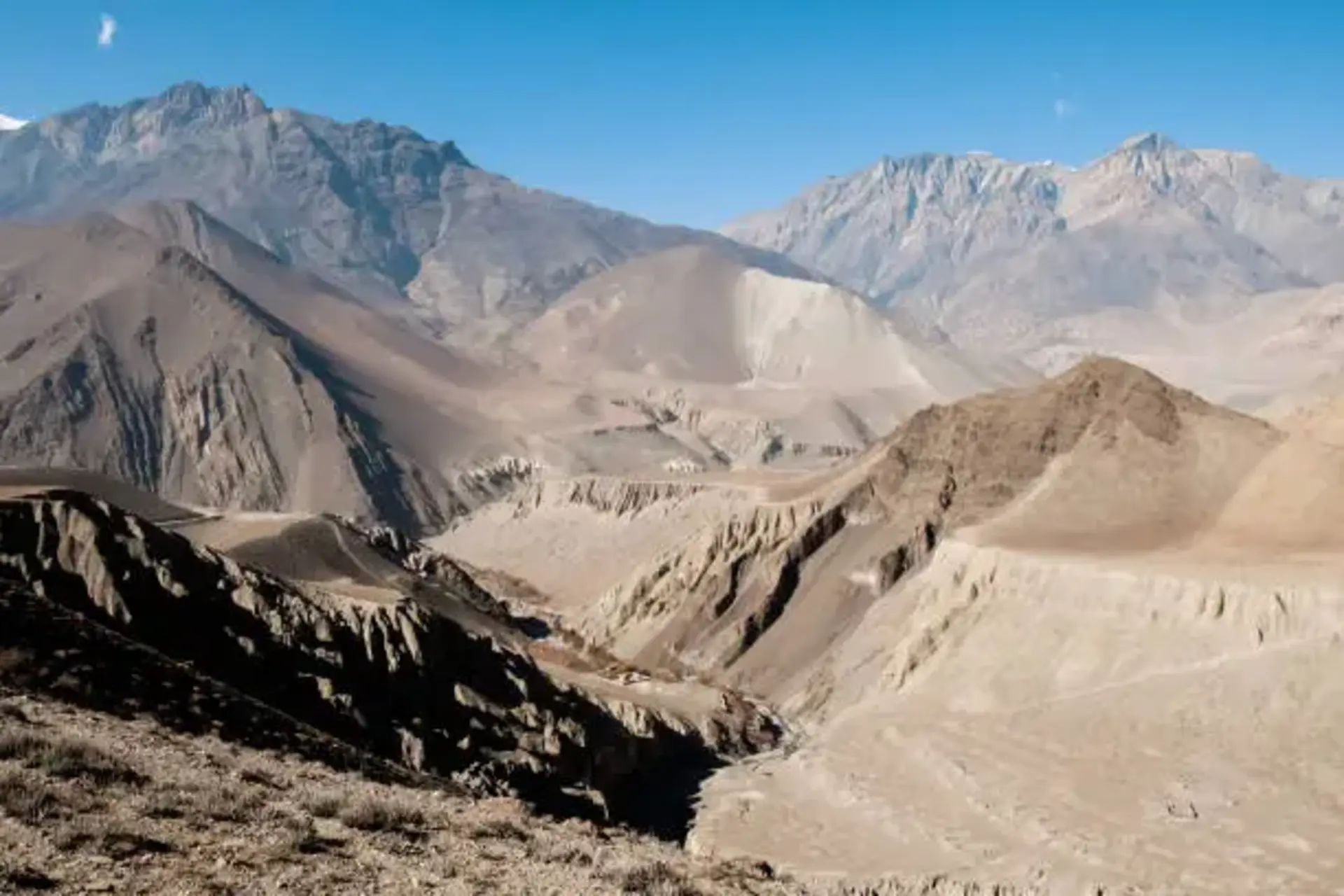 |
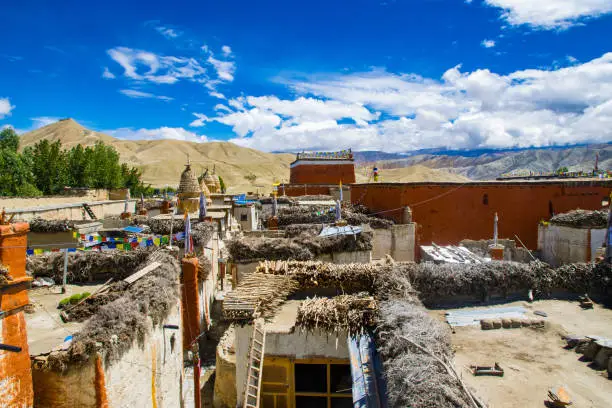
The Upper Mustang Trek leads into one of Nepal’s last forbidden kingdoms — a restricted trans-Himalayan plateau north of the Annapurna and Dhaulagiri ranges where ancient Tibetan Buddhist culture has been preserved in near-perfect isolation for centuries. The walled city of Lo Manthang, ancient cave monasteries carved into ochre cliffs, and a landscape that resembles the Tibetan plateau more than Nepal make this one of the world’s most unique trekking destinations. A special restricted-area permit is required.
 |
 |
 |
 |
- Explore Lo Manthang, the medieval walled capital of the Kingdom of Lo (founded ~1380 CE)
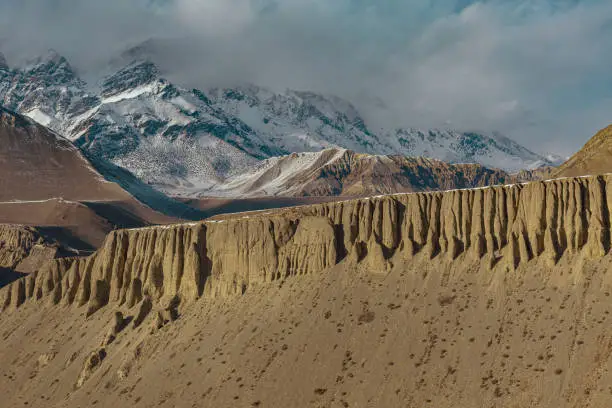
- Trek through dramatic ochre, red, and purple canyon landscapes in the Himalayan rain shadow
- Visit ancient cave monasteries and hermitages carved into towering cliff faces
- Experience living Tibetan Buddhist culture unchanged by modern influences
- Walk the ancient salt trade route connecting Nepal and Tibet
- Restricted region: permit limits keep the trail uncrowded year-round
Itinerary of Upper Mustang Trek
Day 1: Fly Kathmandu to Pokhara — Drive to Jomsom (2,720m)
Flight to Pokhara then drive up the Kali Gandaki gorge to Jomsom, the gateway to Mustang.

Duration
Flight + Drive
Activity
Travel
Accommodation
Hotel
Meals
L/D
Max Altitude
2720mDay 2: Jomsom to Kagbeni (2,810m)
Trek north from Jomsom along the Kali Gandaki to Kagbeni — the last village before the restricted zone. Permit checks here.
Duration
3-4 hrs
Activity
Trekking
Accommodation
Teahouse
Meals
B/L/D
Max Altitude
2810mDay 3: Kagbeni to Chele (3,050m)
Enter the restricted Upper Mustang zone. The landscape immediately transforms: ochre canyon walls, wind-eroded cliffs, ancient chortens. Chele is the first village inside the restricted area.
Duration
5-6 hrs
Activity
Trekking
Accommodation
Teahouse
Meals
B/L/D
Max Altitude
3050mDay 4: Chele to Syangboche (3,800m)
Cross the Taklam La ridge (3,624m) and Nyi La (4,010m) for dramatic views of the Annapurna and Dhaulagiri ranges from the Mustang plateau edge.
Duration
6-7 hrs
Activity
Trekking
Accommodation
Teahouse
Meals
B/L/D
Max Altitude
3800mDay 5: Syangboche to Ghami (3,520m)
Descend to the Ghami valley. Visit the longest mani wall in Nepal (500+ metres) and the Ghami Monastery with its ancient murals.
Duration
5-6 hrs
Activity
Trekking
Accommodation
Teahouse
Meals
B/L/D
Max Altitude
3520mDay 6: Ghami to Tsarang (3,700m)
Pass through Charang village and visit Tsarang Monastery — one of the largest in Mustang with a priceless collection of thangkas and ceremonial masks.
Duration
5-6 hrs
Activity
Trekking
Accommodation
Teahouse
Meals
B/L/D
Max Altitude
3700mDay 7: Tsarang to Lo Manthang (3,840m)
Arrive at the walled city of Lo Manthang — the ancient capital of the Kingdom of Lo. Wander the medieval lanes, visit the royal palace, and explore the ancient gompas within the walls.
Duration
4-5 hrs
Activity
Trekking
Accommodation
Teahouse
Meals
B/L/D
Max Altitude
3840mDay 8: Lo Manthang Exploration Day
Full day in Lo Manthang. Visit Jampa, Thubchen, and Chodhe monasteries. Optional day hike to Namgyal Gompa on the cliff above the city. Evening with local monks if permitted.
Duration
Rest/Explore
Activity
Cultural
Accommodation
Teahouse
Meals
B/L/D
Max Altitude
3840mDay 9: Lo Manthang to Drakmar (3,810m)
Return journey south via an alternative trail. Drakmar’s red cliffs and cave complexes are among Mustang’s most dramatic landscapes.
Duration
5-6 hrs
Activity
Trekking
Accommodation
Teahouse
Meals
B/L/D
Max Altitude
3810mDay 10: Drakmar to Ghiling (3,570m)
Traverse the high plateau through open windswept terrain. Ghiling has a fine old monastery and sweeping views of the Mustang plateau.
Duration
5-6 hrs
Activity
Trekking
Accommodation
Teahouse
Meals
B/L/D
Max Altitude
3570mDay 11: Ghiling to Kagbeni (2,810m)
Final descent through the restricted zone. Exit permit check at Kagbeni.
Duration
5-6 hrs
Activity
Trekking
Accommodation
Teahouse
Meals
B/L/D
Max Altitude
2810mDay 12: Kagbeni to Jomsom — Drive to Pokhara
Short walk to Jomsom then drive or fly back to Pokhara through the Kali Gandaki gorge.
Duration
2 hrs + Drive
Activity
Travel
Accommodation
Hotel
Meals
B/L
Max Altitude
820mDay 13: Pokhara to Kathmandu (flight or bus)
Return to Kathmandu by 25-min flight or 6-hr bus.
Duration
Flight/Drive
Activity
Travel
Accommodation
Hotel
Meals
B
Max Altitude
1400mDay 14: Final Departure
Transfer to Tribhuvan International Airport.
Duration
Departure
Activity
Transfer
Accommodation
Hotel
Meals
B
Max Altitude
1400mIncludes/Excludes
What's included?
- 13 nights accommodation (2 hotel Kathmandu/Pokhara, 11 teahouse/guesthouse)
- Domestic flights Kathmandu–Pokhara–Jomsom or drive option
- All meals on trek
- Licensed guide (mandatory by law in restricted area)
- Upper Mustang Restricted Area Permit, ACAP permit, TIMS card
- Jeep transport Jomsom–Kagbeni as needed
What's not included?
- International airfare and Nepal visa fees
- Upper Mustang RAP fee (USD 500/person for first 10 days)
- Travel and medical insurance (mandatory)
- Personal gear and clothing
- Tips for guide and porter
Upper Mustang Trek Altitude Chart
Trip Information - Good to Know
Restricted Area Permit
Upper Mustang requires a Restricted Area Permit (USD 500 per person for the first 10 days). Independent trekking is illegal — a licensed guide is mandatory by law.
Best Time
May–October. Mustang lies in the rain shadow and can be trekked during monsoon when other regions are too wet.
Difficulty
Moderate. Maximum altitude 3,840m at Lo Manthang. Daily walking 4–7 hrs on mostly flat or gently rolling terrain.
Frequently Asked Questions
Why is Upper Mustang so restricted?
Nepal limits Upper Mustang permits to protect the fragile Tibetan Buddhist culture and ecosystem. The USD 500 permit fee funds conservation and community development.
Can I trek in Upper Mustang during monsoon?
Yes — Mustang is one of Nepal’s only year-round trekking destinations because it lies in the Himalayan rain shadow. May–October is the main season; June–August is excellent.
Is Lo Manthang accessible by road?
A road now reaches Lo Manthang but most trekkers walk the traditional route. Trekking gives a far better cultural experience and sense of arrival.
What language do people speak in Upper Mustang?
The Loba people of Upper Mustang speak a dialect of Tibetan. Younger residents also speak Nepali and some English.
Is the Tiji Festival worth timing a visit around?
Absolutely — the Tiji Festival (May) is one of Nepal’s most spectacular religious events, with three days of masked dances and ceremonies at Lo Manthang. Book very early.
How difficult is the altitude in Upper Mustang?
Lo Manthang is at 3,840m — comparable to Namche Bazaar on the EBC route. The gradual ascent from Kagbeni and the flat plateau terrain makes altitude less of a concern than on higher routes.
Trip Reviews
 Write a Review
- Best Price Guarantee
- Secure & easy booking
- Easy trip date changes
- Discount for groups


How to book a trip?

make free inquiry

confirm the trip
