


10 Hidden Sherpa Villages Most Trekkers Miss on the Everest Trail
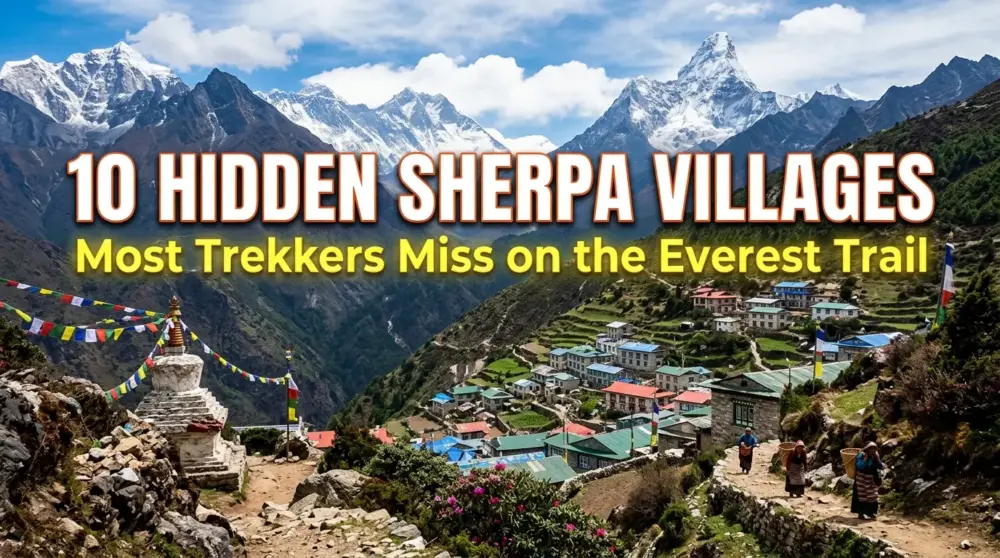
The Everest region is one of the world’s most iconic trekking destinations. Every year, thousands of adventurers travel to Nepal to follow the legendary trail toward Everest Base Camp, passing through bustling mountain towns such as Lukla, Namche Bazaar, Tengboche, and Dingboche. While these destinations undoubtedly deserve their reputation, they represent only part of the story.
Beyond the main trekking route lies a network of hidden Sherpa villages where traditional Himalayan life continues much as it has for generations. These lesser-known settlements offer a unique opportunity to experience authentic Sherpa culture, visit centuries-old monasteries, and connect with local communities away from the crowds.
For international trekkers seeking more than just mountain views, exploring these villages can transform an ordinary Everest trek into a deeper cultural journey. From remote valleys and ancient trade routes to villages home to legendary Everest climbers, these hidden gems reveal the true heart of the Khumbu region.
In this guide, we’ll explore ten hidden Sherpa villages that most trekkers miss on the Everest Trail and explain why they deserve a place on your Nepal trekking itinerary.
Why Explore Hidden Sherpa Villages on the Everest Trail?
Many travelers come to the Everest region with a single goal: reaching Everest Base Camp. While standing beneath the world’s highest mountain is an unforgettable achievement, the journey itself often becomes the most rewarding part of the experience.
Hidden Sherpa villages provide:
- Authentic cultural encounters
- Peaceful trails away from crowded trekking routes
- Historic monasteries and sacred Buddhist sites
- Traditional Sherpa hospitality
- Unique perspectives of Everest and surrounding peaks
- Opportunities to support local communities
These villages offer insight into the lives of the Sherpa people, whose history, resilience, and mountaineering achievements have become inseparable from the story of Everest itself.
1. Khumjung – The Cultural Heart of the Everest Region
Located at an elevation of approximately 3,790 meters, Khumjung is one of the most beautiful villages in the Khumbu region. Despite its proximity to Namche Bazaar, many trekkers simply pass by without exploring what is arguably one of the most culturally significant settlements in the Everest region.
Surrounded by terraced fields and overlooked by the sacred peak of Khumbila, Khumjung is known for its distinctive green-roofed stone houses. The village provides a fascinating glimpse into traditional Sherpa life while also showcasing the impact of modern education and community development.
One of the village’s most famous attractions is Khumjung Monastery, which houses a mysterious relic believed by some locals to be connected to the legendary Yeti. Whether fact or folklore, the monastery remains an important cultural site and offers visitors insight into Sherpa spiritual traditions.
Khumjung is also home to the Khumjung School, established by Sir Edmund Hillary in 1961. The school continues to play a vital role in education throughout the region and stands as a lasting symbol of the relationship between local communities and international mountaineering history.
For photographers, the views of Ama Dablam from Khumjung are among the finest in the Everest region. Early mornings often reward visitors with clear skies and spectacular mountain panoramas.
Highlights of Khumjung
- Khumjung Monastery and Yeti legend
- Traditional Sherpa architecture
- Sir Edmund Hillary School
- Excellent acclimatization stop
- Stunning Ama Dablam views
2. Kunde – A Hidden Himalayan Gem Above Namche
Just a short walk from Khumjung lies the peaceful village of Kunde. Often overshadowed by its neighboring settlement, Kunde offers one of the most authentic cultural experiences available in the Everest region.
The village sits beneath towering Himalayan peaks and remains remarkably quiet compared to more popular trekking destinations. Its stone pathways, prayer walls, and traditional homes create an atmosphere that feels timeless.
One of Kunde’s most significant landmarks is Kunde Hospital, established through the Himalayan Trust founded by Sir Edmund Hillary. The hospital continues to provide healthcare services to local communities and demonstrates the lasting impact of sustainable development initiatives in the region.
Visitors who spend time in Kunde are often struck by the warmth of local hospitality. Unlike busier villages where tourism dominates daily life, interactions here feel more personal and genuine.
The surrounding landscapes are equally impressive. Walking trails around the village provide magnificent views of Everest, Lhotse, Ama Dablam, and Thamserku, making it a rewarding destination for trekkers interested in both culture and scenery.
Why Visit Kunde?
- Peaceful atmosphere
- Rich local culture
- Historic Himalayan healthcare project
- Incredible mountain vistas
- Less crowded than nearby trekking hubs
3. Thame – Birthplace of Everest Legends
Located west of Namche Bazaar along an ancient trading route to Tibet, Thame is one of the oldest and most historically important Sherpa villages in Nepal.
Unlike the main Everest Base Camp trail, the route to Thame remains relatively quiet. This allows visitors to experience a side of the Khumbu region that feels more traditional and less influenced by mass tourism.
Thame is famous as the birthplace of numerous legendary mountaineers, including Apa Sherpa, who set records for the number of Everest summits. The village has produced generations of climbers, guides, and expedition leaders whose contributions have shaped Himalayan mountaineering history.
The village monastery, perched dramatically on a hillside, is among the oldest religious sites in the region. Visitors can often witness monks engaged in daily rituals while enjoying panoramic views of surrounding valleys.
Thame’s strategic location along historical trade routes also provides valuable insight into the cultural exchanges that shaped Sherpa society over centuries.
Highlights of Thame
- Ancient Buddhist monastery
- Birthplace of renowned Everest climbers
- Traditional Sherpa culture
- Historic Tibetan trade route
- Excellent acclimatization destination
4. Phortse – The Village of Everest Summiteers
Perched high above the Dudh Koshi Valley at an elevation of around 3,810 meters, Phortse is one of the most fascinating yet underrated villages in the Everest region. While many trekkers follow the standard route through Tengboche and Dingboche, relatively few take the detour to Phortse, missing an opportunity to experience one of the most authentic Sherpa communities in Nepal.
Phortse is often referred to as the “Village of Everest Summiteers” because it has produced an extraordinary number of high-altitude climbers and expedition guides. Many residents have successfully summited Mount Everest multiple times and have worked on major expeditions throughout the Himalayas.
Despite its mountaineering reputation, life in Phortse remains deeply connected to traditional Sherpa culture. Stone houses line narrow pathways, prayer flags flutter above rooftops, and terraced fields continue to support local families.
The village also offers some of the most spectacular views of Ama Dablam, often considered the most beautiful mountain in the Himalayas. The combination of dramatic scenery and rich cultural heritage makes Phortse a rewarding destination for travelers seeking a deeper Everest experience.
Highlights of Phortse
- Home to many legendary Everest guides
- Exceptional views of Ama Dablam
- Authentic Sherpa lifestyle
- Less crowded trekking routes
- Traditional monastery and cultural sites
5. Pangboche – One of the Oldest Sherpa Villages in Nepal
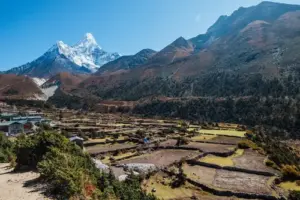
Situated beneath the towering peak of Ama Dablam, Pangboche is widely believed to be one of the oldest permanent Sherpa settlements in the Khumbu region.
Most trekkers pass through Pangboche on their way to Everest Base Camp, but few spend enough time to appreciate its cultural significance. The village has long served as an important spiritual center and remains deeply connected to Buddhist traditions.
The highlight of Pangboche is its historic monastery, which is considered one of the oldest monasteries in the Everest region. Inside, visitors can observe ancient Buddhist artwork, prayer rooms, and sacred relics that have been preserved for generations.
Pangboche’s location also makes it one of the most scenic villages in the Khumbu Valley. The towering presence of Ama Dablam creates a dramatic backdrop unlike any other place on the Everest trail.
For travelers interested in photography, culture, and history, Pangboche is a destination that deserves more than just a brief stopover.
Highlights of Pangboche
- Historic Buddhist monastery
- Stunning Ama Dablam scenery
- Rich Sherpa heritage
- Traditional farming communities
- Excellent cultural immersion opportunities
6. Monjo – The Overlooked Gateway to Sagarmatha National Park
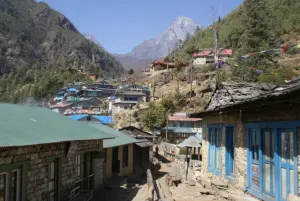
Monjo often serves as a transit point for trekkers entering Sagarmatha National Park. However, this peaceful village offers much more than a simple overnight stop.
Located north of Phakding, Monjo sits beside the Dudh Koshi River and is surrounded by dense forests, suspension bridges, and mountain landscapes. The village provides a quieter alternative to busier settlements further up the trail.
One of the advantages of staying in Monjo is the opportunity to experience village life before reaching the more commercialized areas of the Everest region. Local tea houses, family-run lodges, and traditional homes create a welcoming atmosphere for visitors.
Birdwatchers and nature enthusiasts will also appreciate the area’s biodiversity. The surrounding forests are home to colorful Himalayan bird species and diverse mountain vegetation.
Highlights of Monjo
- Entrance to Sagarmatha National Park
- Peaceful riverside setting
- Traditional Sherpa hospitality
- Scenic forest walks
- Excellent birdwatching opportunities
7. Hidden Communities Around Phakding
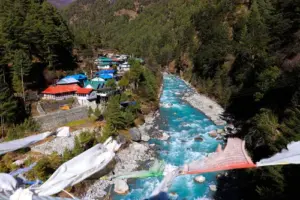
Phakding is typically the first overnight destination after arriving in Lukla. While most trekkers focus on resting before continuing toward Namche Bazaar, the surrounding area contains several small settlements that offer fascinating insights into local life.
These hidden communities are connected by trails that weave through forests, agricultural fields, and riverside landscapes. Walking beyond the main trekking route allows visitors to discover traditional farming practices, local schools, and Buddhist shrines rarely visited by tourists.
The pace of life here remains slower and more traditional than in the busier sections of the Everest trail. Travelers often find that these quieter experiences create some of the most memorable moments of their journey.
Highlights Around Phakding
- Traditional mountain farming
- Quiet village trails
- Local monasteries and shrines
- Authentic cultural encounters
- Scenic riverside landscapes
8. Taringa – An Undiscovered Gem in the Khumbu Region
Taringa remains one of the least-visited Sherpa villages in the Everest region. Located along the route toward Thame, the village offers a glimpse into a side of Khumbu that many trekkers never see.
The settlement is characterized by traditional stone houses, grazing yak pastures, and breathtaking mountain scenery. Tourism has had relatively little impact here, allowing visitors to experience a more authentic version of Himalayan life.
The journey to Taringa is equally rewarding. Trails pass through forests, open valleys, and remote landscapes that feel far removed from the crowded Everest Base Camp route.
For travelers seeking solitude and cultural authenticity, Tarnga represents one of the hidden treasures of the Khumbu Valley.
9. Marulung – Following the Ancient Himalayan Trade Route
Marulung lies further along the historic trade route connecting Nepal and Tibet. For centuries, merchants traveled these trails carrying salt, wool, grain, and other goods between the Himalayas and the Tibetan Plateau.
Today, Marulung remains a small but culturally significant settlement where visitors can still sense the region’s trading heritage.
The surrounding landscapes are characterized by wide valleys, alpine terrain, and dramatic mountain views. The village provides a unique perspective on the historical importance of trade and cultural exchange in shaping Sherpa society.
Highlights of Marulung
- Ancient trade route history
- Traditional Sherpa architecture
- Peaceful mountain environment
- Rich cultural heritage
- Excellent off-the-beaten-path destination
10. Chhukung – More Than a Gateway to Island Peak
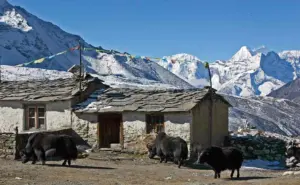
Many trekkers know Chhukung as the starting point for climbing Island Peak or hiking Chhukung Ri. However, the village itself deserves recognition as one of the most scenic settlements in the Everest region.
Located in the upper Imja Valley, Chhukung is surrounded by some of the highest mountains in Nepal, including Lhotse, Nuptse, Ama Dablam, and Island Peak.
The village offers a unique blend of adventure and culture. While mountaineers use it as a base for expeditions, local families continue to maintain traditional Sherpa customs and hospitality.
Spending an extra day in Chhukung allows visitors to explore nearby valleys, enjoy spectacular sunrise views, and gain a deeper appreciation for life in the high Himalayas.
Highlights of Chhukung
- Incredible Himalayan panoramas
- Access to Chhukung Ri
- Traditional Sherpa hospitality
- Gateway to Island Peak
- Excellent photography opportunities
Understanding Sherpa Culture in the Everest Region
The Sherpa people are renowned worldwide for their mountaineering achievements, but their cultural heritage extends far beyond climbing.
Originating from eastern Tibet centuries ago, Sherpas established communities throughout the Khumbu region and developed a unique culture influenced by Tibetan Buddhism and mountain life.
Visitors to Sherpa villages will encounter:
- Prayer wheels and mani walls
- Ancient monasteries
- Colorful prayer flags
- Traditional festivals
- Yak herding practices
- Strong community values
These traditions continue to shape daily life throughout the Everest region.
Local Food to Try in Sherpa Villages
Food plays an important role in understanding local culture. While trekking through hidden Sherpa villages, consider trying:
- Sherpa stew
- Tsampa (roasted barley flour)
- Yak cheese
- Tibetan bread
- Potato dishes
- Butter tea
- Thukpa noodle soup
- Momos
These meals provide both nourishment and insight into the region’s culinary traditions.
Best Time to Visit Hidden Sherpa Villages
Spring (March to May)
Spring brings blooming rhododendrons, comfortable temperatures, and clear mountain views.
Autumn (September to November)
Autumn is considered the best trekking season due to stable weather and excellent visibility.
Winter (December to February)
Winter offers quieter trails and stunning snow-covered landscapes.
Monsoon (June to August)
Although less popular, monsoon season provides lush scenery and fewer tourists.
Responsible Tourism in Sherpa Communities
Responsible travel helps preserve the culture and environment of the Everest region.
Travelers should:
- Respect local customs and religious practices.
- Support locally owned tea houses.
- Reduce plastic waste.
- Ask permission before photographing people.
- Stay on designated trails.
- Purchase local products when possible.
Small actions can make a significant difference in sustaining these mountain communities.
Frequently Asked Questions
Which hidden Sherpa village is best for cultural experiences?
Khumjung, Thame, and Pangboche are among the best villages for experiencing authentic Sherpa culture and Buddhist traditions.
Can hidden Sherpa villages be included in an Everest Base Camp trek?
Yes. Several villages such as Khumjung, Kunde, Pangboche, and Phortse can easily be incorporated into standard Everest itineraries.
Are these villages suitable for beginner trekkers?
Most hidden Sherpa villages are accessible through moderate trekking routes and can be visited by reasonably fit travelers.
What makes Sherpa villages unique?
Sherpa villages combine spectacular Himalayan scenery, Buddhist heritage, traditional architecture, and warm local hospitality.
Conclusion
While Everest Base Camp remains one of the world’s most celebrated trekking destinations, the hidden Sherpa villages of the Khumbu region reveal a richer and more meaningful side of the Himalayas. From the historic monasteries of Pangboche and Thame to the peaceful landscapes of Kunde, Tarnga, and Marulung, these communities offer experiences that go far beyond mountain views.
For international trekkers seeking authentic cultural encounters, quieter trails, and deeper connections with local communities, exploring these hidden villages can become the highlight of an Everest adventure. By stepping beyond the main route, travelers gain a greater appreciation for the people, traditions, and history that have shaped the Everest region for centuries.
Whether you’re planning your first trek to Nepal or returning to discover new corners of the Himalayas, these hidden Sherpa villages provide an unforgettable journey into the heart of Khumbu.


How to book a trip?

make free inquiry

confirm the trip
