


Everest Base Camp Trek: Complete Guide 2026 (Itinerary, Cost & Tips)
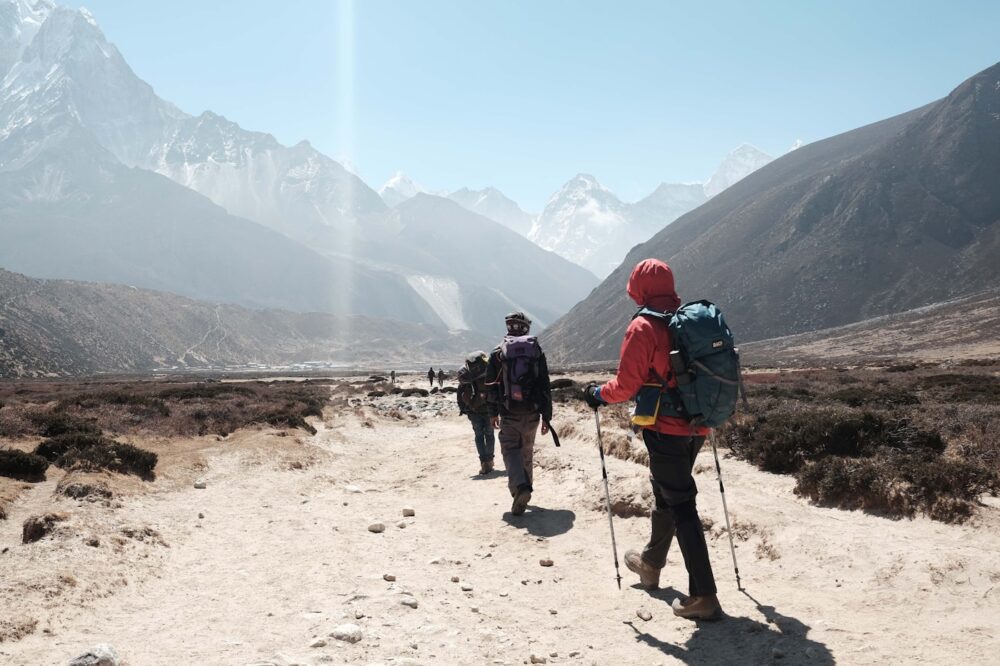
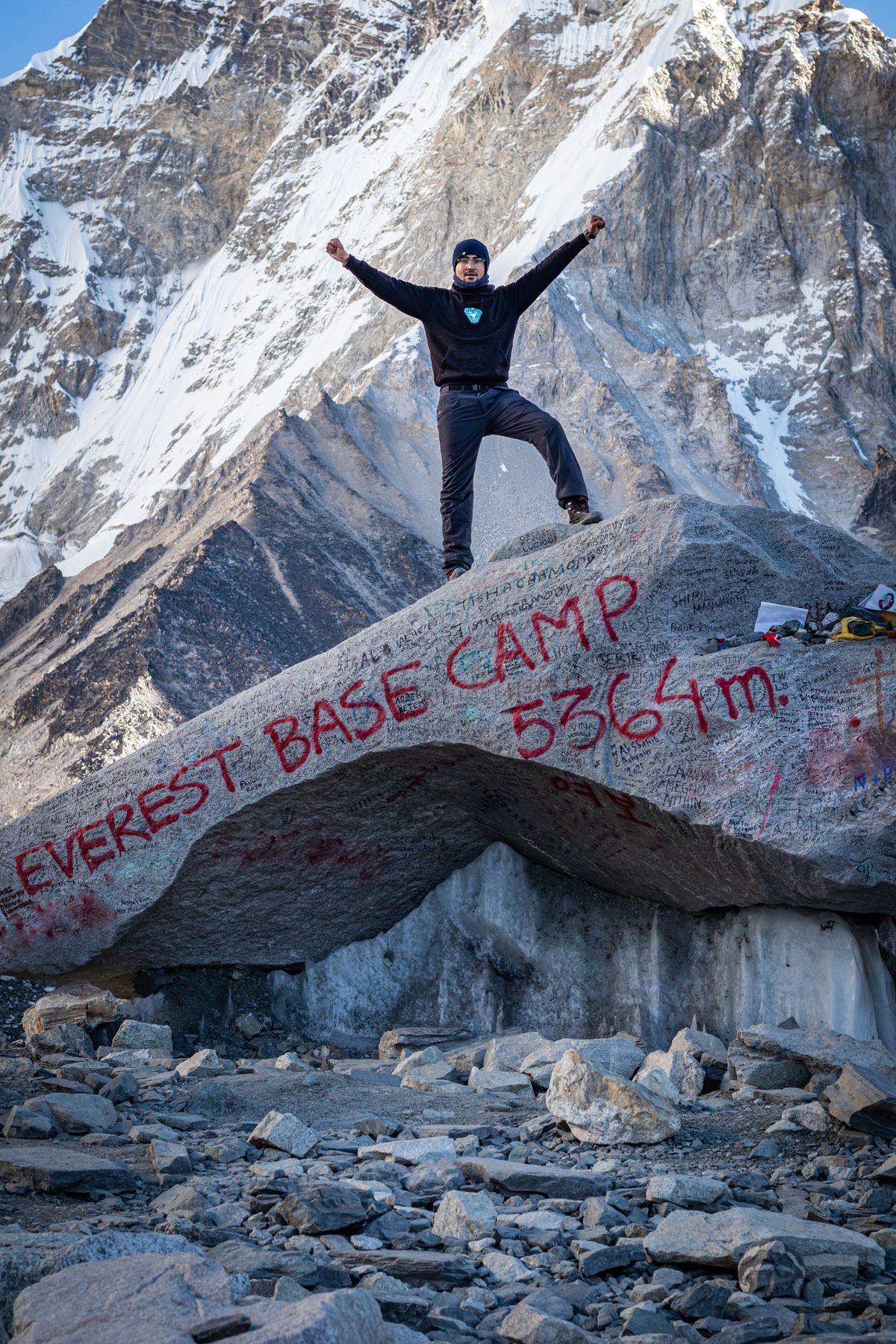
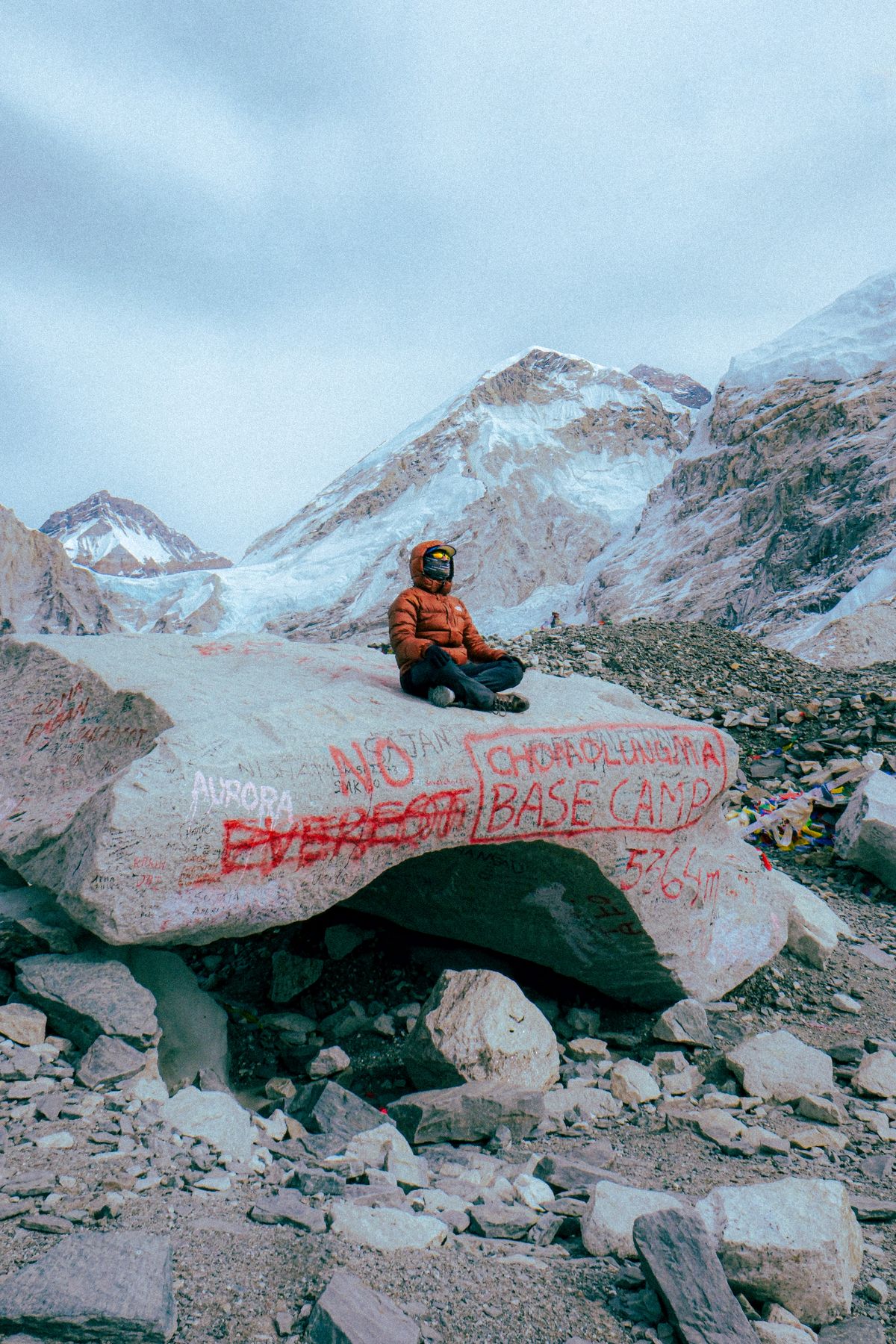
Everest Base Camp trek is the world’s most iconic trekking route — 130 kilometres through the Khumbu Valley, past Sherpa villages, ancient monasteries, and glacial moraines, to the foot of the world’s highest mountain at 5,364 metres (17,598 ft). No technical climbing required. Just your legs, your lungs, and the most spectacular mountain scenery on Earth.
This guide covers everything you need to plan your EBC trek in 2026: the full 14-day itinerary, current permit fees, realistic costs, difficulty level, best seasons, and packing essentials — written by the Nepal trekking experts at Green Horizon Tours & Travels.
⛰ Everest Base Camp Trek — Quick Facts
| Altitude (Base Camp) | 5,364 m / 17,598 ft |
| Highest Trekking Point | Kala Patthar — 5,545 m / 18,192 ft |
| Duration | 12–14 days (round trip from Lukla) |
| Total Distance | ~130 km (80 miles) round trip |
| Starting Point | Lukla (2,860 m) — scenic flight from Kathmandu |
| Difficulty | Moderate — no technical skills required |
| Best Seasons | March–May & September–November |
| Cost Range | USD $1,200–$2,000 (local guided package) |
| Required Permits | Sagarmatha NP Permit + Khumbu Pasang Lhamu Permit |
| Guide Required? | Yes — Nepal mandates a licensed guide (2023 regulation) |
Why Trek to Everest Base Camp?
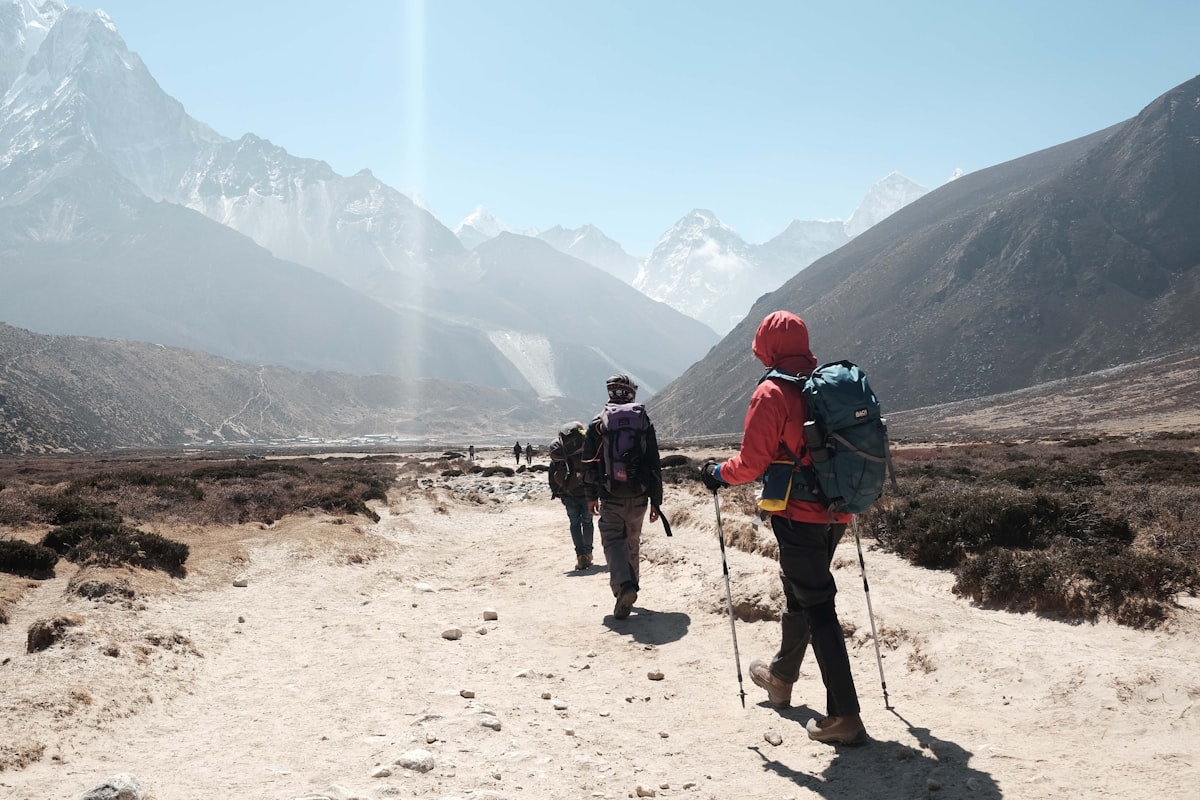
Standing at the foot of Mount Everest (8,849 m) is a profound experience even without climbing a single metre of the actual mountain. The Everest Base Camp trek is a journey through one of the most dramatic and culturally rich landscapes on Earth.
- No mountaineering skills needed. The trek is a walking route — challenging due to altitude, not technical terrain.
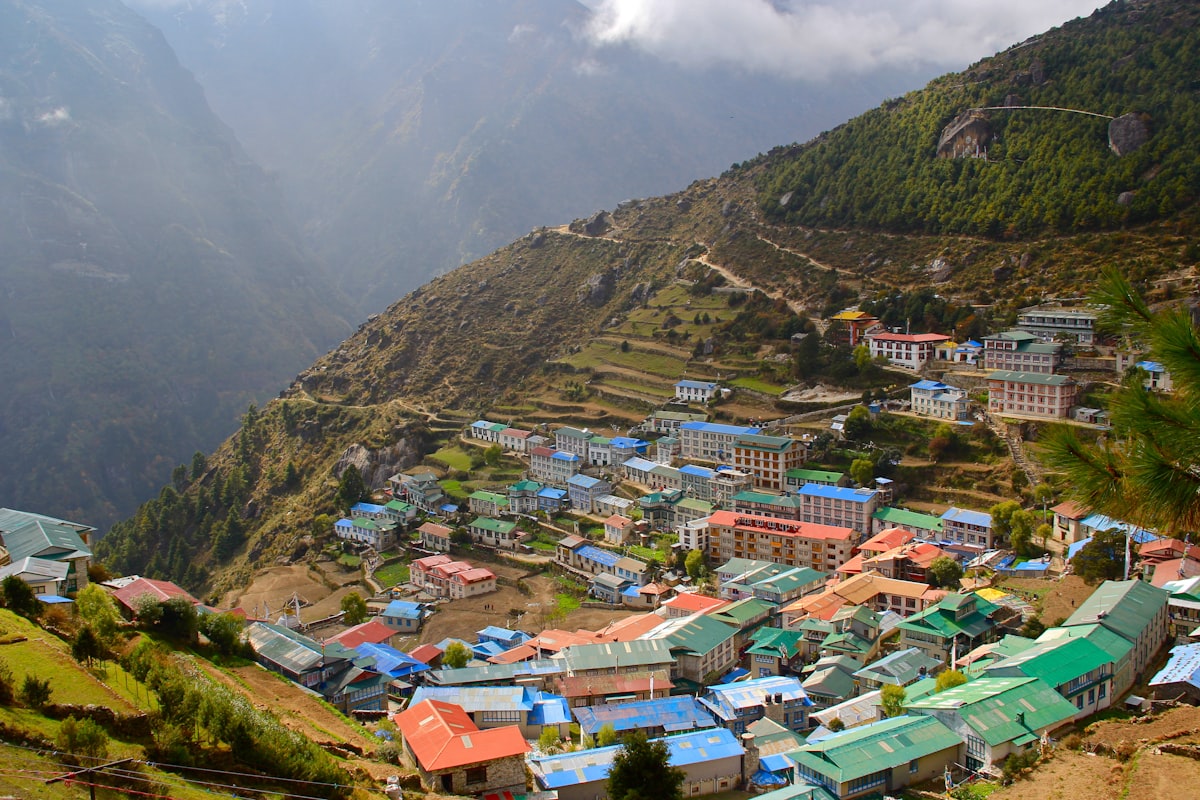
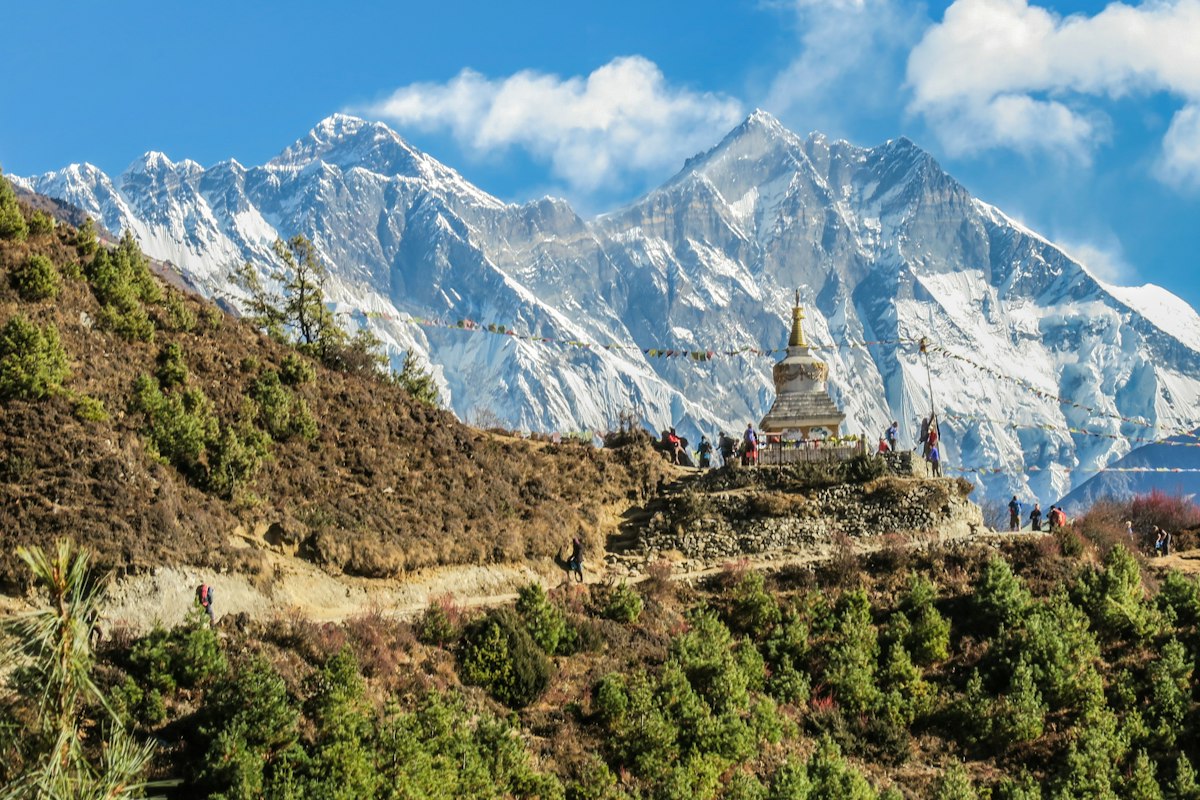
- Sherpa culture. You’ll pass through villages like Namche Bazaar, Khumjung, and Dingboche — home to the legendary Sherpa people whose knowledge and endurance built Himalayan mountaineering.
- World-class mountain views. Everest, Lhotse (8,516 m), Makalu (8,485 m), Cho Oyu (8,188 m), Ama Dablam (6,812 m) — the Khumbu Valley is surrounded by six of the world’s fourteen 8,000m peaks.
- Achievable bucket list. With good preparation, healthy adults of most ages (including 60+) complete the trek every season.
How Hard Is the Everest Base Camp Trek?
The EBC trek is rated moderate to challenging. Here’s what that actually means:
What Makes It Hard
- Altitude, not terrain. The trail is well-maintained with no scrambling or fixed ropes. But altitude above 3,500 m reduces oxygen significantly — your body works harder at rest than at sea level on a run.
- Consecutive days of walking. You’ll hike 5–8 hours per day for 12–14 days. Cumulative fatigue is real.
- Cold nights. Temperatures at Gorak Shep (5,164 m) drop to -15°C and below in spring and autumn nights.
Who Can Do It
- Adults with reasonable cardiovascular fitness — you don’t need to be an athlete, but regular hiking (3–5 hours, 2–3x per week) in the 3 months before the trip is essential.
- Ages 16 to 70+ — the trail sees trekkers of all ages each season.
- No prior high-altitude experience required, though it helps. Proper acclimatization days are built into the itinerary.
How to Train for EBC
Start training 3–4 months before departure:
- Long-distance hiking with a loaded pack (8–10 kg) on trails with elevation gain
- Cardio base: running, cycling, swimming — 30–45 min, 4x/week
- Stair training with a loaded daypack
- Practice trekking poles — they reduce knee strain by 20–25% on descents
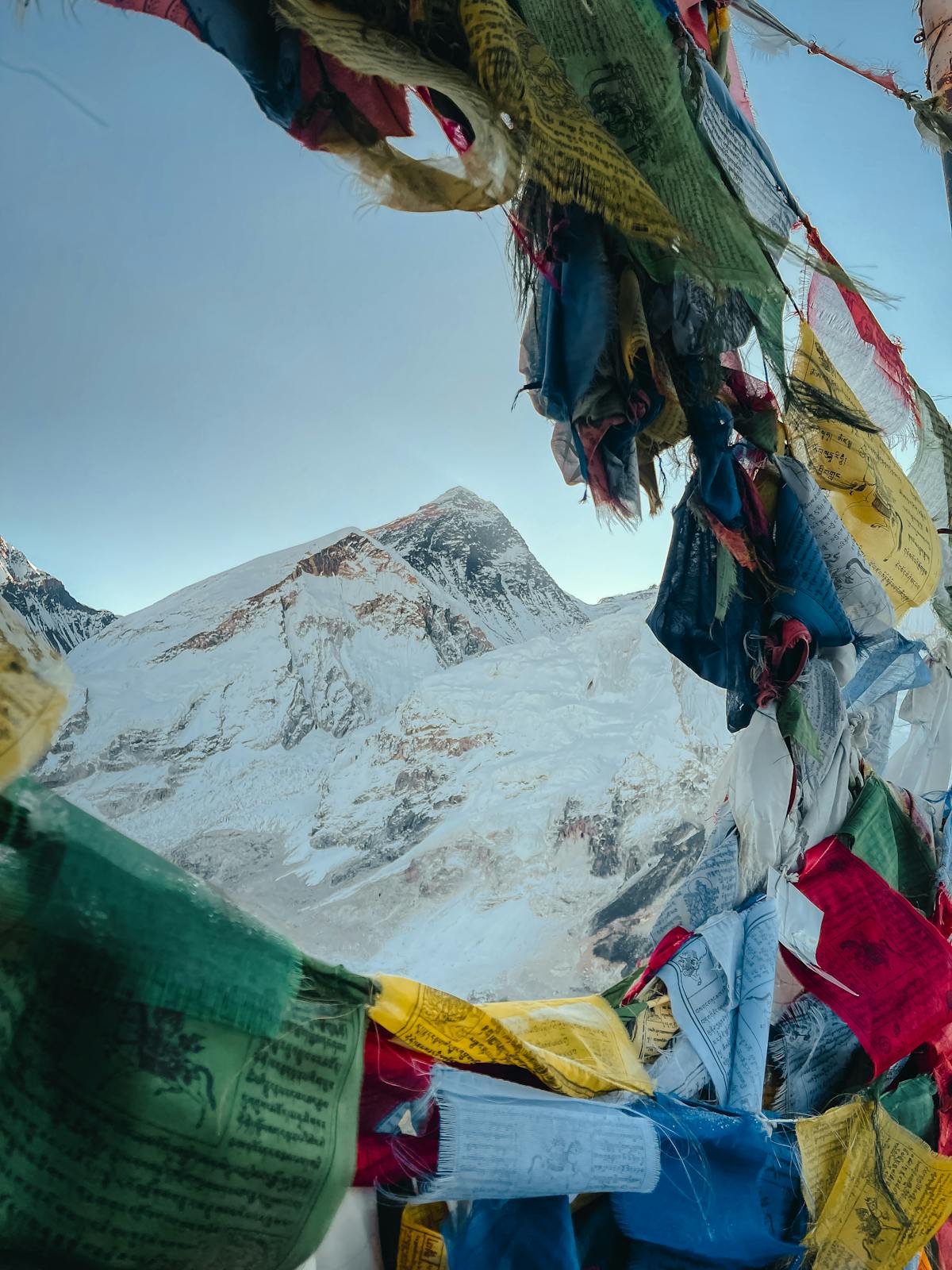
Best Time to Trek to Everest Base Camp
Spring (March–May) — Most Popular Season
- Clear skies and stable weather
- Rhododendron forests in bloom below Namche
- Everest climbing season — Base Camp is active with expedition teams
- Busier trails and teahouses — book in advance
- Temperatures: -5°C to +10°C in the Khumbu at altitude
Autumn (September–November) — Best Conditions
- October is widely considered the single best month for EBC — post-monsoon skies are crystal clear
- Excellent mountain visibility
- Cooler than spring but less crowded
- Temperatures: -10°C to +8°C at altitude; colder in November
Monsoon (June–August) — Not Recommended
- Heavy rainfall, leeches on lower trails, cloud cover obscures views
- Landslide risk on access roads
- Lower teahouse prices if you’re flexible — but views and trail conditions suffer
Winter (December–February) — For Experienced Trekkers Only
- Fewer crowds, stunning snow-covered landscapes
- Temperatures plunge to -20°C and below at Gorak Shep
- Some teahouses close; requires cold-weather gear and experience
Everest Base Camp Trek Itinerary: Day-by-Day (14 Days)
The standard EBC itinerary follows the classic Lukla–Base Camp route with two built-in acclimatization days. Highlighted rows are rest/acclimatization days — do not skip these.
| Day | Route | Altitude | Walking Time |
|---|---|---|---|
| 1 | Kathmandu → Fly to Lukla → Trek to Phakding | 2,652 m | 3–4 hrs |
| 2 | Phakding → Namche Bazaar | 3,440 m | 5–6 hrs |
| 3 | Acclimatization Day — Namche Bazaar (hike to Everest View Hotel, 3,880 m) | 3,440 m | 3–4 hrs optional hike |
| 4 | Namche → Tengboche | 3,870 m | 5–6 hrs |
| 5 | Tengboche → Dingboche | 4,410 m | 5–6 hrs |
| 6 | Acclimatization Day — Dingboche (hike to Nangkartshang Peak, 5,083 m) | 4,410 m | 4–5 hrs optional hike |
| 7 | Dingboche → Lobuche | 4,940 m | 5–6 hrs |
| 8 | Lobuche → Gorak Shep → Everest Base Camp → return to Gorak Shep | 5,164 m (sleep) | 7–8 hrs |
| 9 | Gorak Shep → Kala Patthar (sunrise) → Pheriche | 5,545 m (Kala Patthar) | 6–7 hrs |
| 10 | Pheriche → Namche Bazaar | 3,440 m | 6–7 hrs |
| 11 | Namche Bazaar → Lukla | 2,860 m | 6–7 hrs |
| 12 | Fly Lukla → Kathmandu (buffer day for flight delays) | 1,400 m | Flight ~30 min |
| 13 | Buffer / Rest day in Kathmandu | — | — |
| 14 | Depart Kathmandu | — | — |
Everest Base Camp Trek Cost: Complete Breakdown (2026)
The total cost depends on whether you book a package tour or organize independently, and which level of comfort you choose. Here is a realistic 2026 breakdown:
| Expense | Budget | Mid-Range | Premium |
|---|---|---|---|
| Guided Trek Package (14 days, guide + porter + teahouse) | $900–$1,200 | $1,400–$1,800 | $2,500–$4,000 |
| Sagarmatha NP Permit | NPR 3,000 (~$22) — same for all | ||
| Khumbu Pasang Lhamu Rural Municipality Permit | NPR 2,000 (~$15) — same for all | ||
| Kathmandu–Lukla Round-Trip Flight | $180–$320 (varies by season) | ||
| Travel Insurance (mandatory for high altitude) | $80–$120 | $120–$180 | $180–$300 |
| Guide Tip (customary) | $100–$150 (guide) + $50–$80 (porter) | ||
| Snacks, drinks, charging, Wi-Fi on trail | $50–$80 | $100–$150 | $150–$250 |
| TOTAL ESTIMATED (excl. international flights to Nepal) | $1,400–$1,800 | $2,000–$2,800 | $4,000–$7,000+ |
Required Permits for EBC Trek (2025/2026)
You need two permits for the Everest Base Camp trek. Note: the TIMS card is no longer required for the Khumbu/Everest region — many older guides still list it incorrectly.
1. Sagarmatha National Park Entry Permit
- Cost: NPR 3,000 (approximately USD 22) per person
- Where to get it: Nepal Tourism Board office in Kathmandu, or at the park entrance in Monjo
- Covers entry into Sagarmatha National Park, a UNESCO World Heritage Site
2. Khumbu Pasang Lhamu Rural Municipality Entry Permit
- Cost: NPR 2,000 (approximately USD 15) per person
- Where to get it: Only available in Lukla or Monjo — cannot be obtained in Kathmandu
- Required for all trekkers entering the Khumbu region including Namche Bazaar and beyond
Getting There: Flights to Lukla
All EBC treks begin with a flight from Kathmandu’s Tribhuvan International Airport to Lukla (Tenzing-Hillary Airport, 2,860 m). The 30-minute flight over the Himalayan foothills is a trip highlight in itself.
- Airlines: Tara Air, Summit Air, Sita Air (small twin-otter or caravan aircraft)
- Cost: USD $180–$320 round trip per person
- Important: Always build 1–2 buffer days into your itinerary. Lukla flight cancellations due to weather are common, especially in spring. Your Green Horizon guide monitors conditions and manages rebooking.
- Tenzing-Hillary Airport has a 527-metre runway ending at a cliff — consistently rated among the world’s most dramatic airports.
Accommodation & Food on the Trek (Teahouse Guide)
The entire EBC route is a teahouse trek — no camping required. Teahouses are family-run mountain inns providing a bed and meals at each stop.
What to Expect
- Rooms: Simple twin rooms with basic beds and thick blankets. Private rooms in lower villages; dormitories may be the only option at Gorak Shep.
- Food: Dal bhat (lentil soup + rice + vegetables) is the classic trekking fuel — nutritious, everywhere, and often unlimited refills. Also pasta, pizza, noodle soup, porridge, and Tibetan bread.
- Electricity & Wi-Fi: Available in most teahouses; solar-powered above Namche. Charging costs $1–$3. Wi-Fi is slow but available for $2–$5/hour.
What to Pack: EBC Gear Essentials
Clothing (Layering System)
- Moisture-wicking base layers (merino wool or synthetic) — 2–3 sets
- Insulating mid-layer (fleece or down jacket) — essential above 4,000 m
- Waterproof/windproof outer shell (Gore-Tex or equivalent)
- Down jacket or puffer — critical for evenings at altitude
- Trekking trousers (zip-off convertible style), warm hat, sun hat, buff/neck gaiter
- Gloves (liner + waterproof outer), trekking boots (broken-in before departure)
Essential Gear
- Trekking poles (reduce knee strain by 20–25% on descents)
- Headlamp + spare batteries
- Sleeping bag rated to -15°C
- Daypack (25–30L) + duffel bag for porter (porter carries up to 15 kg)
- Water purification (Steripen or tablets)
- High SPF sunscreen (50+) and UV-protective sunglasses — glacial UV exposure is severe
- First aid kit: blister supplies, Diamox (consult doctor), ibuprofen
- Power bank (20,000 mAh) + offline maps downloaded (Maps.me or Gaia GPS)
Altitude Sickness: What You Need to Know
Acute Mountain Sickness (AMS) (WHO guidance) is the most common medical issue on the EBC trek. At 5,000 m there is roughly 50% of the oxygen available at sea level.
Symptoms of AMS
- Headache, nausea, fatigue, dizziness, loss of appetite, difficulty sleeping
- If severe: confusion, loss of coordination, wet cough — these are signs of HAPE/HACE. Descend immediately.
Prevention
- Ascend slowly. The standard itinerary’s acclimatization days exist for a reason — never skip them.
- “Climb high, sleep low” — the daily acclimatization hikes follow this principle.
- Drink 3–4 litres of water per day
- Avoid alcohol and sleeping tablets above 3,500 m
- Consider Diamox (acetazolamide) — consult your doctor 4–6 weeks before departure
The Khumbu Icefall: What Trekkers Need to Know
The Khumbu Icefall is one of the most famous — and most dangerous — sections of the Everest climbing route. It sits above Base Camp, between 5,364 m (Base Camp) and Camp I at approximately 5,900 m.
Trekkers do not enter the Khumbu Icefall. You can see it from Base Camp — a dramatic cascade of broken glacial ice — but access is strictly restricted to permitted mountaineering expeditions. The trek ends at Base Camp where the mountaineering route begins.
Route Variations: Beyond the Classic EBC Trek
EBC + Gokyo Lakes Trek (17–20 days)
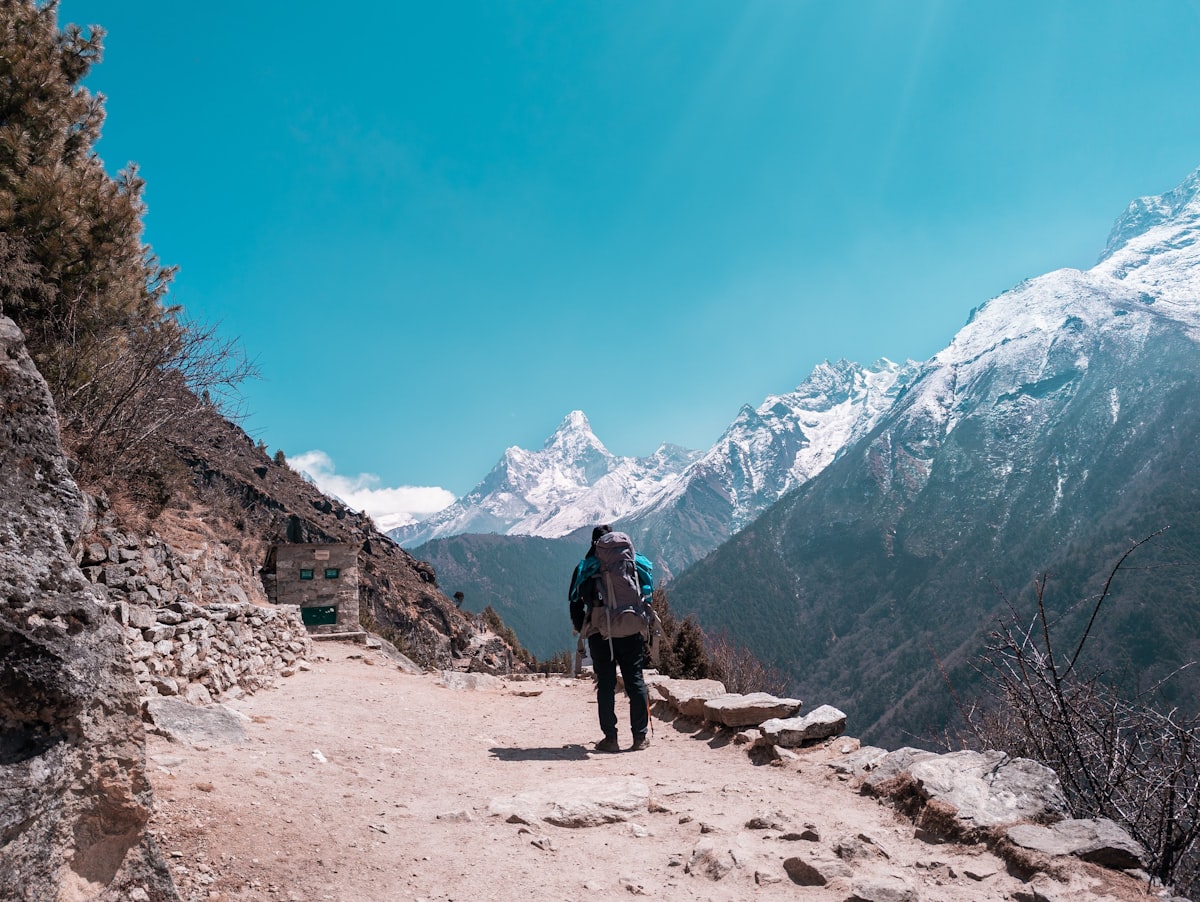
Adds the stunning Gokyo Valley — turquoise glacial lakes at 4,700–5,000 m and Gokyo Ri (5,357 m) viewpoint. Connected to the EBC route via the Cho La Pass (5,420 m).
EBC Three High Passes Trek (20–22 days)
Crosses Kongma La (5,535 m), Cho La (5,420 m), and Renjo La (5,360 m) — the most comprehensive Khumbu circuit. Requires strong fitness and prior trekking experience.
Helicopter Return
Fly out from Gorak Shep by helicopter — saves 3 days of descent. Cost: $250–$500 per person (shared helicopter). Popular with trekkers with tight schedules.
Top Photography Spots on the EBC Trek
- Kala Patthar (5,545 m) — sunrise view of Everest, Nuptse, and the entire Khumbu Himalaya
- Tengboche Monastery — prayer flags, monks, and Ama Dablam rising behind the roof
- Hillary Suspension Bridge — swinging bridges above the Dudh Koshi River gorge
- Namche Bazaar from the ridge above — the whole horseshoe valley visible at once
- Everest Base Camp — the Khumbu Glacier and the scale of Everest’s South Face
- Ama Dablam from Pangboche — considered the world’s most photographed mountain for its perfect pyramid profile
Frequently Asked Questions
How long does the Everest Base Camp trek take?
The standard Everest Base Camp trek takes 12 to 14 days round trip from Lukla. This includes two built-in acclimatization days and a buffer day for Lukla flight delays. Shorter 10-day itineraries exist but skip acclimatization days — significantly increasing altitude sickness risk.
How much does the Everest Base Camp trek cost in 2026?
A complete guided EBC trek from Kathmandu costs USD $1,200–$2,000 for a standard local agency package including guide, porter, teahouse accommodation, and most meals. Additional costs: permits (~$37), Kathmandu–Lukla flights (~$180–$320 round trip), travel insurance ($80–$180), tips, and on-trail expenses ($80–$150). Total budget: approximately $1,800–$3,000 excluding international flights to Nepal.
Do I need a guide for the Everest Base Camp trek?
Yes. As of 2023, Nepal requires all foreign trekkers in high-altitude areas to be accompanied by a licensed registered guide. Solo trekking on the EBC route is not legally permitted for foreign nationals.
Is the Everest Base Camp trek suitable for beginners?
Yes — the EBC trek requires no technical climbing skills. However you should be comfortable hiking 5–8 hours per day with a daypack. Start a structured training program at least 3 months before your trek date.
What permits do I need for the Everest Base Camp trek?
Two permits are required: (1) Sagarmatha National Park Entry Permit — NPR 3,000 (~USD 22), obtainable at Nepal Tourism Board in Kathmandu or at Monjo; and (2) Khumbu Pasang Lhamu Rural Municipality Entry Permit — NPR 2,000 (~USD 15), only available in Lukla or Monjo. Note: the TIMS card is no longer required for the Khumbu region.
Can you see Mount Everest from Everest Base Camp?
No — Everest’s summit is not visible from Base Camp. The West Shoulder and Nuptse block the view. The best Everest viewpoint is Kala Patthar (5,545 m), a 45-minute climb above Gorak Shep, included in the standard itinerary.
What is the best month to trek to Everest Base Camp?
October is widely considered the single best month — post-monsoon skies are crystal clear and mountain visibility is at its peak. April and May offer stable weather and Everest climbing season activity at Base Camp. Avoid June–August (monsoon) unless you are flexible on views and trail conditions.
How do I prevent altitude sickness on the EBC trek?
Ascend slowly and never skip acclimatization days. Drink 3–4 litres of water per day, avoid alcohol above 3,500 m, and consider Diamox (acetazolamide — consult a doctor before your trip). If symptoms appear, do not ascend further. If symptoms worsen, descend immediately.
Can older trekkers (50+, 60+) do the Everest Base Camp trek?
Yes — many trekkers in their 50s, 60s, and even 70s successfully complete the EBC trek each season. Age is not a barrier; cardiovascular fitness and patience on the ascent are what matter. A pre-trek medical checkup is strongly recommended.
What is the highest point on the Everest Base Camp trek?
The highest point reached on the standard EBC trek is Kala Patthar at 5,545 m (18,192 ft) — not Everest Base Camp itself (5,364 m). Kala Patthar is climbed on the morning after reaching Base Camp and provides the best panoramic view of Mount Everest on the entire route.
Ready to Trek to Everest Base Camp?
Green Horizon Tours & Travels runs small-group and private EBC treks year-round. Licensed Nepali guides, full permit support, teahouse bookings, and airport transfers — all included. Packages from USD $1,350 per person.
View EBC Trek Package & Book →

How to book a trip?

make free inquiry

confirm the trip
