


Maha Shivaratri Festival in Nepal 2026
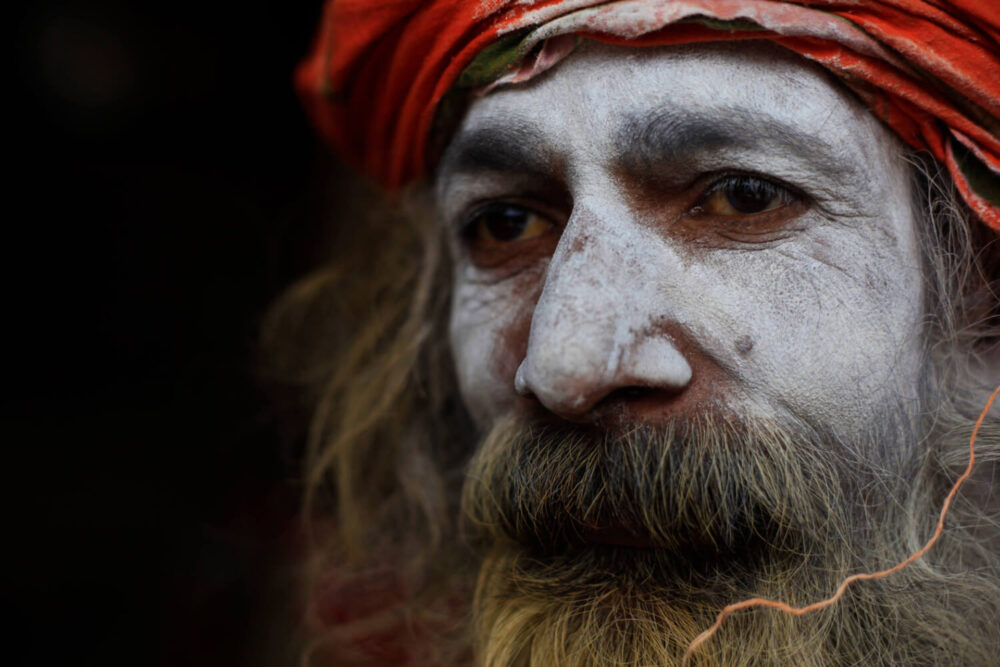
Maha Shivaratri is one of the most sacred and spiritually powerful festivals in Nepal. Dedicated to Lord Shiva, this auspicious night symbolizes devotion, self-discipline, meditation, and inner awakening.
In the Nepali calendar (2082 BS), Maha Shivaratri falls on Falgun 03, which corresponds to Sunday, February 15, 2026.
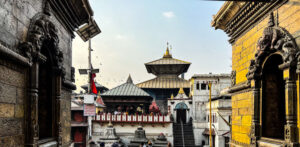
Across Nepal, devotees gather in temples, especially at the sacred Pashupatinath Temple, where thousands of pilgrims and sadhus arrive to worship, meditate, and celebrate the Great Night of Shiva.
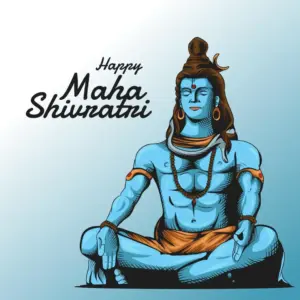
What is Maha Shivaratri?
Shivaratri occurs every month (known as Masik Shivaratri) on the 14th day of the lunar cycle. However, Maha Shivaratri, meaning “The Great Night of Shiva,” is the most spiritually significant of them all. It falls in the Hindu month of Falgun (February–March).
Unlike other Hindu festivals filled with feasting and celebration, Maha Shivaratri emphasizes:
-
Fasting and self-control
-
Meditation and prayer
-
Spiritual reflection
-
Overcoming darkness and ignorance
The Legends Behind Maha Shivaratri
Several ancient stories explain the importance of this divine night:
1. The Divine Union of Shiva and Shakti
Many believe this is the night Lord Shiva united with Goddess Parvati, symbolizing the balance of masculine and feminine energies in the universe.
2. The Cosmic Dance (Tandava)
Another legend says Lord Shiva performed the Tandava, the cosmic dance of creation, preservation, and destruction.
3. The Night of Neelkantha
According to Hindu mythology, when the gods and demons churned the ocean, a deadly poison (Halahal) emerged. Lord Shiva drank the poison to save the universe, which turned his throat blue, earning him the name Neelkantha.
Maha Shivaratri Celebration in Nepal (2026)
Maha Shivaratri in Nepal is both spiritually intense and culturally vibrant.
At Pashupatinath Temple
The temple opens as early as 2:15 AM. Thousands of devotees line up for hours to offer prayers. The temple complex becomes a spiritual epicenter filled with:
-
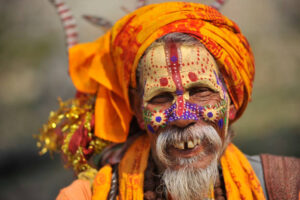
Ash-smeared sadhus
-
Naga Babas (naked ascetics)
-
Devotional music and bhajans
-
Sacred fire rituals
-
Continuous chanting of “Om Namah Shivaya.”
How Devotees Celebrate Maha Shivaratri
Here are the main rituals observed:
Fasting (Shivaratri Vrat)
Devotees observe strict fasting, which may include:
-
Nirjala (no food, no water)
-
Phalahari (fruits and milk)
-
Water-only fasting
Temple Visits & Abhishek
Devotees perform ritual bathing of the Shiva Lingam with:
-
Milk
-
Honey
-
Ghee
-
Water
-
Bel (Bilva) leaves
-
Dhatura flowers
Night Vigil (Jagran)
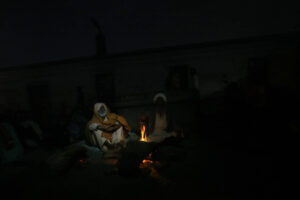
Many stay awake all night chanting, meditating, and reading the Shiva Purana.
Charity & Seva
Food and clothing are donated to the needy, as charity on this day is considered highly auspicious.
Special Experiences for Tourists in Nepal
If you are visiting Nepal during Maha Shivaratri 2026, here’s how you can experience it fully:
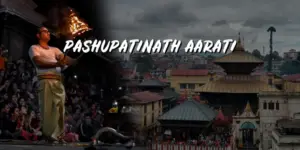
1. Attend Sandhya Aarati
Held along the Bagmati River near Pashupatinath Temple, this evening ritual includes:
-
Oil lamps
-
Hymns
-
Mantra chanting
-
Classical devotional music
The atmosphere on Shivaratri night is truly magical.
2. Witness the Sadhus
Thousands of holy men gather, especially the Naga Babas, covered in ash. Always ask permission before taking photos.
3. Meditate All Night
Many believe the planetary alignment on this night supports deeper meditation and spiritual growth.
Is Maha Shivaratri a Public Holiday in Nepal?
Yes. Maha Shivaratri is a national public holiday in Nepal. Schools, government offices, and many businesses remain closed. The festival is especially significant because of the presence of Pashupatinath Temple, one of the holiest Shiva shrines in the world.
Maha Shivaratri 2026 Date in Nepal
-
Nepali Date: Falgun 03, 2082 BS
-
English Date: Sunday, February 15, 2026
Previous Year (2025)
-
Falgun 14, 2081 BS
-
Wednesday, February 26, 2025
Popular Shiva Temples to Visit in Nepal
Besides Pashupatinath, you can celebrate at:
-
Kailashnath Mahadev Statue
-
Doleshwor Mahadev Temple
-
Bhaleshwor Mahadev Temple
Each location offers a unique spiritual atmosphere.
Shivaratri Roadblocks – A Unique Nepali Tradition
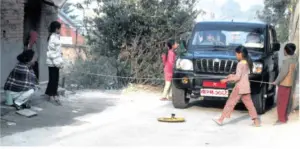
One fascinating aspect of Shivaratri in Nepal is the playful roadblocks created by local children. Using ropes or sticks, they stop vehicles and request small donations.
This long-standing tradition is seen as:
-
A form of festive fun
-
A way to collect money for temple offerings
-
A community bonding activity
Most locals happily participate in this cultural custom.
Shivaratri vs. Maha Shivaratri: What’s the Difference?
| Shivaratri | Maha Shivaratri |
|---|---|
| Occurs monthly | Occurs once a year |
| Smaller observance | Grand spiritual festival |
| Marks Shiva’s monthly worship | Celebrates Shiva’s cosmic power, marriage, and divine acts |
Why Do People Stay Awake?
Staying awake symbolizes heightened awareness and spiritual alertness. Devotees believe the night carries powerful cosmic energy, making meditation more effective.
Maha Shivaratri Wishes for 2026
- May Lord Shiva bless you with strength, wisdom, and peace this Maha Shivaratri.
- Har Har Mahadev! May your life be filled with divine protection and positivity.
- May the chant of Om Namah Shivaya bring clarity and happiness to your soul.
- On this sacred night, may all negativity be destroyed and new beginnings arise.
Final Thoughts
Maha Shivaratri in Nepal is not just a religious event; it is a night of deep transformation. Whether you are a devotee, spiritual seeker, or traveler, experiencing Maha Shivaratri at Pashupatinath Temple is unforgettable.
It is a night where devotion meets discipline, silence meets sound, and faith meets fire.
Har Har Mahadev 🔱


How to book a trip?

make free inquiry

confirm the trip
