


Nepal vs Bhutan: Which Destination Fits Your Travel Style?
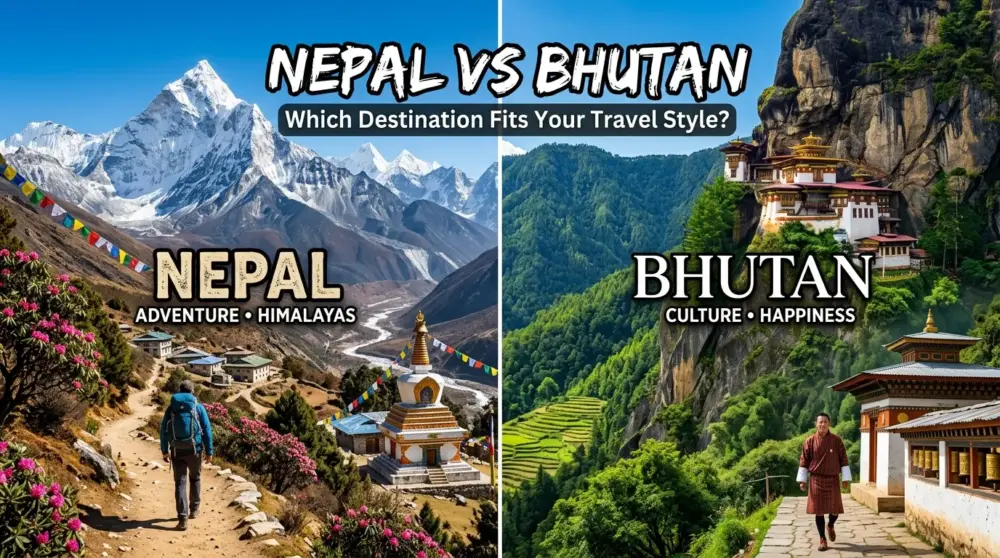
Nepal vs Bhutan: Which Destination Fits Your Travel Style?
The Himalayas have long captivated travelers with their breathtaking landscapes, ancient cultures, and unforgettable adventures. Among the most sought-after destinations in this region are Nepal and Bhutan—two neighboring countries that offer dramatically different travel experiences despite sharing towering mountains and deep-rooted Buddhist traditions.
If you’re planning your next Himalayan getaway, one question naturally arises:
Should you visit Nepal or Bhutan?
The answer depends on what kind of traveler you are.
Are you dreaming of trekking beneath the world’s highest peaks? Looking for peaceful monasteries tucked away in misty valleys? Hoping for an affordable backpacking adventure, or perhaps a luxurious cultural retreat? While both Nepal and Bhutan promise unforgettable memories, each caters to different travel styles, budgets, and expectations.
In this detailed guide, we’ll compare Nepal and Bhutan across every important aspect—from trekking and adventure to culture, food, budget, sustainability, and accessibility—so you can confidently choose the destination that suits you best.
Nepal vs Bhutan at a Glance
| Feature | Nepal | Bhutan |
|---|---|---|
| Best For | Adventure, trekking, cultural exploration | Luxury, peaceful retreats, cultural immersion |
| Budget | Affordable | Premium-priced |
| Famous Attraction | Mount Everest | Tiger’s Nest Monastery |
| Trekking | Excellent | Limited but exclusive |
| Visa | Easy process for most travelers | Requires a tour booking for most visitors |
| Tourism Style | Independent & guided | Guided only (for most international visitors) |
| Adventure Sports | Excellent | Limited |
| Nightlife | Available in cities | Minimal |
| Photography | Diverse landscapes | Well-preserved traditional architecture |
| Travel Pace | Flexible | Slow and immersive |
Although they sit side by side on the map, Nepal and Bhutan offer two very different travel philosophies.
Nepal welcomes travelers with open arms, allowing them to explore independently, trek at their own pace, and experience everything from bustling cities to remote mountain villages. Bhutan, on the other hand, carefully manages tourism to preserve its culture, environment, and traditions. Visitors often enjoy a more curated and peaceful experience.
Geography and Natural Beauty
Nature is one of the biggest reasons travelers visit the Himalayas. However, the landscapes you’ll experience differ in surprising ways.
Nepal: A Land of Incredible Diversity
Nepal may be relatively small, but it boasts one of the world’s greatest geographical variations. Within just a few hundred kilometers, you can travel from tropical jungles to snow-covered Himalayan peaks.
The country is home to eight of the world’s fourteen highest mountains, including the legendary Mount Everest.
Whether you’re hiking through rhododendron forests in the Annapurna region, spotting rhinos in Chitwan National Park, or watching the sunrise over the Himalayas from Nagarkot, Nepal offers endless scenic diversity.
Some of Nepal’s most remarkable natural attractions include:
- Everest Region
- Annapurna Conservation Area
- Langtang National Park
- Rara Lake
- Upper Mustang
- Chitwan National Park
- Bardia National Park
- Phewa Lake in Pokhara
Every region feels unique, making Nepal ideal for travelers who enjoy variety.
Bhutan: Untouched Himalayan Serenity
Bhutan’s landscapes feel quieter and more secluded.
Instead of busy trekking routes and lively tourist towns, you’ll find peaceful valleys, ancient forests, traditional villages, and monasteries perched dramatically on cliffs.
The country’s commitment to environmental conservation means over 70% of Bhutan remains forested, making it one of the world’s most environmentally protected nations.
Popular natural attractions include:
- Paro Valley
- Punakha Valley
- Phobjikha Valley
- Jigme Dorji National Park
- Dochula Pass
- Bumthang Valley
Bhutan’s beauty is subtle rather than dramatic. It’s perfect for travelers who appreciate silence, spirituality, and pristine environments.
Culture and Heritage
One of the biggest differences between Nepal and Bhutan lies in their cultural atmosphere.
Nepal: A Living Cultural Mosaic
Nepal is home to more than 120 ethnic groups and over 120 languages, making it one of South Asia’s most culturally diverse nations.
Walking through Kathmandu feels like stepping into an open-air museum.
Ancient temples stand beside bustling markets, while centuries-old traditions continue alongside modern life.
Some cultural highlights include:
- Durbar Squares
- Swayambhunath (Monkey Temple)
- Boudhanath Stupa
- Pashupatinath Temple
- Bhaktapur’s medieval streets
- Traditional Newari architecture
Nepal’s festivals bring the streets to life throughout the year.
Visitors can experience celebrations like Dashain, Tihar, Holi, Indra Jatra, and Buddha Jayanti, each offering a glimpse into the country’s vibrant traditions.
The cultural experience in Nepal is energetic, colorful, and constantly evolving.
Bhutan: Preserving Tradition Above All
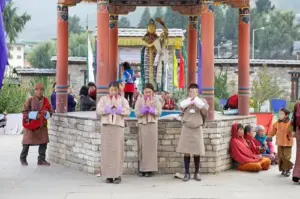
Bhutan takes a different approach.
Rather than balancing tradition with modernization, Bhutan actively protects its cultural identity.
Traditional dress is commonly worn, ancient festivals remain central to community life, and historic architecture is carefully preserved.
The country’s famous monasteries, dzongs, and prayer flags create an atmosphere unlike anywhere else.
Major cultural attractions include:
- Tiger’s Nest Monastery
- Punakha Dzong
- Trongsa Dzong
- National Memorial Chorten
- Traditional Bhutanese villages
Bhutan’s festivals, known as Tshechus, feature masked dances, colorful costumes, and centuries-old rituals that attract visitors from around the world.
Unlike Nepal’s lively urban energy, Bhutan offers a slower, more contemplative cultural experience.
Trekking and Adventure
For many travelers, this is where the biggest difference becomes clear.
Nepal: A Trekker’s Paradise
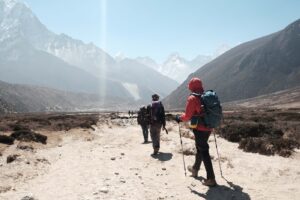
Nepal is widely regarded as one of the world’s greatest trekking destinations.
Whether you’re a first-time hiker or an experienced mountaineer, there’s a trail to suit your skill level.
Popular trekking routes include:
- Everest Base Camp Trek
- Annapurna Base Camp Trek
- Annapurna Circuit
- Langtang Valley Trek
- Mardi Himal Trek
- Manaslu Circuit
- Upper Mustang Trek
- Gokyo Lakes Trek
Trekkers can stay in comfortable tea houses, meet fellow travelers from around the world, and experience authentic mountain hospitality.
Beyond trekking, Nepal also offers:
- White-water rafting
- Mountain biking
- Rock climbing
- Ziplining
- Bungee jumping
- Paragliding
- Jungle safaris
- Peak climbing
- Ultralight flights
For adventure lovers, Nepal has very few rivals.
Bhutan: Exclusive Himalayan Hiking
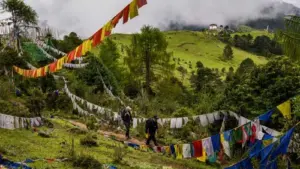
Bhutan offers trekking too, but the experience is different.
Trails are quieter, less commercialized, and often require more planning.
Some of the country’s best-known treks include:
- Druk Path Trek
- Jomolhari Trek
- Snowman Trek
- Bumthang Cultural Trek
These routes pass through untouched forests, remote villages, and sacred monasteries.
Rather than focusing on physical achievement, Bhutanese trekking emphasizes spiritual connection and peaceful immersion in nature.
If you seek solitude rather than crowds, Bhutan may be the better choice.
Which Destination Wins for Nature Lovers?
If your ideal trip includes dramatic mountain views, diverse landscapes, and countless outdoor activities, Nepal offers more variety and flexibility.
If you’re looking for peaceful valleys, pristine forests, and a quieter connection with nature, Bhutan provides a unique sense of serenity.
Both countries showcase the beauty of the Himalayas—but in very different ways.
Budget Comparison: Which Destination Offers Better Value?
One of the first questions travelers ask is, “Is Nepal or Bhutan more affordable?” The answer depends on your travel style, but in general, Nepal is much more budget-friendly, while Bhutan is designed for higher-value, lower-volume tourism.
Traveling in Nepal
Nepal is one of Asia’s most affordable travel destinations. Whether you’re a backpacker, a family, or someone seeking luxury, there are options to suit nearly every budget.
You can choose from budget guesthouses, boutique hotels, luxury resorts, tea houses along trekking routes, and guided tour packages. Public transportation is inexpensive, and local restaurants serve delicious meals at reasonable prices.
Approximate daily costs in Nepal:
| Travel Style | Estimated Daily Budget |
|---|---|
| Backpacker | USD 25–50 |
| Mid-range | USD 60–120 |
| Luxury | USD 180+ |
The biggest advantage is flexibility. You can customize your trip based on your budget and travel independently or book guided experiences.
Traveling in Bhutan
Bhutan follows a unique tourism model that prioritizes sustainability over mass tourism. Most international visitors (except citizens of India, Bangladesh, and the Maldives, who have different entry arrangements) travel through licensed tour operators and pay a Sustainable Development Fee (SDF) in addition to accommodation and tour costs.
As a result, Bhutan is significantly more expensive than Nepal.
However, many travelers feel the price reflects the quality of the experience. Tours often include accommodations, transportation, guides, and planned activities, making travel smooth and hassle-free.
Approximate daily costs in Bhutan:
| Travel Style | Estimated Daily Budget |
|---|---|
| Standard Guided Tour | USD 220–350+ |
| Luxury Tour | USD 500+ |
Verdict
If affordability and flexibility are important, Nepal is the clear winner. If you’re looking for an exclusive, well-organized experience and are comfortable with a higher budget, Bhutan offers a distinctive travel model.
Visa and Entry Requirements
Planning your trip begins with understanding each country’s entry process.
Nepal
Nepal makes visiting relatively straightforward for travelers from many countries.
Many nationalities can obtain a Visa on Arrival at Kathmandu’s Tribhuvan International Airport or apply in advance through a Nepali embassy or consulate. Requirements and fees vary depending on nationality and length of stay, so it’s best to verify the latest rules before traveling.
This simple process makes Nepal an attractive destination for spontaneous trips and independent travelers.
Bhutan
Bhutan has a more structured system.
Most international visitors must book their trip through an authorized Bhutanese tour operator or an international partner. Visitors also need to arrange a visa before arrival, and the Sustainable Development Fee (SDF) generally applies. Rules differ for citizens of India, Bangladesh, and the Maldives.
Although the process requires more planning, many travelers appreciate the convenience of having accommodations, transport, and guides organized in advance.
Verdict
- Nepal: Easier for independent and last-minute travelers.
- Bhutan: Better suited for travelers who prefer organized itineraries.
Food and Culinary Experiences
Food is an important part of every journey, and both countries offer delicious local flavors.
Nepalese Cuisine
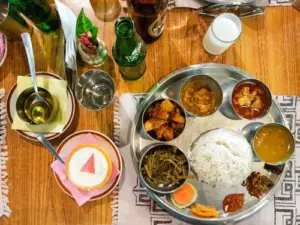
Nepal’s food reflects influences from Tibet, India, and its own diverse ethnic communities.
A must-try dish is Dal Bhat, a traditional meal consisting of rice, lentil soup, vegetables, pickles, and curry. It is filling, nutritious, and commonly served throughout the country.
Other popular dishes include:
- Momos (dumplings)
- Thukpa (noodle soup)
- Sel Roti
- Chatamari
- Choila
- Yomari
- Gundruk
In major cities like Kathmandu and Pokhara, you’ll also find international cuisines ranging from Italian and Japanese to Korean and Middle Eastern.
Bhutanese Cuisine
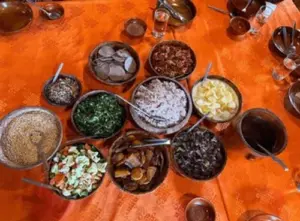
Bhutanese food is known for its bold use of chilies.
The national dish, Ema Datshi, combines chili peppers with local cheese to create a rich and spicy meal.
Other traditional dishes include:
- Phaksha Paa
- Jasha Maroo
- Red Rice
- Suja (Butter Tea)
- Hoentay
Meals in Bhutan emphasize locally grown ingredients and seasonal produce.
Verdict
- Nepal offers a greater variety and more international dining options.
- Bhutan offers a distinctive culinary experience rooted in local traditions.
Safety: Which Destination Is Better?
Both Nepal and Bhutan are considered welcoming destinations for international visitors.
Nepal
Tourist areas are generally safe, and local people are known for their hospitality. As with any destination, travelers should take standard precautions, especially in crowded places and on mountain trails.
If trekking, it’s important to:
- Monitor weather conditions.
- Allow time for acclimatization.
- Follow local guidance.
- Carry appropriate insurance.
Bhutan
Bhutan has a reputation for being peaceful, with low crime rates and a relaxed atmosphere.
Because many visitors travel with guides, navigating the country is often straightforward and stress-free.
Verdict
Both countries are considered safe when travelers follow sensible precautions. Bhutan’s structured tourism system may appeal to those seeking a more managed travel experience, while Nepal rewards independent travelers with greater flexibility.
Best Time to Visit
Timing can significantly affect your experience.
Nepal
The most popular seasons are:
Spring (March–May)
- Blooming rhododendron forests
- Pleasant temperatures
- Excellent mountain views
Autumn (September–November)
- Clear skies
- Stable weather
- Peak trekking season
Winter can also be enjoyable for lower-altitude destinations, while the monsoon season brings lush landscapes but also heavier rainfall in many regions.
Bhutan
The best seasons are also:
- Spring
- Autumn
These months offer comfortable weather and coincide with several colorful cultural festivals.
Winter provides crisp mountain scenery with fewer visitors, while summer is greener but wetter.
Verdict
Both countries are excellent in spring and autumn. Nepal generally offers a wider range of year-round activities due to its diverse geography.
Luxury vs Budget Travel
Nepal
One of Nepal’s greatest strengths is flexibility.
Travelers can choose:
- Backpacker hostels
- Boutique heritage hotels
- Luxury mountain lodges
- Wellness retreats
- Premium helicopter tours
- Five-star resorts
Whether you’re spending USD 30 or USD 500 per day, Nepal has suitable options.
Bhutan
Bhutan naturally leans toward premium travel.
Luxury accommodations often feature:
- Traditional Bhutanese architecture
- Personalized service
- Wellness experiences
- Exclusive cultural activities
Travel here is less about extravagance and more about comfort, authenticity, and meaningful experiences.
Verdict
- Budget travelers: Nepal
- Luxury cultural travelers: Bhutan
Nepal vs Bhutan for Different Types of Travelers
Solo Travelers
Choose Nepal if you:
- Enjoy meeting other travelers.
- Prefer independent exploration.
- Want flexibility.
Choose Bhutan if you:
- Prefer guided experiences.
- Value peaceful surroundings.
- Don’t mind structured itineraries.
Couples and Honeymooners
Nepal
Perfect for couples seeking:
- Mountain resorts
- Lakeside Escapes in Pokhara
- Scenic trekking
- Adventure activities
Bhutan
Ideal for couples looking for:
- Luxury lodges
- Quiet monasteries
- Romantic valley landscapes
- Cultural experiences
Families
Nepal
Families can enjoy:
- Wildlife safaris
- Short hikes
- Cultural sightseeing
- Boating
- Mountain viewpoints
Bhutan
Families often appreciate:
- Safe environment
- Relaxed pace
- Educational cultural visits
- Scenic drives
Adventure Seekers
If your ideal vacation includes adrenaline-filled activities, Nepal stands out.
You can experience:
- Trekking
- Peak climbing
- White-water rafting
- Paragliding
- Mountain biking
- Ziplining
- Jungle safaris
- Rock climbing
Bhutan focuses more on hiking and cultural exploration than on adventure sports.
Sustainable Tourism
Both countries value protecting their natural and cultural heritage, but they approach tourism differently.
Nepal
Community-based tourism plays an important role in Nepal. Many trekking routes rely on locally owned tea houses, guides, porters, and family-run businesses. Choosing responsible operators helps support mountain communities and conservation efforts.
Bhutan
Bhutan is internationally recognized for its commitment to sustainable tourism. Its visitor policies are designed to limit overtourism and help preserve the country’s environment and cultural identity. The Sustainable Development Fee contributes to national development and conservation initiatives.
Verdict
Both destinations encourage responsible travel, though Bhutan’s tourism model is more tightly managed.
Final Verdict: Which Destination Fits Your Travel Style?
There is no universal winner—only the destination that best matches your interests.
Choose Nepal if you:
- Dream of trekking in the Himalayas.
- Want flexible itineraries.
- Prefer affordable travel.
- Love adventure sports.
- Enjoy diverse cultures.
- Like meeting fellow travelers.
- Want everything from wildlife safaris to mountain expeditions in one country.
Choose Bhutan if you:
- Prefer peaceful, slower-paced journeys.
- Value cultural preservation.
- Enjoy guided travel.
- Appreciate luxury and comfort.
- Want to explore monasteries, valleys, and traditional villages.
- Seek a quieter Himalayan experience.
For many travelers, the ideal solution isn’t choosing one over the other—it is visiting both, perhaps starting with Nepal’s adventurous spirit before experiencing Bhutan’s tranquil charm.
Frequently Asked Questions
Is Nepal cheaper than Bhutan?
Yes. Nepal generally offers a wider range of budget-friendly options, while Bhutan’s tourism model results in higher overall travel costs.
Which country is better for trekking?
Nepal is considered one of the world’s premier trekking destinations, offering trails for beginners and experienced hikers alike. Bhutan also has excellent treks, but they are fewer and often more structured.
Is Bhutan safer than Nepal?
Both countries are generally considered safe for visitors who take normal travel precautions. Bhutan’s guided tourism model may appeal to travelers seeking a more managed experience.
Which country has better cultural experiences?
Both offer a rich cultural heritage. Nepal provides a lively mix of Hindu and Buddhist traditions across many ethnic communities, while Bhutan is known for preserving its Buddhist heritage and traditional way of life.
Can I visit Nepal and Bhutan on the same trip?
Yes. Many travelers combine the two destinations to experience both adventure and cultural immersion. Planning logistics and visa requirements is recommended.
Conclusion
Nepal and Bhutan each offer unforgettable Himalayan experiences, but they appeal to different travel styles.
If you’re seeking dramatic mountain adventures, flexible travel, diverse landscapes, and excellent value, Nepal is an outstanding choice. If your ideal journey revolves around peaceful valleys, carefully preserved traditions, and a slower pace of exploration, Bhutan offers a unique and enriching experience.
Whichever destination you choose, thoughtful planning and responsible travel will help you make the most of your Himalayan adventure.


How to book a trip?

make free inquiry

confirm the trip
