


Everest Base Camp Trek


Trip Duration
14 Days
Group Sizes
Min 01 to 30 People
Transportation
Flight and Transport
Destination
Everest Base Camp Trek
Max. Altitude
5545
Nature of Trip
Trekking
Best Season
Spring and Autumn
Activities
- Trekking/Hiking

Difficulty
Difficult
Meals
- Yes Breakfast
- Yes Lunch
- Yes Dinner

Start & End Point
Kathmandu - Kalapatthar
Accommodation
- Lodges in trek
- Hotel in kathmandu
Overview of Everest Base Camp Trek
 |
 |
Nestled deep within the intimidating embrace of the Himalayan range lies a trekking expedition that has captured the imagination of adventurers and mountaineers for generations—the Everest Base Camp Trek. This iconic journey traverses the heart of the awe-inspiring Khumbu region in Nepal, where snow-capped peaks and lush valleys converge, offering trekkers an unparalleled blend of natural beauty, cultural immersion, and personal triumph. As we embark on this literary journey, we will explore the intricacies of this 13-day odyssey, unraveling its breathtaking highlights, deciphering the best seasons for undertaking this epic adventure, and delving into the magnetic pull that has drawn intrepid souls from across the globe to its midst.
The Everest Base Camp Trek is more than just an adventure; it’s a dream realized for countless souls across the globe. It is a journey that epitomizes the very essence of human exploration, pushing the boundaries of what is physically and mentally possible. It serves as a testament to the indomitable spirit of those who dare to challenge their own limitations and venture into the high-altitude realm of the Himalayas.
This extraordinary odyssey begins in the bustling and vibrant city of Kathmandu, Nepal’s capital. As you set foot in this mystical city, its ancient temples, narrow alleyways, and vibrant markets immediately envelop you in an atmosphere of intrigue and wonder. The bustling streets of Thamel, the tranquil courtyards of Durbar Square, and the kaleidoscope of scents and sounds leave an indelible impression, setting the stage for the transformative journey that lies ahead.
However, it is on the second day of this grand adventure that the true thrill begins. You board a small aircraft, and as it takes flight from Kathmandu’s Tribhuvan International Airport, your heart races with anticipation. The flight to Lukla is nothing short of a mesmerizing experience. Gazing out of the window, you are treated to panoramic views of the rugged Himalayan landscape, with snow-capped peaks reaching up to touch the heavens. The approach to Lukla Airport, perched on the edge of a cliff, is an exhilarating experience in itself. The aircraft seemingly defies gravity as it lands on the short and undulating runway, leaving you with a mixture of awe and excitement.
With the landing in Lukla, the Himalayas stretch out before you, and a profound sense of adventure takes root in your heart. This is the moment when the Himalayas beckon, and you embark on the treacherous yet thrilling path to Everest Base Camp. The very air you breathe is different here, lighter and crisper, tinged with the scent of pine and adventure. Your footsteps echo with the stories of legendary explorers and mountaineers who have journeyed along these very trails in pursuit of the world’s highest peak.
As you step onto the well-trodden path, you find yourself amidst the charm and tranquility of the Himalayan villages. The first day’s walk takes you to Phakding, a picturesque village nestled along the banks of the Dudh Kosi River. The simplicity and warmth of the teahouses and lodges along the way offer a glimpse into the serene and enduring way of life in the mountains.
The trail meanders through lush rhododendron forests, crossing swaying suspension bridges and passing through charming villages as you make your way to the vibrant Namche Bazaar. This bustling hub of the Khumbu region serves as a trading post and acclimatization stop for trekkers. It is here that you first glimpse the soaring peaks that beckon from the horizon, and the sheer magnitude of the journey ahead dawns upon you.
The concept of acclimatization becomes paramount in the following days, as you spend time in Namche Bazaar and later in Dingboche. Acclimatization is not just a necessity; it’s an experience in itself. These moments of respite allow you to explore the rich culture of the region, engage with the welcoming Sherpa people, and soak in the breathtaking mountain vistas from the comfort of cozy lodges. Acclimatization is your body’s way of adjusting to the high altitudes, and it is essential for your well-being as you venture further into the heights of the Himalayas.
The journey takes you to Debuche and Pangboche, where ancient monasteries provide a tranquil respite for trekkers. The landscapes shift from lush lowlands to barren alpine terrains, and the crisp mountain air becomes thinner, challenging your body and spirit. The rhythm of the trail becomes a meditative cadence, and the mountain views become a constant companion.
The excitement builds as you approach Lobuche, the last stop before reaching Everest Base Camp. Here, you find yourself on the cusp of history, amidst a dramatic and desolate landscape. The anticipation of standing at the foot of the world’s highest mountain is palpable, and the camaraderie among fellow trekkers is electric.
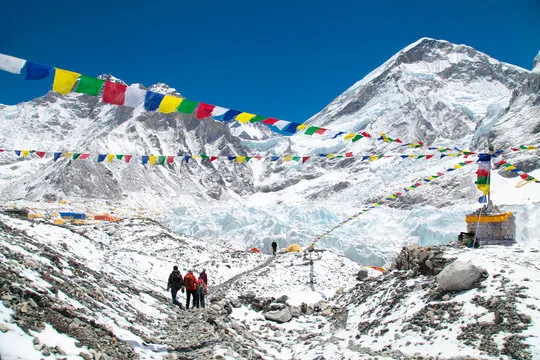
Finally, the day you’ve been waiting for arrives as you set foot on the sacred ground of Everest Base Camp. Surrounded by colorful prayer flags and the vibrant energy of climbers preparing for their ascent, you stand in awe of the towering giant, Mount Everest, casting its shadow over the vast expanse of the Khumbu Glacier. The sense of accomplishment and reverence for this hallowed ground is overwhelming, as you realize that you are now part of the legacy of those who have dared to dream and conquer the world’s tallest peak.
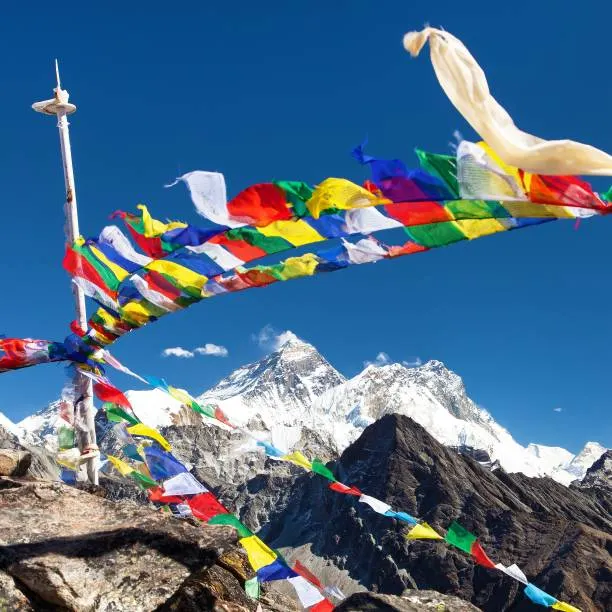
The journey doesn’t end at Everest Base Camp; in fact, it takes you even higher as you ascend to Kala Patthar. This towering viewpoint offers a breathtaking perspective of Mount Everest, Lhotse, and Nuptse, especially at sunrise when the first rays of light paint the peaks in hues of gold. The panoramic views from Kala Patthar are nothing short of surreal, etching themselves into your memory as a testament to your triumph over the high-altitude challenge.
As your descent begins, you head back to Pheriche and finally make your way to Namche Bazaar, retracing your steps and reflecting on the incredible experiences of the past days. The familiarity of the landscape is a welcome companion, and the knowledge that you’ve ventured into the heart of the Himalayas and back fills you with a sense of pride and accomplishment.
The trail continues its descent, leading you eventually to Lukla. The bustling streets and charming teahouses of Lukla welcome you back to civilization, a transition that highlights the stark contrast between the serene heights of the mountains and the comforts of urban life. Yet, the memories of your journey remain vivid, a testament to the indomitable spirit of adventure that has carried you through the highs and lows of the Himalayas.
Finally, you board a flight back to Kathmandu, bidding farewell to the Khumbu region and its awe-inspiring landscapes. The transition from the high Himalayas to the bustling city is a vivid contrast, offering a chance to reacquaint yourself with the comforts of urban life. However, the memories of the Everest Base Camp Trek continue to burn bright in your heart and mind, a reminder of the extraordinary journey you’ve undertaken.
As the adventure draws to a close, you prepare for your departure from Kathmandu. The city, though chaotic and bustling, now seems different, as if touched by the serenity of the mountains. You carry with you not just photographs and souvenirs, but a profound sense of accomplishment, a deep connection to the beauty and grandeur of the Himalayas, and a lifetime of stories and memories that will forever define your Everest Base Camp Trek. It is a dream realized, an adventure embraced, and an experience that will forever resonate in your heart and soul.
Best time for the Everest Base Camp Trek
Spring (March to May):
Spring is widely considered one of the best times for the Everest Base Camp Trek due to its exceptionally favorable weather conditions. During these months, trekkers are greeted with clear skies and mild daytime temperatures, creating an ideal environment for hiking. One of the standout features of this season is the magnificent blooming of rhododendron forests, which paint the landscape with vibrant hues of red, pink, and white. The presence of these colorful flowers adds a picturesque element to the natural surroundings, making the trek even more visually stunning. Additionally, spring offers clear visibility of the majestic mountain peaks, ensuring that you capture breathtaking views. However, it’s important to be aware that this is a popular trekking season, and you’re likely to encounter a higher number of fellow trekkers on the trail and find teahouses and lodges to be busier, creating a sense of camaraderie among travelers.
Autumn (September to November):
The autumn months represent another prime trekking season for the Everest Base Camp. Like spring, autumn boasts clear skies, creating stable and pleasant weather conditions. Daytime temperatures are comfortable, making the trek enjoyable, while the evenings bring cooler but still bearable temperatures. One of the distinct advantages of trekking during autumn is the relative lack of crowds compared to spring, allowing for a quieter and more serene experience. Trekkers during this season are treated to crisp, clear views of the breathtaking mountain peaks, providing ample opportunities for capturing spectacular photographs. Moreover, the autumn trek often coincides with local festivals such as Dashain and Tihar, which offer a unique chance to immerse yourself in the rich Sherpa culture and traditions of the region, making for a culturally enriching experience.
While spring and autumn are generally considered the best seasons for the Everest Base Camp Trek, other times of the year have their own unique appeals. Winter, for instance, offers a tranquil and pristine trekking experience, with the added advantage of fewer tourists, but it does come with colder temperatures and some closures of teahouses at higher elevations. On the other hand, the monsoon season, which occurs from June to August, is not recommended for trekking due to heavy rains, landslides, and challenging trail conditions. Ultimately, the choice of season for your Everest Base Camp Trek depends on your personal preferences, whether you prioritize comfortable weather, blooming rhododendrons, fewer crowds, or cultural experiences.
Everest Base Camp Trek Difficulty
The Everest Base Camp Trek presents a moderate to strenuous level of difficulty. Trekkers should be prepared to navigate rugged paths, steep ascents, and descents. The thin air at high altitudes, where oxygen levels are significantly lower, can make physical effort more demanding. This elevation can lead to altitude-related issues, such as acute mountain sickness (AMS), which requires careful acclimatization and attentiveness to one’s physical well-being.
The weather in the Everest region can be unpredictable, and trekkers should be prepared for sudden temperature drops and potential snowfall, especially in the early morning and late evening. The trail can be crowded during peak trekking seasons, which may slow progress and necessitate accommodation bookings in advance. Despite these challenges, the Everest Base Camp Trek is achievable for trekkers with a reasonable level of physical fitness and determination. Proper preparation, including physical conditioning, altitude acclimatization, and carrying essential gear, can enhance the overall experience and safety of the trek. Additionally, hiring a local guide can provide invaluable support in navigating the terrain and ensuring a successful and enjoyable journey to the base camp of the world’s highest peak, Mount Everest.
Everest Base Camp Trek Distance and Time Requirement
The Everest Base Camp Trek covers a total distance of approximately 130 kilometers (80 miles) round trip when starting from Lukla and returning. If you begin your trek from Namche Bazaar and return, the distance is approximately 51.2 kilometers (31.8 miles). The straight-line distance from Kathmandu to Everest Base Camp is roughly 153 kilometers (95 miles).
This iconic trek takes you to the foothills of Mt. Everest, allowing you to explore Sherpa villages and natural heritage sites along the way. The time required to complete the trek depends on your chosen route and means of transportation. If starting from Nepal’s side, you can finish the trek in 8, 12, or 14 days. Alternatively, a helicopter ride from Kathmandu Airport takes just 45 minutes.
With Green Horizon, a typical Everest Base Camp trek lasts for 14 days, including 2 days allocated for acclimatization on the itinerary. On average, you’ll cover a daily walking distance of 8 to 13 kilometers (5 to 8 miles), with a trekking duration of 5-7 hours each day.
Your journey begins in Lukla, where you’ll need to take an early morning flight from Kathmandu or Ramechhap, depending on the time of the year. For treks during April, May, October, and November, you’ll fly to Lukla from Ramechhap, which takes about 20 minutes. The Civil Aviation Authority of Nepal (CAAN) restricts direct commercial flights from Kathmandu to Lukla during these months due to traffic congestion at Kathmandu Airport. However, for other months, a direct flight from Kathmandu to Lukla typically takes around 45 minutes.
Upon landing at Lukla Airport, often referred to as one of the world’s most challenging airports, your Everest Base Camp trek officially commences. Here’s a breakdown of the daily distances and trekking times:
- Lukla (2,860 m) to Phakding (2,610 m): Approximately 9.3 kilometers (5.8 miles) with a time requirement of 3-4 hours.
- Phakding (2,610 m) to Namche (3,440 m): Approximately 9.4 kilometers (5.84 miles) with a time requirement of 5-6 hours.
- Namche (3,440 m) to Tengboche (3,860 m): Approximately 9.2 kilometers (5.72 miles) with a time requirement of 5-6 hours.
- Tengboche (3,860 m) to Dingboche (4,410 m): Approximately 9.1 kilometers (5.65 miles) with a time requirement of 4-6 hours.
- Dingboche (4,410 m) to Lobuche (4,910 m): Approximately 11 to 12 kilometers (6.8 to 7.5 miles) with a time requirement of 6-7 hours.
- Lobuche (4,910 m) to Gorak Shep (5,164 m): Approximately 4.5 to 5 kilometers (2.8 to 3.1 miles) with a time requirement of 2-3 hours.
- Gorak Shep (5,164 m) to Everest Base Camp (5,364 m): Approximately 3.5 kilometers (2.2 miles) with a time requirement of 1.5-3 hours.
- Gorak Shep (5,164 m) to Kala Patthar (5,545 m): Approximately 1.5-2.3 kilometers (0.9-1.4 miles) with a time requirement of 1-2 hours.
These distances and time requirements provide an overview of the trek’s daily stages, allowing you to plan your journey and acclimatization properly.
 |
 |
- Your journey begins with an exhilarating flight to Lukla, a picturesque town in the Khumbu district of Nepal, setting the tone for your thrilling adventure.
- As you venture into the Himalayas, you’ll trek on a path marked by the footsteps of legendary mountaineers and fellow trekkers who have dared to conquer the heights of the world’s highest peak.
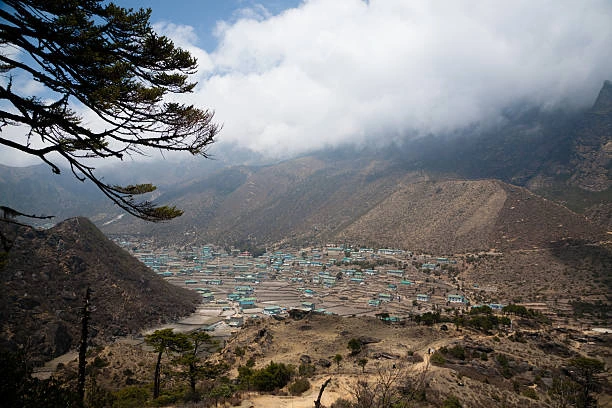
- Along the way, you’ll discover captivating Sherpa towns. These vibrant settlements provide insights into the lives of the Sherpa people, renowned for their legendary hospitality and resilience.
- The trek leads you through the pristine wilderness of the Sagarmatha National Park, a UNESCO World Heritage Site. Its diverse landscapes and rich flora and fauna offer a visual and sensory feast.
- Nestled in the Khumbu district, Namche Bazaar serves as the lively gateway to the Everest Base Camp. Its bustling marketplaces, cozy teahouses, and warm local hospitality create a dynamic atmosphere.
- The Tengboche Monastery stands as a spiritual centerpiece on your journey. The serene and ancient monastery, surrounded by towering peaks, exudes an aura of tranquility.
- The ultimate highlight of your trek is reaching the Everest Base Camp itself, standing at the foot of the world’s highest mountain, Mount Everest, which towers at 8,848.86 meters.
- The hike to Kala Patthar is an exhilarating experience. From this vantage point, you’ll witness a mesmerizing sunrise, casting a golden glow on the surrounding peaks, and enjoy panoramic views of the Everest region.
- Throughout your journey, you’ll enjoy front-row views of some of the world’s most majestic mountain ranges, including Mount Everest, Lhotse, and Nuptse, along with the enchanting Gokyo Lakes.
- Glaciers that carve their way through the landscape will captivate your gaze, showcasing nature’s dynamic forces and creating a captivating spectacle.
- Your adventure concludes with a scenic flight from Lukla, treating you to awe-inspiring aerial views of the Everest district, offering a bird’s-eye perspective of the terrain you’ve conquered and the magnificent mountains you’ve come to know and love.
Itinerary of Everest Base Camp Trek
Day 01: Arrive at Kathmandu's Tribhuvan International Airport (TIA)
As you land at Kathmandu’s Tribhuvan International Airport, our team’s representative will be readily waiting for you at the arrival terminal. Keep an eye out for the person holding a sign with your name!
With a warm welcome, the representative will receive you and arrange your transfer to your accommodation in Kathmandu. Upon check-in, you’ll be provided with a brief overview of our exciting plans for the Everest Base Camp Trek with a helicopter return. For the night, make yourself comfortable at your hotel in Kathmandu.

Duration
4-5 hours trek
Distance
4-5 hours trek
Activity
Flight and Trek
Accommodation
3 Star Hotel in kathmandu
Meals
Welcome DinnerDay 02: Kathmandu Sightseeing Tour
Your second day begins with a guided sightseeing tour of the cultural, historical, and artistic treasures that adorn Kathmandu, all of which have earned a place on the UNESCO World Heritage Site list.
After enjoying your breakfast, your knowledgeable tour guide will collect you for a captivating city tour. The day’s exploration kicks off at Patan Durbar Square, a historical palace dating back to the 16th century, from the Malla dynasty’s medieval era in Nepal. The palace complex boasts a regal palace, courtyards, and an array of ornate temples. Your tour continues as you explore the palace’s surroundings and delve into the museum housed within its walls. Following this, your journey proceeds to Swayambhunath Stupa, an imposing stupa perched atop a hill, surrounded by an array of Buddha statues and monasteries.
Subsequently, a visit to Pashupatinath Temple awaits you, an ancient Hindu temple replete with temples and statues steeped in history. Lastly, the Boudhanath Stupa, a colossal stupa resting on a three-tiered mandala, provides a fitting conclusion to the day’s explorations. You’ll have the opportunity to explore these cultural treasures, and then you’ll be chauffeured back to your hotel. You may also take this day to shop for any necessary gear for your forthcoming Everest Base Camp Trek with a helicopter return. Spend the night at your hotel in Kathmandu.
Duration
6 hours
Distance
10-20 km
Activity
Sightseeing
Accommodation
Hotels
Meals
Breakfast Incuded
Max Altitude
1300mDay 03: Fly to Lukla, then hike to Phakding (2652 m/8699 ft). Duration: 3 hours.
The adventure officially begins today! In the early morning, we will pick you up and accompany you to the domestic terminal of Kathmandu airport. There, you’ll embark on a thrilling flight to Lukla Airport, nestled in Nepal’s Khumbu region. This area is renowned for its status as a beloved and frequently visited trekking destination, with the world’s highest mountain, Mount Everest, proudly standing as its crowning jewel.
The flight to Lukla offers awe-inspiring views of majestic mountains. Upon landing in Lukla, you’ll meet the remaining members of our team, who will be joining you on your Everest Base Camp Trek. From Lukla, your journey commences as you embark on a trail that gently descends to the Dudh Koshi River before ascending along a well-marked path to Phakding. For the night, you’ll find comfortable lodgings at a guesthouse in Phakding.
Duration
5-6 hours
Distance
145 km
Activity
Transport,Flight,Walk
Accommodation
Guesthouse/Teahouse
Meals
Breakfast, Lunch, and Dinner Included
Max Altitude
2860mDay 04: Trek to Namche (3440m/11283 ft) Duration: 5–6 hours.
The days ahead promise more excitement! Leaving Phakding behind, your route will guide you through the Sagarmatha National Park. You’ll traverse a forested landscape, surrounded with diverse flora and fauna.
On your way to Namche, you’ll encounter captivating Sherpa villages like Monjo and Jorsale. The journey from Phakding to Namche encompasses numerous undulations, with both ascents and descents. Although the terrain can be demanding, the crisp mountain air, panoramic views, and the allure of reaching the world’s highest point, Mount Everest, will inspire you to keep moving forward. For the night, find welcoming accommodations at a guesthouse in Namche.
Duration
5-6 Hours
Distance
Approximately 7–8 km
Activity
Trekking
Accommodation
Guesthouse/Teahouse
Meals
Breakfast, Lunch, and Dinner Included
Max Altitude
3440mDay 05: Acclimatization Day: Hike to Everest View Hotel (3865m/12680ft) Duration: 3 hours.
Today marks your arrival in Namche, perched at an elevation of around 3440 meters. This altitude necessitates a break for acclimatization. Namche Bazaar is a bustling town in the Khumbu region, serving as the exclusive gateway to Everest. It brims with a variety of conveniences, including hotels, lodges, cyber cafes, shops, and more. After your breakfast at the guesthouse, you’ll embark on a hike to the Everest View Hotel. Here, you’ll be treated to breathtaking views of mountains like Mount Everest, Mount Ama Dablam, Mount Lhotse, Mount Nuptse, Mount Cho-Oyu, Mount Thamserku, Mount Tawache, and numerous others, all visible from the hotel’s balcony. Following your time at the hotel, you’ll make your way back to Namche, making pit stops at a photo gallery, museum, and several Sherpa villages along the way. Spend the night at a guesthouse in Namche.
Duration
3-4 hours
Distance
Approximately 3-4 km
Activity
Acclimatization hike & sightseeing
Accommodation
Guesthouse/Teahouse
Meals
Breakfast, Lunch, and Dinner Included
Max Altitude
3865mDay 06: Trek to Tengboche (3860m/12660ft) Duration: 5–6 hours.
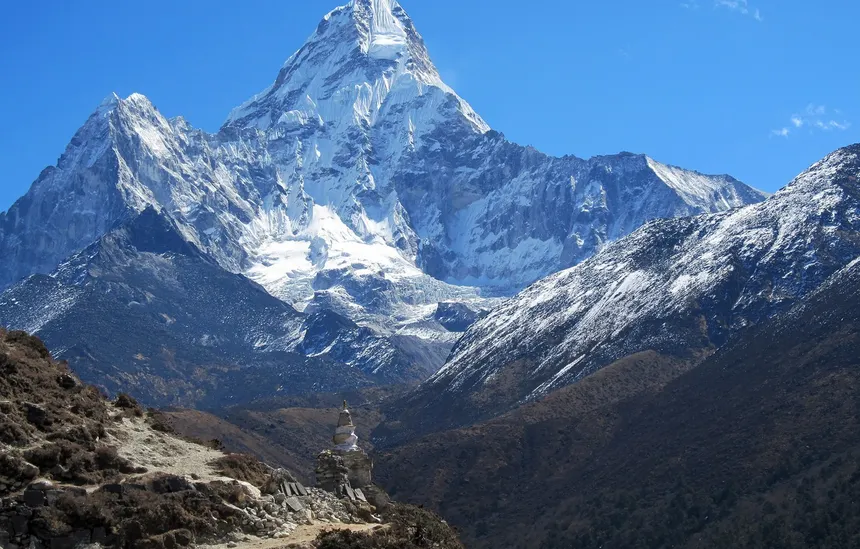
As you depart from Namche, you’ll traverse a trail that ascends to Tengboche, resting at an elevation of 3860 meters. The route offers a relatively easy ascent to Tengboche and rewards you with astounding views of Mount Everest, as well as neighboring peaks like Mount Ama Dablam, Mount Lobuche, and many others. Initially, you’ll descend to the Dudh Kosi valley at Pungi Thanka before gradually ascending to Tengboche. At Tengboche, you’ll have the chance to visit the renowned Tengboche Monastery, a significant Buddhist monastery along the path to Everest. The monastery is not only a spiritual landmark but also boasts a spectacular location. It offers a view of the majestic Mount Ama Dablam rising just above the monastery. The sight of Mount Everest, Mount Nuptse, Mount Lhotse, Mount Lobuche, and other mountains in the region is equally magnificent. Your overnight stay will be at a guesthouse in Tengboche.
Duration
5-6 hours
Distance
Approximately 9-10 km
Activity
Trekking
Accommodation
Guesthouse/Teahouse
Meals
Breakfast, Lunch, and Dinner Included
Max Altitude
3860mDay 07: Trek to Dingboche (4410m/14464 ft) - Duration: 5–6 hours
Today, you’ll continue your trek towards Dingboche from Tengboche. As you leave Tengboche, you’ll descend to the Imja River and then follow a scenic trail with breathtaking mountain views to reach the charming Pangboche village. Pangboche, situated at 3900 meters, offers dramatic views of mountains such as Mt. Everest, Mt. Amadablam, and Mt. Lhotse. As you ascend through pastures and yak herder settlements, you’ll eventually reach the expansive Dingboche, often referred to as the “summer valley.” It’s a picturesque place, especially during the summer when the grasslands are lush and yaks graze peacefully. Tonight, you’ll stay at a guesthouse in Dingboche.
Duration
5-6 hours
Distance
Approximately 10-11 km
Activity
Trekking
Accommodation
Guesthouse/Teahouse
Meals
Breakfast, Lunch, and Dinner Included
Max Altitude
4410mDay 08: Acclimatization Day: Hike to Nagerjun (5100m/16728ft) - Duration: 6-7 hours
Acclimatization is essential for your health and safety as you gain altitude. Today, you’ll stay in Dingboche for acclimatization. After breakfast, you’ll embark on a challenging hike to Nagerjun. Nagerjun, perched at 5,100 meters, is a stunning viewpoint overlooking Dingboche and the Chhukung Valley. The trail is steep, but the panoramic mountain views from the top make it worthwhile. You’ll be treated to breathtaking vistas of peaks like Lobuche, Thamserku, Taboche, Kangtega, Mt. Ama Dablam, and even the fifth-highest mountain in the world, Mt. Makalu. After soaking in the views, you’ll descend back to Dingboche, where you’ll spend the night at a guesthouse.
Duration
6-7 hours
Distance
Approximately 5-6 km
Activity
Acclimatization hike
Accommodation
Guesthouse/Teahouse
Meals
Breakfast, Lunch, and Dinner Included
Max Altitude
5100mDay 09: Trek to Lobuche (4910m/16105ft) - Duration: 5 hours
Your journey brings you closer to Everest Base Camp as you leave Dingboche today. Your destination is Lobuche at an elevation of 4,910 meters. You’ll start by following a trail that leads you through a wide valley, passing Dughla along the way. As you continue, you’ll reach Pheriche at 4,240 meters, where you may come across Western doctors providing voluntary medical services to trekkers. The trail takes you through valleys and yak pastures before you reach Lobuche, which is your resting place for the night.
Duration
5 hours
Distance
Approximately 8 km
Activity
Trekking
Accommodation
Guesthouse/Teahouse
Meals
Breakfast, Lunch, and Dinner Included
Max Altitude
4910mDay 10: Gorak Shep to Everest Base Camp (5364 m/17594ft) and then to Pheriche - Walking Distance: 14 to 15 km, Duration: 8 hours
Day 10: Gorak Shep to Everest Base Camp (5364 m/17594ft) and then to Pheriche – Walking Distance: 14 to 15 km, Duration: 8 hours Today, you’ll fulfill one of your greatest aspirations by trekking to the Everest Base Camp, situated at an altitude of 5,364 meters. After breakfast in Gorak Shep, embark on the exhilarating journey to the base camp of the world’s highest mountain, Mt. Everest. Traversing through the Khumbu Glacier, the highest glacier globally at an elevation of 4,900 meters, you’ll be captivated by the awe-inspiring surroundings. Wander amidst the Sagarmatha expedition group’s campsite and the Khumbu icefall. Celebrate this momentous achievement with your fellow trekkers, capturing these extraordinary moments in photographs and creating lasting memories.
Duration
8 hours
Distance
14-15 km
Activity
Trekking
Accommodation
Guesthouse/Teahouse
Meals
Breakfast, Lunch, and Dinner Included
Max Altitude
5364mDay 11: Pheriche to Namche Bazaar - Duration: 7 hours
Bid farewell to the high mountains as you begin your descent back to Namche Bazaar. The trail may be long, but the majestic views of the Everest region will accompany you along the way. Enjoy the breathtaking mountain landscapes once more, taking short breaks to cherish these final moments of your trek. Descending through the scenic communities of Orsho, Somare, Pangboche, and Tengboche, you’ll eventually reach Namche. Upon arriving in Namche, take the opportunity to indulge in a hot shower and perhaps visit local cafes for some freshly baked cookies or your favorite coffee. Spend your night in a comfortable guesthouse, reminiscing about your remarkable journey.
Duration
7 hours
Distance
Approximately 15 km
Activity
Trekking
Accommodation
Guesthouse/Teahouse
Meals
Breakfast, Lunch, and Dinner Included
Max Altitude
3440mDay 12: Namche Bazaar to Lukla - Walking Distance: 18 to 19 km, Duration: 7 hours
Take one last look at the awe-inspiring mountain scenery before your final descent to Lukla. Retrace your steps through Jorsale, Monjo, and Phakding, while traversing through lush forests and the remarkable mountainous terrain. As you bid farewell to the mighty mountains and the stunning trails of Everest, enjoy the final minutes of your trek. In the evening, join in the celebration of your successful Everest Base Camp journey with your fellow trekkers and the trekking crew. Express your gratitude to the porters, guides, and all those who contributed to your memorable experience. Tonight, you’ll spend your last night in Lukla, reminiscing about your unforgettable adventure.
Duration
7 hours
Distance
18-19 km
Activity
Trekking
Accommodation
Guesthouse/Teahouse
Meals
Breakfast, Lunch, and Dinner Included
Max Altitude
2860mDay 13: Fly from Lukla to Kathmandu
Your adventure concludes with an exciting flight from Lukla to Kathmandu. As you embark on this scenic flight, enjoy the stunning vistas and take one last look at the high mountains that accompanied you during your trek. Upon arrival at Tribhuvan International Airport in Kathmandu, your guide will facilitate your transfer to your hotel. You’ll have the rest of the day to explore the vibrant streets of Kathmandu, savoring local cuisine and reflecting on your remarkable journey.
Duration
35-40 minutes (flight)
Activity
Flight & Transport
Accommodation
Hotel
Meals
Breakfast
Max Altitude
1399mDay 14: Departure from Kathmandu
On this day, it’s time to say your farewells to Kathmandu and Nepal. A representative from your trekking team will accompany you to the airport to ensure a smooth departure. If you’re considering extending your stay in Nepal or have any post trek plans, your trekking team is ready to assist you with any arrangements. Your Everest Base Camp Trek has undoubtedly left you with unforgettable memories and a profound sense of accomplishment. Thank you for sharing this incredible journey with us, and have a safe and pleasant journey home.
Accommodation
Hotel
Meals
BreakfastIncludes/Excludes
What's included?
- Airport pick up and drop in a private vehicle
- Kathmandu Sightseeing
- 2 nights accommodation at a 3 star hotel in Kathmandu
- Breakfast and Welcome Dinner in Kathmandu
- Best accommodation options during the trek
- Government licensed trekking guide and a porter
- All the permits and entry fees required for the trek
- Trip completion certificate
What's not included?
- Foods during the trek
- Nepal Visa and Travel Insurance
- Tips for drivers, guides and porters
- Any soft or alcoholic beverages consumed during the trek
- Personal trekking gears
- Other expenses that are not mentioned in the inclusive

Trip Information - Good to Know
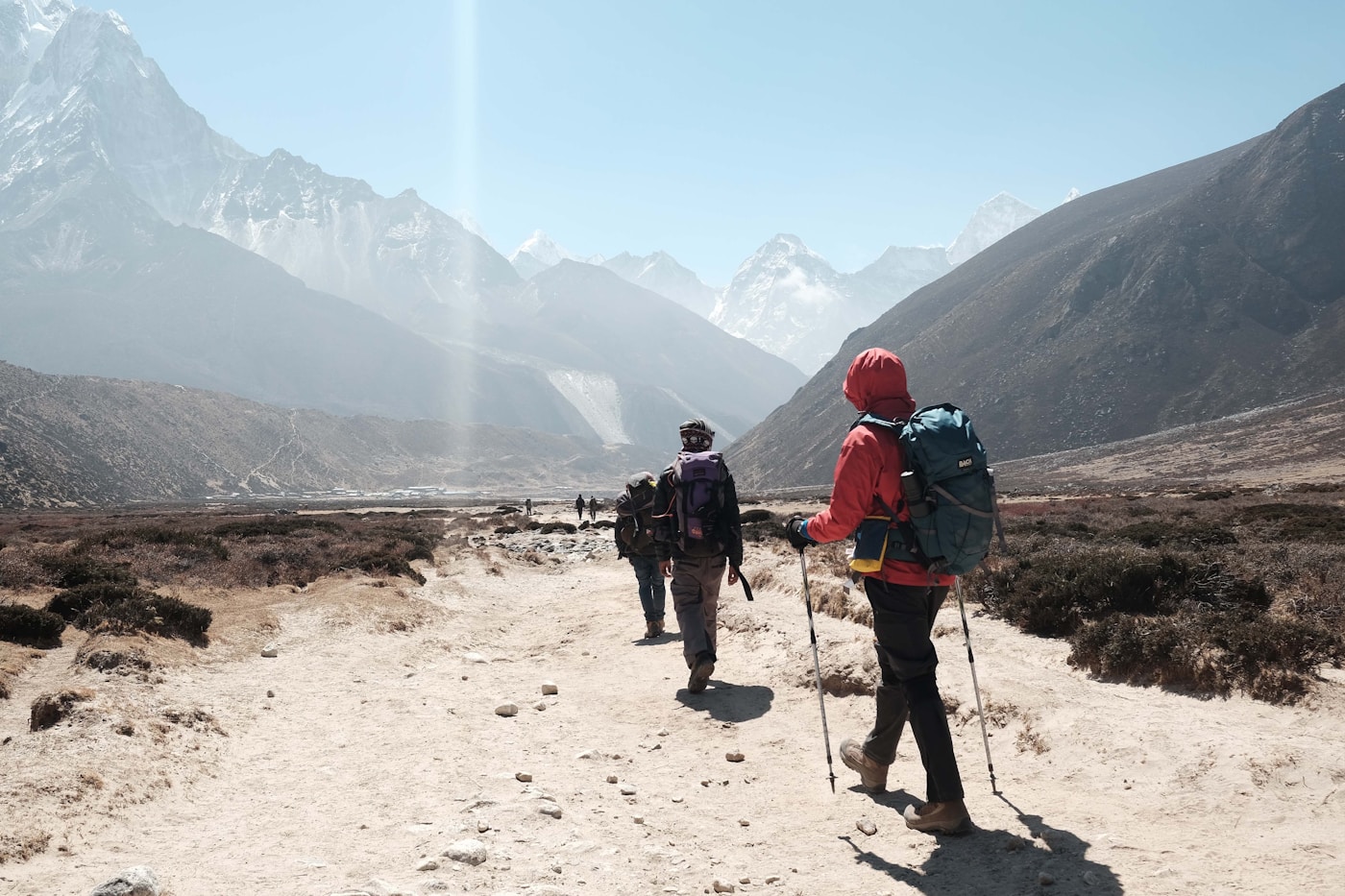
Best time for Everest Base Camp Trek
Spring (March to May)
Spring is widely considered one of the best times for the Everest Base Camp Trek due to its exceptionally favorable weather conditions. During these months, trekkers are greeted with clear skies and mild daytime temperatures, creating an ideal environment for hiking. One of the standout features of this season is the magnificent blooming of rhododendron forests, which paint the landscape with vibrant hues of red, pink, and white. The presence of these colorful flowers adds a picturesque element to the natural surroundings, making the trek even more visually stunning. Additionally, spring offers clear visibility of the majestic mountain peaks, ensuring that you capture breathtaking views. However, it’s important to be aware that this is a popular trekking season, and you’re likely to encounter a higher number of fellow trekkers on the trail and find teahouses and lodges to be busier, creating a sense of camaraderie among travelers.
Autumn (September to November)
The autumn months represent another prime trekking season for the Everest Base Camp. Like spring, autumn boasts clear skies, creating stable and pleasant weather conditions. Daytime temperatures are comfortable, making the trek enjoyable, while the evenings bring cooler but still bearable temperatures. One of the distinct advantages of trekking during autumn is the relative lack of crowds compared to spring, allowing for a quieter and more serene experience. Trekkers during this season are treated to crisp, clear views of the breathtaking mountain peaks, providing ample opportunities for capturing spectacular photographs. Moreover, the autumn trek often coincides with local festivals such as Dashain and Tihar, which offer a unique chance to immerse yourself in the rich Sherpa culture and traditions of the region, making for a culturally enriching experience.
While spring and autumn are generally considered the best seasons for the Everest Base Camp Trek, other times of the year have their own unique appeals. Winter, for instance, offers a tranquil and pristine trekking experience, with the added advantage of fewer tourists, but it does come with colder temperatures and some closures of teahouses at higher elevations. On the other hand, the monsoon season, which occurs from June to August, is not recommended for trekking due to heavy rains, landslides, and challenging trail conditions. Ultimately, the choice of season for your Everest Base Camp Trek depends on your personal preferences, whether you prioritize comfortable weather, blooming rhododendrons, fewer crowds, or cultural experiences.
Everest Base Camp Trek Difficulty
The Everest Base Camp Trek presents a moderate to strenuous level of difficulty. Trekkers should be prepared to navigate rugged paths, steep ascents, and descents. The thin air at high altitudes, where oxygen levels are significantly lower, can make physical effort more demanding. This elevation can lead to altitude-related issues, such as acute mountain sickness (AMS), which requires careful acclimatization and attentiveness to one’s physical well-being.
The weather in the Everest region can be unpredictable, and trekkers should be prepared for sudden temperature drops and potential snowfall, especially in the early morning and late evening. The trail can be crowded during peak trekking seasons, which may slow progress and necessitate accommodation bookings in advance. Despite these challenges, the Everest Base Camp Trek is achievable for trekkers with a reasonable level of physical fitness and determination. Proper preparation, including physical conditioning, altitude acclimatization, and carrying essential gear, can enhance the overall experience and safety of the trek. Additionally, hiring a local guide can provide invaluable support in navigating the terrain and ensuring a successful and enjoyable journey to the base camp of the world’s highest peak, Mount Everest.
Everest Base Camp Trek Distance and Time Requirement
The Everest Base Camp Trek covers a total distance of approximately 130 kilometers (80 miles) round trip when starting from Lukla and returning. If you begin your trek from Namche Bazaar and return, the distance is approximately 51.2 kilometers (31.8 miles). The straight-line distance from Kathmandu to Everest Base Camp is roughly 153 kilometers (95 miles).
This iconic trek takes you to the foothills of Mt. Everest, allowing you to explore Sherpa villages and natural heritage sites along the way. The time required to complete the trek depends on your chosen route and means of transportation. If starting from Nepal’s side, you can finish the trek in 8, 12, or 14 days. Alternatively, a helicopter ride from Kathmandu Airport takes just 45 minutes.
With Green Horizon, a typical Everest Base Camp trek lasts for 14 days, including 2 days allocated for acclimatization on the itinerary. On average, you’ll cover a daily walking distance of 8 to 13 kilometers (5 to 8 miles), with a trekking duration of 5-7 hours each day.
Your journey begins in Lukla, where you’ll need to take an early morning flight from Kathmandu or Ramechhap, depending on the time of the year. For treks during April, May, October, and November, you’ll fly to Lukla from Ramechhap, which takes about 20 minutes. The Civil Aviation Authority of Nepal (CAAN) restricts direct commercial flights from Kathmandu to Lukla during these months due to traffic congestion at Kathmandu Airport. However, for other months, a direct flight from Kathmandu to Lukla typically takes around 45 minutes.
Upon landing at Lukla Airport, often referred to as one of the world’s most challenging airports, your Everest Base Camp trek officially commences. Here’s a breakdown of the daily distances and trekking times:
Frequently Asked Questions
Why Book Everest Base Camp trek with Green Horizon ?
Choosing Green Horizon for your Everest Base Camp Trek means traveling with a trusted local team that combines professionalism, safety, and authentic hospitality. We specialize in personalized trekking experiences, offering private and small-group trips tailored to your needs, pace, and comfort level. Our experienced guides and reliable porters are passionate about sharing their knowledge of the Himalayas while ensuring your safety and well-being every step of the way. From seamless logistics including domestic flights, permits, and comfortable teahouse accommodations to 24/7 support and flexible itineraries, we take care of all the details so you can focus on the adventure. With Green Horizon, you don’t just reach Base Camp—you immerse yourself in the culture, landscapes, and spirit of the Everest region, creating memories that last a lifetime.
Can the guide speak English?
Yes, our trekking guides speak English. Our experienced Nepal trekking guides have 3–4 years of hands-on trekking experience and can communicate clearly with international travelers. They also assist with local communication, ensuring a smooth and comfortable trekking experience in Nepal.
What are the key highlights of the trek?
-
Panoramic views of Mount Everest, Lhotse, Nuptse, Ama Dablam
-
Visiting Namche Bazaar and other Sherpa villages
-
Tengboche Monastery and Debuche/Pangboche cultural stops
-
Sunrise views from Kala Patthar
-
Exploring Sagarmatha National Park, a UNESCO World Heritage Site
Can I do a private Everest Base Camp Trek?
Yes, private trips offer flexibility, a personalized pace, and comfort, with dedicated guides and porters ensuring a smooth, safe journey.
What is a Helicopter Trek to Everest Base Camp?
The Helicopter Trek is an alternative for those who want to experience Everest Base Camp without completing the full 12–14 day trek. The trek usually takes 5 to 7 hours as a round trip from Kathmandu. During the flight, you can enjoy breathtaking views of the Himalayas and land at either Everest Base Camp or Kala Patthar to witness stunning sunrise vistas. This option is ideal for travelers who are short on time, elderly, or unable to trek long distances.
Trip Reviews
 Write a Review








- Best Price Guarantee
- Secure & easy booking
- Easy trip date changes
- Discount for groups

Similar Trips

How to book a trip?

make free inquiry

confirm the trip
