


Nar Phu Valley And Kang La Pass Trek


Trip Duration
15 Days
Group Sizes
0-15 People
Transportation
Ground and Flight
Destination
Nar Phu Valley And Kang La Pass Trek
Max. Altitude
5322m
Nature of Trip
Trekking
Best Season
Spring and Autumn
Activities
- City tour
- Trekking

Difficulty
Moderate
Meals
- Breakfast
- Lunch
- Dinner

Start & End Point
Kathmandu
Accommodation
- Tea Houses
- 4 star
Overview of Nar Phu Valley And Kang La Pass Trek
 |
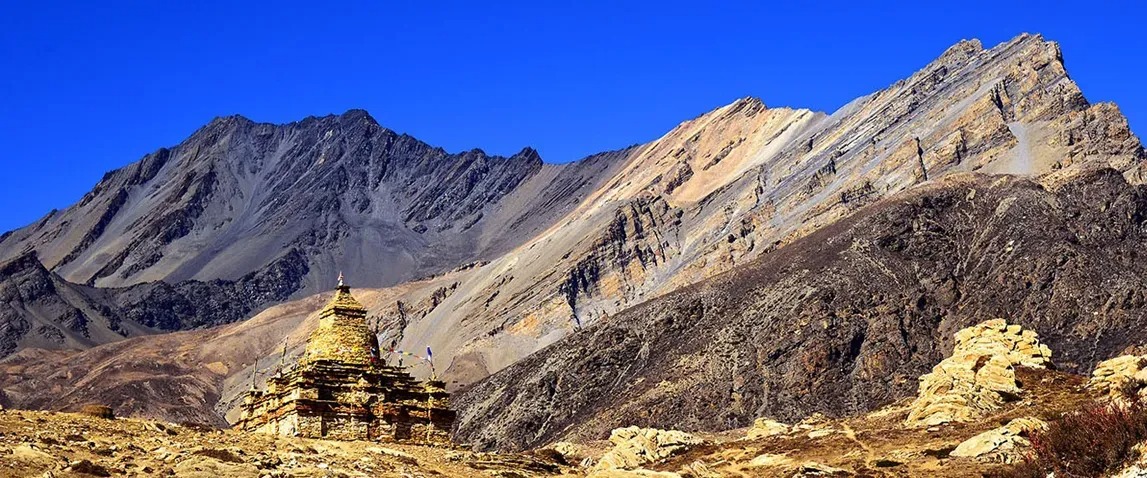 |
The Nar Phu Valley and Kang La Pass Trek is a hidden gem in the Annapurna region of Nepal, offering trekkers an adventurous journey through remote valleys and high mountain passes. This trek combines the rugged beauty of the Nar and Phu valleys with the challenge of crossing the Kang La Pass at 5,320 meters. Trekkers will experience the unique culture and traditions of the local communities, explore ancient monasteries, and enjoy stunning panoramic views of the Annapurna and Himlung Himal ranges. The Nar Phu Valley and Kang La Pass Trek is perfect for those seeking solitude, cultural immersion, and the thrill of high-altitude trekking.
The Nar Phu Valley and Kang La Pass Trek begins from the town of Jagat, following the initial stages of the Annapurna Circuit before branching off into the remote and secluded valleys of Nar and Phu. This trek offers a unique combination of natural beauty and cultural exploration, taking trekkers through pristine landscapes and traditional Tibetan-style villages.
The journey to Phu Village is a step back in time, as trekkers pass through narrow canyons, lush forests, and remote settlements. Phu Village, perched high on a hill, offers stunning views of the surrounding mountains and a glimpse into the ancient lifestyle of its inhabitants. The village is known for its centuries-old monasteries, traditional stone houses, and the unique culture of the Phu people.
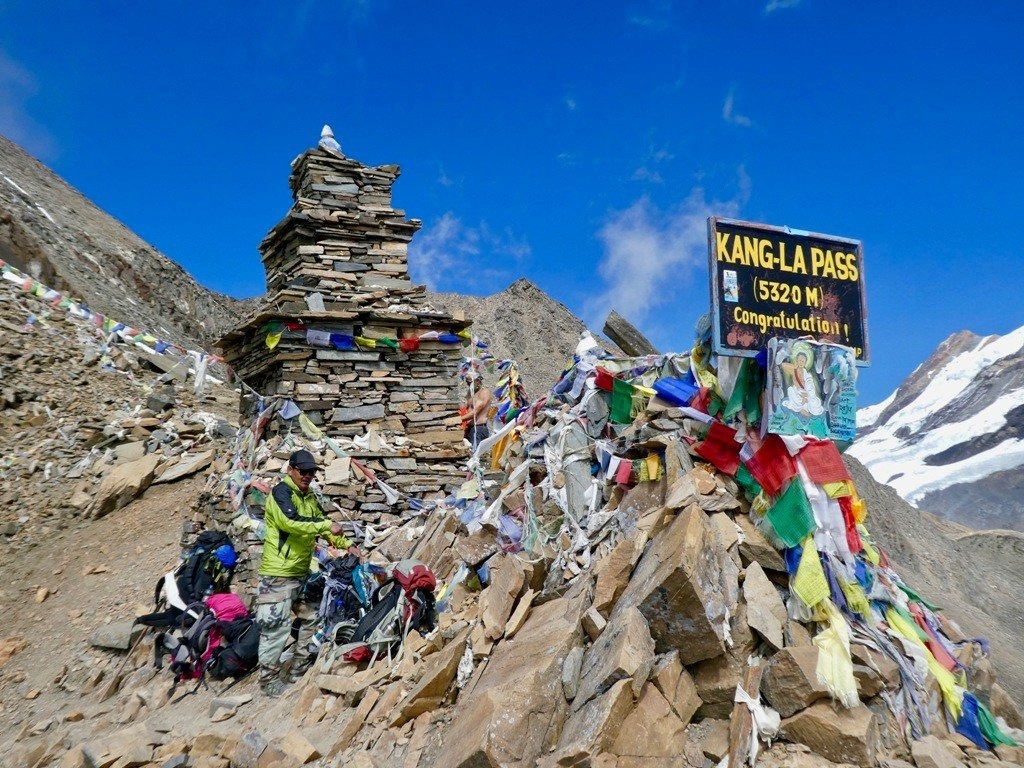
The Kang La Pass, standing at 5,320 meters, is the highest point of the trek and offers a challenging yet rewarding experience. The ascent is steep and demanding, but the breathtaking views of the Annapurna, Himlung Himal, and other peaks make it all worthwhile. The descent from the pass leads trekkers into the Nar Valley, with its picturesque landscapes and traditional villages.
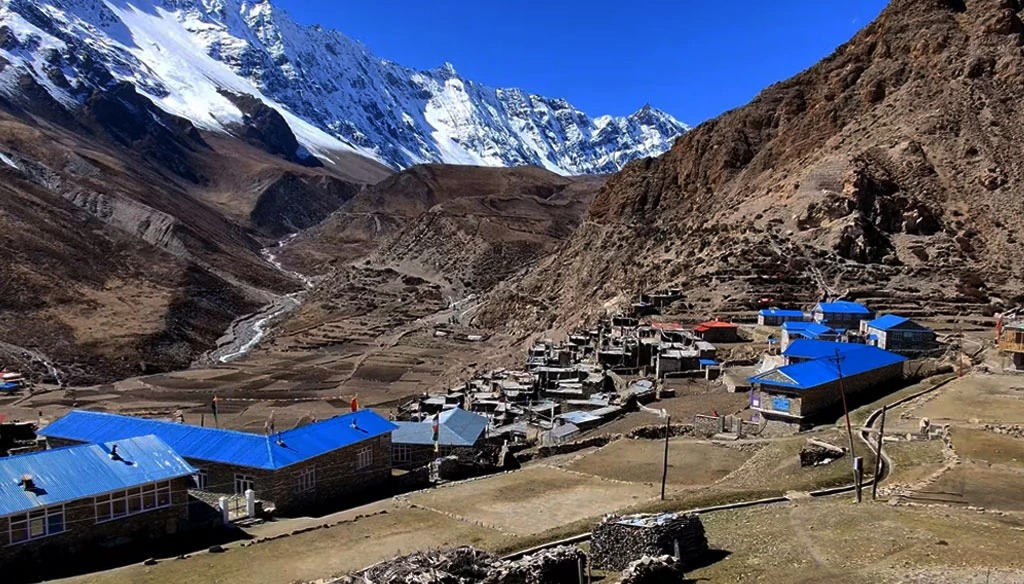
From the Kang La Pass, the trail descends into the Nar Valley, passing through the village of Nar. Nar Village is known for its vibrant culture, traditional architecture, and the hospitality of its residents. The trek then continues to Pisang, where trekkers rejoin the Annapurna Circuit, offering a familiar yet equally stunning route back to the main trail.
The final segment of the trek takes you through the beautiful villages of Manang and Thorong Phedi, providing an opportunity to acclimatize before crossing the famous Thorong La Pass. The trek concludes with a descent to Muktinath, a sacred pilgrimage site, and a journey through the Kali Gandaki Valley to Jomsom.
Best Time for Nar Phu Valley and Kang La Pass Trek
The best time for the Nar Phu Valley and Kang La Pass Trek is during the spring (March to May) and autumn (September to November) seasons. Spring offers blooming rhododendrons and lush landscapes, while autumn provides clear skies and stable weather, ideal for trekking and panoramic mountain views. Both seasons offer excellent visibility and comfortable trekking conditions, making them perfect for this challenging and culturally enriching trek.
Difficulty of Nar Phu Valley and Kang La Pass Trek
The Nar Phu Valley and Kang La Pass Trek is considered moderately to highly challenging, requiring a good level of physical fitness. The trek involves long days of walking, steep ascents and descents, and the challenge of crossing the high-altitude Kang La Pass. Proper acclimatization and preparation are essential to manage the high altitude and varying weather conditions. Trekkers should be prepared for basic accommodations and the physical demands of the trek, including potentially harsh weather conditions at higher altitudes.
Distance and Time Requirement for Nar Phu Valley and Kang La Pass Trek
The Nar Phu Valley and Kang La Pass Trek typically spans around 14-15 days, covering a distance of approximately 150 kilometers on foot. Each day of trekking involves an average of 7-8 hours of walking, traversing through diverse landscapes including lush forests, rugged canyons, and high-altitude villages. The route passes through traditional settlements like Dharapani, Koto, Meta, Phu Village, and Nar Village, offering a unique cultural immersion alongside breathtaking Himalayan scenery. The highlight of the trek is crossing Kang La Pass at 5,322 meters, a challenging ascent that rewards trekkers with panoramic views of towering peaks and pristine valleys.
|
|
Highlights of Nar Phu Valley and Kang La Pass Trek
- Explore the remote and pristine Nar and Phu valleys, away from the crowded trekking trails.
- Cross the challenging Kang La Pass (5,320 m) with breathtaking views of the Annapurna and Himlung Himal ranges.
- Experience the unique culture and traditions of the Nar and Phu communities.
- Visit ancient monasteries and traditional stone houses in Phu Village.
- Enjoy the serene landscapes and spectacular mountain vistas throughout the trek.
- Rejoin the Annapurna Circuit and experience the beauty of Manang, Thorong La Pass, and the Kali Gandaki Valley.
- Witness the warm hospitality of the local communities and gain insight into their traditional way of life.
Itinerary of Nar Phu Valley And Kang La Pass Trek
Day 1: Arrival in Kathmandu (1,400 m)
Upon your arrival at Tribhuvan International Airport in Kathmandu, you will receive a warm welcome and be transferred to your hotel. Take some time to settle in and rest from your journey. Depending on your arrival time, you might explore the vibrant streets of Thamel, visit nearby cultural landmarks like Durbar Square, or simply relax and prepare for your upcoming adventure.

Activity
Rest,Exploring
Max Altitude
1401mDay 2: Drive to Jagat (1,300 m)
Today, embark on a scenic drive from Kathmandu to Jagat, the starting point of your Nar Phu Valley and Kang La Pass Trek. Enjoy stunning views of the Trishuli River and the lush valleys of Nepal along the way. You’ll pass through rural villages where locals go about their daily lives amidst breathtaking landscapes. Upon reaching Jagat, settle into a local guesthouse, meet your trekking crew, and prepare for the journey ahead.
Activity
Traveling
Max Altitude
1301mDay 3: Trek to Dharapani (1,960 m)
Your trek officially begins today with a gradual ascent through terraced fields and verdant forests. The trail follows the Marsyangdi River, and you’ll cross suspension bridges that sway gently over rushing waters. Pass through quaint villages where the locals greet you warmly, offering a glimpse into rural Nepalese life. Tonight, rest in Dharapani, a peaceful village surrounded by serene mountain vistas.
Activity
Trekking
Max Altitude
1960mDay 4: Trek to Koto (2,610 m)
Continue your trek through dense forests and picturesque landscapes characterized by cascading waterfalls and terraced farms. The trail involves both steep climbs and descents as you make your way to Koto. This small village charms with its traditional stone houses and narrow winding streets, offering a glimpse into the local culture and way of life.
Activity
Trekking
Max Altitude
2610mDay 5: Trek to Meta (3,560 m)
Today’s journey takes you through enchanting forests of pine and rhododendron, ascending gradually towards Meta. As you trek, marvel at the stunning waterfalls that punctuate the landscape, adding to the natural beauty surrounding you. Meta is a tranquil village adorned with traditional houses, where the hospitality of the locals enhances your mountain experience.
Activity
Trekking
Max Altitude
3560mDay 6: Trek to Phu Village (4,080 m)
Set out for Phu Village, navigating narrow canyons and crossing suspension bridges that offer breathtaking views of the Himalayas. Pass through villages like Chyakhu and Kyang, each with its own unique charm and traditional architecture. Arrive at Phu Village, a larger settlement adorned with ancient monasteries and stone houses, providing insight into the rich cultural heritage of the region.
Activity
Trekking
Max Altitude
4080mDay 7: Acclimatization Day in Phu Village
Take a well-deserved rest day in Phu Village to acclimatize to the higher altitude. Explore the village’s monasteries, interact with the friendly locals, or embark on a hike to nearby glaciers for panoramic mountain views. This day helps prepare you for the challenges ahead, including crossing the high-altitude Kang La Pass.
Activity
Acclimatization
Max Altitude
4082mDay 8: Trek to Nar Village (4,110 m)
Continue your trek towards Nar Village, passing through lush forests and crossing babbling streams along the way. Nar Village, near the Tibetan border, offers a unique cultural experience with its traditional architecture and serene mountain backdrop. Take in the views of towering peaks and immerse yourself in the local culture before resting for the night.
Activity
Trekking
Max Altitude
4110mDay 9: Acclimatization Day in Nar Village
Another day is dedicated to acclimatization in Nar Village. Consider hiking to the Himlung Himal Base Camp for panoramic vistas or exploring the nearby Tibetan border for cultural insights. Use this day wisely to adjust to the altitude and prepare for the rigorous ascent over Kang La Pass.
Activity
Acclimatization
Max Altitude
4109mDay 10: Trek to Ngawal (3,660 m)
Embark on a picturesque trek from Nar Village to Ngawal, passing through traditional villages and enjoying sweeping views of Annapurna II and Gangapurna. Ngawal, known for its Tibetan-influenced architecture and terraced fields, offers a tranquil atmosphere to unwind after a day of trekking. Immerse yourself in the local culture and hospitality before continuing your journey.
Activity
Trekking
Max Altitude
3660mDay 11: Cross Kang La Pass (5,322 m) and Trek to Ngawal (3,660 m)
Today marks a challenging yet rewarding journey as you conquer Kang La Pass at an elevation of 5,322 meters. Marvel at the panoramic views of Annapurna II, Gangapurna, and other towering peaks as you ascend to the pass. Descend carefully through steep trails and loose rocks to reach Ngawal village, where you can relax and reflect on your accomplishment amidst the serene mountain backdrop.
Activity
Trekking
Max Altitude
5322mDay 12: Trek to Manang (3,540 m)
Descend from Ngawal through fragrant pine forests and lush landscapes, passing ancient villages and Buddhist monasteries along the way. Arrive at Manang, a picturesque village nestled at the northern end of the Annapurna Circuit. Explore the village’s cultural attractions, visit the Himalayan Rescue Association clinic, and unwind at a local guesthouse as you prepare for the journey back.
Activity
Trekking
Max Altitude
3540mDay 13: Drive back to Besisahar
Day 14: Drive back to Kathmandu
Day 15: Final Departure
Includes/Excludes
What's included?
- Airport pick up and drop in a private vehicle
- Kathmandu Sightseeing
- 2 nights accommodation at a 3 star hotel in Kathmandu
- Breakfast and Welcome Dinner in Kathmandu
- Best accommodation options during the trek
- Government licensed trekking guide and a porter
- All the permits and entry fees required for the trek
- Trip completion certificate
What's not included?
- Foods during the trek
- Nepal Visa and Travel Insurance
- Tips for drivers, guides and porters
- Any soft or alcoholic beverages consumed during the trek
- Personal trekking gears
- Other expenses that are not mentioned in the inclusive
Trip Information - Good to Know
Trip Reviews
 Write a Review








- Best Price Guarantee
- Secure & easy booking
- Easy trip date changes
- Discount for groups


How to book a trip?

make free inquiry

confirm the trip
