


Nar Phu Valley Trek: Best 12-Day Hidden Gem Trek in Nepal

Trip Duration
18 Days Days
Group Sizes
2-12 People People
Transportation
Drive/Walk
Destination
Nar Phu Valley Trek
Max. Altitude
5320
Nature of Trip
Trekking,Cultural
Best Season
Mar-May, Oct-Nov
Activities
- Trekking
- Cultural Immersion
- High Pass Crossing

Difficulty
Challenging
Meals
- Hotel/Teahouse Breakfast
- Teahouse Lunch
- Teahouse Dinner

Start & End Point
Kathmandu/Pokhara
Accommodation
- Teahouse
- Camping
- Hotel
Overview of Nar Phu Valley Trek: Best 12-Day Hidden Gem Trek in Nepal
The Nar Phu Valley Trek accesses one of Nepal’s most isolated restricted valleys — a hidden Tibetan-plateau enclave sealed off from the outside world until 2002. The villages of Nar and Phu, reached via the dramatic Kang La pass (5,320m), preserve pre-Buddhist Bon traditions and a way of life connected to the Tibetan plateau with almost no modern influence. The trek typically combines with the Annapurna Circuit for a comprehensive 18-day journey through the full range of Annapurna landscapes.
- Enter the hidden restricted Nar Phu valley — opened to trekkers only in 2002
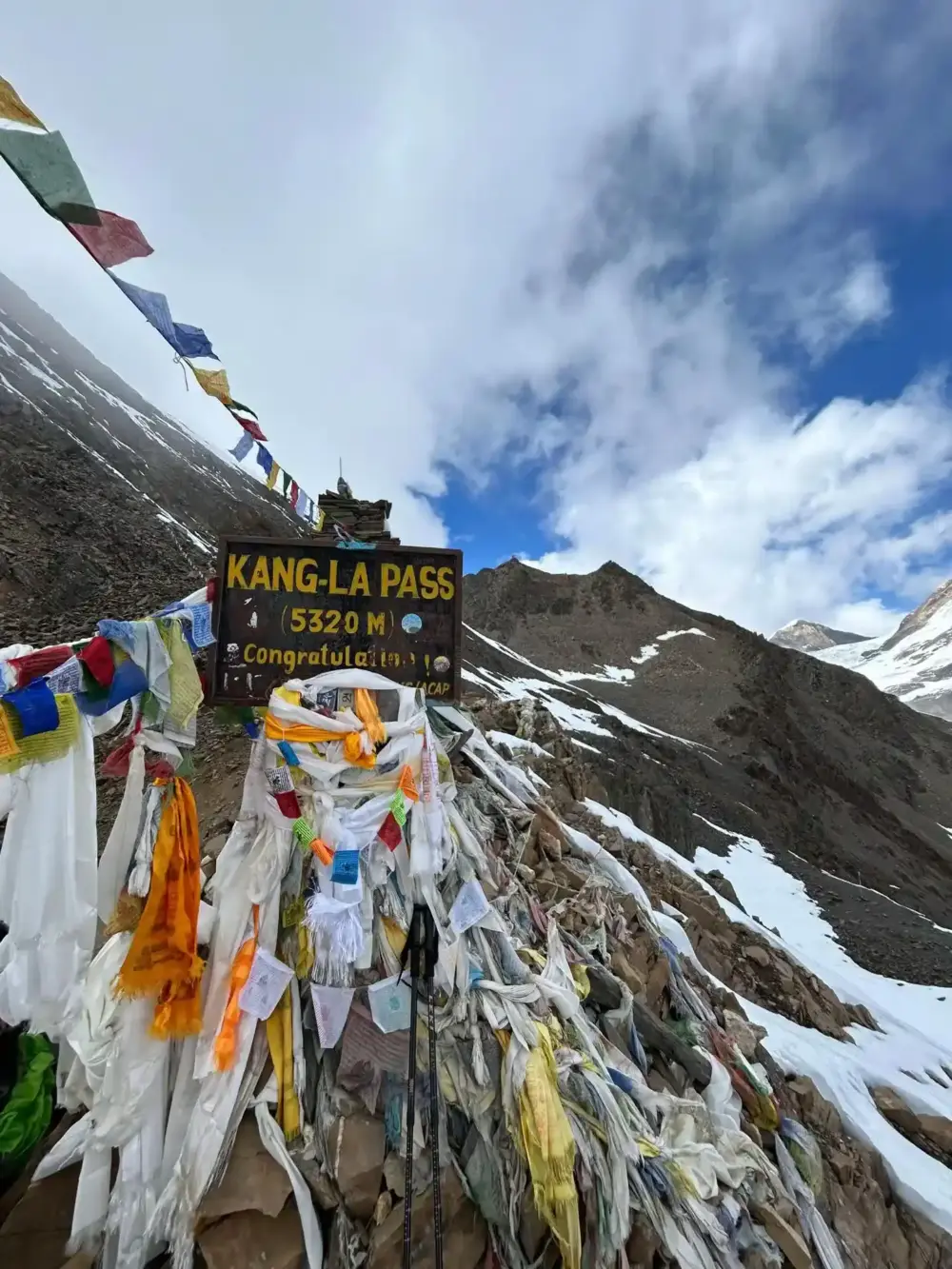
- Cross Kang La (5,320m) — the dramatic high pass connecting Nar Phu to the Thorong La area
- Explore Nar and Phu villages: ancient Tibetan-influenced communities with pre-Buddhist Bon traditions
- Walk through a landscape virtually unchanged from the Tibetan plateau
- Combine with the Annapurna Circuit for the region’s most complete trekking experience
- Very low trekker numbers — the restricted permit keeps the valley nearly pristine
Itinerary of Nar Phu Valley Trek: Best 12-Day Hidden Gem Trek in Nepal
Day 1: Drive Kathmandu to Besisahar — Trek to Bhulbhule (840m)
Your adventure begins early in Kathmandu. After breakfast at your hotel, your guide meets you in the lobby, and you load your bags into the waiting vehicle. The road west out of the city is busy and chaotic at first, weaving through the Prithvi Highway toward Dumre before turning north. Fields of mustard and rice terraces begin replacing the city sprawl, and the air noticeably freshens as the hills close in around you.
The drive to Besisahar takes roughly five to six hours, with a rest stop along the way for tea and dal bhat if the stomach calls. Once in Besisahar, a compact district headquarters buzzing with porters and local buses, you leave the vehicle behind and pull on your trekking boots for the first time. The afternoon walk to Bhulbhule is short but rewarding. The trail drops to the banks of the Marsyangdi River, crossing suspension bridges that sway pleasingly underfoot, past riverside hamlets where children call out greetings and dogs sprawl in sunny doorways. Bhulbhule sits at 840m and offers a gentle, easy introduction to life on the trail. Dinner is served early around a communal table, and sleep comes without much persuasion.

Duration
Drive + 2 hrs
Activity
Trekking
Accommodation
Teahouse
Meals
L/D
Max Altitude
840mDay 2: Bhulbhule to Bahundanda (1,310m)
You wake to the sound of the river and the smell of woodsmoke drifting through the valley. After a warm breakfast of porridge or eggs and toast, the day’s walk begins in earnest. The trail clings to the eastern bank of the Marsyangdi, crossing and recrossing through a series of wire-and-plank suspension bridges.
Today is about settling into the rhythm of the trek. Villages appear at regular intervals, each one a cluster of stone houses with marigold garlands drying on the railings, dogs snoozing on flat rooftops, and tea shops ready to dispense sugary milk tea. The ascent to Bahundanda is steady rather than steep, climbing through banana groves and terraced farmland that feels almost subtropical. Bahundanda itself, meaning Hill of the Brahmin in Nepali, sits on a long, narrow ridge with views stretching back down the valley you have just walked. The evening is a good time to chat with fellow trekkers, check your boots for hotspots, and write the first entries in your journal.
Duration
4-5 hrs
Activity
Trekking
Accommodation
Teahouse
Meals
B/L/D
Max Altitude
1310mDay 3: Bahundanda to Chame (2,670m)
This is the first long day, and the landscape shifts noticeably as altitude increases. The trail passes through Chamje, where a steep gorge forces the path to climb high above the river before descending again via switchbacks cut into the cliff face. Pine forests begin to dominate, their resinous scent a welcome change from the lower valleys. Waterfalls cascade down moss-covered rock walls, and on clear mornings, the snowcaps of distant peaks appear briefly through gaps in the tree canopy.
Dharapani marks the entry into the Manang District, and from here the valley narrows considerably. Bagarchap, with its Tibetan-style flat-roofed stone houses, gives a first taste of the architecture you will encounter through much of the upper trek. By the time Chame appears, with its government buildings, small trekking shops, and hot spring options, you are more than ready to drop your pack. Chame is the district headquarters of Manang and a good place to sort out any last-minute gear before the real high country begins.
Duration
6-7 hrs
Activity
Trekking
Accommodation
Teahouse
Meals
B/L/D
Max Altitude
2670mDay 4: Chame to Dharapani — Turn off to Koto (2,610m)
Today, the route diverges from the busy Annapurna Circuit. Most trekkers push ahead toward Pisang and the main circuit; you turn left at Koto, and in doing so, you step off the tourist map almost entirely.
The walk to Koto itself is not difficult, following the Marsyangdi River upstream through forests of pine and fir. Koto is a quiet village sitting at the confluence of the Nar Khola and the Marsyangdi, and it is here that you register your Restricted Area Permit at the checkpoint. This is an important administrative stop, and your guide will handle the formalities while you perhaps enjoy a cup of butter tea offered by a curious local.
The afternoon carries a different quality of light and silence now that the crowds have thinned. Look up, and you will catch the first glimpses of the great peaks that ring the Nar Phu Valley on all sides. The feeling of stepping into somewhere genuinely remote is palpable and exciting.
Duration
5-6 hrs
Activity
Trekking
Accommodation
Teahouse
Meals
B/L/D
Max Altitude
2610mDay 5: Koto to Meta (3,560m)
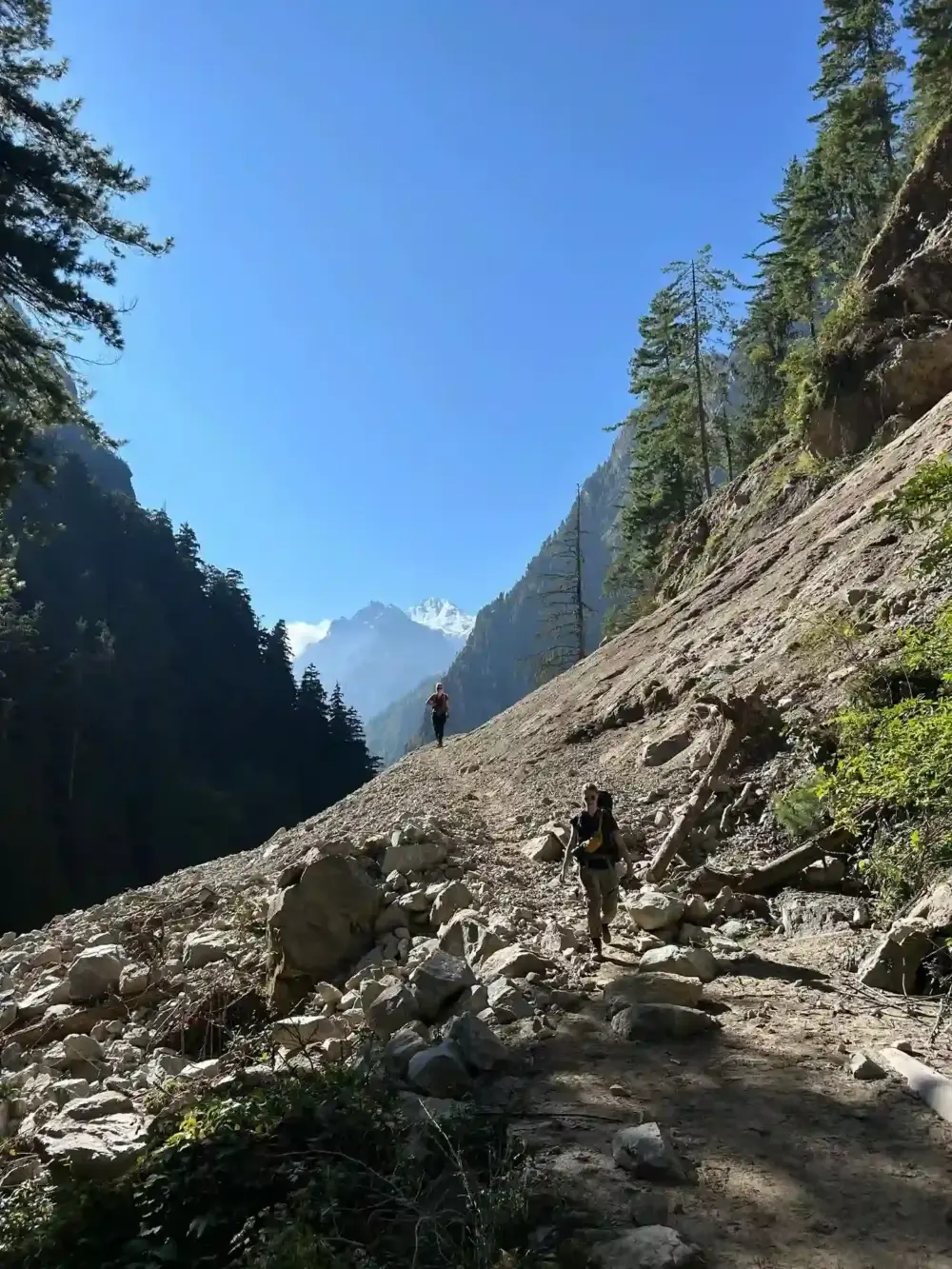
From Koto, the trail enters the Nar Phu restricted zone properly, and the change in atmosphere is immediate. The gorge of the Nar Khola is dramatic from the first steps, with vertical rock walls rising hundreds of metres on either side and the river roaring far below.
The path is narrow and at times rough, carved into the cliff edge with only a wire cable for reassurance. It is thrilling rather than genuinely dangerous, but it demands full attention and decent footwear. Mani walls and prayer flags mark the junctions, and on one stretch, a long line of carved stones stretches for half a kilometre, each one placed by a devotee passing through over centuries.
Meta village arrives as a genuine surprise. A small cluster of flat-roofed stone buildings surrounded by barley fields and a solitary monastery, it feels like a village the rest of the world forgot to reach. The teahouse here is basic but welcoming, and the caretakers cook with a warmth and care that more polished establishments rarely match.
Duration
5-6 hrs
Activity
Trekking
Accommodation
Teahouse
Meals
B/L/D
Max Altitude
3560mDay 6: Meta to Kyang (3,840m)
Leaving Meta, the trail climbs steadily out of the gorge and into a more open valley. The landscape here is high-altitude semi-arid, with the vegetation thinning to scrub juniper and thorny cushion plants. Prayer flags string between boulders marking the ridgelines, and the sky above is a shade of blue that only exists at this elevation.
The walking today is easier than yesterday, trading the exposed cliff paths for the open valley floor where yak herders’ trails crisscross the meadows. Himalayan thar might be spotted on the cliff faces above, and lammergeier vultures ride thermals overhead with casual indifference to gravity.
Kyang is a small seasonal settlement used by herders, and on arrival, you will likely find yaks grazing contentedly around the lodge. The evenings at this altitude cool rapidly once the sun drops behind the ridgeline, so layers go on early. A good time to trade stories with the porters over thukpa noodle soup.
Duration
4-5 hrs
Activity
Trekking
Accommodation
Teahouse
Meals
B/L/D
Max Altitude
3840mDay 7: Kyang to Phu Village (4,080m)
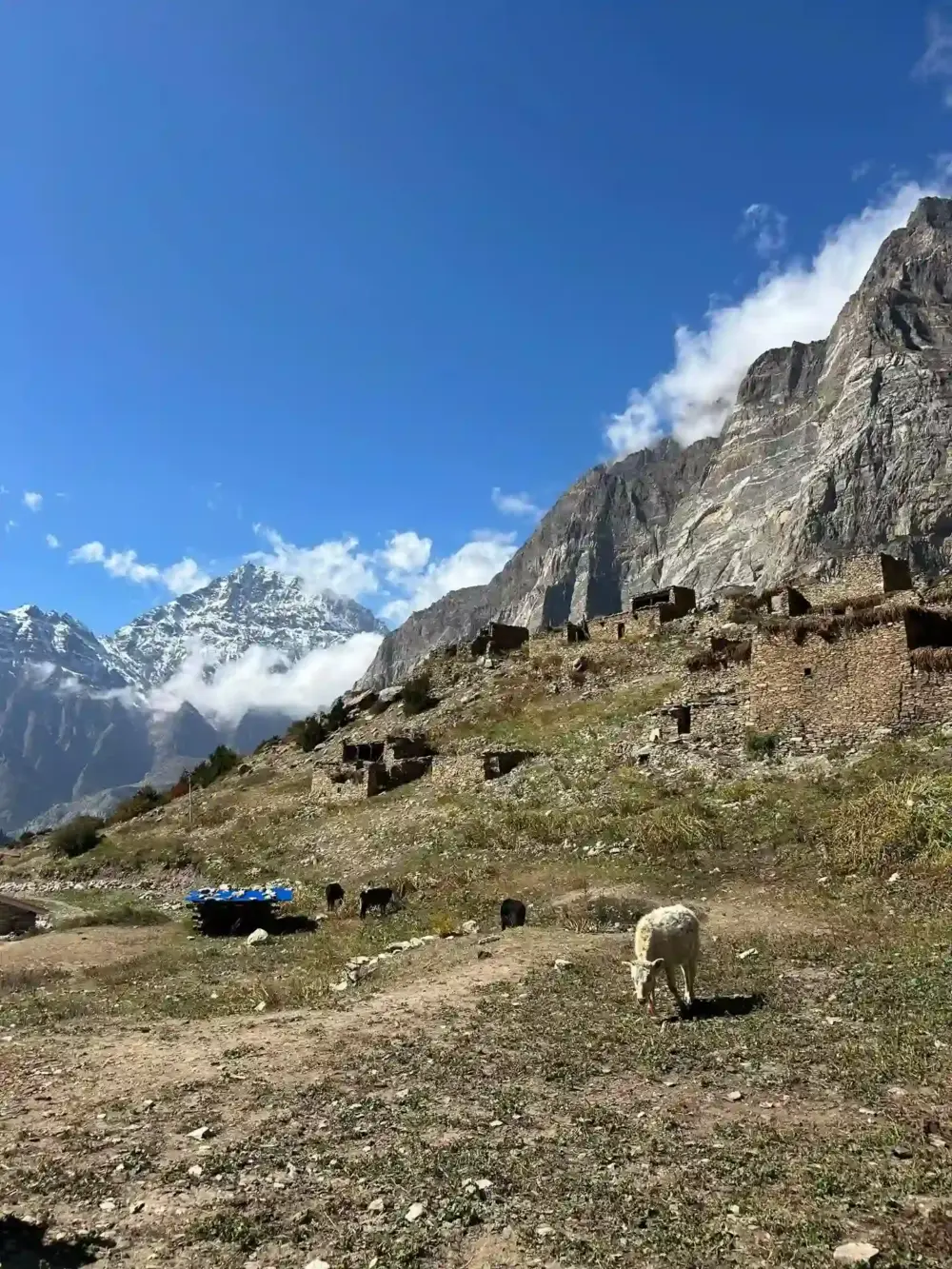
The approach to Phu is one of the most cinematic walks on the entire route. The valley opens wide, and the trail crosses glacial moraines, braided river channels, and patches of sand that would not look out of place on a Central Asian steppe.
Ahead, Phu village sits perched on a rocky promontory, its ancient stone towers and monastery visible from thirty minutes away but seemingly no closer, no matter how many steps you take. That is the particular magic of high-altitude distances.
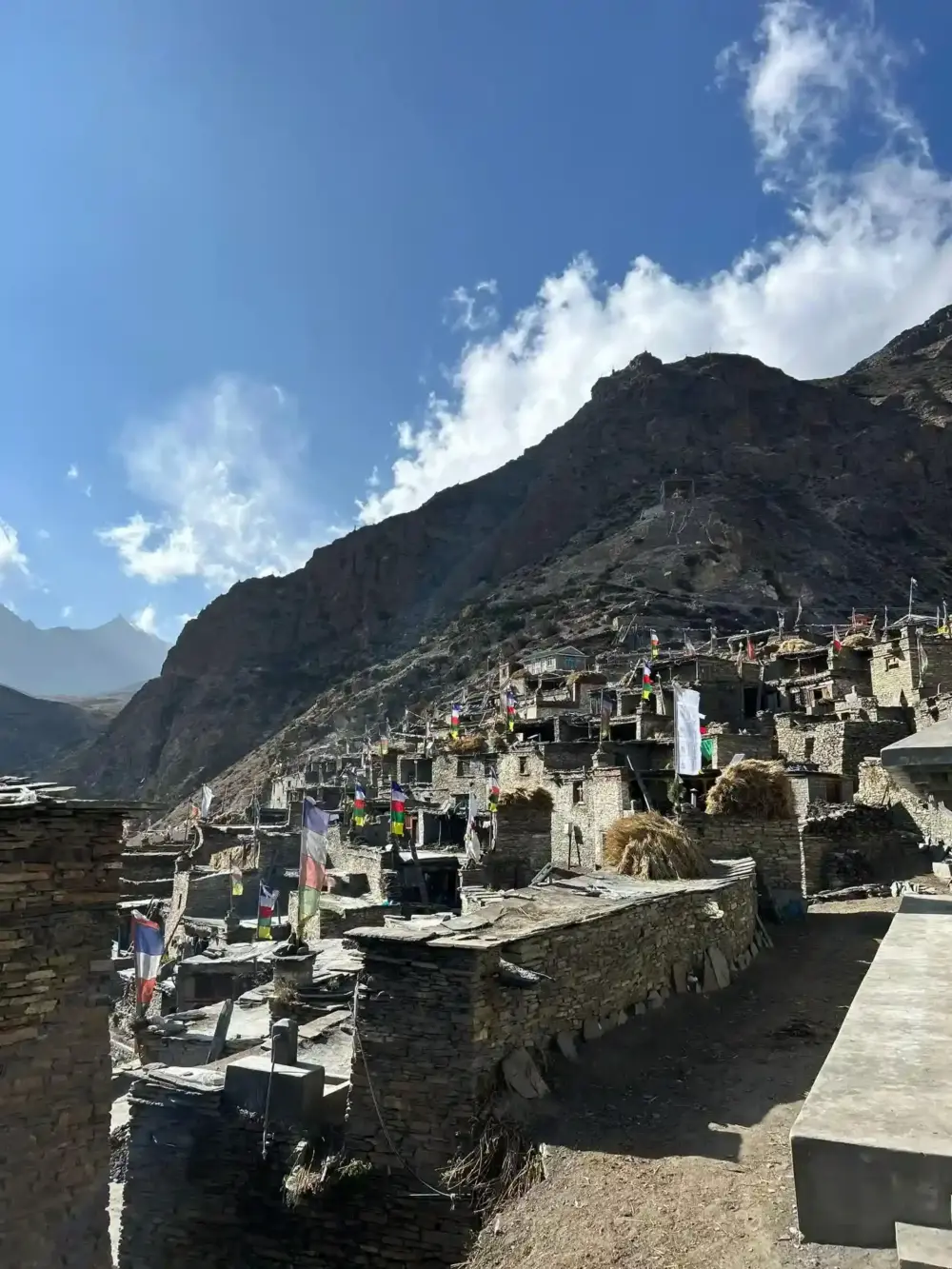
When you finally arrive, passing through a gateway arch plastered in mud and decorated with skulls and painted deities designed to ward off evil spirits, the sense of arrival is profound. Phu is one of the most ancient and isolated settlements in Nepal. The residents of Tibetan descent live much as their ancestors did. Houses are stacked up the hillside like a puzzle, connected by narrow ladders and alleyways barely wide enough for a loaded yak.
The Tashi Lhakhang Monastery is the spiritual heart of the village, and if you arrive before dusk, monks in deep crimson robes will often be found performing evening prayers inside.
Duration
4-5 hrs
Activity
Trekking
Accommodation
Teahouse
Meals
B/L/D
Max Altitude
4080mDay 8: Phu Exploration Day
There are very few places in the world that justify a full day simply sitting still and looking around. Phu is one of them.
Begin with a slow breakfast and then take a gentle walk up to Tashi Lhakhang Monastery, where butter lamps burn perpetually, and ancient thangka paintings line the walls. The head lama, if present, may welcome you in for tea and conversation that your guide can translate into something approaching coherence.
A higher walk toward Himlung Base Camp is possible for those feeling energetic, bringing sweeping views of Himlung Himal (7,126m), Kang Guru, and the surrounding glaciers.
Alternatively, simply wander the village lanes, watch women weave on backstrap looms, follow children on their way to the small school, or share tea with elders sitting in the sun.
Acclimatisation is the official reason for staying here, and the body does genuinely benefit from a day without major altitude gain. But the real gift is time. Time to notice how a place this remote actually functions, how people find joy and meaning in a landscape that outsiders would describe as harsh.
Duration
Rest/Explore
Activity
Cultural
Accommodation
Teahouse
Meals
B/L/D
Max Altitude
4200mDay 9: Phu to Nar (4,110m) via High Trail
The trail from Phu to Nar is the most demanding of the valley section. Rather than retracing back down to the river and looping around, the high trail climbs steeply through rocky terrain before crossing a series of ridges with views that stop you in your tracks every few hundred metres.
The route passes high grazing kharkas and long lines of mani stones, with the Annapurna massif gradually coming into full view ahead.
The descent to Nar is careful work on loose scree, but once the village appears below, the excitement of arrival carries you down easily enough.
Nar is larger and more densely settled than Phu, built in two distinct clusters on a ridge at 4,110m with terraced fields of barley and buckwheat on the southern slopes. The architecture is almost identical to Phu, the same flat mud roofs, the same interlocking stone walls, the same sense of a medieval community functioning with perfect efficiency.
The guesthouse in Nar is a little more comfortable than Phu, and the views across the valley to the peaks beyond are simply extraordinary at dusk.
Duration
6-7 hrs
Activity
Trekking
Accommodation
Teahouse
Meals
B/L/D
Max Altitude
4110mDay 10: Nar Exploration and Acclimatisation
A second acclimatisation day, this time in Nar, is not a luxury. It is essential preparation for the Kang La crossing ahead, which sits at 5,320m and demands that your body has made the necessary physiological adjustments.
Spend the morning exploring the village properly. Nar has a gompa of its own, and the Nar people celebrate a unique festival calendar tied to the lunar year and to the movement of their yak herds between summer and winter pastures.
If your timing is right, you might witness a puja ceremony or a traditional dance practice. The Nar people are extraordinarily hospitable by temperament, and wandering into a household courtyard will almost always result in an invitation for butter tea, perhaps a bowl of tsampa—roasted barley flour mixed with tea, the staple high-altitude food.
In the afternoon, your guide may take you on a short uphill walk to a viewpoint above the village, an excellent place to assess the ridge you will cross tomorrow and pick out the route.
By evening, make sure everything is packed and ready. Tomorrow is a big day.
Duration
Acclimatisation
Activity
Rest
Accommodation
Teahouse
Meals
B/L/D
Max Altitude
4200mDay 11: Nar to Kang La Base Camp (4,800m)
This is the transition day before the high pass, and the atmosphere in camp is focused and a little electric.
The trail climbs steadily from Nar through open grassland and then onto rocky moraine, gaining significant altitude throughout the day. The air is noticeably thinner now, and every upward step takes slightly more intention.
Views expand dramatically with each rise of the trail: the Annapurna peaks arrayed to the south, Pisang Peak to the east, and the wild, wind-scoured ridgeline of Kang La directly ahead.
Camp is set up on a flat area of moraine near the base of the pass, and your cook team produces a hot, hearty dinner that tastes extraordinary in the cold altitude air.
Sleeping at 4,800m is rarely perfectly comfortable. The body is working hard, breathing slightly faster than usual, and the temperature drops well below freezing after dark. A quality sleeping bag rated to minus 15 is not excessive here.
Sleep early. Tomorrow begins before first light.
Duration
5-6 hrs
Activity
Trekking
Accommodation
Camp
Meals
B/L/D
Max Altitude
4800mDay 12: Cross Kang La (5,320m) — Descend to Ngawal (3,657m)
This is the day.
Alarms go off at four or five in the morning while stars still fill the sky from one horizon to the other. A quick breakfast of porridge, boiled eggs, and hot tea, then headlamps on and moving by torchlight up the initial slope.
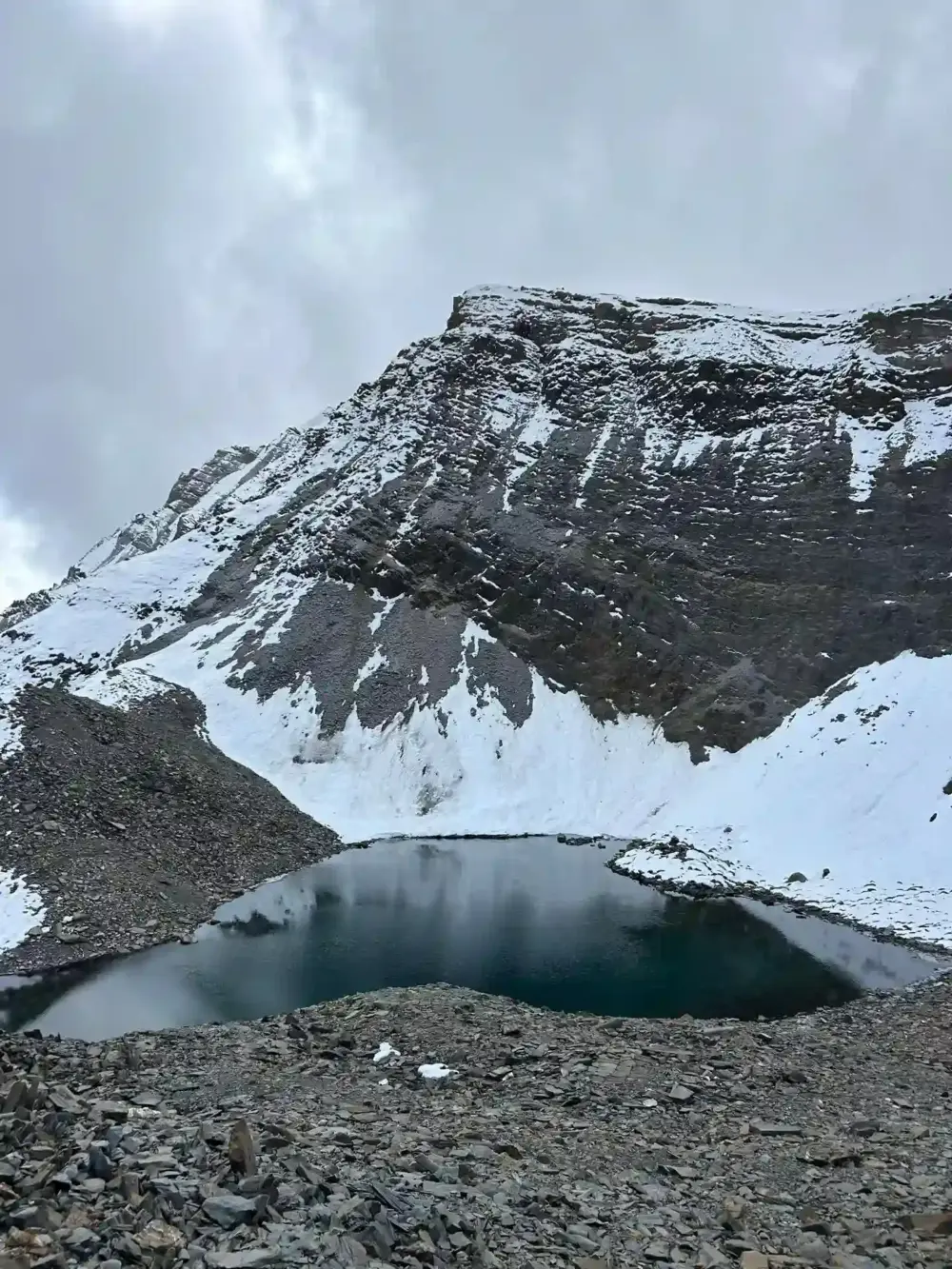
The climb to Kang La (5,320m) is steep and sustained, crossing snowfields and icy patches where crampons may be needed depending on the season.
As dawn breaks, the light arrives in stages: first a pink glow on the highest peaks, then amber on the snowfields, then full daylight flooding the valley below.
The summit of the pass is marked with a tangle of prayer flags whipping in the wind, and the views from the top are simply boundless.
On one side, the enclosed world of Nar and Phu stretches back into its hidden valley. On the other hand, the broad upper Annapurna Circuit valley opens ahead, with the long curve of the route toward Manang clearly visible far below.
The descent is long, and the knees feel it, but Ngawal arrives with all the relief and joy of a warm bed promised. The village is small and photogenic, perched on a hillside with views of Annapurna III and Gangapurna above.
Duration
7-8 hrs
Activity
Pass Crossing
Accommodation
Teahouse
Meals
B/L/D
Max Altitude
5320mDay 13: Ngawal to Manang (3,500m)
After the drama of the Kang La crossing, today is intentionally gentle. The trail drops from Ngawal down through Braka and into the wide, flat Manang Valley.
This is busy territory compared to the silence of the past week. The Annapurna Circuit brings several hundred trekkers through here daily during peak season, and the contrast is striking. Bakeries, pizza restaurants, gear shops, and busy teahouses line Manang’s main street. It can feel overwhelming for a moment after days of remote simplicity.
But Manang has its own genuine character. The Himalayan Rescue Association runs an excellent altitude clinic here, where a short lecture on altitude sickness is strongly recommended for everyone continuing up toward Thorong La.
The afternoon is free time: explore the village, visit the small museum, rest on a sunny roof terrace, or recharge devices that have been running on low for days. Manang is the last proper resupply point, so stock up on snacks, batteries, and any medication you might need.
Duration
3-4 hrs
Activity
Trekking
Accommodation
Teahouse
Meals
B/L/D
Max Altitude
3500mDay 14: Manang to Yak Kharka (4,110m)
Leaving the relative comfort of Manang, the trail resumes its upward intention. The valley walls steepen and close in, and the vegetation shifts from juniper scrub to bare grass and eventually to nothing much at all.
Yak Kharka, which translates simply as Yak Pasture, lives up to its name. There are almost always yaks nearby, shaggy and enormous and completely indifferent to trekkers, grazing on whatever sparse vegetation survives at this altitude.
The teahouses at Yak Kharka are basic but more than adequate. The day’s walk is short by design, following the golden rule of acclimatisation: walk high, sleep low, or at least do not gain altitude too rapidly.
The afternoon is best spent resting, reading, and drinking a lot of water. Diamox, the altitude medication, is an option worth discussing with your guide or doctor before the trip.
By evening, Thorong La Pass is very much on everybody’s mind, and the mood in the dining room is one of quiet, anticipatory energy.
Duration
3-4 hrs
Activity
Trekking
Accommodation
Teahouse
Meals
B/L/D
Max Altitude
4110mDay 15: Yak Kharka to Thorong Phedi (4,450m)
Another deliberately short and measured day.
Thorong Phedi means The Foot of Thorong, and it sits exactly where the name suggests, at the base of the valley that leads up toward the pass. The teahouses here are almost exclusively pass-crossing operations: everyone here is either going up tomorrow morning or has just come down.
The atmosphere is part nervousness, part camaraderie. Conversations over dinner tend to revolve around start times, weather reports, and the virtues of various energy bars.
Your guide will have been monitoring conditions and will advise on the departure time for the following morning, typically somewhere between three and five in the morning, depending on weather forecasts and the season.
It is worth listening carefully. He has crossed this pass many times and reads the mountain signs that are invisible to the rest of us.
Pack your bag the night before. Everything you need for the crossing should be at the top of your pack: waterproofs, snacks, water, headlamp, poles, and your warmest layer readily accessible.
Duration
3-4 hrs
Activity
Trekking
Accommodation
Teahouse
Meals
B/L/D
Max Altitude
4450mDay 16: Cross Thorong La (5,416m) — Muktinath (3,800m)
At 5,416 metres, Thorong La is the highest point of the entire circuit and one of the highest trekking passes in the world, regularly crossed on foot.
The pre-dawn start is cold and dark, and the trail rises sharply from the first steps. Headlamps are essential for the first hour or two. By the time real light arrives, you are already high on the mountain, and the views backward down the valley are staggering.
The final push to the summit is slow, breathless, and enormously satisfying when the top finally materialises in a confetti of prayer flags.
On a clear morning, the panorama is simply without comparison in the trekking world: Thorong Peak, Yakawa Kang, and the entire Annapurna Himal stretching in both directions.
Every step of the descent to Muktinath rewards you. The landscape transforms from arctic white to arid brown as you drop into the Mustang rain shadow, and the Hindu and Buddhist temples of Muktinath at 3,800m feel like a miracle of arrival.
The temple complex, sacred to both religions, is one of the holiest sites in the Himalayas. Pilgrims travel from across Nepal and Tibet to visit the flame of natural gas that has burned here for centuries.
Duration
8-9 hrs
Activity
Pass Crossing
Accommodation
Teahouse
Meals
B/L/D
Max Altitude
5416mDay 17: Muktinath to Jomsom — Drive to Pokhara
A gentle and logistically satisfying day brings the trekking portion of the journey to its conclusion.
The walk from Muktinath down to Kagbeni and then Jomsom is through the extraordinary windswept landscape of Upper Mustang, with its ochre cliffs, apple orchards, and medieval walled villages.
Jomsom, the district headquarters of Mustang, has an airport, a proper market, and cold beers.
The jeep ride from Jomsom toward Beni and then to Pokhara passes through increasingly green and lush country, the rain shadow effect reversing dramatically as you descend.
Pokhara arrives like a celebration. The lakeside city with its famous view of Machapuchare (Fishtail Mountain) and the Annapurna South massif is one of the most beautiful urban settings in Asia.
The hotel tonight will feel extravagant even if it is nothing special by ordinary standards. A shower with actual, consistent hot water. A bed with a real mattress. Perhaps a lakeside dinner with a cold Everest beer, watching the mountains turn pink at sunset.
Duration
2 hrs + Drive
Activity
Travel
Accommodation
Hotel
Meals
B/L
Max Altitude
820mDay 18: Pokhara to Kathmandu — Final Departure
The final morning comes, as final mornings always do, slightly too soon.
After a leisurely breakfast in Pokhara with one last lingering look at the mountains, you return to Kathmandu by tourist bus, public bus, or a short flight, depending on your preference and budget.
The drive through the Prithvi Highway takes roughly seven to eight hours by road; the flight is twenty-five minutes of mountain views.
Back in Kathmandu, the city that felt overwhelming when you first arrived now feels familiar and even welcoming. Your guide will ensure you get back to your hotel safely.
The evening is free to explore Thamel, pick up last-minute gifts, and perhaps visit Boudhanath Stupa for a final circuit in the fading light.
Souvenirs worth seeking out include handmade Tibetan singing bowls, pashmina shawls, thangka paintings, and lokta paper notebooks.
International departures the following morning will take you home, significantly stronger, measurably slower in your thinking, and carrying memories of a Nepal most visitors never see.
Duration
Departure
Activity
Travel
Accommodation
Hotel
Meals
B
Max Altitude
1400mIncludes/Excludes
What's included?
- 17 nights accommodation (2 hotel Kathmandu/Pokhara, 15 teahouse/camping)
- All ground transport
- All meals on trek
- Licensed guide (mandatory) and porters
- Nar Phu Restricted Area Permit, ACAP permit, TIMS card
- First-aid kit and emergency evacuation plan
What's not included?
- International airfare and Nepal visa fees
- Nar Phu Restricted Area Permit fee (USD 90/week)
- Travel and medical insurance (mandatory)
- Personal gear and clothing
- Tips for guide and porter
Nar Phu Valley Trek: Best 12-Day Hidden Gem Trek in Nepal Altitude Chart
Trip Information - Good to Know
Permits Required
1. Nar Phu Restricted Area Permit: USD 90 per person per week (approximately USD 180 for the 18-day trek). This restricted area permit strictly limits visitor numbers to the Nar Phu valley and is essential for preserving the area’s unique cultural and ecological integrity. Green Horizon includes this in the package and manages the entire application process.
2. Annapurna Conservation Area Permit (ACAP): NPR 3,000 per person. Required for the Annapurna Circuit section from Ngawal to Jomsom. Included in the package.
3. TIMS Card: NPR 2,000 per person. Included in the package.
A licensed guide is legally mandatory for all trekkers in the Nar Phu restricted area. Our guide manages all checkpoints and permit documentation throughout the trek.
Best Time to Go
Spring (April–May) and Autumn (September–October) are the best seasons for the Nar Phu Valley Trek.
Spring offers stable weather, warming temperatures in the valley, and the best conditions for the Kang La Pass crossing. Autumn delivers clear skies and excellent visibility. The Nar Phu valley receives less monsoon precipitation than southern Nepal due to its sheltered northern position — some years allow trekking in late August or September.
Winter (December–March) closes the Kang La Pass with deep snow and is not recommended. The monsoon (June–August) brings significant rain and unstable conditions — not suitable for the pass crossing. April and October are generally considered the optimal windows for this route.
Difficulty Level
The Nar Phu Valley Trek is rated Hard. The two major pass crossings — Kang La (5,320 m) and Thorong La (5,416 m) — require sustained high-altitude effort and excellent fitness. The remote nature of the Nar Phu section limits emergency response options, making both preparation and careful health monitoring critical.
Daily walking times range from 4 to 9 hours on varied terrain. Prior high-altitude trekking experience above 4,500 m is strongly recommended. Trekkers should train for at least 4 months with weighted hikes and cardiovascular conditioning. See our Trip Difficulty Grades and Altitude Sickness Prevention guides for full preparation details.
Practical Tips and Preparation
Fitness Preparation
Start a dedicated training programme at least eight to twelve weeks before departure. Long day hikes with a loaded pack are the single best preparation. Include stair climbing, running, and cycling to build a cardiovascular base. Yoga or core-strengthening exercises help with the balance demands of rocky terrain.
If you live at a low altitude, no amount of treadmill training fully prepares you for the physical sensation of thinning air at 5,000 metres, but aerobic fitness is still the best buffer you have.
Altitude and Health
Drink three to four litres of water per day throughout the trek. Reduce or eliminate alcohol. Eat well at every opportunity even when appetite diminishes at altitude. Do not push through symptoms of altitude sickness; listen to your body and your guide.
The Himalayan Rescue Association clinic in Manang offers free altitude consultations and is well worth attending. Discuss Diamox with your doctor before leaving home, as it is an effective prophylactic for many people.
Money and Budgeting on the Trail
There are no ATMs inside the Nar Phu Valley. There is one ATM in Chame, but it is unreliable. Withdraw sufficient Nepali rupees in Kathmandu before departure.
Budget approximately USD 25 to 40 per day on the trail for extras such as:
- Hot showers (USD 2 to 5 each)
- Battery charging (USD 1 to 2 per device)
- Bottled water (USD 1 to 3 depending on altitude)
- Snacks
Bring a little extra for unexpected expenses. Small denomination rupee notes are appreciated in remote village shops.
Gear Rental in Kathmandu
The Thamel neighbourhood in Kathmandu has dozens of gear rental and sale shops. Sleeping bags, down jackets, trekking poles, crampons, and most other equipment can be rented for USD 1 to 3 per item per day.
Buy or borrow well-worn, comfortable trekking boots before you arrive; new boots on a long trek cause blisters that can end a trip prematurely. Quality gear makes a meaningful difference at altitude and in cold temperatures.
Cultural Etiquette in the Valley
In Nar and Phu, dress modestly and ask permission before photographing people or religious sites. Remove shoes before entering monasteries and homes.
Walk clockwise around mani walls, chortens, and stupas. Accept offerings of butter tea or tsampa with both hands or the right hand only.
The villagers here are not accustomed to large numbers of tourists, and the relationship between visitor and local community is one that deserves care and reciprocal respect.
Frequently Asked Questions
What makes Nar Phu different from other restricted valleys?
Nar Phu was completely closed until 2002 and trekker numbers remain very limited. The Bon Buddhist culture, ancient cave monasteries, and plateau landscape are genuinely unlike anything on Nepal’s main trekking routes.
Is the Kang La technically difficult?
The Kang La (5,320m) involves steep rocky terrain and potentially some snow or ice. It’s not a glacier crossing but crampons may be needed in early season. The guide will assess conditions.
Can I do just the Nar Phu valley without the Annapurna Circuit?
Yes — the standard approach is via Koto on the Annapurna Circuit approach road, and exit is via the Kang La to Ngawal. The Annapurna Circuit integration is the most logical routing.
What is the Bon religion?
Bon is Tibet’s pre-Buddhist indigenous spiritual tradition. In Nar and Phu, Bon and Tibetan Buddhism have merged into a unique local practice with distinct monasteries, rituals, and iconography rarely seen elsewhere in Nepal.
What is the restricted permit cost?
USD 90 per week per person. Green Horizon Tours arranges the permit in Kathmandu before departure.
How many trekkers visit Nar Phu annually?
Very few — annual trekker numbers in Nar Phu are in the hundreds rather than the thousands that visit the main Annapurna Circuit. The valley is genuinely remote and uncrowded.
Trip Reviews
 Write a Review








- Best Price Guarantee
- Secure & easy booking
- Easy trip date changes
- Discount for groups


How to book a trip?

make free inquiry

confirm the trip
