


Short Annapurna Base Camp Trek


Trip Duration
7 Days
Group Sizes
0-15 People
Transportation
Ground
Destination
Short Annapurna Base Camp Trek
Max. Altitude
4130 m
Nature of Trip
Trekking
Best Season
Spring and Autumn
Activities
- City Tour
- Trekking

Difficulty
Moderate
Meals
- Breakfast
- Lunch
- Dinner

Start & End Point
Kathmandu
Accommodation
- Tea Houses
- 4 star
Overview of Short Annapurna Base Camp Trek
 |
 |
Short Annapurna Base Camp Trek is a perfect blend of adventure, culture, and natural beauty tailored for travelers who have limited time but still want to experience the magic of the Himalayas. This condensed version of the classic ABC trek allows you to reach the heart of the Annapurna Sanctuary in just a week, without compromising on the core highlights. Starting and ending in Kathmandu, this trek offers an unforgettable journey through terraced farmlands, lush rhododendron forests, and traditional Gurung villages, culminating at the base of one of the world’s most iconic mountains—Annapurna I (8,091m).
The journey begins with a scenic drive from Kathmandu to Pokhara, a lakeside city known for its serene beauty and views of the Annapurna range. From Pokhara, you’ll drive to Nayapul, the gateway to the trek, and begin walking through quaint villages and fertile hillsides. One of the early highlights of the trek is the village of Ghandruk, a culturally rich settlement inhabited by the Gurung people. Here, you can witness traditional architecture, interact with locals, and enjoy close-up views of Machapuchare (Fishtail Peak) and Annapurna South.
As the trail ascends, you’ll pass through dense forests filled with rhododendron, bamboo, and oak trees. These sections, particularly between Ghandruk and Sinuwa, are peaceful and rich in biodiversity. The calming sound of the Modi Khola river flowing beside the trail adds to the serene trekking experience. Further along, the trail opens up to reveal rugged mountain terrain and increasingly dramatic views. You’ll pass through Deurali and Machapuchare Base Camp (MBC) before reaching the ultimate destination — Annapurna Base Camp (4,130m).
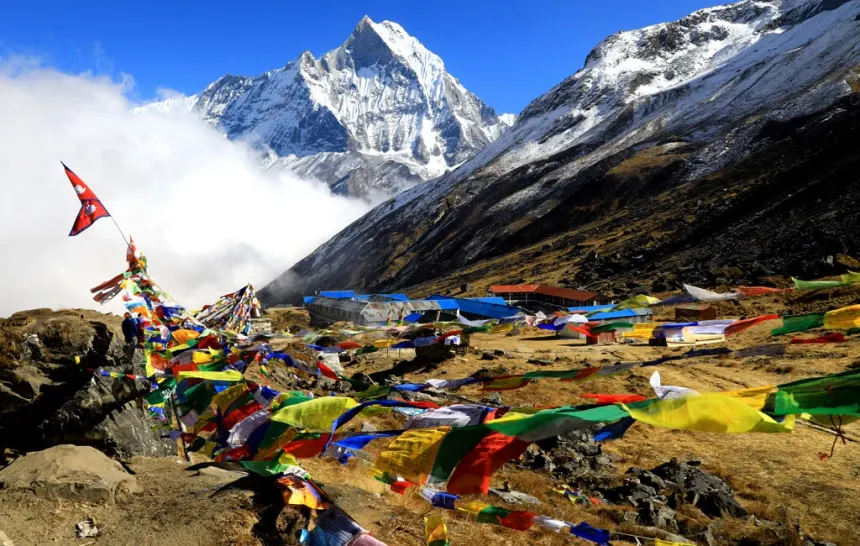
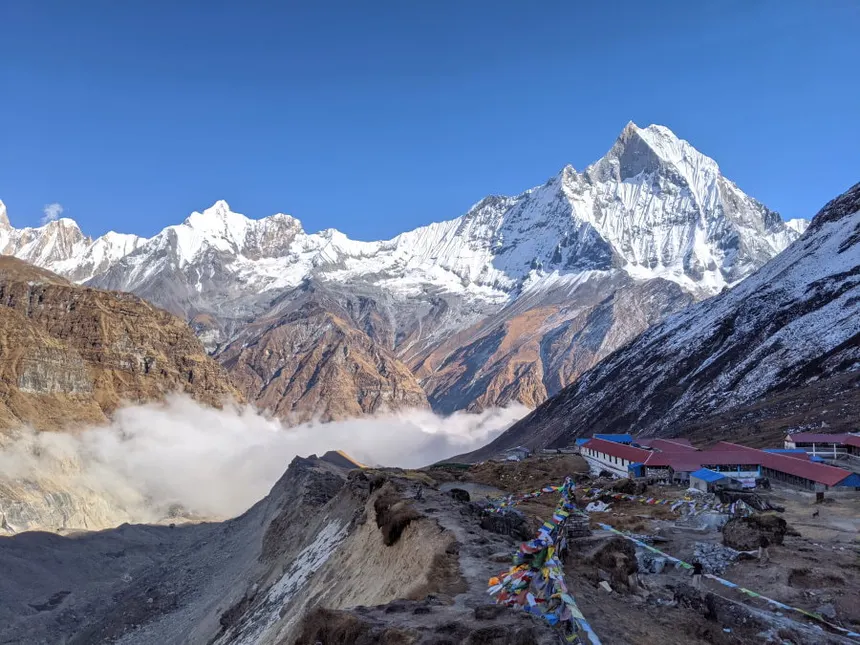
Standing at ABC, you’re surrounded by a 360° panorama of snow-covered giants — including Annapurna I, Annapurna South, Hiunchuli, Gangapurna, and Machapuchare. The base camp lies in the heart of the Annapurna Sanctuary, a natural amphitheater of soaring peaks. The spiritual ambiance and the grandeur of the setting offer a deeply emotional and rewarding experience for all trekkers. Whether you’re seeking personal challenge, connection with nature, or cultural insight, this moment often becomes the highlight of the entire journey.
After soaking in the views and the energy of Annapurna Base Camp, the return trek takes you downhill through familiar landscapes, but with a new perspective. The descent leads to Jhinu Danda, where you can unwind in natural hot springs nestled beside the river — a perfect way to soothe sore muscles and reflect on the journey.
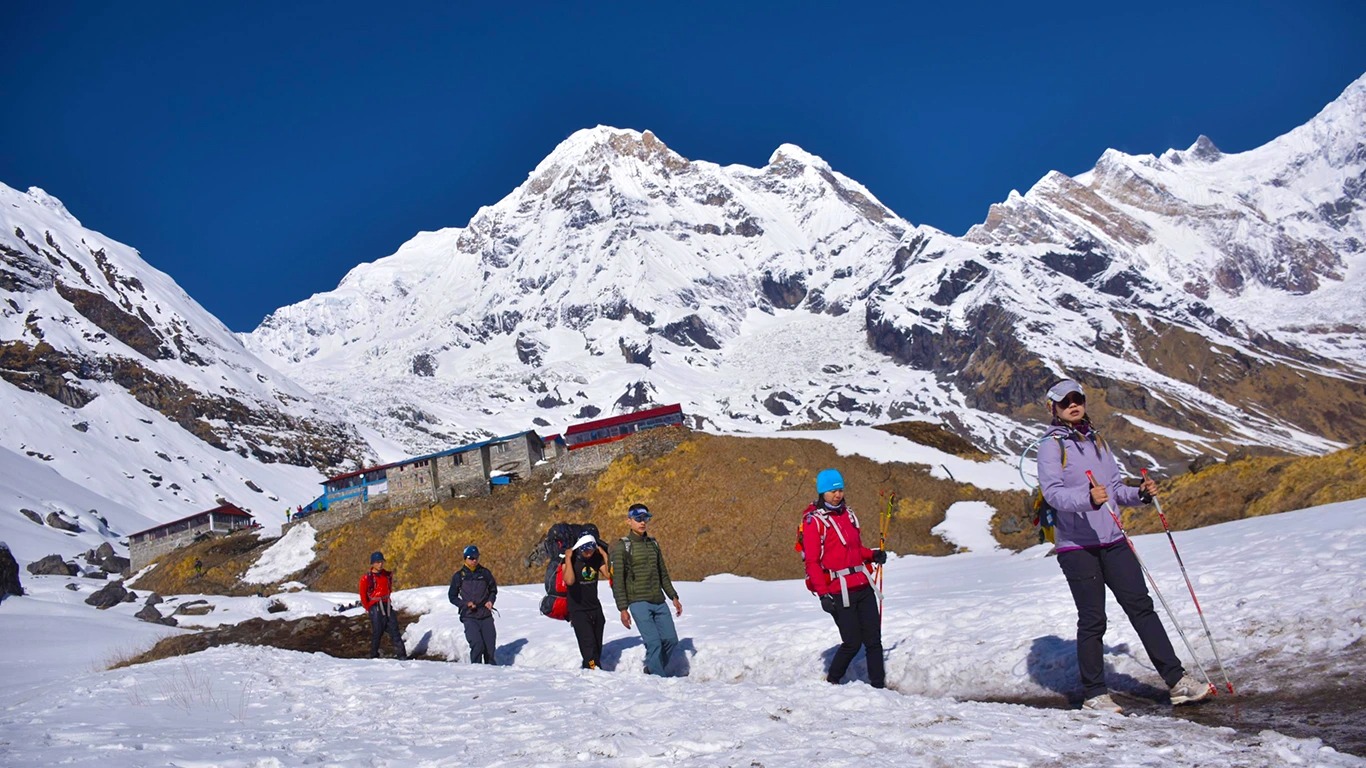
One of the defining features of this trek is its accessibility. Though it reaches elevations over 4,000 meters, it does not involve extreme altitude gain in a short time, making it relatively safe and achievable for trekkers with average fitness levels. It’s a moderate trek suitable for both beginners and experienced trekkers, especially those short on time but craving high-altitude adventure. The trail is well-marked and supported by cozy tea houses that offer hearty meals and warm hospitality.
This 7-day trek is also an excellent cultural immersion. The trail winds through villages inhabited by Gurung and Magar communities, giving travelers the chance to learn about Himalayan lifestyles, traditional farming practices, and local festivals. The hospitality of the mountain people is as memorable as the natural beauty around you.
In summary, the Short Annapurna Base Camp Trek is a compact yet comprehensive Himalayan adventure. It delivers the essence of Nepal’s trekking experience: towering mountains, diverse ecosystems, rich cultural encounters, and unforgettable views — all within a manageable timeframe. Whether you are a first-time trekker or a seasoned hiker with limited days, this trek guarantees breathtaking memories and a deep connection with the majestic Annapurna region.
Each step through this diverse landscape feels like walking through a living postcard of the Himalayas.
Best Time for Short Annapurna Base Camp Trek
Choosing the right time for your Short Annapurna Base Camp Trek is crucial to make the most of the stunning Himalayan scenery and favorable trekking conditions. The best seasons to plan your trek are spring (March–May) and autumn (September–November).
Spring (March–May)
During spring, the trails come alive with vibrant rhododendron blooms and lush greenery. The skies are generally clear, offering excellent visibility of the Annapurna and Machapuchare peaks. Temperatures are moderate and comfortable for trekking, making it an ideal time for both first-time and experienced trekkers.
- Clear skies and excellent mountain views
- Blooming rhododendron forests along the trails
- Moderate temperatures suitable for trekking
Autumn (September–November)
Autumn is considered the peak trekking season in Nepal. After the monsoon, the air is crisp, clean, and provides unobstructed panoramic views of the Himalayan range. The pleasant weather and excellent visibility make it a perfect time for photography, sightseeing, and cultural immersion in the mountain villages.
- Crisp weather with stunning mountain visibility
- Ideal for photography and capturing scenic landscapes
- Cultural immersion in villages along the trek
Periods to Avoid
While the trek is possible year-round, certain periods are less favorable and can pose risks:
- Monsoon (June–August): Trails can be slippery, and there is a higher risk of landslides and flooding.
- Extreme winter (December–February): High-altitude trails may be covered in snow, and temperatures can drop significantly, making trekking challenging for most travelers.
By planning your Short Annapurna Base Camp Trek during spring or autumn, you maximize your chances of clear skies, comfortable temperatures, and a safe, enjoyable trekking experience.
 |
 |
Highlights of Short Annapurna Base Camp Trek
-
Reach Annapurna Base Camp (4,130m) within a week
-
Walk through beautiful rhododendron forests and terraced farmlands
-
Experience the rich Gurung culture and hospitality in Ghandruk
-
Enjoy panoramic views of Annapurna I, Machapuchare (Fishtail), and Hiunchuli
-
Relax in natural hot springs at Jhinu Danda after the trek
Itinerary of Short Annapurna Base Camp Trek
Day 1: Drive from Kathmandu to Pokhara (850m) – 6-7 hrs
THE JOURNEY WEST
Your trek begins not on foot, but on wheels, a scenic overland drive from Kathmandu, the ancient capital of Nepal, westward toward Pokhara, the gateway to the Annapurna range. The road, approximately 200 km in length, is a journey in itself. It winds through the lush mid-hills of Nepal, passing terraced farmland carved into the hillsides over generations, small riverside settlements, and suspension bridges over the jade-green waters of the Trisuli River.
Pokhara sits at roughly 850 metres above sea level and enjoys a temperate climate year-round. The city is famous throughout Asia as a trekking hub, and with good reason; it offers perhaps the most spectacular mountain backdrop of any urban area in the world. On a clear day, the Annapurna massif and the distinctive spire of Machapuchare (Fishtail Peak) rise dramatically above the valley, seemingly close enough to touch.
After arriving in Pokhara, the evening is yours to enjoy at your leisure. Phewa Lake, in the heart of the city, offers serene boat rides at dusk. The lakeside promenade is lined with restaurants, gear shops, and cafés. A lively yet relaxed atmosphere, perfect for getting into the spirit of the adventure ahead. Use this evening to double-check your kit, stock up on any last-minute supplies, and rest well.
DAY HIGHLIGHTS
- Drive: Scenic 6–7 hour overland journey through mid-hills and river valleys
- Evening: Stroll along Phewa Lake promenade; optional boat ride
- Altitude Gain: Relatively low, a gentle acclimatisation day
- Stay: 3-star hotel in Pokhara with mountain views

Duration
6-7 hours
Activity
Drive
Accommodation
Hotel
Max Altitude
850mDay 2: Drive to Nayapul, then Trek to Ghandruk (1,940m) – 5 hrs
FIRST STEPS ON THE TRAIL
After breakfast, you board a vehicle for the 1.5-hour drive south from Pokhara to Nayapul, a small roadside settlement on the Modi Khola river that marks the official start of the Annapurna Base Camp trail. The moment you step out of the vehicle and onto the stone-paved path, the trek truly begins.
The trail from Nayapul ascends steadily through a series of beautiful natural and cultural environments. In the early stages, you walk through the terraced fields of Birethanti, crossing suspension bridges strung above the turquoise river below. Locals go about their daily work in the fields, farming, herding, carrying loads in traditional bamboo baskets called dokos, offering an authentic window into rural Nepali life.
As you climb higher, the trail passes through small hamlets and increasingly verdant forest before arriving at Ghandruk, one of the most celebrated villages in the Annapurna region. Ghandruk is a traditional Gurung settlement, the Gurung people being one of Nepal’s principal hill tribes with a long history of distinguished military service in the Gurkha regiments. The village is a striking collection of flat-roofed stone houses arranged on a hillside, with narrow flagstone lanes, flower-filled courtyards, and a thriving community life.
The views from Ghandruk are sensational — Machapuchare (6,993m), the sacred Fishtail Peak that has never been officially summited, rises to the north, while Annapurna South (7,219m) and Hiunchuli (6,441m) dominate the skyline. Spend the evening exploring the village, visiting the Gurung Museum if time allows, and settling into your first tea house experience.
DAY HIGHLIGHTS
- Trek Start: Nayapul (drive from Pokhara)
- Culture: Traditional Gurung village of Ghandruk; stone houses, local life
- Mountains: First views of Machapuchare and Annapurna South
- Altitude Gain: Approx. 1,090m from Nayapul to Ghandruk
- Stay: Tea house in Ghandruk
Duration
5 hours
Activity
Trekking,Drive
Accommodation
Teahouse
Max Altitude
1940mDay 3: Trek to Sinuwa (2,360m) – 6 hrs
INTO THE FOREST
Leaving Ghandruk’s stone lanes behind, today’s trail descends briefly before climbing steadily through some of the most beautiful forests in the Annapurna region. Dense canopies of rhododendron and oak close overhead, filtering the light into a green, cathedral-like glow. In spring (March to April), the rhododendrons blaze with crimson, pink, and white blossoms, Nepal’s national flower, in spectacular full bloom.
The trail follows the course of the Modi Khola river, whose constant rushing sound accompanies you through the valley. Crossing and recrossing suspension bridges, passing small waterfalls and rocky outcrops, the path climbs steadily toward higher ground.
Sinuwa is a small, intimate settlement nestled at the edge of the forested valley, where tea houses offer simple but warming meals and comfortable rest. The air at this altitude is noticeably cooler and cleaner, and the surrounding forest, still rich with birdsong, gives the place a sense of deep, unhurried peace. This is where the Annapurna Sanctuary begins to assert its character: wild, quiet, and immensely beautiful.
DAY HIGHLIGHTS
- Terrain: Rhododendron and oak forest; river valley trail
- Wildlife: Rich birdlife; Himalayan flora in its natural setting
- Altitude Gain: Approx. 420m ascent from Ghandruk
- Stay: Tea house in Sinuwa
Duration
6 hours
Activity
Trekking
Accommodation
Teahouse
Max Altitude
2360mDay 4: Trek to Deurali (3,200m) – 6 hrs
ASCENDING INTO HIGH COUNTRY
Today marks a significant shift in the character of the trek. The trail climbs out of the temperate forest zone and enters a more rugged, alpine landscape. From Sinuwa, the path winds through dense bamboo forests before passing Kuldi and Bamboo, small settlements where tea houses provide welcome rest stops.
Further up, the trail passes Dovan and continues to the Himalaya Hotel, a cluster of lodges at around 2,900m that marks the transition into the sub-alpine zone. The vegetation becomes sparser, the rock more exposed, and the air noticeably thinner. Waterfalls cascade down from the cliffs above, and in the distance, the permanent snowfields of the high Himalayas begin to appear.
Deurali, at 3,200 metres, is where trekkers genuinely begin to feel the altitude. The views from here are dramatic. Hiunchuli (6,441m) and Annapurna South loom large to the north, and on clear evenings, the setting sun paints the glacier faces in shades of orange and rose. This is an important acclimatisation stop before the final push to base camp.
DAY HIGHLIGHTS
- Terrain: Bamboo forest, waterfalls, and rocky alpine trail
- Mountains: First clear views of Hiunchuli and Annapurna South glacier faces
- Altitude Note: Above 3,000m, acclimatise carefully; stay hydrated
- Altitude Gain: Approx. 840m ascent from Sinuwa
- Stay: Tea house in Deurali
Duration
6 hours
Activity
Trekking
Accommodation
Teahouse
Max Altitude
3200mDay 5: Trek to Annapurna Base Camp (4,130m) – 5-6 hrs
THE SUMMIT OF THE TREK
This is the day you have been building toward the ascent to Annapurna Base Camp, the emotional and geographical heart of the entire trek. The trail from Deurali initially passes through the rocky, glacier-carved terrain of Machhapuchhre Base Camp (MBC) at 3,700m, which serves as both a waypoint and a foretaste of the grandeur ahead.
Beyond MBC, the trail enters the Annapurna Sanctuary proper, a high glacial basin enclosed on all sides by some of the most formidable mountains on earth. The terrain is rocky and exposed, and in the early mornings, there may be a thin crust of snow or ice underfoot. The air is thin, the silence profound. Each step brings you deeper into a world that feels utterly remote from ordinary life.
Arriving at Annapurna Base Camp at 4,130m is an experience that defies easy description. The camp sits within the amphitheater of the Annapurna Sanctuary, ringed on all sides by peaks: Annapurna I (8,091m), Annapurna South (7,219m), Annapurna III (7,555m), Gangapurna (7,454m), Hiunchuli (6,441m), and Machapuchare (6,993m). The 360-degree panorama is staggering in its scale and beauty.
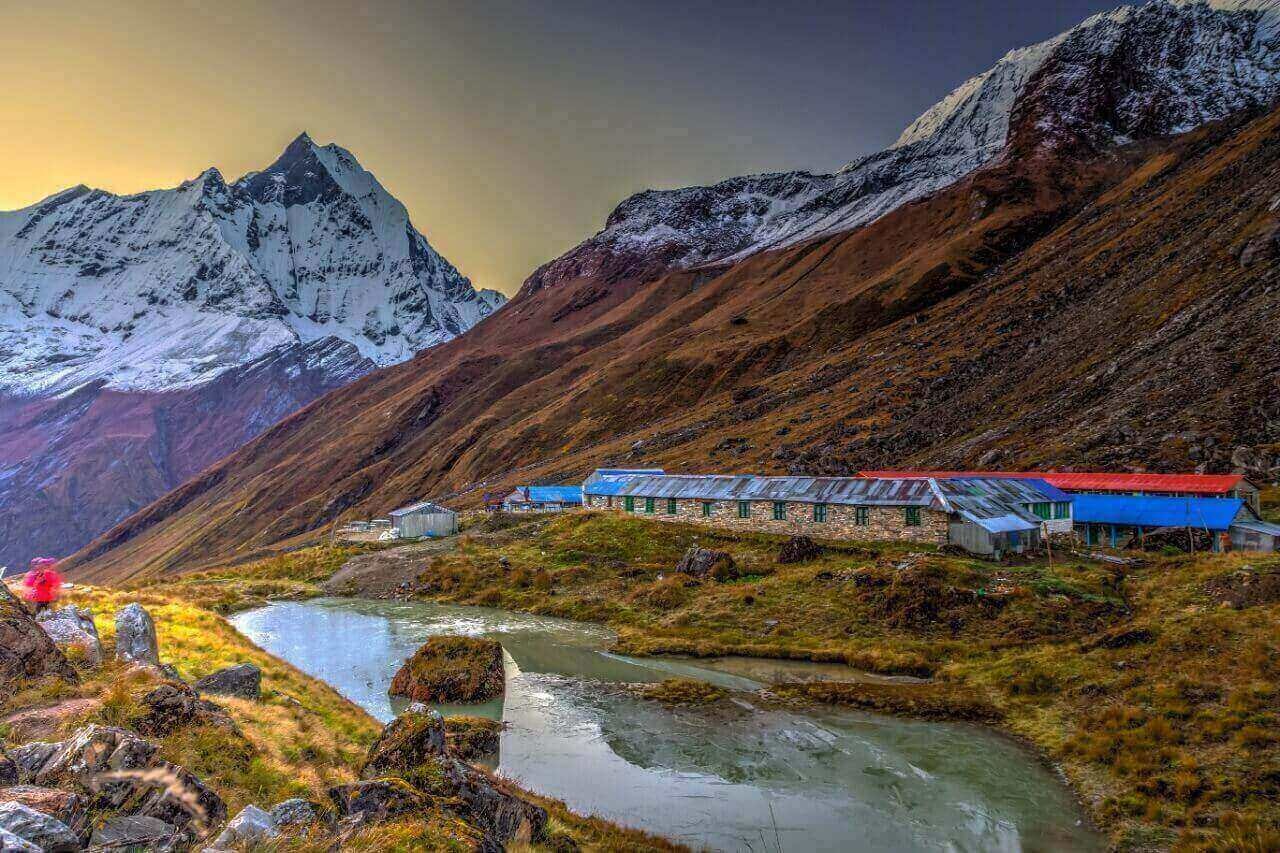
Spend the afternoon at base camp absorbing the atmosphere, photographing the peaks in different light, talking with fellow trekkers from around the world, and simply sitting in quiet appreciation of where you are. At sunrise and sunset, the mountains glow with extraordinary light. The overnight stay here, at nearly 4,200 metres, is one of the most memorable experiences available anywhere in the trekking world.
DAY HIGHLIGHTS
- Waypoint: Machhapuchhre Base Camp (MBC) at 3,700m
- Destination: Annapurna Base Camp (ABC) at 4,130m
- Panorama: 360-degree views of Annapurna I, South, III, Gangapurna, Machapuchare, Hiunchuli
- Altitude Gain: Approx. 930m from Deurali, the highest point of the trek
- Stay: Tea house at Annapurna Base Camp
Duration
5-6 hours
Activity
Trekking
Accommodation
Teahouse
Max Altitude
4130mDay 6: Trek down to Jhinu Danda (1,780m) – 7-8 hrs
THE DESCENT BEGINS
After a final sunrise at base camp and, if you are lucky, a clear morning with the peaks bathed in alpenglow, you begin the long descent back through the Annapurna Sanctuary. The descent covers significant vertical ground, dropping from 4,130m at ABC all the way down to 1,780m at Jhinu Danda in a single day. While the path is familiar from the ascent, the perspective is entirely different on the way down: your eyes are now free from the effort of looking upward, and you see the landscape afresh.
Passing again through Machhapuchhre Base Camp and Deurali, the trail re-enters the forest zone, and the air gradually thickens and warms. The birdsong returns, the trees close overhead, and the exhaustion of the high altitude begins to lift. The trail bypasses Sinuwa on the descent, cutting directly toward Chhomrong and then down through the valley toward Jhinu Danda.
Jhinu Danda is famous throughout the trekking world for one thing above all else: its natural hot springs. Set beside the Modi Khola river, these geothermal pools are the perfect antidote to days of hard trekking. The warm mineral water soothes aching muscles and tired joints, and there are few more pleasant ways to spend an evening than soaking in a natural hot spring beside a rushing Himalayan river, with the forest rising on all sides and stars beginning to appear above.
DAY HIGHLIGHTS
- Route: ABC, MBC, Deurali, Chhomrong, Jhinu Danda
- Altitude Drop: Approx. 2,350m descent in a single day
- Reward: Natural hot springs at Jhinu Danda are a highlight of the entire trek
- Stay: Tea house at Jhinu Danda
Duration
7-8 hours
Activity
Trekking
Accommodation
Teahouse
Max Altitude
1780mDay 7: Trek to Siwai, drive to Pokhara, then return to Kathmandu – 8-9 hrs total
CLOSING THE CIRCLE
The final day begins with a short but satisfying trek through the lower Modi Khola valley to Siwai, a small settlement accessible by road. The trail at this elevation is warm and lush, following the river through stands of bamboo and terraced farmland that feel almost tropical after the stark, glaciated world of the high Himalayas. The walk to Siwai takes roughly 2–3 hours and provides one last opportunity to absorb the natural beauty of the Annapurna foothills.
At Siwai, a vehicle awaits to carry you back to Pokhara. The drive, taking roughly 1.5–2 hours, retraces the route through the green hills south of Pokhara, arriving back at Phewa Lake in time for a celebratory lunch. Many trekkers choose to spend a few hours in Pokhara before the onward journey. The lakeside restaurants serve excellent food, and the gear shops are well stocked if you want to pick up a memento or replace any worn equipment.
From Pokhara, the drive or flight back to Kathmandu concludes the journey. The total overland drive from Pokhara to Kathmandu takes 6–7 hours; if time is precious, a 25-minute flight covers the same distance. Arriving back in Kathmandu, with the noise and colour and energy of the city washing over you after days in the mountains, is a strangely moving experience. A reminder of how much ground you have covered, literally and figuratively, over the past seven days.
DAY HIGHLIGHTS
- Final Trek: Jhinu Danda to Siwai (2–3 hours along the river valley)
- Drive: Siwai to Pokhara (approx. 1.5–2 hrs); Pokhara to Kathmandu (6–7 hrs)
- Alternative: A 25-minute domestic flight from Pokhara to Kathmandu is available
- Celebration: Farewell lunch in Pokhara at the lakeside
Duration
8-9 hours
Activity
Trekking,Drive
Accommodation
Hotel
Max Altitude
1400mIncludes/Excludes
What's included?
- Airport pick up and drop in a private vehicle
- Kathmandu Sightseeing
- 2 nights accommodation at a 3 star hotel in Kathmandu
- Breakfast and Welcome Dinner in Kathmandu
- Best accommodation options during the trek
- Government licensed trekking guide and a porter
- All the permits and entry fees required for the trek
- Trip completion certificate
What's not included?
- Foods during the trek
- Nepal Visa and Travel Insurance
- Tips for drivers, guides and porters
- Any soft or alcoholic beverages consumed during the trek
- Personal trekking gears
- Other expenses that are not mentioned in the inclusive
Short Annapurna Base Camp Trek Altitude Chart
Trip Information - Good to Know
Shortest Route & 5 vs 7 Days Comparison
When planning a Short Annapurna Base Camp Trek, the choice between a 5-day and 7-day itinerary depends on your available time, fitness level, and travel priorities.
Pros of 5-Day Trek
- Perfect for travelers with limited time
- Covers Annapurna Base Camp highlights efficiently
- Ideal for trekkers looking for a faster-paced adventure
- Minimal days off work or schedule constraints
Pros of 7-Day Trek
- More relaxed and enjoyable pace
- Extra time to acclimatize to altitude
- Opportunity to explore villages like Ghandruk and Sinuwa more thoroughly
- Chance to experience hot springs at Jhinu Danda without rushing
Packing List for Short ABC Trek
- Trekking shoes
- Warm jacket
- Sleeping bag
- Water bottle
- First aid kit
- Trekking poles
Packing Essentials
A well-packed bag makes all the difference. Essentials include: broken-in trekking boots with ankle support; moisture-wicking base layers; a warm mid-layer (fleece or down jacket); a waterproof outer shell; trekking poles (strongly recommended for the descents); a quality sleeping bag rated to at least -10°C for the nights at high altitude; a headlamp with spare batteries; sunscreen (SPF 50+) and UV-protective sunglasses; a reusable water bottle and water purification tablets or a filter; a basic first aid kit including blister care, ibuprofen, and Diamox if prescribed; and a small daypack for daily essentials if your main bag is carried by a porter.
Difficulty Level & Fitness Requirements
The Short Annapurna Base Camp Trek is a moderate trek suitable for beginners and those with average fitness. Key points include:
- Daily trekking hours: 5–8 hours on average
- Moderate elevation gain, max altitude: 4,130m at ABC
- Trek is suitable for first-time hikers with proper preparation
- Experienced guides and well-marked trails make it safe and manageable
Altitude & Health
Acute Mountain Sickness (AMS) is a genuine concern above 3,000m. Symptoms include headache, nausea, fatigue, dizziness, and loss of appetite. The most important rule is: never ascend if you are experiencing significant AMS symptoms. The itinerary is designed with a gradual ascent profile that minimises risk, but individual responses to altitude vary. Drink at least 3–4 litres of water per day at high altitude, avoid alcohol above 3,000m, and inform your guide immediately if you feel unwell. Diamox (Acetazolamide) is commonly used as a prophylactic; consult your doctor before the trek.
Tea House Culture
The tea houses along the Annapurna trail are the lifeblood of the trekking experience. Run almost entirely by local families, they offer simple rooms (typically two beds and a small window), shared bathrooms, and communal dining rooms warmed by wood or yak-dung stoves. The menus are surprisingly varied: dal bhat (the Nepali staple of lentil soup, rice, and vegetables) is excellent, nutritious, and always filling; pizza, pasta, mo:mo (Tibetan dumplings), porridge, and fresh bread are also widely available. Tipping is customary and deeply appreciated. At higher elevations, prices rise and certain items (bottled water, chocolate, beer) become luxury goods — plan accordingly.
Frequently Asked Questions
Can you do a short Annapurna Base Camp trek in 5 days?
Yes, it is possible to complete a short Annapurna Base Camp trek in 5 days by taking the fastest route via Jhinu Danda and Siwai. However, this requires good physical fitness and limited acclimatization time, so most trekkers prefer a 6–7 day itinerary for a safer and more comfortable experience.
What is the shortest route to Annapurna Base Camp?
The shortest route to Annapurna Base Camp starts from Siwai or Jhinu Danda instead of Nayapul. This route skips longer sections like Ghorepani and Poon Hill, reducing the total trekking duration while still covering major highlights.
How difficult is the short Annapurna Base Camp trek?
The short Annapurna Base Camp trek is considered moderate in difficulty. It involves 5–7 hours of daily trekking with gradual altitude gain up to 4,130 meters. Beginners with good fitness can complete it, but proper preparation is recommended.
Is a guide required for the short ABC trek?
A guide is not always mandatory, but hiring one is highly recommended for safety, navigation, and local insights. Recent trekking regulations in Nepal may also require licensed guides in certain regions.
What is the best time for a short Annapurna Base Camp trek?
The best time for the short Annapurna Base Camp trek is during spring (March to May) and autumn (September to November). These seasons offer clear skies, stable weather, and the best mountain views.
Is altitude sickness a risk on the short ABC trek?
Yes, altitude sickness can be a risk as the trek reaches 4,130 meters. However, the risk is lower compared to longer high-altitude treks if you follow a proper itinerary, stay hydrated, and ascend gradually.
What permits are required for the ABC trek?
You need two permits:
- Annapurna Conservation Area Permit (ACAP)
- TIMS (Trekkers’ Information Management System) card
These are required for all trekkers entering the Annapurna region.
Can beginners do the short Annapurna Base Camp trek?
Yes, beginners can do the short Annapurna Base Camp trek if they have basic fitness and stamina. Choosing a 7-day itinerary instead of a 5-day one is recommended for better acclimatization.
What should I pack for a short ABC trek?
You should pack essentials like trekking shoes, warm clothing, a sleeping bag, water bottle, first aid kit, and trekking poles. Weather can change quickly, so layering is important.
Trip Reviews
 Write a Review
- Best Price Guarantee
- Secure & easy booking
- Easy trip date changes
- Discount for groups


How to book a trip?

make free inquiry

confirm the trip
