


Upper Dolpo Trek


Trip Duration
28 Days
Group Sizes
0-15 People
Transportation
Ground and Flight
Destination
Upper Dolpo Trek
Max. Altitude
5360 m
Nature of Trip
Trekking
Best Season
Spring and Autumn
Activities
- City tour
- Trekking

Difficulty
Difficult
Meals
- Breakfast
- Lunch
- Dinner

Start & End Point
Kathmandu
Accommodation
- Tea Houses
- 4 star
Overview of Upper Dolpo Trek
 |
 |
The Tibetan Plateau is well known in the Dolpo region, yet there is still a lot of it that hasn’t been discovered. Even if the land is less frequently hit by waves of modernization, it has managed to preserve the natural beauty that it possesses. On the other hand, this makes your region a vital destination for hikers who value the importance of tranquility.
The Upper Dolpo Trek passes through a restricted area that has only been exposed to tourists since 1989. It is a part of the Shey Phoksundo National Park, and the Upper Dolpo trek route typically exceeds 4,000 meters. Additionally, this uncharted territory has an impact on Tibetan culture. As a result, this is an exhaustive guide to hiking in Upper Dolpo that enables you to organize an Upper Dolpo Trek that will provide you with an experience that is one in a million.
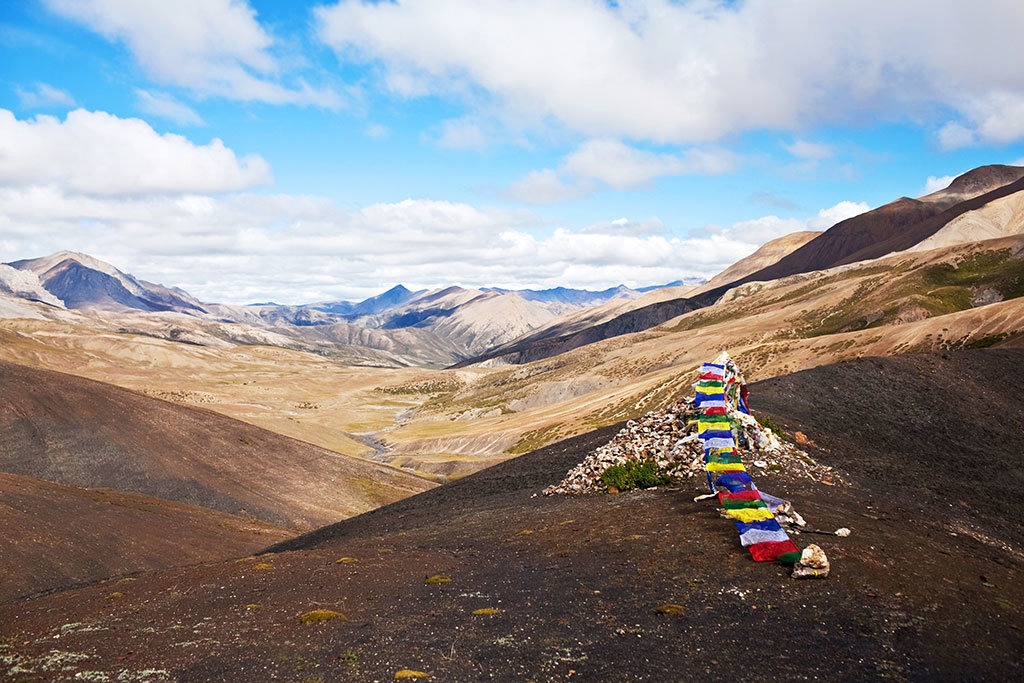
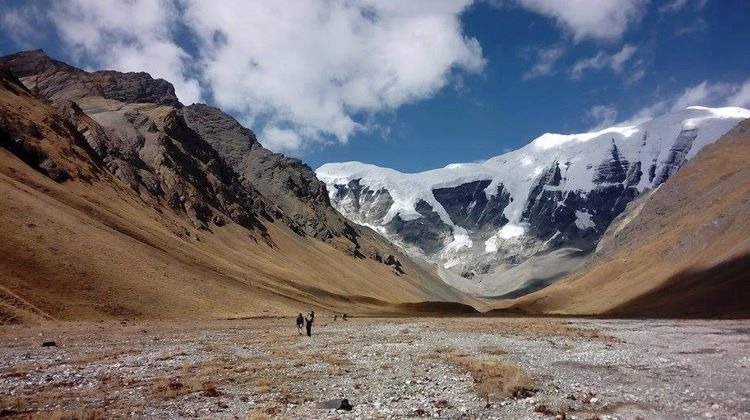
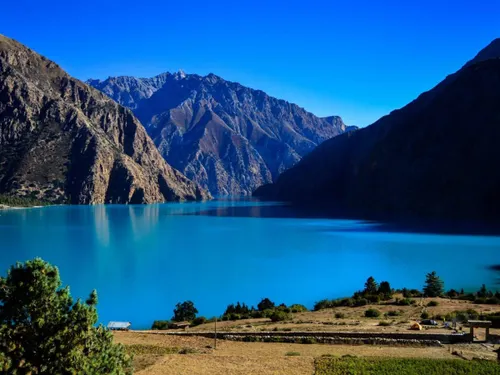
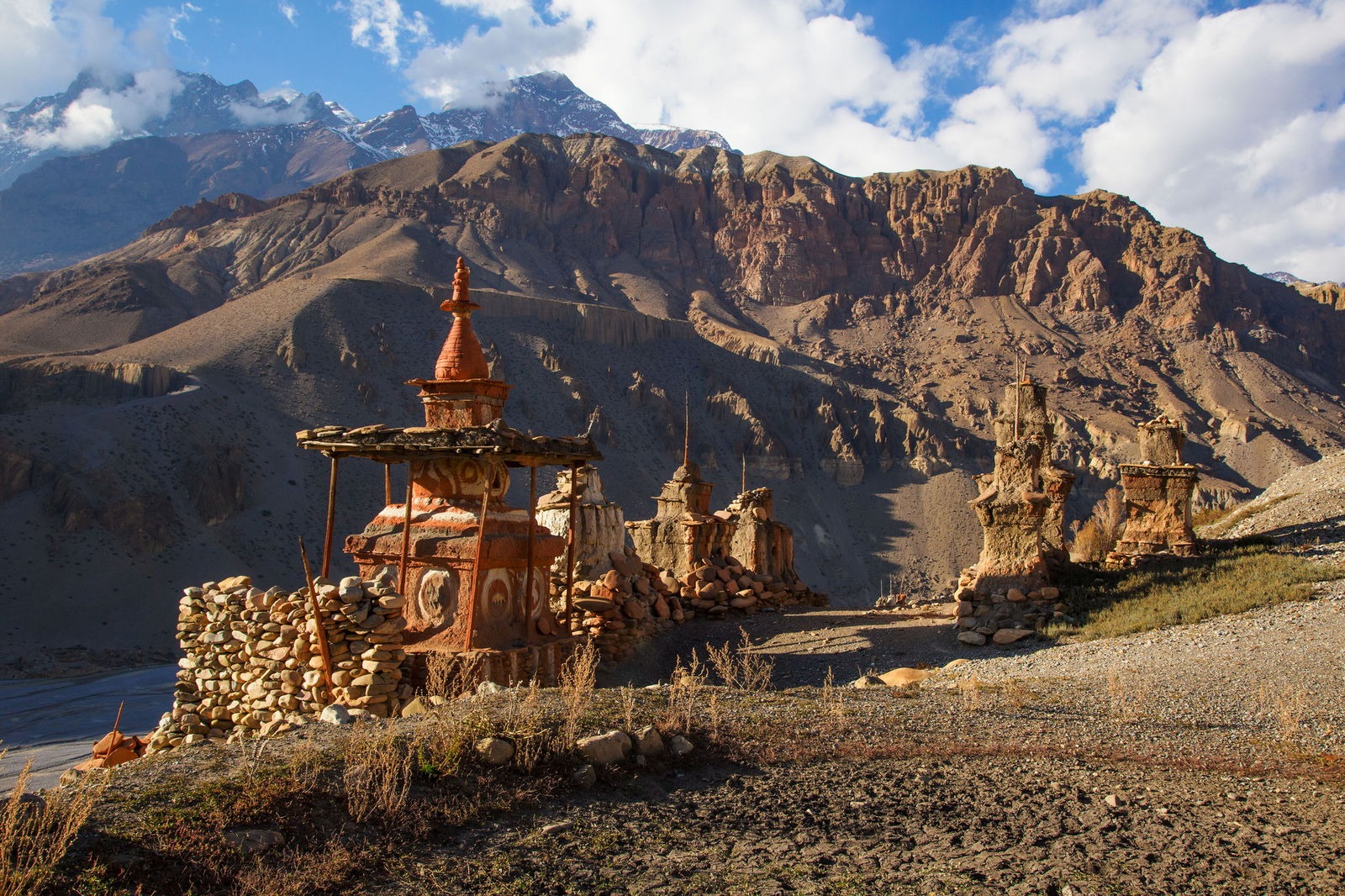
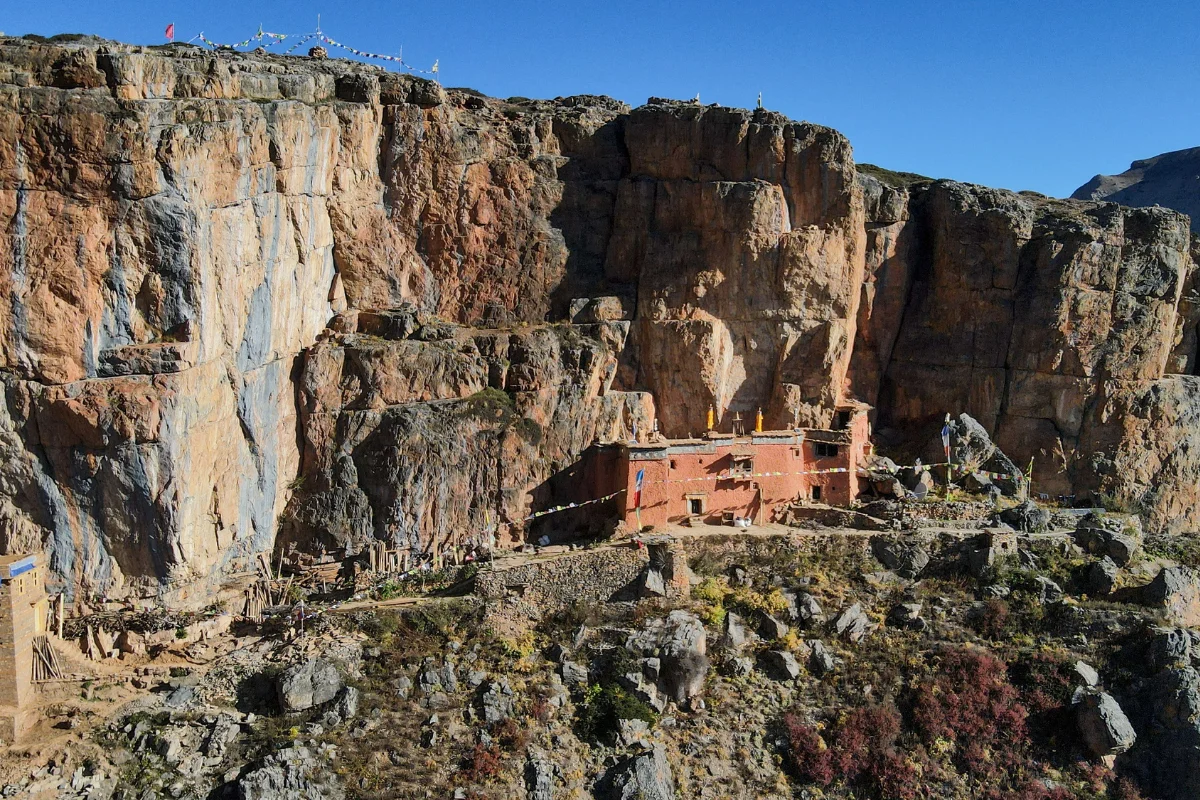
The path travels through the communities as it makes its way to an exit from a small airfield at Juphal. When you reach the deepest Shey Phoksundo Lake, which is located 3,600 meters above sea level, the views of the surrounding forest and high snow-capped mountains are breathtaking. In the meantime, the Kang–La Pass is the link that connects the Phoksundo Valley and the Shey Gompa. The highest point of the walk is the Kang -La Pass, from which you will have the opportunity to view the stunning landscapes and mountains. Following the investigation of Shey Phoksundo Lake, the Upper Dolpo hike continued with a visit to the Shey Gompa. Shey Gompa and the crystal mountain together provide for a relaxing getaway that has a certain personal allure due to the tranquility that it exudes. During trekking in the Dolpo region of Nepal, you will have the opportunity to experience the majesty of Nepal’s harsh and isolated far west. Dolpo is located on Tibet’s border, and the culture and a lot of environment in this region are very similar to those found in Tibet. When you go trekking in the Upper Dolpo region of Nepal’s far western region, you enter one of the most uninhabited parts of the Himalayas. Because there is so little in the way of tourist infrastructure in Dolpo, it is necessary to go on organized excursions if you plan on going on an expedition there. The rewards, though, are well worth the effort: Tibetan Buddhist culture, some of the country’s oldest monasteries, the breathtaking Lake Phoksundo, uncommon fauna, and a genuine feeling of being out in the wilderness. Western Nepal is not only very isolated, but it is also very underdeveloped and relatively impoverished. It is required to camp out and bring all of your own food supplies because the tourism infrastructure in Dolpo is not as developed as it is in other parts of Nepal.
It is not possible to walk alone in Upper Dolpo, and the permits are very expensive. The Shey Monastery, which dates back 800 years, the deep valleys, high mountains, and peaks, the blue Lake Phoksundo, and some rare species, like the elusive snow leopard, are some of the rewards for the intrepid trekkers that travel here. This trek takes you through some stunning landscapes, but it also leads you to the secret of Upper Dolpo: the hidden Saldang and Yangtser Gonpa. As a result, the excursion will bring you to a stunning location in the Upper Dolpo region.
If you’re looking for a similar experience, check out the Annapurna Circuit Trek.
Permits and regulations for the Upper Dolpo Trek
Upper Dolpo Trek has prohibitively expensive permits that are administered stringently. On your route to Upper Dolpo, you will go through Lower Dolpo, and as a result, you are required to get a permit for Lower Dolpo as well. In addition to that, each year Upper Dolpo only allows an additional 250 non-locals to enter the region.
- Lower Dolpo: $10 USD per week
- Daily cost in Upper Dolpo: USD 50 (10-day minimum)
In addition, an entry charge of Rs. 1,000 is required to enter the Shey-Phoksundo National Park. Because it is required to hike with a guide while on an organized tour in Upper Dolpo, the permits necessary for your trek will be arranged by your tour operator, and the expenses associated with them are typically incorporated into the overall cost of your vacation.
Best time for trekking in Upper Dolpo
As is the case across the majority of Nepal, the spring (April to May) and the fall (October to November) are the best times to visit Upper Dolpo. During these months, the weather is mild, the skies are at their clearest, and there is a low probability of snowfall at high altitudes. The months of April and November are the most likely to get late or early snowfall, which can make certain passes impassable.
Difficulty during the Upper Dolpo Trek
Upper Dolpo is known for having challenging terrain for trekkers. There are some challenging ascents, three passes that are higher than 5000 meters, numerous nights spent at altitudes of 3500 meters or higher, and some long hiking days that are at least six hours long. The fact that this is an overnight trek adds to the physical difficulty and pain of trekking in Upper Dolpo; therefore, it is recommended that you take some rest days along the way.
This is not a trek for first-timers, and you should not undertake it if this is your first trip to Nepal. However, it will be a task that is worth taking on for both seasoned hikers and those who have traveled to Nepal before.
 |
 |
Highlights of the Upper Dolpo Trek
- Explore places in Nepal that only a select few tourists ever get to see.
- Explore the hypnotizing Shey Phoksundo Lake, which is important because its water is perfectly transparent and it is shaped like turquoise.
- A one-of-a-kind camping experience, complete with the varied topography of the region and its numerous buried treasures.
- Trek across high passes at an altitude of over 5,000 meters, see breathtaking scenery, interact with locals, and check out some monasteries.
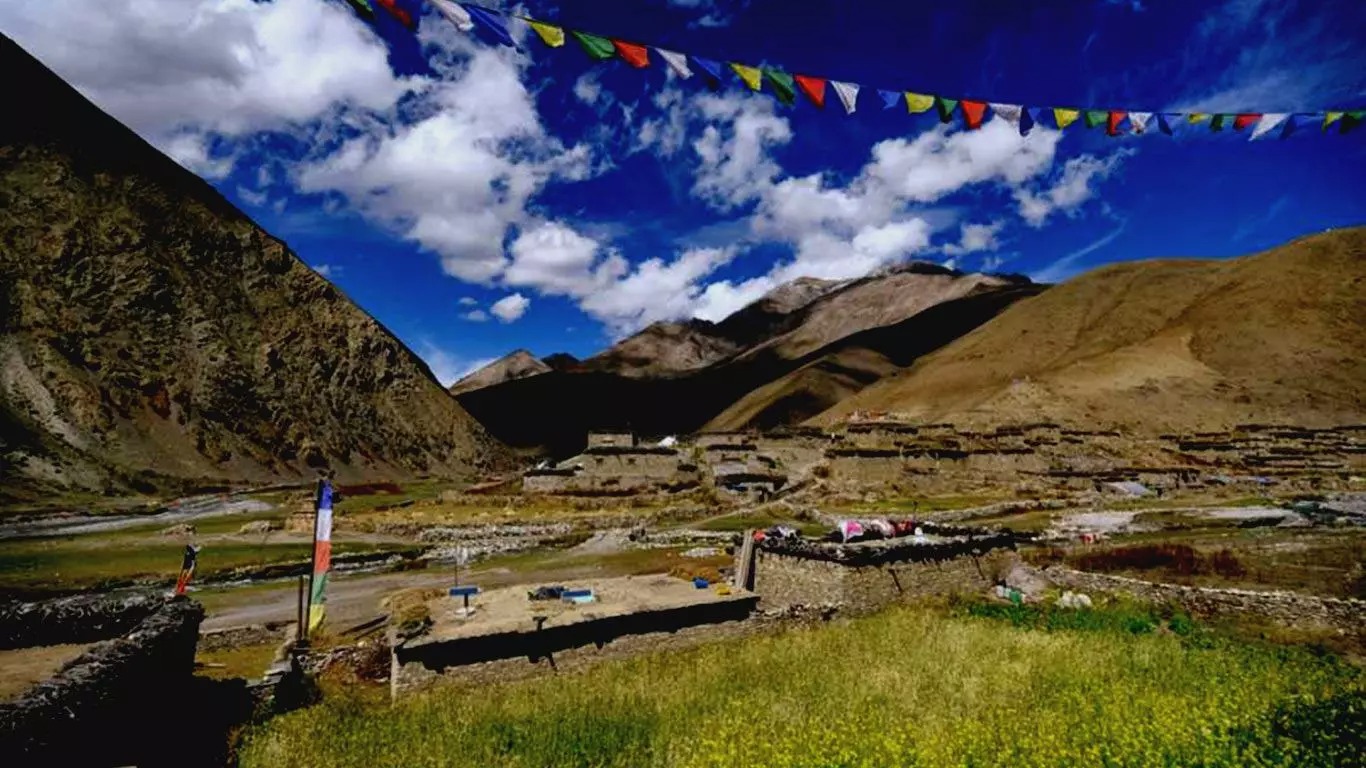
- Pay a visit to Saldang, a community that dates back to the medieval period, as well as the nomad encampment located at Dho Tarap, the highest human settlement on the planet.
- Discover a wide variety of plants and animals at the Shey Phoksundo National Park.
- Keep a lookout for snow leopards in Shey Phoksundo National Park, one of the world’s highest animal concentration parks.
- Visit the 800-year-old Shey Gompa monastery at the bottom of Crystal Mountain, which was memorialized in Peter Matthiessen’s “The Snow Leopard.”
- Witness the springtime hunt for Yarcha Gumba, a peculiar fungus that resembles a caterpillar and is highly prized for its purported therapeutic properties.
Itinerary of Upper Dolpo Trek
Day 1: Arrival in Kathmandu (1,400m)
Day 2: Kathmandu Sightseeing & Trek Prep
Day 3: Fly to Nepalgunj (150m)
Day 4: Fly to Juphal (2,475m), Trek to Dunai (2,140m) – 3 hrs
Day 5: Trek to Chhepka (2,630m) – 6-7 hrs
Day 6: Trek to Jharana Hotel (3,110m) – 5-6 hrs
Day 7: Trek to Ringmo/Phoksundo Lake (3,610m) – 4 hrs
Day 8: Acclimatization and Exploration Day
Day 9: Trek to Phoksundo Khola (3,630m) – 5 hrs
Day 10: Trek to Phoksundo Bhanjyang (4,190m) – 6 hrs
Day 11: Cross Kang-La Pass (5,360m), Trek to Shey Gompa (4,500m) – 7 hrs
Day 12: Rest Day at Shey Gompa
Day 13: Trek to Namgung (4,430m) via Saldang La (5,010m) – 6 hrs
Day 14: Trek to Saldang (3,770m) – 4 hrs
Day 15: Trek to Yangze Gompa (4,960m) – 6 hrs
Day 16: Trek back to Saldang – 5 hrs
Day 17: Trek to Sibu (4,160m) – 6 hrs
Day 18: Trek to Jeng-La Phedi (4,900m) – 5 hrs
Day 19: Cross Jeng-La (5,090m), Trek to Tokyu Gaon (4,209m) – 7 hrs
Day 20: Trek to Dho Tarap (4,090m) – 3 hrs
Day 21: Rest Day at Dho Tarap
Day 22: Trek to Nawarpani (3,545m) – 6 hrs
Day 23: Trek to Laina Odar (3,370m) – 6 hrs
Day 24: Trek to Lingdo (2,390m) – 6 hrs
Day 25: Trek to Dunai (2,140m) – 5 hrs
Day 26: Trek to Juphal (2,475m) – 2-3 hrs
Day 27: Fly Juphal → Nepalgunj → Kathmandu
Day 28: Final Departure
Includes/Excludes
What's included?
- Airport pick up and drop in a private vehicle
- Kathmandu Sightseeing
- 2 nights accommodation at a 3 star hotel in Kathmandu
- Breakfast and Welcome Dinner in Kathmandu
- Best accommodation options during the trek
- Government licensed trekking guide and a porter
- All the permits and entry fees required for the trek
- Trip completion certificate
What's not included?
- Foods during the trek
- Nepal Visa and Travel Insurance
- Tips for drivers, guides and porters
- Any soft or alcoholic beverages consumed during the trek
- Personal trekking gears
- Other expenses that are not mentioned in the inclusive
Trip Information - Good to Know
Trip Reviews
 Write a Review








- Best Price Guarantee
- Secure & easy booking
- Easy trip date changes
- Discount for groups


How to book a trip?

make free inquiry

confirm the trip
