


Secret Monasteries Hidden in the Himalayas: 12 Sacred Places in Nepal That Few Travelers Ever Discover
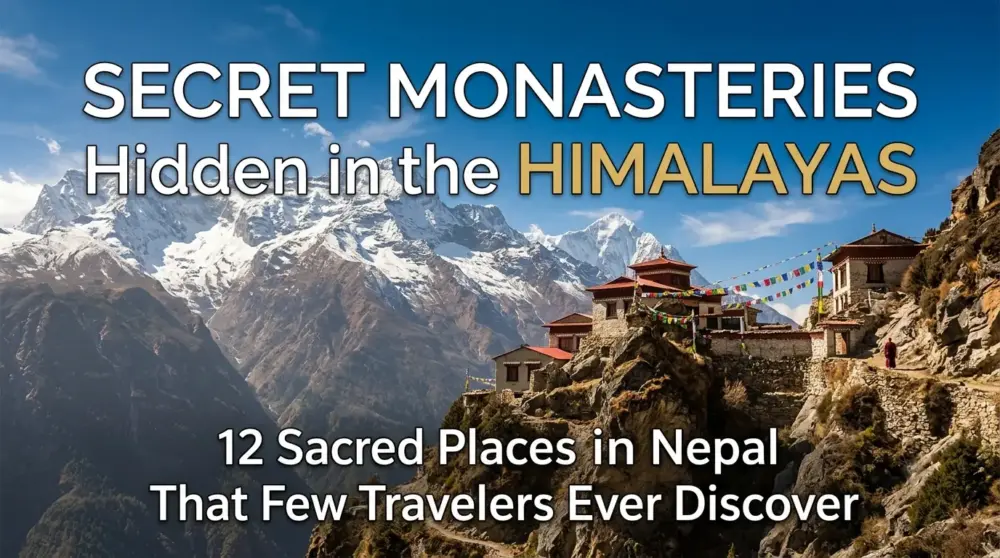
Secret Monasteries Hidden in the Himalayas: Nepal’s Best-Kept Spiritual Secrets
Nepal is often celebrated as the home of the world’s highest mountains, legendary trekking routes, and vibrant cultural heritage. Every year, thousands of travelers arrive to conquer Everest Base Camp, hike through the Annapurna region, or wander the historic temples of Kathmandu Valley. Yet hidden beyond these famous destinations lies another side of Nepal—one that remains untouched by mass tourism and deeply connected to centuries-old Buddhist traditions.
Scattered across remote Himalayan valleys are monasteries where time seems to stand still. Some cling dramatically to rocky cliffs, while others rest quietly beside glacial rivers or within hidden alpine villages. Many can only be reached after days of trekking through forests, crossing suspension bridges, and climbing mountain passes. The journey itself becomes part of the spiritual experience.
Unlike the popular monasteries visited by day-trippers, these hidden gompas are living centers of faith. Monks begin their mornings with the sound of chanting long before sunrise, butter lamps illuminate centuries-old prayer halls, and colorful prayer flags dance in the Himalayan wind. Visitors are welcomed not as tourists but as respectful guests entering sacred spaces where daily life revolves around meditation, compassion, and community.
What makes these monasteries truly special is not only their breathtaking locations but also the stories they preserve. Many are linked to Guru Padmasambhava, Milarepa, or generations of Sherpa, Tamang, and Tibetan Buddhist communities who have safeguarded these traditions for hundreds of years.
For travelers seeking more than spectacular mountain views, these hidden monasteries offer a rare opportunity to experience Nepal’s spiritual heart.
Why Visit Hidden Himalayan Monasteries?
Hidden monasteries offer an experience that goes far beyond sightseeing. They provide a window into Himalayan culture that cannot be found in guidebooks or social media posts.
Unlike crowded tourist attractions, these monasteries remain peaceful places where centuries-old rituals continue uninterrupted. You might find yourself listening to monks chanting in a candlelit prayer hall, watching young novice monks study ancient scriptures, or sharing butter tea with local villagers while hearing stories passed down through generations.
Many monasteries are located in protected mountain landscapes surrounded by snow-capped peaks, alpine meadows, waterfalls, and ancient forests. The combination of natural beauty and spiritual atmosphere creates an unforgettable experience for trekkers, photographers, and cultural travelers alike.
Visitors can also gain a deeper understanding of Tibetan Buddhism by observing traditional ceremonies, colorful festivals, and meditation practices that have remained largely unchanged for centuries.
Whether you are religious or simply curious about Himalayan culture, these hidden monasteries reveal a quieter and more meaningful side of Nepal.
1. Tsum Valley Monasteries – Nepal’s Hidden Buddhist Kingdom
Hidden in the northern Gorkha district near the Tibetan border, Tsum Valley is one of Nepal’s most remarkable cultural treasures. Closed to foreign visitors until 2008, the valley remained isolated for centuries, allowing its unique Tibetan Buddhist traditions to flourish with minimal outside influence.
Locals refer to Tsum Valley as the “Hidden Valley of Happiness,” a place believed to have been blessed by Guru Padmasambhava during his travels through the Himalayas. Even today, visitors immediately notice the valley’s peaceful atmosphere. Stone mani walls carved with Buddhist prayers line ancient footpaths, colorful prayer flags stretch across mountain ridges, and whitewashed chortens stand as symbols of devotion throughout the villages.
The valley is home to several important monasteries, including Mu Gompa and Rachen Gompa, each playing a vital role in preserving Buddhist teachings and local culture.
Walking through Tsum Valley feels like entering another era. Yak caravans still transport supplies between villages, monks greet visitors with warm smiles, and local families continue traditions that have remained unchanged for generations.
For travelers seeking authentic Himalayan culture away from busy trekking routes, Tsum Valley offers one of Nepal’s most rewarding spiritual journeys.
Highlights
- Ancient Tibetan Buddhist culture
- Peaceful trekking routes
- Traditional villages
- Stunning mountain landscapes
- Excellent opportunities for cultural photography
2. Mu Gompa – The Monastery Above the Clouds
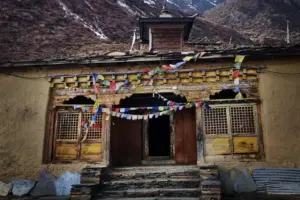
Standing at an altitude of approximately 3,700 meters, Mu Gompa is one of Nepal’s highest and most remote monasteries. Located near the northern edge of Tsum Valley, reaching the monastery requires several days of trekking through dramatic Himalayan landscapes.
Founded centuries ago, Mu Gompa remains an active monastery where resident monks dedicate their lives to prayer, meditation, and Buddhist education. Despite its remote location, it continues to serve as an important spiritual center for nearby communities.
The monastery itself is surprisingly simple, yet its surroundings are extraordinary. Snow-covered peaks dominate the horizon, while prayer flags flutter continuously in the mountain wind. The silence here feels profound, broken only by chanting monks and the occasional ringing of monastery bells.
Visitors often spend time observing daily rituals or speaking with monks about life in the Himalayas. The conversations are simple but meaningful, offering insights into a way of life centered on compassion, mindfulness, and simplicity.
Sunrise and sunset are particularly magical. As golden light touches the surrounding mountains, the monastery seems to glow against the rugged Himalayan landscape.
For many trekkers, Mu Gompa becomes the emotional highlight of their journey through Tsum Valley—not because of luxury or convenience, but because of the overwhelming sense of peace found in one of Nepal’s most isolated spiritual sanctuaries.
3. Rachen Gompa – A Sanctuary of Compassion
Only a short trek from Chhekampar village stands Rachen Gompa, one of Nepal’s most respected Buddhist nunneries. While many monasteries are primarily home to monks, Rachen Gompa is dedicated to the education and spiritual practice of Buddhist nuns.
Home to hundreds of nuns, the monastery plays an important role in preserving Buddhist philosophy while promoting education and community service. Visitors are often welcomed into the peaceful courtyard, where the rhythmic sound of chanting creates an atmosphere of calm unlike anywhere else in the Himalayas.
Beyond its religious significance, Rachen Gompa symbolizes the important contribution women continue to make within Himalayan Buddhism.
Its beautiful setting, surrounded by green hills and distant snow peaks, makes it both a cultural and scenic highlight of the Tsum Valley trek.
4. Thame Monastery – The Spiritual Home of the Khumbu
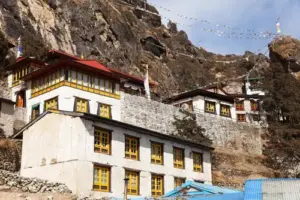
While thousands of trekkers pass through Namche Bazaar every trekking season, relatively few continue toward the quiet Sherpa village of Thame. Hidden beyond the main Everest Base Camp trail, Thame Monastery is one of the oldest and most respected monasteries in the Khumbu region.
Founded several centuries ago, the monastery has long served as a spiritual center for Sherpa communities. Many legendary Everest climbers, including local mountaineering families, have received blessings here before setting out on expeditions into the world’s highest mountains.
The monastery’s annual Mani Rimdu festival is smaller than the celebration at Tengboche, but it offers a more intimate experience. Visitors can witness traditional masked dances, sacred rituals, and Buddhist ceremonies while interacting closely with local villagers.
Standing outside the monastery, surrounded by towering Himalayan peaks, it’s easy to understand why generations of Sherpas have regarded this place as the spiritual heart of the Everest region.
5. Tengboche Monastery – Beyond the Famous Prayer Hall
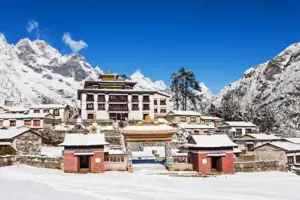
Nestled at an altitude of 3,867 meters in the Everest region, Tengboche Monastery is the largest monastery in Khumbu and one of Nepal’s best-known Buddhist landmarks. While many trekkers stop here for its iconic setting against Ama Dablam, few take the time to explore beyond the main monastery building.
Scattered across the surrounding hillsides are small meditation huts and hermitages where monks spend weeks or even months in silent retreat. These secluded places rarely appear in guidebooks, yet they offer a glimpse into the contemplative side of Himalayan Buddhism.
At dawn, the monastery comes alive with the deep sound of horns and rhythmic chanting. The smell of burning juniper incense fills the crisp mountain air as monks gather for morning prayers. Watching the first rays of sunlight illuminate the snow-covered peaks while prayers echo across the valley is an unforgettable experience.
Tengboche is also famous for hosting the annual Mani Rimdu Festival, a sacred celebration featuring masked dances, rituals, and blessings performed by monks. Although the festival attracts visitors, it remains a deeply spiritual event for the Sherpa community.
If you spend a little extra time exploring the quieter corners around Tengboche, you’ll discover why this monastery continues to inspire pilgrims, climbers, and travelers from around the world.
6. Luri Gompa – The Hidden Cave Monastery of Upper Mustang
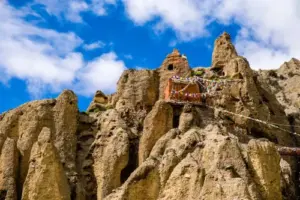
Hidden within a dramatic sandstone cliff in the remote kingdom of Upper Mustang, Luri Gompa is one of Nepal’s most extraordinary yet least-visited monasteries.
Unlike traditional monasteries built on hilltops or in villages, Luri Gompa is carved into a natural cave, creating an atmosphere that feels mysterious and timeless. Reaching it involves trekking through Mustang’s rugged landscapes, where barren hills, ancient cave dwellings, and windswept valleys create scenery unlike anywhere else in Nepal.
Inside the monastery, visitors are greeted by centuries-old murals depicting Buddhist deities, mandalas, and sacred symbols. Despite their age, many of these paintings remain remarkably well preserved, thanks to the region’s dry climate and isolation.
Local guides often describe Luri Gompa as a place where history and spirituality meet. Monks once used these caves for meditation, believing the peaceful environment was ideal for deep spiritual practice.
Because visitor numbers remain low, Luri Gompa retains a sense of discovery that is increasingly rare in today’s travel world. It feels less like visiting a tourist attraction and more like uncovering a hidden chapter of Himalayan history.
7. Chhairo Monastery – Mustang’s Living Cultural Treasure
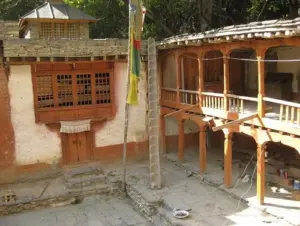
Just a short drive from Jomsom lies Chhairo Monastery, one of the oldest monasteries in the Mustang region. Overshadowed by the popularity of Muktinath and Upper Mustang, this peaceful monastery often escapes the attention of international travelers.
Built in the traditional Tibetan architectural style, the monastery serves as both a religious center and a gathering place for nearby communities. Monks continue their daily routines of prayer, study, and meditation while preserving centuries-old Buddhist traditions.
One of the best times to visit Chhairo Monastery is during local festivals, when villagers dressed in colorful traditional clothing gather to celebrate with masked dances, music, and religious ceremonies. These events provide visitors with an authentic glimpse into the cultural life of Mustang.
Surrounded by dramatic cliffs and the Kali Gandaki Valley, Chhairo Monastery perfectly reflects the harmony between nature and spirituality that defines much of Nepal’s Himalayan culture.
8. Maratika Cave Monastery – Where Legends Come Alive
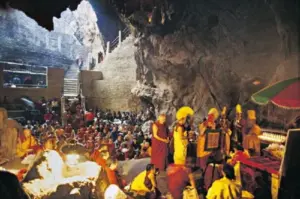
Deep in eastern Nepal lies one of Buddhism’s most sacred pilgrimage destinations—Maratika Cave Monastery, also known as Halesi Mahadev by Hindu devotees.
This unique site is revered by both Buddhists and Hindus, making it a rare symbol of Nepal’s religious harmony.
According to Buddhist tradition, Guru Padmasambhava (Guru Rinpoche) and Princess Mandarava meditated inside these caves and attained the realization of immortality. Because of this legend, thousands of pilgrims travel here every year seeking blessings, spiritual growth, and inner peace.
The monastery surrounding the cave is modest, allowing the natural beauty and sacred atmosphere to take center stage. Butter lamps flicker against the cave walls while pilgrims quietly recite prayers and spin prayer wheels.
Even for visitors without a religious background, Maratika offers a deeply moving experience. The peaceful surroundings encourage reflection and provide a welcome contrast to the fast pace of modern life.
9. Ogyen Choling Hermitage – A Place of Silence in Helambu
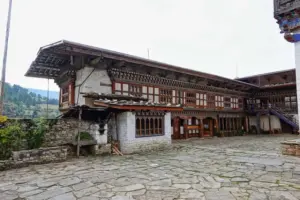
The Helambu region is often overlooked by travelers heading toward Langtang or Everest, yet it hides several peaceful monasteries and hermitages where Buddhist traditions continue to flourish.
Among them is the quiet Ogyen Choling Hermitage, surrounded by rhododendron forests, mountain streams, and traditional villages.
Unlike larger monasteries that receive regular visitors, this hermitage offers a more intimate experience. Monks spend much of their time studying scriptures, practicing meditation, and caring for the monastery grounds.
The journey itself is part of the experience. Walking through forests filled with birdsong before arriving at a peaceful monastery creates a sense of calm that many travelers describe as transformative.
Local villagers are known for their warm hospitality, often inviting trekkers to share tea while telling stories about the region’s Buddhist traditions and mountain folklore.
For those seeking solitude rather than crowds, Ogyen Choling is one of Nepal’s hidden spiritual gems.
10. Lapchi Monasteries – The Sacred Valley of Milarepa
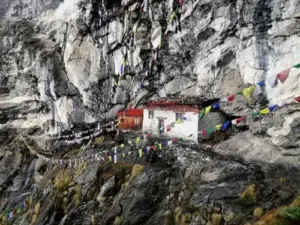
Hidden in the remote Dolakha District, close to the Nepal–Tibet border, Lapchi is one of the most sacred yet least-explored Buddhist pilgrimage sites in the Himalayas. Although it is deeply revered by Tibetan Buddhists, very few international travelers have even heard of it.
Lapchi is best known as the meditation site of Milarepa, one of Tibet’s greatest yogis, poets, and spiritual masters. According to tradition, Milarepa spent years meditating in the caves of Lapchi, surviving on wild nettles while seeking enlightenment. Today, many of those caves remain important pilgrimage destinations, visited by monks and devotees who come to meditate in the same peaceful surroundings.
Scattered across the valley are small monasteries, hermitages, and sacred caves surrounded by waterfalls, alpine forests, and snow-capped peaks. Unlike Nepal’s more famous monasteries, Lapchi has remained almost untouched by tourism, preserving its authentic spiritual atmosphere.
The trek to Lapchi is challenging, passing through remote villages, suspension bridges, dense forests, and rugged mountain trails. Yet those who complete the journey often describe it as one of the most meaningful experiences in Nepal.
Rather than grand architecture, Lapchi offers something even more valuable—a sense of profound silence. Here, the sound of prayer flags fluttering in the wind and monks chanting softly inside ancient caves reminds visitors that some of Nepal’s greatest treasures are hidden far from the crowds.
For travelers seeking both adventure and spiritual discovery, Lapchi represents one of the Himalayas’ last truly secret pilgrimage destinations.
11. Kyanjin Gompa – Langtang Valley’s Spiritual Sanctuary
Nestled in the heart of Langtang National Park, Kyangin Gompa is one of the most peaceful monasteries in the Himalayas. While many trekkers reach Kyangin Gompa village for its breathtaking mountain views, fewer take time to visit the monastery that gives the settlement its name.
Surrounded by towering peaks such as Langtang Lirung, glaciers, and alpine meadows, the monastery has served the local Tamang community for generations. Every morning, monks gather for prayers while villagers light butter lamps and offer incense, creating a serene atmosphere that reflects the deep spiritual connection between the people and the mountains.
After the devastating 2015 earthquake, the Langtang region showed remarkable resilience. Today, visiting Kyangin Gompa is not only a cultural experience but also a way to support the local communities rebuilding their lives through sustainable tourism.
The peaceful setting makes this an ideal place to pause, reflect, and appreciate the harmony between nature and Buddhist tradition.
12. Chiwong Monastery – Solu’s Hidden Spiritual Treasure
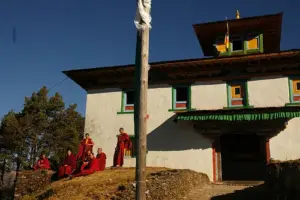
Located in Nepal’s Solu region, south of Everest, Chiwong Monastery remains one of the country’s lesser-known Buddhist landmarks. Founded in the early 20th century, it is an important center for the Sherpa community and a place where traditional Buddhist teachings continue to thrive.
Each autumn, the monastery hosts the Mani Rimdu Festival, a vibrant celebration featuring sacred masked dances, ritual ceremonies, and prayers for peace and prosperity. Unlike larger festivals in more popular trekking regions, Chiwong offers an intimate cultural experience where visitors can interact with local families and monks.
The journey to Chiwong takes travelers through picturesque villages, terraced hillsides, and quiet forests, offering a glimpse into rural Himalayan life that many tourists never experience.
More Than Monasteries: The Sacred Tradition of Kora
In the Himalayas, visiting a monastery is often only part of the spiritual journey. Many monasteries are surrounded by Kora routes—sacred paths that pilgrims walk clockwise while spinning prayer wheels and reciting mantras.
For Buddhists, completing a Kora is an act of devotion believed to bring peace, accumulate merit, and cultivate compassion. Along these paths, you’ll pass colorful prayer flags, carved mani stones, chortens, and small shrines that reflect centuries of Himalayan faith.
Even if you’re not religious, walking a Kora respectfully offers a meaningful way to experience local traditions and connect with the tranquil rhythm of monastery life.
Hidden Stories That Bring These Monasteries to Life
Every hidden monastery in Nepal carries stories passed down through generations.
In Tsum Valley, locals believe the mountains are protected by spiritual guardians, and many villagers still avoid harming wildlife out of respect for Buddhist teachings.
Near Thame Monastery, Sherpa families traditionally seek blessings before climbing high mountains, believing that spiritual preparation is just as important as physical training.
In Lapchi, monks share stories of Milarepa’s years of meditation in isolated caves, where he survived on wild nettles while pursuing enlightenment. These tales continue to inspire pilgrims from across the Himalayan region.
At Luri Gompa, local legends describe the cave monastery as a refuge for wandering monks who sought silence and wisdom far from worldly distractions.
These stories remind visitors that the monasteries are not simply historic buildings—they are living places where faith, culture, and community continue to shape everyday life.
Tips for Visiting Hidden Himalayan Monasteries
Exploring these sacred places is a privilege, and respectful behavior helps preserve their spiritual atmosphere.
Before visiting, keep these guidelines in mind:
- Dress modestly by covering your shoulders and knees.
- Remove your shoes before entering prayer halls if requested.
- Always ask permission before photographing monks or religious ceremonies.
- Keep conversations quiet and avoid disturbing those who are praying or meditating.
- Walk clockwise around stupas, mani walls, and prayer wheels as local custom dictates.
- Never touch sacred objects, scriptures, or statues without permission.
- Support local communities by staying in family-run teahouses, hiring licensed guides, and purchasing locally made handicrafts.
Responsible tourism helps ensure these monasteries remain protected for future generations.
Best Time to Visit Nepal’s Hidden Monasteries
Although many monasteries can be visited throughout the year, spring and autumn provide the best conditions.
Spring (March to May)
Spring brings blooming rhododendron forests, mild temperatures, and excellent mountain views. This is one of the best seasons for trekking to remote monasteries such as Mu Gompa, Lapchi, and Kyangin Gompa.
Autumn (September to November)
Following the monsoon, autumn offers crystal-clear skies, stable weather, and spectacular Himalayan panoramas. Many important Buddhist festivals, including Mani Rimdu, also take place during this season.
Winter (December to February)
Lower-altitude monasteries remain accessible, but heavy snowfall may limit travel to higher Himalayan regions.
Monsoon (June to August)
Frequent rain, muddy trails, and occasional landslides make trekking more challenging. However, monasteries in lower elevations can still provide rewarding cultural experiences.
How to Reach These Hidden Monasteries
Reaching Nepal’s hidden monasteries often requires a combination of road travel, domestic flights, and trekking. While the journey can be demanding, it is also part of what makes these destinations so rewarding.
Popular starting points include:
- Kathmandu – Gateway to Helambu, Tsum Valley, Maratika, and Lapchi.
- Lukla – Starting point for Thame and Tengboche Monastery.
- Syabrubesi – Trailhead for Kyangin Gompa in Langtang Valley.
- Jomsom – Access to Chhairo Monastery and Luri Gompa in Mustang.
Some regions, including Upper Mustang and Tsum Valley, require special trekking permits. Traveling with an experienced local guide not only simplifies logistics but also provides valuable insight into the culture, history, and traditions of each monastery.
Frequently Asked Questions
Yes. Most monasteries welcome respectful visitors, although access may be limited during private ceremonies or meditation retreats.
A licensed guide is highly recommended for remote regions such as Lapchi, Upper Mustang, and Tsum Valley, where trails can be challenging, and facilities are limited.
Absolutely. Visitors of all faiths are welcome, provided they respect local customs, dress appropriately, and behave respectfully within monastery grounds.
Kyangin Gompa in Langtang Valley and Tengboche Monastery in the Everest region are among the most accessible for trekkers.
Lapchi Monasteries and Mu Gompa are among Nepal’s most isolated spiritual destinations, requiring several days of trekking through remote Himalayan landscapes.
Why These Hidden Monasteries Matter Today
As Nepal’s trekking routes become increasingly popular, these hidden monasteries remind us that the Himalayas are much more than a destination for adventure. They are places where centuries-old traditions continue to shape everyday life, preserving languages, rituals, music, art, and values that have endured despite the challenges of time.
Visiting these monasteries responsibly supports local communities, encourages cultural preservation, and offers travelers a richer understanding of Nepal beyond its famous peaks.
Whether you spend an hour listening to monks chant, share tea with villagers, or quietly watch prayer flags flutter against a backdrop of snow-covered mountains, these experiences leave a lasting impression.
Final Thoughts
Nepal’s hidden monasteries are among the country’s greatest cultural treasures. From the peaceful valleys of Tsum and Langtang to the sacred caves of Lapchi and Maratika, each monastery tells a story of faith, resilience, and harmony with nature.
These are places where ancient traditions continue to thrive, where local communities welcome visitors with genuine hospitality, and where every trail leads not only through spectacular landscapes but also into the spiritual heart of the Himalayas.
If you’re planning your next adventure in Nepal, consider stepping beyond the well-known trekking routes. The journey may take longer, but the reward is unforgettable—a chance to discover sacred places that remain hidden from the crowds and to experience the timeless beauty of the Himalayas in a truly meaningful way.


How to book a trip?

make free inquiry

confirm the trip
