


Langtang Valley Trek: 11-Day Essential Guide to an Amazing Himalayan Trek
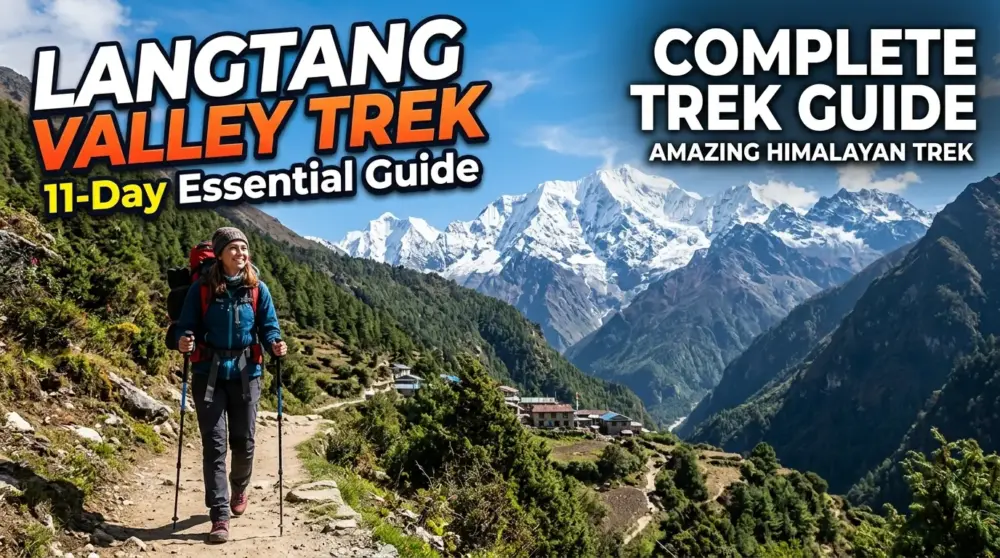
Nobody warned me that Langtang would be the one I kept thinking about.
I had done the research, looked at all the usual options, and nearly booked the Annapurna Circuit as everyone else does. Then someone mentioned Langtang almost in passing, and something about the way they said it made me stop. Not enthusiastic exactly. More like quietly certain. The kind of recommendation that comes from someone who does not need to convince you because they know what they know.
That is the energy around this trek. The people who have done it do not oversell it. They just say go.
So this is everything you need to know before you do.
Where Is Langtang and How Do You Actually Get There
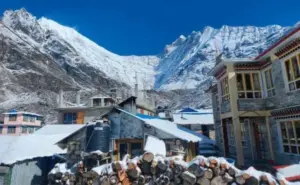
Langtang Valley is in the Rasuwa district of northern Nepal. Pressed right up against the Tibetan border, inside Langtang National Park, about 117 kilometres north of Kathmandu.
No flight required. That is the first thing people do not realise. You just take a jeep or bus from Kathmandu, roughly 7 to 8 hours along mountain roads that follow the Trishuli River, and you arrive at Syabrubesi. That is where the walking starts. Compare that to getting to the Everest region, which involves flights, delays, altitude before you even step on a trail, and the Langtang approach already feels better.
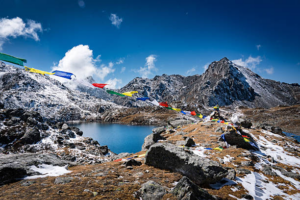
Gosaikunda Lake is higher up in the same park. Altitude of 4,380 metres. It is sacred to both Hindus and Buddhists, feeds the Trishuli River below, and has been drawing pilgrims for longer than written records cover. You reach it in the second half of the trek, after the Langtang Valley section.
Why This Trek and Not the Famous Ones
Look, I am not going to tell you Everest Base Camp is not worth doing. It obviously is.
But there is something that happens to a trail when it gets famous enough. It becomes about the trail. The teahouses start catering entirely to foreigners, the prices triple, the locals working there are sometimes not even from the region, and you end up walking for two weeks surrounded by people who are also just walking to say they walked it.
Langtang has not done that yet. Maybe it will one day. Right now, though, you are walking through actual Tamang villages where the culture goes back centuries. These are Tibetan-Buddhist communities, so prayer flags, mani walls, monasteries, and butter lamps are burning not for tourists but because that is just what happens here every single day.
You eat at teahouses where the family running it has been doing this since before it was a trekking route. You can have real conversations. That sounds like nothing until you have spent a few days on a more commercial route and you realise how much you missed it.
And then there is Gosaikunda, which is where the trek earns something extra. Hindu mythology says Lord Shiva struck his trident into the glacier here after swallowing the poison that was going to destroy everything, trying to find water. The lake that came from the melting ice became one of the most sacred sites in the hills. Every August during Janai Purnima, thousands of pilgrims walk up here. Actual devotees, not tourists. Families carrying offerings, old men and women making the climb barefoot sometimes.
If you go in August, you will see all of this happening around you. If you go any other time, you will just stand at the lake knowing that story, and it will still change how the place feels. That is how much the history of a place can do when it is real and not manufactured.
The Itinerary Day by Day
Full trek is 10 to 12 days, depending on pace. Here is a solid version of it.
Day 1 – Kathmandu to Syabrubesi (1,540m)
Driving day. Long one. About 8 hours, but the road along the Trishuli gorge is genuinely beautiful, so it does not feel wasted. Arrive, eat, sleep. Resist the urge to explore. Your legs have work coming.
Day 2 – Syabrubesi to Lama Hotel (2,380m)
First day walking, and it eases you in well. Forest trail along the Langtang River, around 6 hours. Lama Hotel is not a hotel; it is a cluster of teahouses that got named that sometime in the past, and nobody has changed it since. Comfortable enough.
Day 3 – Lama Hotel to Langtang Village (3,430m)
The valley opens on this day. You come around a ridge, and suddenly, there is this wide mountain valley in front of you with peaks on every side, and the scale of everything just becomes clear.
Langtang Village itself was almost destroyed in the 2015 earthquake. An enormous avalanche triggered by the tremors buried most of it. The families who survived largely came back and rebuilt. Walking through the village knowing that it is a different experience from most trekking villages. It just is.
Day 4 – Langtang Village to Kyanjin Gompa (3,870m)
Kyanjin Gompa is the end of the valley section and one of the highlights of the entire trek. Working Buddhist monastery, prayer wheels, mountains so close they look unreal. There is also a yak cheese factory here that has been operating since the 1950s. The cheese is hard and salty and good, and you will buy too much of it. Completely fine.
Day 5 – Acclimatisation Day at Kyanjin Gompa
Do not try to skip this. I know it feels like a wasted day when you are keen to move, but it is genuinely not. Hike up to Kyanjin Ri at 4,773m or push to Tserko Ri at just under 5,000m for a panorama of Langtang Lirung, Ganesh Himal, and peaks across the Tibetan border. Then you come back down and sleep low. That is the whole strategy at altitude. Your body needs the night at a lower elevation to adjust.
Days 6 and 7 – Back through the valley, up toward Sing Gompa
You leave Langtang Valley now and start climbing toward the Gosaikunda ridge via Thulo Syabru and Sing Gompa, also called Chandanbari, sitting at around 3,330m. There is another cheese factory at Sing Gompa. By this point in the trek, you will have fully committed to the cheese thing.
Day 8 – Sing Gompa to Gosaikunda Lake (4,380m)
This is the one. Steep climb through Laurebina, the terrain becoming more open and raw the higher you go, fewer trees, more rock, the sky feeling closer. And then the lake is just there. Big and dark and absolutely still in the morning. Surrounded by ridges with snow sitting on them. A small temple on the far shore.
Sit down. Do not rush the photos. Actually be there for a bit. The moment when the sun first hits the peaks behind the lake, and the reflection starts forming on the water, is one of those things that is very hard to describe to someone who has not seen it and very easy to understand once you have.
Days 9 to 11 – Descent to Dhunche, drive to Kathmandu
You drop down to Dhunche, and from there it is the road back to the city. Most people are quiet in the jeep. Not sad, quiet. Just full.
How Hard Is This Trek
Moderate is the accurate answer. Harder than a city hike, nowhere near mountaineering.
Most days are 5 to 6 hours of walking. Trails are well-marked. There are teahouses throughout, so you are never genuinely remote. The climbs are real, but they are walking climbs, not technical ones.
What catches people is altitude. Not fitness. Above 3,500 metres, your body is working harder for every breath, and it behaves in ways that feel strange if you have never experienced it. Headaches are common. You might sleep the first night or two at an elevation. Going up a gentle slope at Kyanjin can leave you more winded than a sprint would at sea level.
Respect the acclimatisation process, and this trek is very manageable. First-time Himalayan trekkers complete it every season without major issues. If you can walk for 5 or 6 hours at a comfortable pace and you are not someone who ignores warning signs from your own body, you will be fine.
Best Time to Go
Spring, March through May, or Autumn, September through November.
Spring has the rhododendron forests in full bloom through the lower sections. Big dense bursts of red and pink against the snow above. Temperatures are comfortable, skies are mostly clear, and the valley has a particular lushness to it that autumn does not quite match.
Autumn has the clearest skies of the year. Post-monsoon visibility is extraordinary. Mountains look sharper and closer than you would believe possible. If summit views are the main thing you are coming for, October in particular is hard to beat.
Monsoon runs from June through August. Wet, muddy, leeches on the lower trails. But August has the Janai Purnima pilgrimage, and if witnessing that is something that calls to you, the wet trails are a fair trade.
Winter is cold and remote, and possible with proper gear. Not the first choice for most people.
Permits You Need
Two of them are simple.
TIMS Card, about USD 10. Langtang National Park Entry Permit, roughly NPR 3,000, which is around USD 23. Both available at the Nepal Tourism Board in Thamel or handled for you through a tour package. Not complicated.
What Does It Cost
Independent budget trekking comes to roughly USD 30 to 50 per day once you factor in teahouse accommodation, three meals, snacks, and transport. Full trek total somewhere between USD 400 and 650.
A fully guided package through Green Horizon Tour runs approximately USD 650 to 850 per person and covers your guide, porter, all meals on the trail, accommodation, permits, and transport from Kathmandu. For what is included, that is fair pricing.
Worth saying this plainly: the Langtang community lost an enormous amount in the 2015 earthquake. Tourism is directly tied to how this valley recovers. Booking a guided trek with a local company is not just the easier option. It actually matters to the people living here.
Altitude and the Things That Actually Help
Maximum altitude on the standard route is 4,380 metres at Gosaikunda. Optional hikes push toward 5,000 metres.
Three things that genuinely make a difference:
- Drink water all day, not just when thirsty, 3 to 4 litres daily above 3,000 metres
- Walk at a pace where you can still hold a conversation without stopping
- Take the acclimatisation day
Real altitude sickness signs are a headache that will not respond to paracetamol, nausea, confusion, and any coordination problems. If those show up and do not improve with rest within an hour or two, you descend immediately. Not after one more sleep. Immediately. The mountain will still be there. Your health is more important than the summit.
The Specific Moments You Will Not Stop Thinking About
Not the statistics. The moments.
- The rebuilt Langtang Village and realising that the family serving you dinner came back to this place after everything and built again
- Standing outside the monastery at Kyanjin at 6 am with cold milk tea and the peaks turning from grey to gold above you
- The yak cheese. Genuinely. You will think about it when you are back home, and you will not be able to explain why
- Gosaikunda at dawn, before the other trekkers wake up, when the water is completely still, and the reflection of the mountains in it is so clear you are looking at two skies at once
Those are the things. That is what stays.
Frequently Asked Questions
Is the trek safe?
Yes, for well-prepared trekkers respecting altitude guidelines. Established trail, regular teahouses in season, well-travelled route.
Can beginners do this trek?
Yes. Decent base fitness and willingness to take altitude seriously are all it takes.
Is a guide necessary?
Not legally required. But practically, especially above Sing Gompa toward Gosaikunda, a local guide improves both your safety and your understanding of what you are walking through by a significant margin.
What is the altitude of Gosaikunda Lake?
4,380 metres, 14,370 feet.
How cold does it get?
Minus 10 Celsius or below at night at Kyanjin Gompa and Gosaikunda in spring and autumn. A proper sleeping bag is not optional. Not a budget one.
Final Honest Answer – Is It Worth It
Yes. Completely.
Three things in one trek that most routes cannot offer together: real mountain wilderness that does not feel like a managed tourist experience, a living culture you actually get to be inside for a few days, and a sacred destination with genuine centuries of meaning behind it. Under two weeks. Reachable by road. At a price most people can actually manage.
If you nearly chose something else, you nearly missed something that would have stayed with you.


How to book a trip?

make free inquiry

confirm the trip
