


Mohare Danda Trek


Trip Duration
7 Days Days
Group Sizes
2-16 People People
Transportation
Drive/Walk
Destination
Mohare Danda Trek
Max. Altitude
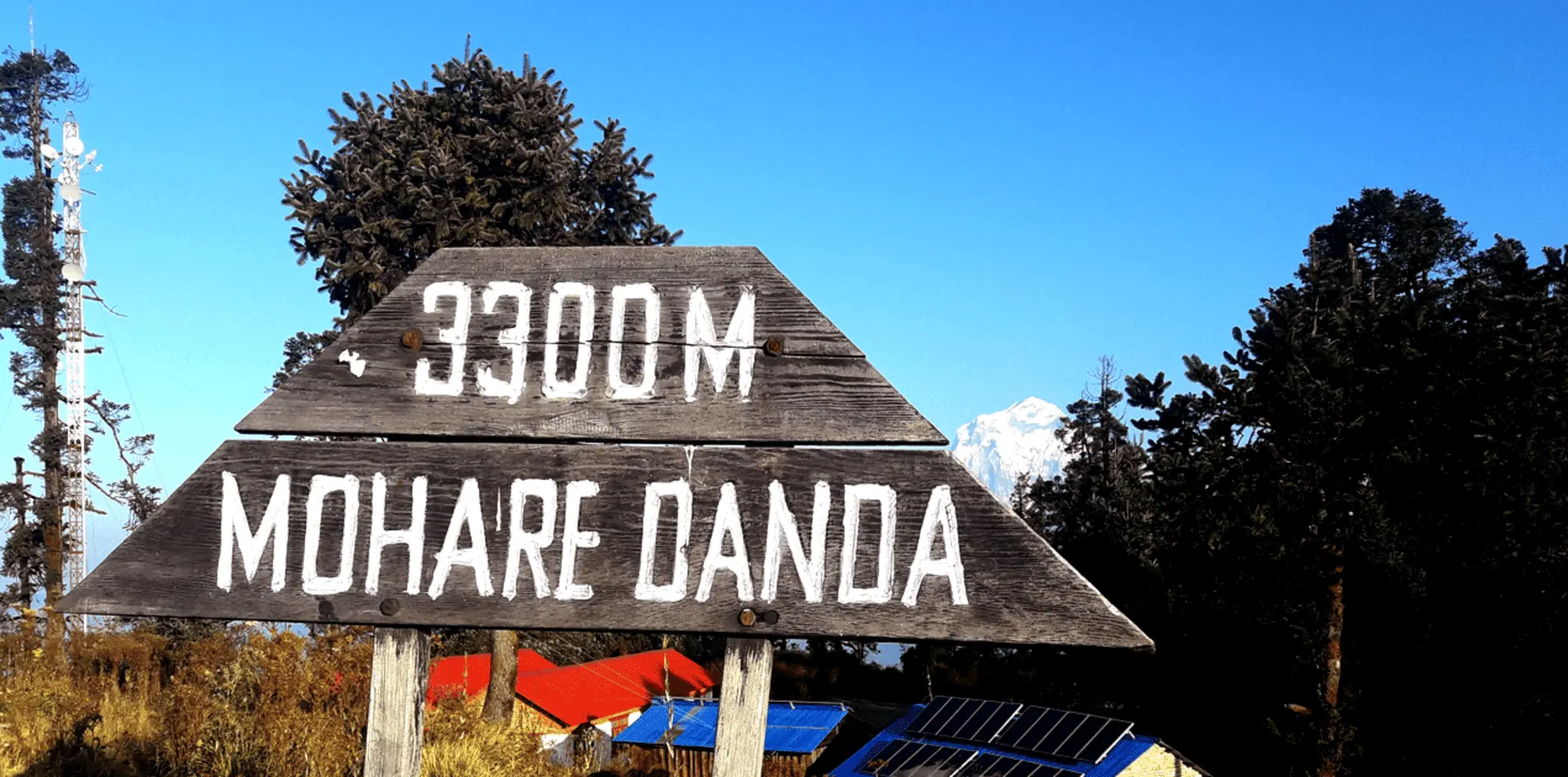
3300
Nature of Trip
Trekking,Community
Best Season
Jan-Dec
Activities
- Trekking
- Sunrise Viewpoint
- Cultural

Difficulty
Easy
Meals
- Community Lodge Breakfast
- Community Lodge Lunch
- Community Lodge Dinner

Start & End Point
Pokhara
Accommodation
- Community Lodge
Overview of Mohare Danda Trek
|
|
Overview
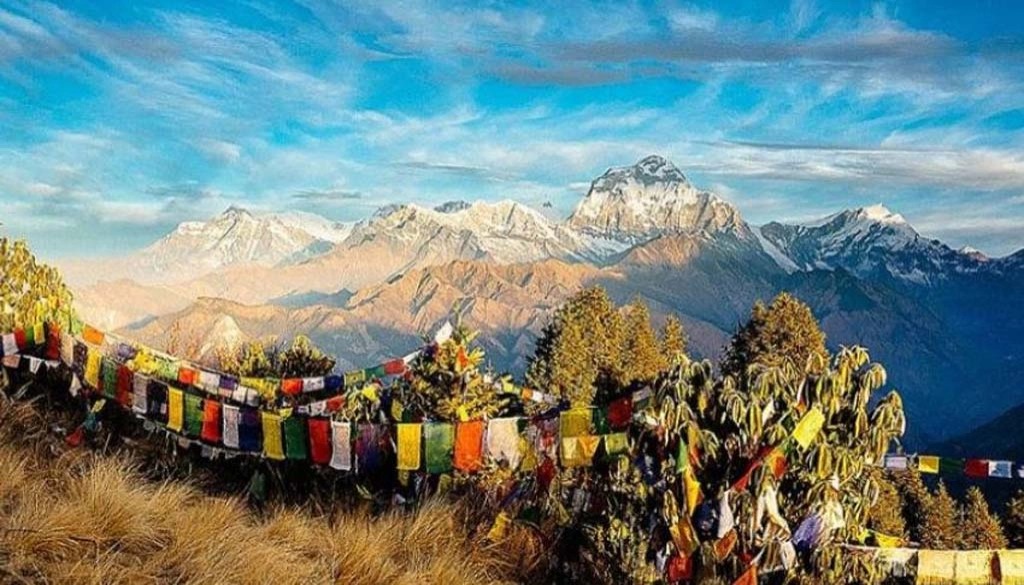
Mohare Danda Trek is one of those places. Sitting at 3,300 metres in the folds between the Annapurna and Dhaulagiri ranges, it is the kind of ridge that makes you stop mid-step and simply stare. The mountains do not feel distant here. They feel close enough to reach out and touch.
Developed in 2010 by social entrepreneur Mahabir Pun, this trail was built not just as a route through the hills but as a lifeline for the communities that call these hills home. Every lodge you sleep in, every meal you eat, every cup of chai you wrap your hands around in the morning — all of it flows directly back into the villages of Nangi, Banskharka, and the surrounding Magar settlements. This is not passive tourism. This is travel that actually matters to the people who welcome you.
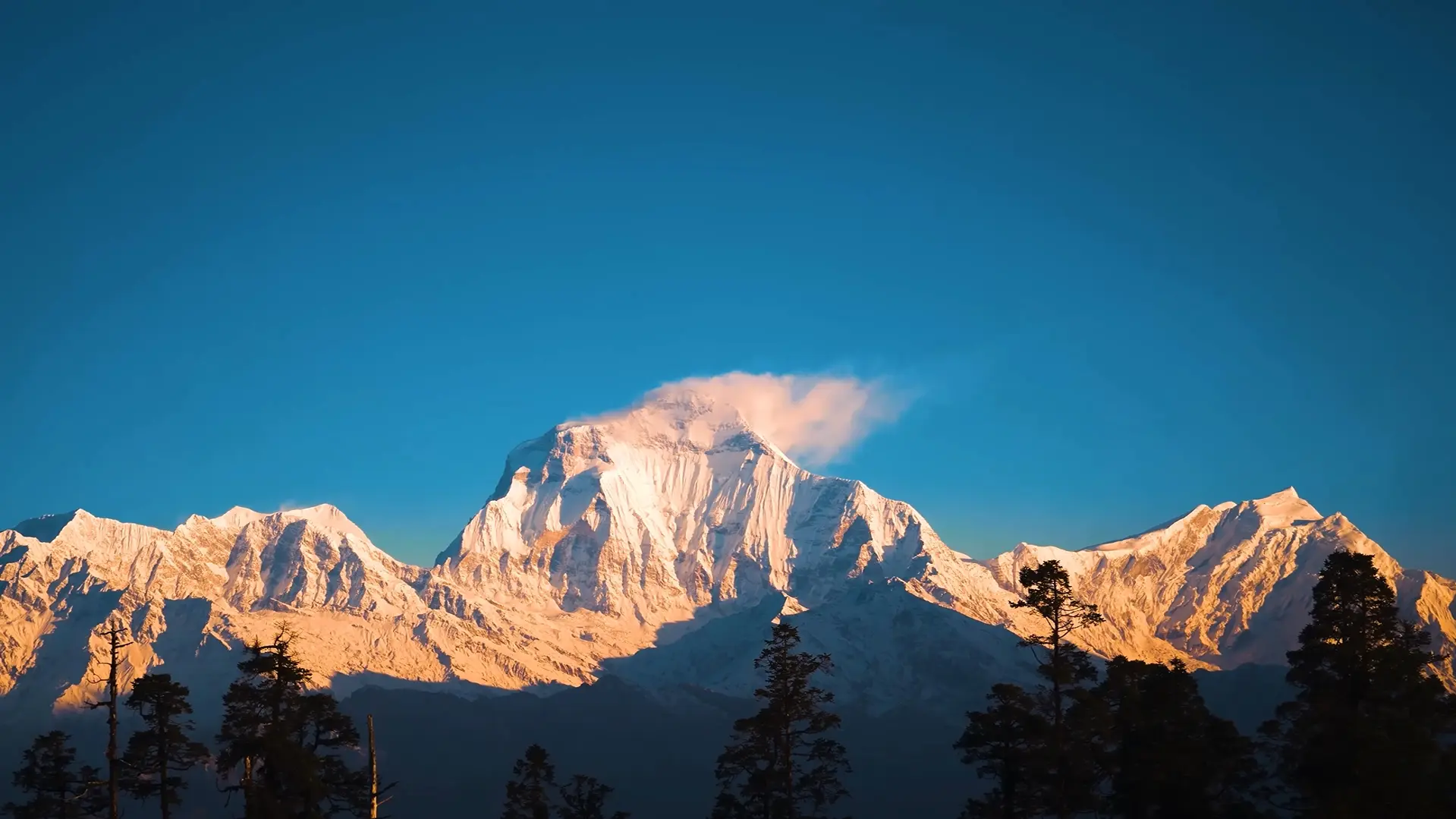
The trek itself is a beautifully paced journey from the riverbanks of the Kali Gandaki up through terraced orange orchards, dense rhododendron and oak forests, open alpine meadows, and finally onto the windswept ridge of Mohare Danda itself. From the top, on a clear morning, you will see Dhaulagiri (8,167 m), Annapurna I (8,091 m), Annapurna South, Machhapuchhre (Fishtail), Nilgiri, and Tukuche all lined up before you. On days when the air is sharp and clean, you can even spot Pokhara’s Phewa Lake shimmering far below to the south.
If you have been to Poon Hill or Ghorepani before, Mohare Danda will feel like a quieter, more honest version of that same experience. The mountains are the same. The sunrise is just as golden. The difference is that here, no tour groups are crowding the viewpoint. There is just you, the wind, and the Himalayas.
The Mohare Danda Community Trek follows a beautiful ridge in the Annapurna foothills to reach Mohare Danda (3,300m) — a sweeping viewpoint above the Modi Khola valley with uninterrupted panoramas of the Annapurna massif, Dhaulagiri, Machhapuchhre (Fish Tail), and Nilgiri. Less known and far quieter than the iconic Poon Hill sunrise trail, Mohare Danda offers comparable Himalayan views from a community-managed ridge that is walking distance from some of the Annapurna region’s most authentic Gurung and Magar villages.
This 8-day trek is designed as an easy-to-moderate community experience, ideal for first-time trekkers, families, and anyone wanting to experience rural Nepal’s warmth and hospitality without the physical demands of high-altitude routes. The trail passes through Ramkot, Narchyang, and Bhaise — traditional villages where women weave on back-strap looms, men herd sheep and cattle on the high pastures, and children greet trekkers with enthusiastic ‘Namaste’ on their way to and from school.
Accommodations on this route are exclusively in community-owned lodges whose profits are reinvested into village infrastructure, conservation, and guides’ wages. Green Horizon Tours is a strong advocate for the Mohare Danda community initiative and includes this trek among its most recommended responsible tourism experiences. If you want to trek in Nepal while ensuring your rupees benefit the people you meet on the trail, this is one of the finest options in the entire Annapurna region.
For more context on the region, see our guides to Khopra Danda Ridge Trek, Annapurna Circuit Trek, and Mardi Himal Base Camp Trek.
Trek Overview
| Detail | Information |
|---|---|
| Destination | Mohare Danda, Annapurna Region, Nepal |
| Trek Duration | 8 to 10 Days (flexible) |
| Maximum Altitude | 3,300 m / 10,826 ft (Mohare Danda Viewpoint) |
| Difficulty Level | Easy to Moderate — suitable for beginners |
| Trek Distance | Approx. 37 to 50 km one way |
| Starting Point | Galeshwor / Beni, Myagdi District |
| Ending Point | Ghandruk / Pokhara |
| Best Season | March to May, September to November |
| Accommodation | Eco Community Lodges and Homestays |
| Trek Type | Community-Based Eco Trek |
| Permits Required | ACAP Permit, TIMS Card |
| Group Size | Minimum 1, Maximum 15 |
Day by Day Itinerary at a Glance
| Day | From | To | Altitude | Duration |
|---|---|---|---|---|
| Day 1 | Pokhara | Ramkot (via Nayapul) | 1,100 m | 1.5 hrs drive + 2–3 hrs trek |
| Day 2 | Ramkot | Narchyang | 1,600 m | 4–5 hrs |
| Day 3 | Narchyang | Mohare Danda | 3,300 m | 6–7 hrs |
| Day 4 | Mohare Danda | Explore Ridge & Sunrise Viewpoint | 3,300 m | Rest and exploration day |
| Day 5 | Mohare Danda | Bhaise | 2,050 m | 4–5 hrs |
| Day 6 | Bhaise | Ghandruk | 1,940 m | 4–5 hrs |
| Day 7 | Ghandruk | Pokhara (via Nayapul) | 822 m | 3 hrs trek + 1.5 hrs drive |
| Day 8 | Pokhara | Rest or Departure Day | 822 m | Flexible |
Trek Highlights
- Panoramic 360-degree sunrise views of Dhaulagiri, Annapurna I, Annapurna South, Machhapuchhre, Nilgiri, and Tukuche from Mohare Danda ridge (3,300 m)
- Walk through dense rhododendron forests that burst into crimson and pink bloom during spring, with oak, pine, and bamboo groves along the trail
- Stay in authentic eco community lodges and local homestays — some of the most genuine hospitality you will find anywhere in the Annapurna region
- Visit the innovative Nangi Village, home to a community school, a handmade paper workshop, and a grassroots IT project started by Mahabir Pun
- Explore the orange orchards and terraced gardens of Banskharka, where local farmers invite trekkers to learn how they live
- Pass through Ghandruk, a classic Gurung village with ancient traditions, stone-paved lanes, and stunning views of Annapurna South and Hiunchuli
- Witness the sacred Galeshwor Temple on the banks of the Kali Gandaki — an important pilgrimage site for Hindu devotees
- Off-the-beaten-path experience with minimal crowds — a genuine alternative to the increasingly busy Ghorepani Poon Hill circuit
- Optional extension to Khopra Danda (3,660 m) and the sacred Khayer Lake (4,665 m) for trekkers who want to push further
- Directly support sustainable community tourism — every rupee spent on this trek stays within the local economy
Best Time to Trek
Spring: March to May (Recommended)
This is peak rhododendron season. The forests between Banskharka and Mohare Danda transform into a riot of colour as hundreds of varieties of rhododendron bloom simultaneously. Temperatures at the ridge are cool but manageable, skies are generally clear in the mornings, and the mountain views are at their most vivid. The trails see moderate foot traffic, though nowhere near the crowds of the Poon Hill route.
Autumn: September to November (Recommended)
Post-monsoon autumn brings crystal-clear skies, fresh-washed air, and the sharpest mountain views of the year. The forests are still intensely green from the rains, creating a vivid contrast with the snow-capped peaks above. October in particular is considered the single best month for trekking anywhere in Nepal, and the Mohare Danda trail is no exception. Trails are dry and firm underfoot.
Winter: December to February (For the Experienced)
Cold, quiet, and starkly beautiful. Snow covers the upper sections of the trail from December onward, and temperatures at Mohare Danda can drop well below zero at night. With the right gear and a willingness to embrace genuine cold, winter trekking here is a profoundly solitary and rewarding experience. The mountains can be absolutely crystal-clear on cold winter days.
Monsoon: June to August (Not Recommended)
Heavy rainfall makes the trails slippery and prone to landslides, leeches are present on the lower sections of the trail, and cloud cover typically obscures the mountain views that are the main draw of the trek. The trek can still be completed, but most operators advise against it.
Practical Tips from the Trail
- Pack light. Everything beyond your daypack will be carried by a porter, so do your back a favour and leave the unnecessary items in Kathmandu’s hotel storage.
- Bring cash in Nepali Rupees. There are no ATMs once you leave Pokhara or Beni, and card payments are not accepted at any community lodge on the trail.
- The best sunrise from Mohare Danda requires leaving your lodge by 5:00 am. Set an alarm, drink a hot cup of tea first, and make the walk in the dark with a headlamp. It is completely worth the early start.
- Stay hydrated throughout the trek. At altitude, the air is dry, and your body loses water faster than you realise. Carry and regularly drink from your water bottle even when you do not feel particularly thirsty.
- Respect the community lodge system. The prices you pay at eco lodges go directly into community funds. Avoid trying to bargain down lodge meals and accommodation — the margins are already thin, and the community depends on this income.
- Learn a few Nepali words. Namaste (hello, with hands pressed together), Dhanyabad (thank you), and Mitho cha (it is delicious) will earn you wide smiles at every lodge.
- Leave no trace on the trail. Pack out any non-biodegradable waste, stay on marked paths, and avoid picking plants. The pristine condition of this trail is one of its great appeals — please help keep it that way.
- Photography is welcome in most places, but always ask permission before taking close-up portraits of local people, especially elderly villagers and children.
 |
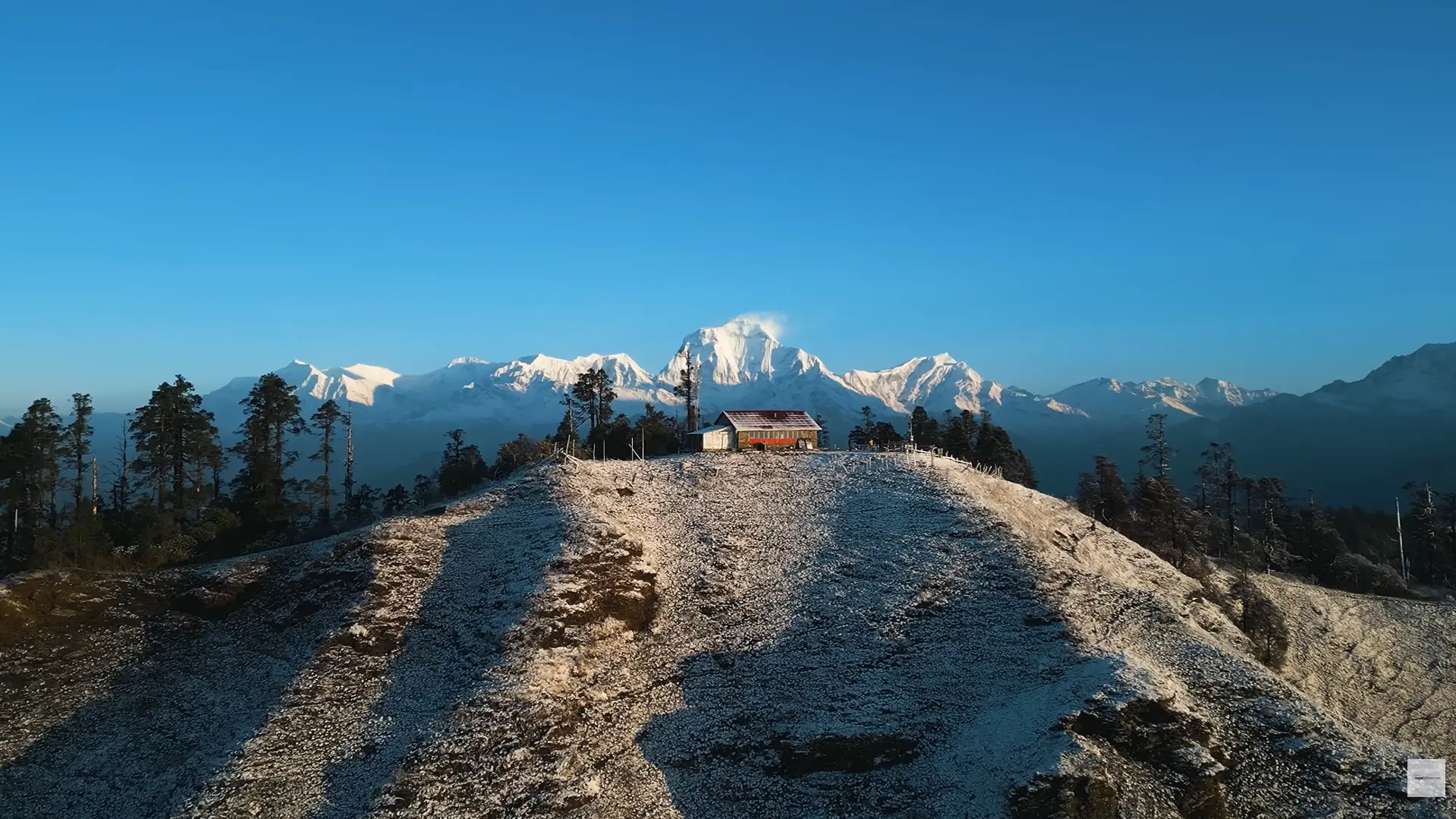 |
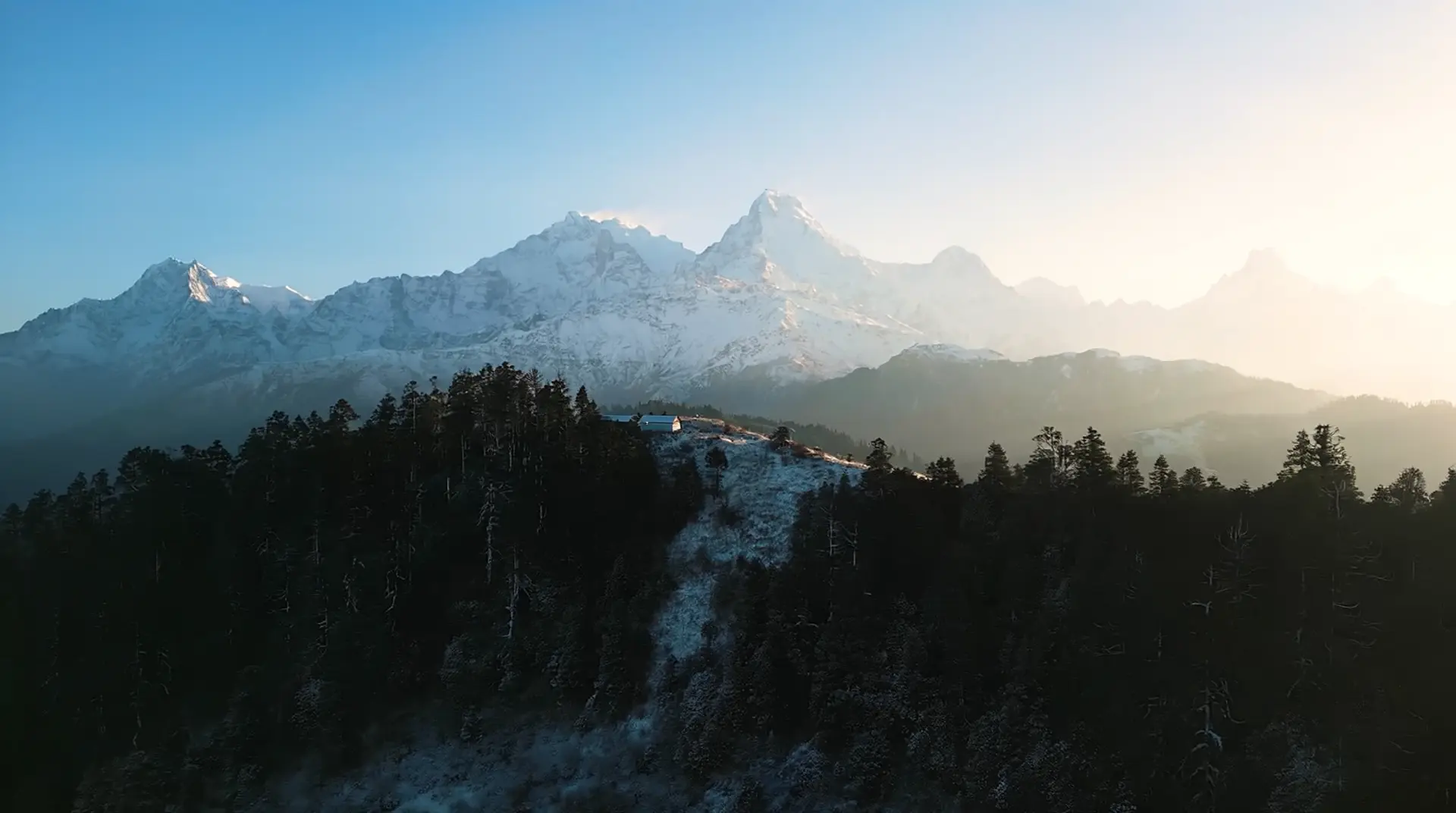
- Mohare Danda ridge (3,300m) with 180° panorama of Annapurna, Machhapuchhre, Dhaulagiri, and Nilgiri
- 100% community-owned and operated lodges — tourism income stays entirely in local villages
- Year-round trekking — one of Nepal’s most accessible short treks from Pokhara
- Authentic Magar village homestay culture is rarely experienced by mainstream tourists
- Excellent rhododendron forests from 2,000–3,000m elevation
- Shorter, lower, and more accessible than Poon Hill with comparable views
- Witness the sacred Galeshwor Temple on the banks of the Kali Gandaki — an important pilgrimage site for Hindu devotees
- Off-the-beaten-path experience with minimal crowds — a genuine alternative to the increasingly busy Ghorepani Poon Hill circuit
- Optional extension to Khopra Danda (3,660 m) and the sacred Khayer Lake (4,665 m) for trekkers who want to push further
- Directly support sustainable community tourism — every rupee spent on this trek stays within the local economy
Itinerary of Mohare Danda Trek
Day 1: Drive Pokhara to Hile — Trek to Lumle (1,620m)
Short drive then begin trekking up through Magar villages to Lumle — Nepal’s wettest village and a lush agricultural community.

Duration
Drive + 2-3 hrs
Activity
Trekking
Accommodation
Community Lodge
Meals
L/D
Max Altitude
1620mDay 2: Lumle to Nayapul — Trek to Tikhedhunga (1,540m)
Walk down to the Modi Khola and turn south toward the Mohare Danda approach valley — off the main Annapurna Circuit.
Duration
4-5 hrs
Activity
Trekking
Accommodation
Community Lodge
Meals
B/L/D
Max Altitude
1540mDay 3: Tikhedhunga to Ramche (2,400m)
Climb through traditional Magar villages to Ramche on the Mohare Danda ridge approach. Community lodge with excellent food.
Duration
5-6 hrs
Activity
Trekking
Accommodation
Community Lodge
Meals
B/L/D
Max Altitude
2400mDay 4: Ramche to Mohare Danda (3,300m)
Final climb to the Mohare Danda ridge. The panorama opens: Annapurna I, Annapurna South, Machhapuchhre (Fishtail), Dhaulagiri I, and Nilgiri spread across the horizon.
Duration
4-5 hrs
Activity
Trekking
Accommodation
Community Lodge
Meals
B/L/D
Max Altitude
3300mDay 5: Mohare Danda Sunrise — Trek down to Ghandruk (1,940m)
Sunrise from the ridge then descend to Ghandruk — the most famous Gurung village in Nepal, with stone-paved lanes, traditional houses, and the Gurung Museum.
Duration
5-6 hrs
Activity
Trekking
Accommodation
Teahouse/Community Lodge
Meals
B/L/D
Max Altitude
1940mDay 6: Ghandruk to Nayapul — Drive to Pokhara
Trek down to Nayapul and drive back to Pokhara lakeside (1.5 hrs).
Duration
3-4 hrs + Drive
Activity
Trekking
Accommodation
Hotel
Meals
B/L
Max Altitude
820mDay 7: Final Departure — Pokhara to Kathmandu
Fly or drive to Kathmandu for international departure.
Duration
Departure
Activity
Travel
Accommodation
Hotel
Meals
B
Max Altitude
1400mIncludes/Excludes
What's included?
- 6 nights accommodation (1 hotel Pokhara, 5 community lodge/homestay)
- All ground transport Pokhara–trailhead–Pokhara
- All meals on trek
- Licensed English-speaking guide and porter
- ACAP permit and TIMS card
- Community homestay fees
What's not included?
- International airfare and Nepal visa fees
- Travel and medical insurance (recommended)
- Personal gear and clothing
- Tips for guide and porter
- Beverages and personal snacks
Mohare Danda Trek Altitude Chart
Trip Information - Good to Know
Permits and Entry Requirements
The Mohare Danda Trek passes through the Annapurna Conservation Area, which means two permits are required before you set foot on the trail. Both can be arranged through your trekking operator in Kathmandu or directly at the Nepal Tourism Board office.
| Permit | Cost (Foreigners) | Where to Get It |
|---|---|---|
| ACAP Permit | NPR 3,000 per person | Nepal Tourism Board, Kathmandu or Pokhara |
| TIMS Card | NPR 2,000 per person | TAAN office or Nepal Tourism Board |
Note: SAARC nationals pay reduced permit fees. Permit prices are subject to change by the Nepal government. Please confirm current rates when booking.
Best Time to Trek
Spring: March to May (Recommended)
This is peak rhododendron season. The forests between Banskharka and Mohare Danda transform into a riot of colour as hundreds of varieties of rhododendron bloom simultaneously. Temperatures at the ridge are cool but manageable, skies are generally clear in the mornings, and the mountain views are at their most vivid. The trails see moderate foot traffic, though nowhere near the crowds of the Poon Hill route.
Autumn: September to November (Recommended)
Post-monsoon autumn brings crystal-clear skies, fresh-washed air, and the sharpest mountain views of the year. The forests are still intensely green from the rains, creating a vivid contrast with the snow-capped peaks above. October in particular is considered the single best month for trekking anywhere in Nepal, and the Mohare Danda trail is no exception. Trails are dry and firm underfoot.
Winter: December to February (For the Experienced)
Cold, quiet, and starkly beautiful. Snow covers the upper sections of the trail from December onward, and temperatures at Mohare Danda can drop well below zero at night. With the right gear and a willingness to embrace genuine cold, winter trekking here is a profoundly solitary and rewarding experience. The mountains can be absolutely crystal-clear on cold winter days.
Monsoon: June to August (Not Recommended)
Heavy rainfall makes the trails slippery and prone to landslides, leeches are present on the lower sections of the trail, and cloud cover typically obscures the mountain views that are the main draw of the trek. The trek can still be completed, but most operators advise against it.
Difficulty Level and Physical Preparation
The Mohare Danda Trek is rated Easy to Moderate. It is genuinely accessible to first-time trekkers, reasonably fit travellers in their 50s and 60s, and older children who are comfortable walking for several hours at a stretch. The highest point at 3,300 metres is well below the threshold at which altitude sickness typically becomes a serious concern, though proper hydration and a sensible pace remain important.
The steepest sections are between Nangi and Mohare Danda, where the trail gains roughly 1,000 metres of elevation in a single day. This is manageable with a steady pace and short breaks. The descents from Mohare Danda toward Ghorepani can be hard on the knees, so trekking poles are genuinely useful here.
Recommended preparation in the four to six weeks before the trek would include regular walking on hilly terrain, some cardiovascular exercise (cycling, swimming, or running), and a few back-to-back walking days to condition your feet and ankles. You do not need to be an athlete, but arriving with some base fitness will make the experience far more enjoyable.
Recommended Gear and Packing List
Clothing
- Moisture-wicking base layers (top and bottom) — at least two sets
- Insulating mid-layer — a fleece jacket works well
- Waterproof and windproof outer shell jacket
- Warm down jacket for Mohare Danda ridge and evenings
- Trekking trousers — one lightweight pair and one warmer pair
- Thermal underlayer for cold nights
- Warm hat, sun hat, and neck gaiter or balaclava for the ridge
- Waterproof trekking gloves
- Wool or thermal hiking socks — minimum three to four pairs
Footwear
- Sturdy waterproof trekking boots with ankle support, broken in before the trip
- Camp sandals or lightweight shoes for lodge evenings
- Gaiters are useful in wet conditions or snow
Equipment
- Comfortable 40–50 litre daypack
- Sleeping bag rated to at least minus 5 degrees Celsius (lodges provide blankets, but a bag adds warmth)
- Trekking poles — strongly recommended for descents
- Headlamp with extra batteries
- Sunglasses with UV protection
- High-SPF sunscreen and lip balm
- Water bottles or a hydration bladder — minimum 2 litres capacity
- Water purification tablets or a filter as backup
- Personal first aid kit including blister care, painkillers, and altitude medication
- Power bank for charging devices between villages
Accommodation and Food
One of the most distinctive aspects of the Mohare Danda Trek is where you sleep. This is not a route lined with the polished tea houses of the Annapurna Circuit. The lodges here are community-owned and operated, which means your bed might be a little simpler, but the welcome will be warmer than anywhere else in Nepal.
Most rooms offer twin beds with blankets provided. Shared bathroom facilities are the norm, with squat toilets in the simpler lodges. Hot showers are available in some lodges for a small additional fee. At the higher elevations, particularly at Mohare Danda itself, facilities are more basic, which is part of the point of this trail.
The food served at community lodges is built around the Nepali kitchen. Expect lots of dal bhat, Nepal’s national dish of lentil soup, rice, vegetable curry, and pickles, which provides exactly the kind of sustained energy you need for a day on the trail. You will also find noodle soups, potato dishes, omelettes, Tibetan bread, porridge, and simple pasta or rice dishes. Meat dishes can be ordered, but are less reliable at altitude. Vegetarian trekkers will eat very well on this trail.
Drinking water is available at all lodges — either mineral water for purchase or boiled water, which is safer and cheaper. Carrying water purification tablets is wise regardless.
Frequently Asked Questions
What is community-based trekking?
Community-based trekking uses lodges and homestays owned and operated by local village communities rather than outside investors. All income stays in the village, funding schools, women’s programs, and forest conservation. Mohare Danda is one of Nepal’s best examples.
How does Mohare Danda compare to Poon Hill?
Both are ridge viewpoints in the Annapurna foothills with similar mountain panoramas. Mohare Danda (3,300m) is slightly higher, less crowded, and has the community tourism advantage. Poon Hill (3,210m) is more famous and has better established infrastructure.
Is this trek suitable for children?
Yes — Mohare Danda is one of Nepal’s best family treks. Maximum altitude is 3,300m, trails are well-maintained, and the community lodge operators are experienced with family groups.
What is the community lodge experience like?
Community lodges are warm, clean, and family-run. Meals are home-cooked Nepali and some continental food. Rooms have mattresses and blankets. The personal attention from host families is one of the highlight experiences.
Can I do this trek without a guide?
The route is marked but the community lodge system works best with a guide who can communicate with local hosts and explain the cultural context. Green Horizon Tours always recommends a licensed guide.
What is Ghandruk village?
Ghandruk is the most photographed Gurung village in Nepal — a large stone-paved hillside settlement with traditional round Gurung houses, slate roofs, and spectacular mountain views. The Gurung Museum documents the community’s history and culture.
Trip Reviews
 Write a Review
- Best Price Guarantee
- Secure & easy booking
- Easy trip date changes
- Discount for groups


How to book a trip?

make free inquiry

confirm the trip
