


Local Festivals in Trekking Regions of Nepal: 8 Incredible Cultural Traditions
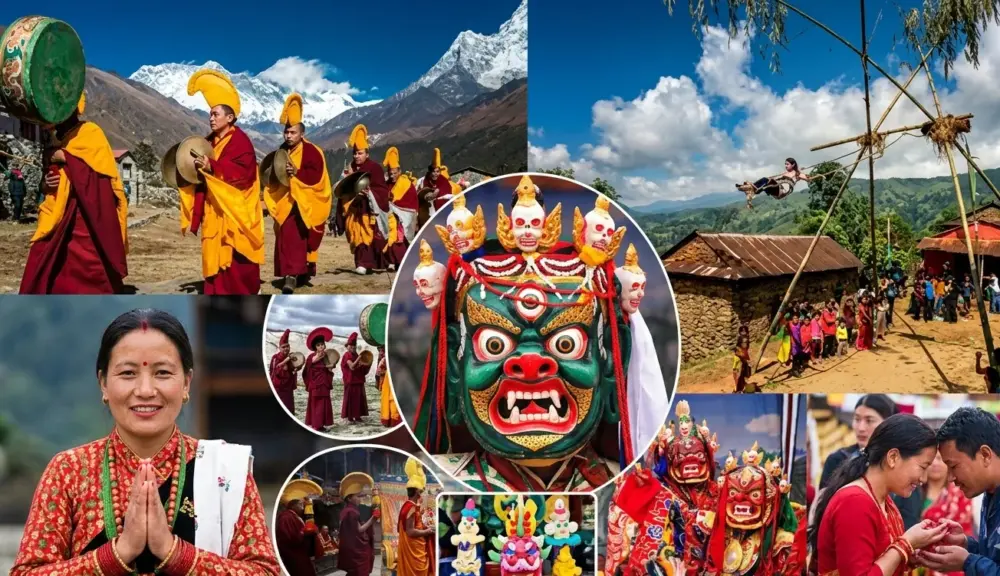
When people think about trekking in Nepal, they imagine breathtaking mountain and landscape views, along with adventure. But imagine reaching a Himalayan village after days of trekking, and it is filled with music, dance, colorful costumes, celebrations, and joyful culture. This is the magic of trekking in Nepal during the festival season.
While trekking across regions like Everest, Annapurna, Langtang, and Mustang, local festivals offer a rare opportunity to experience the culture beyond the usual trekking adventure. Some of the most vibrant local festivals celebrated in Nepal’s trekking regions are:
1. Mani Rimdu Festival: A Cultural Highlight of the Everest Trek
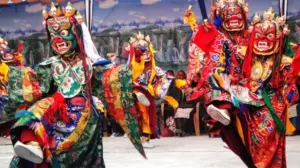
Trekking toward Everest Base Camp in October or November, high in the Khumbu region, introduces you to the Mani Rimdu Festival. It is one of the most sacred Sherpa Buddhist celebrations. This festival is celebrated by the local Sherpa and Tibetan people at monasteries such as Tengboche Monastery.
The Mani Rimdu Festival typically lasts 19 days, but only 3 days are open to the public and visitors. In the first 16 days of this festival, the monks at the Tengboche Monastery perform private rituals, prayers, and create a sacred sand mandala inside the monastery. During the final 3 days, the public is welcome to celebrate, where “Cham dance” (masked dances) are performed by monks, symbolizing the victory of good over evil.
The sound of long horns, rhythms, and drums allows trekkers to experience a combination of adventure and deep spirituality. This festival offers trekkers:
-
Sherpa culture and beliefs
-
Opportunity to observe authentic monastery rituals
-
A deeper understanding of Buddhism in the Himalayan region
-
A memorable cultural highlight during the Everest trek
2. Tiji Festival: The Sacred Celebration of Upper Mustang
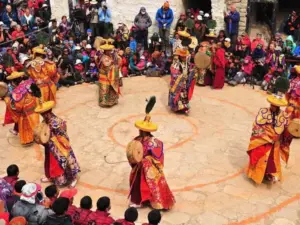
The Tiji Festival is celebrated every May and is a 3-day festival. The word “Tiji” comes from Tenpa Chirim, which means “Prayer of World Peace.” The Tiji Festival transforms Upper Mustang into a vibrant cultural setting with colorful costumes, dramatic masks, rhythmic drumbeats, and long Tibetan horns.
This festival is a spiritual cleansing ritual believed to bring harmony, protection, and prosperity to the region. The festival is organized by the monks of Chode Monastery, who present the myth of the appearance of a demon and its final defeat.
The Tiji Festival takes you to a Tibetan Buddhist kingdom untouched by rapid modernization. For trekkers, witnessing this adds cultural depth to the journey through living history.
3. Lhosar Festival: A New Beginning in the Mountains
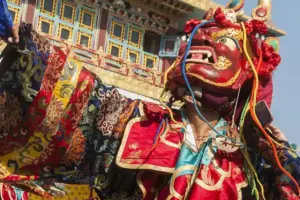
The word “Lhosar” means “New Year” in the Tibetan language; therefore, it marks a new beginning for the Tamang, Gurung, and Sherpa communities. It is widely celebrated in different trekking areas such as Langtang Valley and the Annapurna Region.
Different ethnic groups observe Lhosar in their own way:
-
Tamang Lhosar – Usually in January/February
-
Gurung Lhosar – Usually in December
-
Sherpa Lhosar – Usually in February or March
The festival starts with thoroughly cleaned homes, symbolizing the removal of negativity and the welcoming of prosperity. Families gather to prepare traditional foods, wear cultural attire, visit monasteries for blessings, and watch traditional dances performed by monks with drums and cymbals.
For trekkers, experiencing Lhosar offers a warm cultural atmosphere that shows village energy, hospitality, and celebration.
4. Yartung Festival: Tradition Beyond the Monasteries
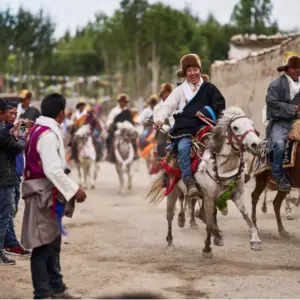
Typically celebrated in August in the highland districts of Manang and Upper Mustang, the Yartung Festival takes place 3 days after the monsoon season. It is deeply rooted in local communities, indicating strength, unity, and tradition in high Himalayan villages.
The highlight of Yartung is the thrilling horse racing competition. Young riders dressed in traditional attire race through village paths while loud cheers come from rooftops and hillsides. This creates an unforgettable atmosphere filled with excitement and energy.
In addition to horse racing, the festival includes traditional archery contests, singing and dancing, cultural performances, and feasts.
For trekkers walking along the Annapurna Circuit, this festival offers a rare opportunity to experience a mountain village full of celebration and community spirit beyond monasteries and temples.
5. Dumji Festival: Spiritual Unity in Himalayan Villages
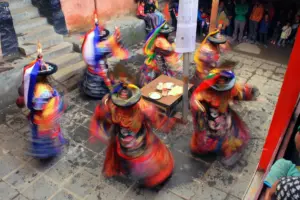
Sherpa communities celebrate the Dumji Festival in the Everest region during June and July. It is observed across villages in the Khumbu, including Namche Bazaar. Dumji honors Guru Rinpoche, the spiritual master who introduced Buddhism to the Himalayan region.
During this festival, monasteries host special prayer ceremonies where monks chant sacred texts and perform ritual offerings. Unlike larger festivals like Mani Rimdu, Dumji is more intimate and locally rooted.
This festival provides trekkers with a rare opportunity to witness authentic Sherpa traditions, spiritual life, and devotion.
6. Janai Purnima: Faith and Tradition in the High Himalayas
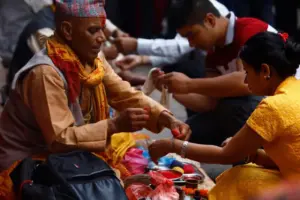
Janai Purnima, also known as the “Sacred Thread Festival,” is an important Hindu celebration across Nepal that takes place during the full moon of August (Shrawan month).
During Janai Purnima, Hindu men replace their old sacred thread (Janai) with a new one, symbolizing purity, renewal, and spiritual protection. Many travel to sacred sites such as Gosaikunda Lake and other holy lakes, rivers, and temples to perform rituals and take holy baths.
This local festivals is also a time for family gatherings, feasts, and traditional celebrations. Priests conduct rituals, and communities gather for prayers for health and prosperity.
For trekkers, Janai Purnima offers a unique opportunity to witness Hindu traditions blended with village hospitality.
7. Chhewar: A Local Festivals in Trekking Regions
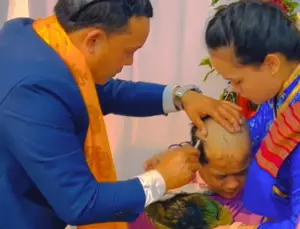
Chhewar is an important cultural and religious ceremony practiced in many Buddhist communities in the hill and trekking regions of Nepal. It is a family-based ritual that marks a young boy’s transition from early childhood into a new stage of life with greater spiritual and social awareness.
This ceremony usually takes place when a boy is between five and twelve years old. During the ritual, the boy’s head is shaved for the first time, which symbolizes purification, renewal, and the beginning of a new phase of life. Family members, monks, and relatives gather to offer prayers and blessings for the child’s healthy and prosperous future.
In Buddhist communities, the ceremony is often held at home or in a monastery where monks chant prayers and perform traditional rituals. The event is joyful and spiritual, with family gatherings, traditional food, and cultural celebrations.
Although the Buddhist Chhewar ceremony is mainly a private family event, trekkers staying in local teahouses in Himalayan villages may sometimes witness the festive atmosphere of the celebration. Experiencing such cultural moments can give travelers a deeper understanding of the traditions and spiritual life of local Himalayan communities.
8. Dashain and Tihar Festivals: Tradition and Togetherness in the Mountains
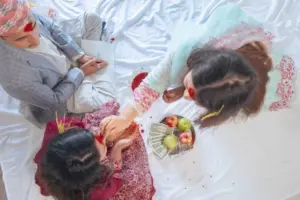
Dashain and Tihar are the two biggest and most widely celebrated festivals in Nepal. Dashain is usually celebrated in September or October and symbolizes the victory of good over evil, honoring Goddess Durga. The festival lasts fifteen days and is deeply rooted in Hindu tradition.
During Dashain, elders place tika (a mixture of rice, yogurt, and vermillion) on the foreheads of younger family members and give blessings for health and prosperity.
Tihar follows shortly after Dashain and lasts five days. Also known as the “Festival of Lights,” it celebrates harmony between humans, animals, and nature. Each day honors different beings: crows as messengers, dogs as loyal protectors, cows as symbols of prosperity, and brothers and sisters as a bond of protection. Groups of young people sing Deusi-Bhailo songs, visiting homes and spreading festive cheer.
For trekkers, this is a wonderful time to witness authentic family traditions, mountain villages glowing with oil lamps, and colorful decorations.
Why Experiencing Festivals While Trekking Is Special
Trekking during festivals allows you to:
-
Witness authentic Himalayan traditions
-
Interact with local communities
-
Learn about Buddhist and Hindu rituals
-
Capture unique cultural moments
-
Feel the spiritual energy of mountain life
Tips for Trekkers
-
Always ask before taking photographs during rituals.
-
Dress modestly when visiting monasteries.
-
Walk clockwise around stupas and Mani walls.
-
Be respectful and observe quietly during prayers.
Final Thoughts
The Himalayas are more than towering peaks; they are also about ancient cultures and vibrant communities. Festivals in trekking regions reveal the heart of mountain life.
So, when you plan your next trek, consider checking the local festival calendar. You might return home not just with photos of mountains, but also with stories of music, dance, and shared joy in the world’s highest villages.


How to book a trip?

make free inquiry

confirm the trip
