


Nepal in July: Weather, Best Places to Visit, Travel Tips & Things to Do (2026 Guide)
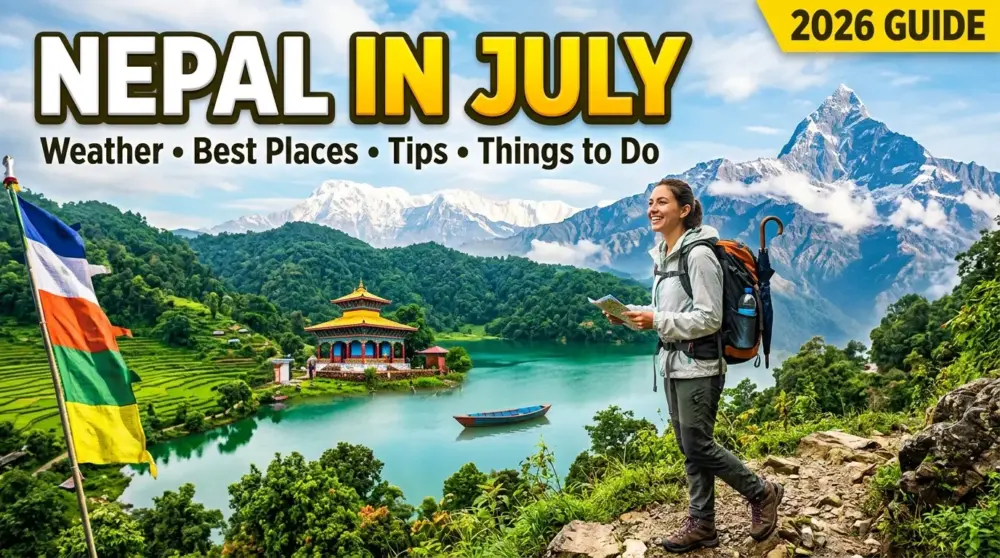
Nepal in July: Everything You Need to Know Before You Visit
July marks the heart of Nepal’s monsoon season, transforming the country’s landscapes into lush green valleys, mist-covered hills, and cascading waterfalls. While many travelers associate Nepal with clear autumn skies and spring trekking adventures, visiting Nepal in July offers a completely different experience—one that’s quieter, greener, and surprisingly rewarding.
If you’re wondering whether July is a good time to visit Nepal, the answer depends on the type of traveler you are. Nature lovers, photographers, culture enthusiasts, and travelers looking to avoid peak-season crowds often find July to be one of Nepal’s most enchanting months. Although rain is common, it rarely falls all day, leaving plenty of opportunities to explore cities, enjoy scenic drives, experience local festivals, and discover Nepal’s rich cultural heritage.
In this guide, you’ll learn everything you need to know about Nepal in July, including the weather, best places to visit, trekking opportunities, travel costs, packing tips, and practical advice to help you plan a memorable journey.
Is July a Good Time to Visit Nepal?
Yes, July can be a great time to visit Nepal, especially if you don’t mind occasional rain and are looking for a peaceful travel experience.
Unlike the busy trekking seasons of spring and autumn, July welcomes fewer tourists. Hotels and tour operators often offer attractive discounts, making it an excellent choice for budget-conscious travelers. The countryside comes alive with vibrant greenery, rivers flow at their fullest, and the surrounding hills are refreshed by seasonal rainfall.
While high-altitude trekking routes may experience slippery trails and occasional flight disruptions, many cultural destinations and lower-elevation regions remain enjoyable throughout the month.
Why Visit Nepal in July?
- Fewer tourists at major attractions
- Beautiful green landscapes and blooming forests
- Lower hotel and tour prices
- Peaceful sightseeing experiences
- Excellent photography opportunities
- Pleasant temperatures in many regions
- Rich cultural experiences during local festivals
For travelers seeking tranquility rather than crowded viewpoints, July offers a unique perspective on Nepal.
Nepal Weather in July
Understanding the Nepal weather in July is essential for planning your trip.
July falls during Nepal’s monsoon season, bringing regular rainfall across much of the country. However, weather conditions vary depending on altitude and location.
Kathmandu
Average temperature: 20°C to 29°C
Kathmandu experiences warm days with frequent afternoon or evening showers. Rain keeps the valley fresh, while mornings often provide pleasant conditions for sightseeing.
Pokhara
Average temperature: 22°C to 28°C
Pokhara receives some of the highest rainfall in Nepal during July. The city becomes incredibly lush, with waterfalls, rivers, and forests at their most beautiful. Cloud-covered mountains add a dramatic atmosphere, though views of the Annapurna range may be limited.
Chitwan
Average temperature: 25°C to 34°C
Chitwan is warm and humid in July. Jungle safaris remain possible, although weather conditions can influence activity schedules.
Mustang
Mustang is one of Nepal’s most unique destinations during the monsoon because it lies in the Himalayan rain shadow. This means it receives significantly less rainfall than much of the country, making it one of the best regions to visit in July.
Pros and Cons of Visiting Nepal in July
Like every travel season, July has both advantages and challenges.
Advantages
The monsoon transforms Nepal into a vibrant green paradise. Hillsides, forests, and rice terraces appear especially beautiful after rainfall, creating spectacular scenery for photographers and nature lovers.
Because July is considered the off-season for tourism, travelers often find better deals on hotels, transportation, and guided tours.
Popular heritage sites, temples, and viewpoints are noticeably quieter compared to the busy autumn months. This allows for a more relaxed and authentic travel experience.
If you enjoy slow travel, peaceful mornings, and fewer crowds, July provides the perfect setting to experience Nepal at a comfortable pace.
Challenges
Rain showers are common, particularly during afternoons and evenings. Carrying a lightweight rain jacket or umbrella is highly recommended.
Cloud cover can occasionally hide Himalayan peaks, especially around Pokhara and central Nepal.
Some popular trekking routes become muddy and require extra caution. Proper footwear is essential.
Mountain flights, especially those serving remote areas, may experience delays or cancellations due to weather conditions.
Despite these challenges, careful planning allows travelers to enjoy an excellent holiday.
Best Places to Visit in Nepal in July
Pokhara
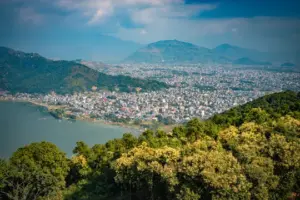
Although July is rainy, Pokhara becomes one of Nepal’s greenest destinations.
Highlights include:
- Phewa Lake
- Davis Falls
- Gupteshwor Cave
- World Peace Pagoda
- Lakeside cafés
- Scenic boating experiences
Rain often creates a peaceful atmosphere around the lake, making Pokhara especially romantic for couples.
Kathmandu Valley

Kathmandu remains one of the best places to explore during July.
Top attractions include:
- Kathmandu Durbar Square
- Patan Durbar Square
- Bhaktapur Durbar Square
- Swayambhunath (Monkey Temple)
- Boudhanath Stupa
- Pashupatinath Temple
Most heritage sites can easily be visited between rain showers, and museums, cafés, and cultural centers provide excellent indoor alternatives.
Upper Mustang
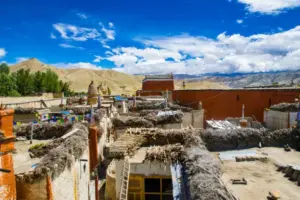
Often described as Nepal’s hidden desert kingdom, Upper Mustang receives very little rainfall during July.
Travelers can enjoy:
- Ancient monasteries
- Tibetan culture
- Dramatic landscapes
- Traditional villages
- Unique Himalayan scenery
For trekking enthusiasts, Upper Mustang is among the best destinations during the monsoon season.
Bandipur
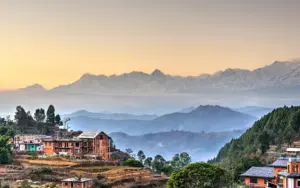
Bandipur is a charming hilltop town known for its preserved Newari architecture and peaceful environment.
July enhances its beauty with mist-covered hills and lush surroundings, making it ideal for couples and photographers.
Ilam
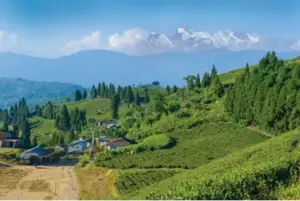
Located in eastern Nepal, Ilam is famous for its rolling tea gardens.
During July, the tea estates become exceptionally green, creating breathtaking landscapes perfect for leisurely walks and photography.
Trekking in Nepal in July
Many travelers wonder whether trekking is possible during the monsoon season.
The answer is yes—but choosing the right destination is important.
Recommended Treks
- Upper Mustang Trek
- Nar Phu Valley Trek
- Lower Mustang Trek
- Kathmandu Valley hiking trails
These regions generally receive less rainfall than other trekking areas.
Treks to Consider Carefully
Popular routes such as:
May experience muddy trails, landslides, leeches in forested sections, and occasional transportation disruptions. While these treks are still possible for experienced hikers with proper planning, many travelers prefer to save them for autumn or spring.
Festivals and Cultural Experiences in July
July offers opportunities to experience authentic Nepali culture.
Depending on the lunar calendar, travelers may witness local religious celebrations, temple ceremonies, and traditional community events.
Markets become lively with seasonal fruits, local vegetables, and colorful monsoon produce, providing an excellent chance to explore Nepal’s everyday culture beyond the typical tourist attractions.
Trying traditional Nepali dishes such as dal bhat, momo, sel roti, and fresh seasonal fruits is another highlight of visiting Nepal during this time of year.
What to Pack for Nepal in July
Packing wisely can make your trip much more comfortable, especially during Nepal’s monsoon season. Since the weather can change quickly, it’s best to bring clothing and accessories that keep you dry while remaining comfortable in warm temperatures.
Essential Packing List
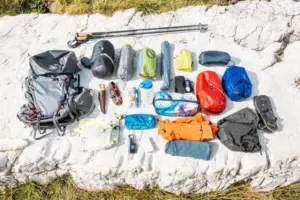
- Lightweight waterproof rain jacket
- Compact travel umbrella
- Waterproof backpack cover
- Quick-dry clothing
- Comfortable waterproof trekking shoes
- Sandals or lightweight footwear
- Extra socks
- Insect repellent
- Sunscreen
- Hat and sunglasses
- Reusable water bottle
- Power bank
- Personal medications
- Waterproof phone pouch
If you’re planning to hike or trek, consider carrying trekking poles, gaiters, and dry bags to protect your belongings from rain.
Travel Costs in Nepal in July
One of the biggest advantages of visiting Nepal in July is affordability. Since July falls during the tourism off-season, many hotels, tour operators, and transportation providers offer attractive discounts.
Here’s an estimated daily budget per person (excluding international airfare):
| Travel Style | Daily Cost |
|---|---|
| Budget | USD 30–50 |
| Mid-range | USD 60–120 |
| Luxury | USD 180–400+ |
A typical 7-day trip for two travelers can cost:
- Budget: USD 500–800
- Mid-range: USD 1,000–1,800
- Luxury: USD 2,500 or more
Booking accommodation and tours in advance can help you secure even better rates.
Transportation Tips
Nepal offers several transportation options depending on your itinerary and budget.
Domestic Flights
Flights are the fastest way to travel between Kathmandu and destinations such as Pokhara or remote mountain regions. However, monsoon weather may occasionally cause delays or cancellations.
Tourist Buses
Tourist buses are a popular and economical option for traveling between major cities. They are comfortable, reliable, and suitable for most travelers.
Private Vehicles
Hiring a private vehicle with a driver is ideal for couples, families, or small groups. It provides flexibility and comfort, especially during rainy weather.
Local Taxis and Ride Services
Within Kathmandu and Pokhara, taxis are readily available. Always confirm the fare before starting your journey or request that the meter be used where applicable.
Best Things to Do in Nepal in July
Even if the weather is rainy, there are plenty of memorable experiences to enjoy.
Explore UNESCO World Heritage Sites
Nepal is home to several UNESCO World Heritage Sites that showcase its rich history and architecture. Visiting ancient temples, royal squares, and monasteries is an excellent way to spend a day when mountain views are limited.
Enjoy Lakeside Cafés in Pokhara
Rainy afternoons create a cozy atmosphere in Pokhara’s Lakeside area. Enjoy a cup of coffee while watching the rain fall over Phewa Lake or sample local and international cuisine at one of the many restaurants.
Experience Nepali Cuisine
July is a wonderful time to discover Nepal’s diverse culinary traditions.
Popular dishes include:
- Dal Bhat
- Momo
- Thukpa
- Sel Roti
- Chatamari
- Yomari (seasonal in some areas)
Don’t miss freshly brewed Himalayan tea while exploring hill towns and villages.
Visit Museums and Cultural Centers
Rainy weather provides the perfect opportunity to explore Nepal’s museums, art galleries, and cultural centers, where you can learn more about the country’s history, traditions, and mountaineering heritage.
Relax at Wellness Resorts
Many hotels and resorts offer spa treatments, yoga sessions, meditation classes, and wellness packages that are especially enjoyable during the peaceful monsoon season.
Photography Tips for Nepal in July
For photographers, July presents unique opportunities.
The dramatic clouds, lush hillsides, reflections on lakes, and mist-covered mountains create stunning compositions that are difficult to capture during the drier months.
Some useful tips include:
- Start sightseeing early in the morning for the clearest skies.
- Carry waterproof protection for your camera.
- Use a polarizing filter to reduce reflections and enhance colors.
- Capture waterfalls after rainfall, when they are at their most impressive.
- Photograph local markets and villages to showcase everyday life during the monsoon.
Safety Tips for Visiting Nepal in July
Traveling during the monsoon season requires a little extra preparation, but following a few simple precautions will help ensure a safe and enjoyable trip.
- Check weather forecasts before long journeys.
- Allow flexibility in your travel schedule in case of transportation delays.
- Wear shoes with good grip to avoid slipping on wet surfaces.
- Stay hydrated, even on cooler rainy days.
- Drink bottled or properly filtered water.
- Carry cash when traveling to remote areas, as digital payment options may be limited.
- Follow local advice if heavy rainfall affects roads or trekking routes.
If you’re planning a trek, hiring an experienced local guide can provide valuable support and improve safety.
Sample 7-Day Nepal Itinerary in July
Day 1: Arrival in Kathmandu
Arrive at Tribhuvan International Airport, check into your hotel, and enjoy a relaxed evening exploring the vibrant streets of Thamel.
Day 2: Kathmandu Sightseeing
Visit Swayambhunath, Pashupatinath Temple, Boudhanath Stupa, and Kathmandu Durbar Square. End the day with a traditional Nepali dinner and cultural performance.
Day 3: Drive or Fly to Pokhara
Travel to Pokhara and spend the afternoon strolling along Lakeside. Enjoy a peaceful boat ride on Phewa Lake if the weather permits.
Day 4: Explore Pokhara
Visit Davis Falls, Gupteshwor Cave, the International Mountain Museum, and the World Peace Pagoda. Relax at a lakeside café in the evening.
Day 5: Visit Bandipur or Enjoy Leisure Time
Take a day trip to Bandipur for panoramic hill views and traditional Newari architecture, or simply enjoy a leisurely day in Pokhara with a spa treatment or shopping.
Day 6: Return to Kathmandu
Travel back to Kathmandu and explore local markets for souvenirs such as handicrafts, pashmina products, and handmade artwork.
Day 7: Departure
Depending on your flight schedule, enjoy a final breakfast before heading to the airport with unforgettable memories of Nepal.
Frequently Asked Questions
Yes. Although July is part of the monsoon season, it offers lush landscapes, fewer tourists, lower travel costs, and unique cultural experiences. Travelers who don’t mind occasional rain can enjoy a peaceful and rewarding holiday.
Rain is common during July, but it usually doesn’t rain continuously throughout the day. Many areas experience showers in the afternoon or evening, leaving mornings suitable for sightseeing and outdoor activities.
Yes, trekking is possible in July, particularly in rain-shadow regions such as Upper Mustang and Nar Phu Valley. Popular trekking routes may become muddy or slippery, so proper planning and equipment are essential.
No. July is considered one of the most affordable times to visit Nepal. Travelers can often find discounts on hotels, tours, and transportation compared to the peak tourist seasons.
Some of the best destinations include:
- Kathmandu Valley
- Pokhara
- Upper Mustang
- Bandipur
- Ilam
- Chitwan National Park (weather permitting)
Each destination offers a different experience, from cultural heritage and wildlife to scenic landscapes and mountain adventures.
Final Thoughts
Visiting Nepal in July offers a refreshing perspective on one of the world’s most beautiful travel destinations. While the monsoon season brings occasional rain, it also transforms the country into a lush paradise filled with vibrant forests, flowing waterfalls, emerald rice terraces, and peaceful landscapes.
Whether you’re exploring the historic streets of Kathmandu, relaxing beside Phewa Lake in Pokhara, discovering the unique beauty of Upper Mustang, or experiencing Nepal’s warm hospitality and rich culture, July provides a quieter and more authentic travel experience.
With fewer crowds, competitive hotel rates, and breathtaking natural scenery, Nepal in July is an excellent choice for travelers seeking adventure, relaxation, and cultural discovery. By planning, packing appropriately, and maintaining a flexible itinerary, you can enjoy an unforgettable journey through the heart of the Himalayas.
If you’re looking for a customized holiday, trekking adventure, or cultural tour, Green Horizon Tour can help you create a personalized itinerary that matches your interests and travel style. Whether you’re visiting for a week or planning a longer exploration, our experienced local team is ready to make your Nepal journey safe, seamless, and memorable.


How to book a trip?

make free inquiry

confirm the trip
