


Ghode Jatra 2026: Powerful Facts About Nepal’s Unique Horse Festival
Ghode Jatra 2026 Date in Nepal
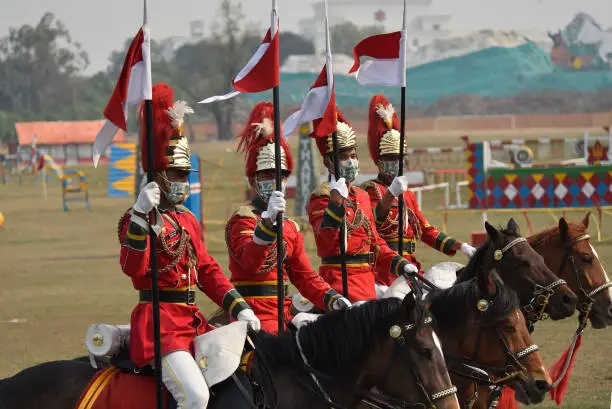
Ghode Jatra 2026 will be celebrated on the Aunsi (new moon day) of Chaitra, which usually falls in March or April. The main celebration takes place in Kathmandu, especially at Tundikhel, where a grand horse parade is organized every year.
The Legend of Ghode Jatra (Story of Gurumapa)
The origin of Ghode Jatra comes from a fascinating legend deeply rooted in the history of Kathmandu.
Long ago, in a place called Kutumbahal, there lived a man named KeshChandra. He was clever but had a dangerous habit—he was addicted to gambling. Over time, he lost everything he owned.
Out of desperation, he visited his sister, who kindly fed him. However, KeshChandra secretly stole her golden plate and gambled it away. The same thing happened again with a silver plate. Eventually, his sister refused to help him and served food on the ground to teach him a lesson.
Ashamed and hungry, KeshChandra left with some rice and went towards the forest near Swayambhunath. There, he rested under a tree.
A Strange Turn of Luck
While he slept, pigeons ate his rice and, in return, dropped golden eggs as a gift. When he woke up, he found himself suddenly rich—but unable to carry the heavy bundle.
The Arrival of Gurumapa
At that moment, a terrifying demon named Gurumapa appeared. He planned to eat KeshChandra.
Thinking quickly, KeshChandra made a clever deal:
-
He promised the demon a huge feast
-
In return, Gurumapa would spare his life
The demon agreed.
The Demon’s Endless Hunger
KeshChandra brought Gurumapa to the city and fed him:
-
A whole buffalo
-
Large quantities of rice
However, instead of leaving, the demon stayed and demanded food again and again. Soon, Gurumapa became a burden and a danger to the entire city.
Terror in Kathmandu
When KeshChandra tried to trick the demon by moving him to Tundikhel, things got worse.
Gurumapa became furious and started:
-
Attacking people
-
Kidnapping children
-
Spreading fear across Kathmandu
The city was no longer safe.
The Final Battle
Finally, the people of Kathmandu united to defeat the demon. Weapons failed to stop him, so they came up with a unique solution. They released a group of horses that trampled Gurumapa to death. This marked the end of his terror.
Birth of Ghode Jatra Festival
After killing the demon, people feared he might return. To prevent this, they began a tradition: Horses were made to run over the same ground every year. Over time, this ritual evolved into the festival now known as Ghode Jatra.
Cultural Significance of Ghode Jatra
Ghode Jatra is more than just a celebration—it carries deep cultural meaning.
It represents:
-
Victory of good over evil
-
Protection from evil spirits
-
Preservation of Newari traditions
Some legends also mention a demon named Tundi, believed to be buried under Tundikhel.
How Ghode Jatra is Celebrated Today
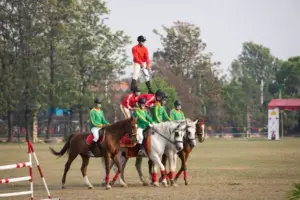
Today, Ghode Jatra is celebrated with a mix of tradition and modern performance. At Tundikhel, the Nepali Army organizes a grand event.
Main Highlights:
-
Horse racing and stunts
-
Military drills and parades
-
Martial arts and gymnastics
-
Army and police band performances
High-level officials, including the President and Prime Minister, attend the event.
Local Celebration & Traditions
For locals, especially the Newar community, Ghode Jatra is also a family occasion.
People:
-
Prepare traditional feasts (bhoj)
-
Spend time with family
-
Visit temples
It also marks a seasonal transition, where nutritious food and celebration help maintain health.
Travel Guide for Ghode Jatra 2026
Where to Experience
-
Tundikhel (main venue)
-
Kathmandu
Travel Tips
-
Arrive early to avoid crowds
-
Expect traffic near Tundikhel & Ratnapark
-
Book hotels in advance
-
Carry essentials like water
Ghode Jatra 2026 is a powerful blend of myth, culture, and celebration. From the dramatic legend of Gurumapa to the thrilling horse parade at Tundikhel, the festival offers a truly unforgettable experience.
FAQs About Ghode Jatra
Why is Ghode Jatra celebrated?
It is celebrated to ward off evil spirits and remember the defeat of the demon Gurumapa.
Is it a public holiday?
Yes, it is a public holiday in Kathmandu Valley.
Is it worth visiting?
Absolutely. It is one of the most unique festivals in Nepal.





How to book a trip?

make free inquiry

confirm the trip
