


Holi 2026 in Nepal: A Festival of Colors, Culture, and Civic Spirit
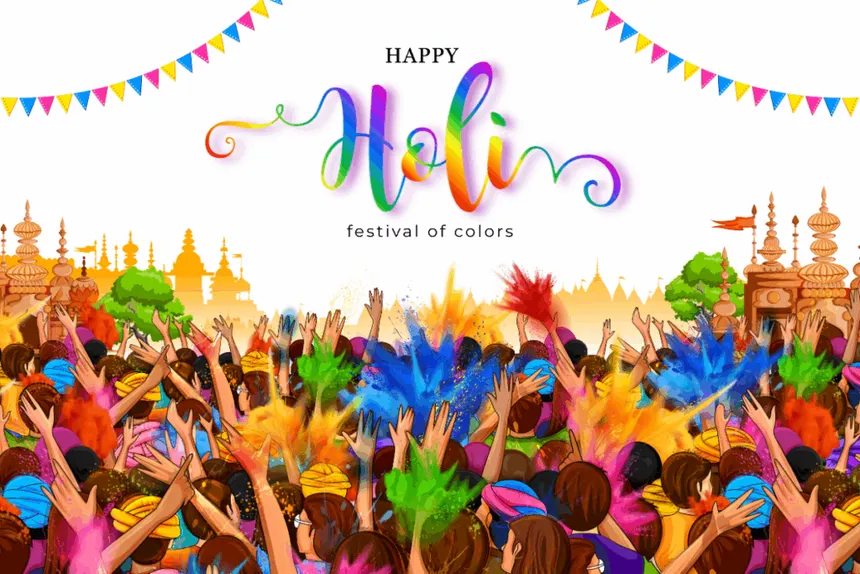
Holi 2026 in Nepal is expected to be more than just a colorful celebration. This year, the festival arrives at a meaningful time, blending tradition, tourism, youth culture, environmental awareness, and even the atmosphere of upcoming national elections. Across the country, from the hills to the Terai, Holi will once again transform streets, homes, and hearts with vibrant energy.
If you are searching for complete information about Holi 2026 in Nepal, including dates, traditions, the best places to celebrate, and how elections may influence the festival, this guide explains everything in detail, keeping the festive spirit alive.
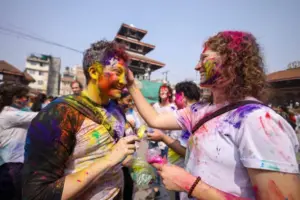
When Is Holi 2026 Celebrated in Nepal?
Holi in Nepal follows the Hindu lunar calendar and will fall in early March 2026. What makes Nepal unique is that the festival is celebrated over two separate days. The hill regions, including the Kathmandu Valley, celebrate first, while the Terai region celebrates the following day. This two-day structure extends the excitement nationwide and gives the country a continuous festive rhythm.
In cities like Kathmandu, preparations begin several days in advance. One of the most symbolic traditions is the installation of the ceremonial Chir (also known as Lingo) at Basantapur Durbar Square, marking the official start of Holi festivities.
The Cultural and Mythological Significance of Holi
Holi carries deep spiritual meaning. It originates from the ancient story of Prahlada and Holika. According to Hindu mythology, Prahlada’s devotion and faith protected him from harm, while Holika’s evil intentions led to her destruction in the fire. This event is symbolized by Holika Dahan, in which bonfires are lit to represent the victory of good over evil.
The playful tradition of applying colors is linked to the divine love story of Radha and Krishna. Their joyful interaction is believed to have inspired the custom of smearing colors, which today represents friendship, equality, and celebration without barriers.
In Nepal, Holi has evolved beyond a religious festival. It has become a shared cultural celebration where people from different communities participate together, strengthening social harmony.
How Holi Is Celebrated Across Nepal
During Holi, major cities such as Pokhara, Lalitpur, and Birgunj will come alive with music, laughter, and clouds of color. In Kathmandu’s Basantapur area, thousands gather to celebrate with dance, traditional music, and festive enthusiasm.
Pokhara’s Lakeside area is particularly popular among tourists. The stunning backdrop of Phewa Lake, combined with vibrant color play, creates a breathtaking scene. In the Terai region, celebrations often feel even more energetic, with large community gatherings and extended festivities.
Families typically begin the morning by applying tika and colors at home. Elders bless younger members, sweets are shared, and then groups of friends head out to join community celebrations. Streets fill with music — from traditional bhajans to modern Nepali and Hindi party songs reflecting how Holi beautifully balances heritage and contemporary culture.
The Growing Tourism Appeal of Holi in Nepal
Holi is expected to attract many international visitors. Compared to some other countries, Holi in Nepal feels vibrant yet less overwhelming, making it attractive to travelers seeking a cultural yet manageable experience.
Areas like Thamel in Kathmandu and Lakeside in Pokhara often host organized Holi events with live music and safer celebration spaces. For tourists, the combination of Nepal’s historic architecture, friendly atmosphere, and colorful celebrations makes Holi an unforgettable travel experience.
Eco-Friendly Holi: A Rising Awareness in 2026
In recent years, environmental awareness in Nepal has increased significantly. For Holi 2026, many youth groups, schools, and community organizations are encouraging the use of herbal colors and reduced water consumption.
The idea is simple: celebrate with joy while protecting the environment. Organic colors, minimal plastic use, and responsible behavior are becoming part of modern Holi culture in Nepal. This shift reflects a broader national awareness about sustainability.
Will the Upcoming Election Affect Holi 2026?
One of the most discussed topics this year is the timing of national elections, which fall close to Holi 2026. Naturally, people are curious whether this will impact the celebrations.
The answer is yes, but only in certain ways.
As the election period approaches, authorities are expected to enforce the Election Code of Conduct. This means political rallies, campaign events, or party promotions will not be allowed during Holi celebrations. You are unlikely to see political flags or slogans mixed into public festivities.
Security presence in cities like Kathmandu and Pokhara may be slightly increased to ensure public safety. In some districts, restrictions on large public gatherings or alcohol sales might be implemented to maintain order.
However, it is important to understand that traditional and family-based Holi celebrations will continue normally. The essence of Holi colors, music, blessings, and community joy remains unchanged. In fact, many see this timing as symbolic: celebrating unity and togetherness just before participating in the democratic process.
Rather than reducing excitement, the election season may encourage a more respectful and responsible style of celebration.
Safety and Responsible Celebration
With larger gatherings and election-related security, responsible celebration becomes even more important in 2026. Using skin-friendly colors, respecting personal boundaries, avoiding reckless driving, and celebrating with consent are all essential.
Authorities typically increase patrols during Holi to prevent disturbances and ensure everyone enjoys themselves safely. The goal is not to restrict fun but to ensure that the festival remains joyful for all.
Why Holi 2026 in Nepal Feels Especially Meaningful
In today’s fast-paced world filled with digital distractions, economic challenges, and political discussions, Holi offers something refreshingly simple: connection. It is a reminder that despite differences in opinions, backgrounds, or beliefs, people can come together in celebration.
Holi represents more than colors. It symbolizes cultural pride, environmental awareness, youth energy, tourism growth, and civic responsibility, all blending into one vibrant national moment.
Holi 2026 will be colorful and lively, slightly shaped by the surrounding election atmosphere, but its heart remains unchanged. From the historic squares of Kathmandu to the scenic lakeside of Pokhara and the festive plains of the Terai, Nepal will once again celebrate the festival of colors with warmth and unity.
As the colors fill the air and laughter echoes through the streets, Holi will continue to remind everyone of hope, harmony, and renewal.
रंगहरुको पर्व होली २०२६ को हार्दिक शुभकामना!
Happy Holi 2026!


How to book a trip?

make free inquiry

confirm the trip
