


The Plastic-Free Revolution: A Master Guide to Eco-Conscious Trekking in Nepal (2026 Edition)
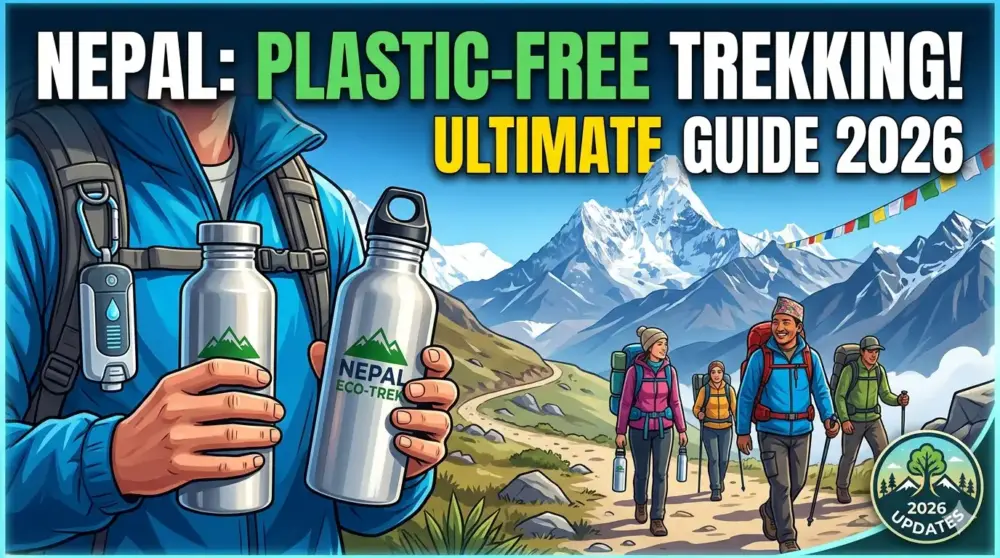
Plastic-Free Trekking is no longer just an ideal—as of 2026, it is the mandatory standard for every adventurer visiting the Himalayas. Close your eyes and picture the jagged, snow-dusted spine of the world, the fluttering prayer flags, and the golden light of a sunset over Nuptse. What you probably don’t want to picture is a trail of blue plastic water bottles or crinkly noodle wrappers littering the path to Everest Base Camp.
For decades, the “bottled water trail” was a necessary evil of high-altitude adventure. But as we navigate 2026, the story has changed. Nepal has officially entered a new era of tourism—one where “Leave No Trace” isn’t just a polite suggestion; it’s the law of the land.
If you’ve already hiked the famous circuits and think you know the trails, think again. From the new 2026 “Green Fees” to the total ban on single-use plastics in the Khumbu and Annapurna regions, here is the absolute definitive guide to trekking Nepal with a clean conscience.
1. Why the Shift? The Reality of Himalayan Pollution
Before we dive into the “how,” we need to talk about the “why.” By the start of 2026, scientific reports showed that microplastics had been found as high as 8,440 meters—just below the summit of Everest. These particles aren’t just an eyesore; they infiltrate the glacial meltwater that billions of people downstream rely on for life.
The Nepal government, in partnership with local municipalities, realized that “cleaning up” wasn’t enough. We had to stop the waste at the source. This led to the aggressive 2026 sustainability mandates that now govern every trekker from the moment they land in Lukla or Jomsom.
2. The New Rules of the Trail (2026 Updates)
If you’re planning a trip this year, your old guidebook is likely outdated. Here’s the 2026 regulatory landscape:
The “No Guide, No Trek” Policy
As of the 2026 spring season, the Mandatory Guide Policy is in full effect across all protected areas, including Annapurna, Langtang, and Manaslu. While solo trekking was once a badge of honor, the government now requires a licensed guide for two reasons: Safety and Sustainability. Your guide isn’t just a navigator; they are your environmental auditor, ensuring that every piece of waste your group generates is accounted for and carried out.
The Digital E-TIMS and Green Fee
The old paper TIMS cards have been replaced by the E-TIMS (Electronic Trekkers’ Information Management System).
-
The Cost: NPR 2,000 (~$15 USD).
-
The “Green Fee”: A new 2026 mandatory fee of NPR 1,000 is now standard. This money goes directly into a dedicated fund for waste management infrastructure and high-altitude reforestation. You’ll receive a QR code on your phone that is scanned at various checkpoints.
3. Mastering Water Purification in a Plastic-Free Zone
The most significant change for 2026 is the total ban on single-use plastic water bottles in regions like Namche Bazaar and Annapurna Base Camp. You cannot buy them. Period. So, how do you stay hydrated at 5,000 meters?
The Safe Drinking Water Stations
The local communities have stepped up. Throughout the major trails, you will find “Safe Drinking Water Stations.” These are teahouses or community centers equipped with industrial UV or Ozone filtration systems.
-
The Cost: It usually ranges from NPR 100 to 300 per liter.
-
The Benefit: It’s significantly cheaper than the old bottled water and guaranteed to be pathogen-free.
The “Double-Purification” Gold Standard


For the modern eco-trekker, we recommend a two-step process to ensure you never have to worry about “Delhi Belly” (or its Himalayan cousin):
-
Mechanical Filtration: Use a squeeze filter like the Sawyer Squeeze or Katadyn BeFree. This removes the physical sediment (glacial flour) and bacteria.
-
UV Treatment: Follow up with a SteriPEN. UV light scrambles the DNA of viruses that filters might miss.
Expert Tip: In 2026, “Boiled Water” at teahouses has become more expensive due to the rising cost of sustainable fuel. Using your own UV pen on tap water is the most cost-effective and eco-friendly way to go.
4. The 2026 “Green” Packing List
Your gear choices are your first line of defense against waste. If you want to be a sustainable hero on the trail, your backpack should look a little different this year.
Reusable Everything
-
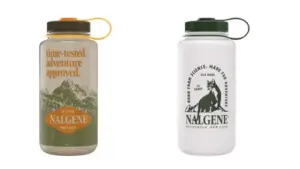
The Bottle: Ditch the flimsy plastic. Bring two 1-liter wide-mouth Nalgene bottles. They can handle boiling water (great for a makeshift bed-warmer at night!) and are virtually indestructible.
-
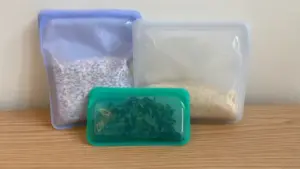
Silicone Bags: Instead of plastic Ziplocs for your trail mix, use reusable silicone bags (like Stasher).
Hygiene without the Chemicals
Himalayan soil is incredibly sensitive. Traditional soaps contain phosphates that can devastate local water sources.
-
Shampoo & Soap Bars: Use solid bars instead of liquid bottles. They last longer, don’t leak, and have zero plastic packaging.
-
Biodegradable Wet Wipes: If you must use them, ensure they are 100% compostable and never bury them. Pack them out in a dedicated waste bag.
The Power of Solar
In 2026, many teahouses are moving toward limited solar grids. To reduce the strain on these small communities:
-
Portable Solar Panels: Attach a small solar charger to the back of your pack. It’ll juice up your power bank while you walk, keeping your SteriPEN and camera ready for action.
5. Food: Eating for the Planet and Your Energy
What you eat has a carbon footprint. In 2026, there is a massive push toward “Mountain-to-Table” dining.
The Dal Bhat Powerhouse

You’ve heard the saying: “Dal Bhat Power, 24 Hour!” In 2026, it’s more true than ever.
-
Why it’s sustainable: The ingredients (lentils, rice, local greens) are usually grown in the lower valleys and brought up by mule or porter, rather than being imported in cans or plastic trays from overseas.
-
The Efficiency: Teahouses cook Dal Bhat in massive batches, which uses significantly less fuel than cooking individual orders of pasta or burgers.
6. Beyond Trash: Social and Cultural Sustainability
Being an eco-conscious trekker isn’t just about what you put in the bin; it’s about how you interact with the human landscape of Nepal.
Respect the “Silent Trails”
With the rise of “Digital Nomadism” in 2026, more people are working from the mountains. However, there is a growing movement to keep the trails “silent.” Avoid playing loud music on speakers. Let the sound of the wind, the bells of the yak caravans, and the distant roar of the rivers be your soundtrack.
Supporting Local Craftsmanship
Instead of buying mass-produced souvenirs in Kathmandu, wait until you are on the trail. Buy a hand-knitted wool hat in Dingboche or a yak-cheese block in Langtang. Supporting the local economy directly ensures that these communities can afford to maintain the trails and continue their conservation efforts.
7. The Future of the Himalayas: What’s Next?
As we look toward the end of 2026 and into 2027, the Nepal Tourism Board is testing “Zero-Emission Trekking Zones” where even the transport to the trailhead (like the flight to Lukla) might eventually be offset by mandatory carbon credits.
The goal is simple: to ensure that when your children—or their children—stand at the foot of Everest, they see the same pristine wilderness that the first explorers saw in 1953.
Final Thoughts: The Responsibility of the Traveler
Trekking in Nepal is a privilege, not a right. In 2026, the mountains are asking us to be more than just observers; they are asking us to be protectors. By embracing a plastic-free lifestyle, respecting the new regulations, and supporting the local “Green” economy, you become part of the solution.
So, when you pack your bags for the Manaslu Circuit, the Annapurna Sanctuary, or the Upper Mustang, remember: The best thing you can leave behind is nothing at all.


How to book a trip?

make free inquiry

confirm the trip
