


What Nobody Tells You About Trekking in Nepal:8 Shocking Truths
What Nobody Tells You About Trekking in Nepal is something many guidebooks and travel blogs rarely explain. Nepal is a dream destination for trekkers around the world. Trekking in Nepal offers stunning Himalayas, peaceful mountain villages, diverse trekking routes, and a unique culture. Trekking in Nepal is truly an unforgettable experience. Nepal’s famous routes like Everest Base Camp and Annapurna Circuit attract thousands of adventurers every year. While guidebooks show breathtaking photos and exciting itineraries, there are many things about trekking in Nepal that nobody really talks about. If you are planning a Himalayan adventure, here are some important realities you should know before you go.
1. The Tea Houses Are Everything
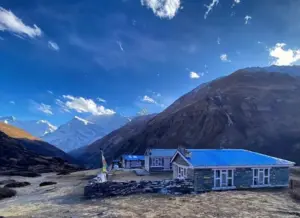
Tea houses are small lodges run by local families in the Himalayas. Most trekkers stay in tea houses at 3,800 meters. The rooms of these tea houses are usually simple with basic beds and blankets. Forget luxury, most teahouses offer thin mattresses, shared squat toilets, and dorm-style rooms.
The tea houses lack in luxury, but they make up for it with warm hospitality, home-cooked meals, and stunning mountain views. Additionally, it is best to bring your sleeping bag, earplugs, and a headlamp.
2. Altitude Sickness Doesn’t Care How Fit You Are
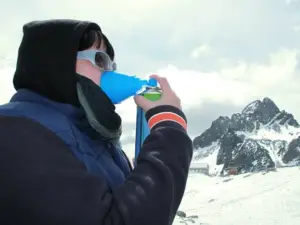
Altitude sickness is one of the biggest challenges of trekking in the Himalayas. Acute mountain sickness (AMS) can strike even ultra-marathoners or gym regulars. Therefore, it is not just about fitness but about how fast your body acclimatizes to thinning oxygen.
Headaches, nausea, dizziness, or worse can strike above ~2,500–3,000 meters. Follow the “climb high, sleep low” rule strictly, take mandatory rest, stay ultra-hydrated, and descend immediately if symptoms worsen.
3. The Weather Is a Character in Your Story
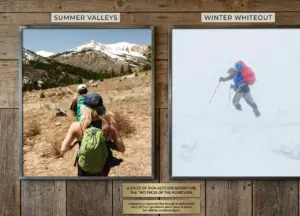
Nepal has two trekking seasons: October to November and March to May. A clear morning can become a whiteout in forty minutes. Snow can fall at Namche in November, turning the famous stones into an ice rink. Fog can swallow Annapurna South completely for two days, just as you arrive at Poon Hill for the sunrise.
These experiences are part of what nobody tells you about trekking in Nepal, especially for first-time trekkers visiting the Himalayas.
4. Your Guide Is the Most Valuable Thing You’ll Pack
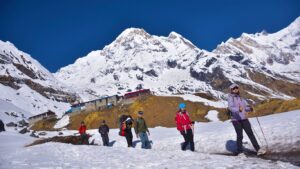
Many trekkers, especially budget-conscious ones, skip the guide. They have maps, GPS apps, and YouTube videos. But a trustworthy guide is not a GPS but a meteorologist, a cultural translator, a medic who knows the trail, and a friend who knows exactly when you need to stop for tea and when you need a firm push.
They know which tea houses have the warmest blankets, which trails flood in unseasonal rain, and how to read your face for the early signs of altitude sickness you haven’t noticed yourself yet.
5. The Permits Situation Is More Complex Than It Sounds
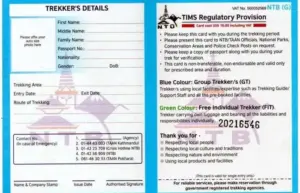
Nepal has streamlined trekking permits significantly, but you still need to navigate them correctly or face being turned back at a checkpoint, which happens more than people expect.
In Nepal, permits are checked at multiple points along every trail; therefore, it is best to carry originals, not just photos. Some checkpoints are unstaffed on weekends but still operational; you’ll sign a logbook regardless.
6. Your Mental Strength Matters
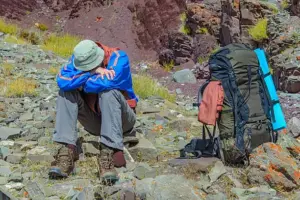
Trekking is not only about physical challenges but also mental ones. Daily 5–8+ hours of uphill/downhill on rocky paths wrecks knees and toenails. Long walking days, cold mornings, and simple living conditions can sometimes feel overwhelming.
But the moment you see the snow-covered Himalayan peaks or reach your trekking destination, every step becomes worth it.
7. The Spiritual Landscape Is Not Decoration
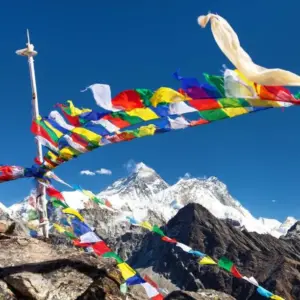
Prayer flags are not there to make photographs beautiful, though they do. Mani walls, long stone walls carved with Buddhist mantras, are not quaint trail markers. Always pass mani walls and stupas to the left (clockwise). Remove your shoes when entering monasteries. Ask before photographing people in religious practice. Learn a few words of Nepali.
8. The Culture Is as Beautiful as the Mountains
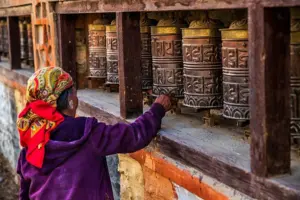
Trekking in Nepal is not just about mountains. It is also about experiencing local culture. While trekking in Nepal along trails, you will pass Buddhist monasteries, prayer flags, mani stones, and traditional mountain villages.
While many travelers come to see the stunning landscapes of the Himalayas, they often discover that the cultural experiences along the trail are just as memorable as the mountains themselves. One of the most noticeable cultural elements during a trek is the strong influence of Buddhism.


How to book a trip?

make free inquiry

confirm the trip
