


What to Pack for Everest Base Camp Trek: Complete Packing List for 2026
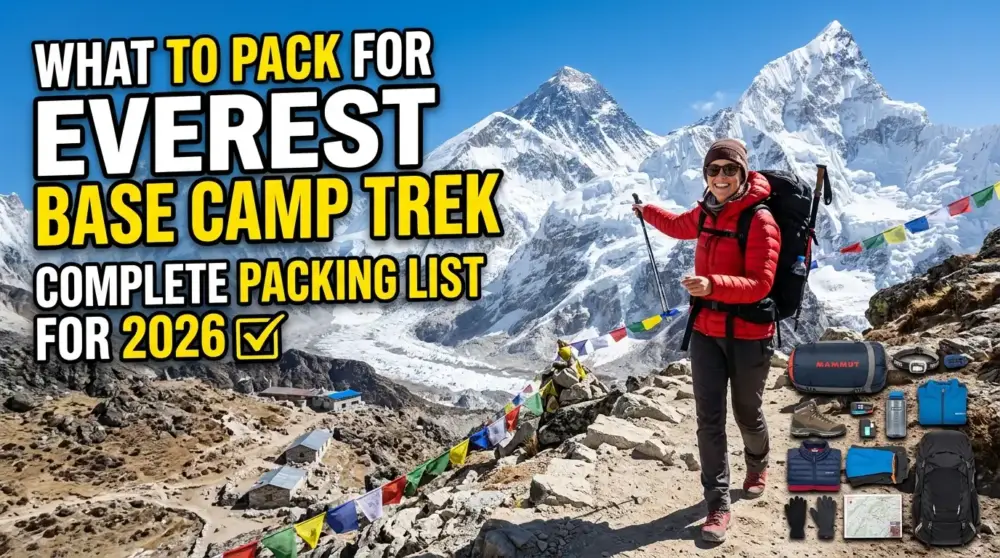
The Everest Base Camp (EBC) trek is one of Nepal’s most famous high-altitude journeys. Although the route is a trekking trail rather than a technical mountaineering expedition, it reaches more than 5,300 meters above sea level, where temperatures, weather, altitude and trail conditions can change significantly.
Packing for Everest Base Camp is therefore about finding the right balance: warm enough for high altitude, light enough to carry comfortably, and prepared for rain, snow, sun and changing trail conditions.
The Nepal Tourism Board describes the standard Everest Base Camp route as a roughly two-week trek beginning and ending at Lukla, with major stops including Namche Bazaar, Lobuche, Gorak Shep and Everest Base Camp. Accommodation is available in tea houses and lodges along the route. (Nepal Tourism Board)
This guide explains what you actually need to pack for the Everest Base Camp Trek, what you can leave behind, and how to prepare for different seasons.
Quick Answer: What Should You Pack for Everest Base Camp?
For a typical 12–16-day Everest Base Camp trek, your essential gear should include:
- Good trekking boots
- Lightweight trekking shoes or sandals for evenings
- Trekking trousers
- Thermal base layers
- Fleece or insulating mid-layer
- Warm down or synthetic jacket
- Waterproof rain jacket
- Waterproof trousers
- Warm hat and sun hat
- Gloves
- Sunglasses with strong UV protection
- Warm sleeping bag
- Backpack or daypack
- Duffel bag if using a porter
- Trekking poles
- Headlamp
- Water bottles or hydration system
- Water purification tablets/filter
- Sunscreen and lip balm
- Personal medication
- Basic first-aid supplies
- Toiletries
- Power bank
- Universal travel adapter
- Passport and required travel documents
- Cash in Nepalese rupees
- Snacks
- Reusable water bottle
- Insurance documents
The exact amount of clothing and equipment depends on the season, itinerary, and whether you use a porter.
1. Choose the Right Backpack
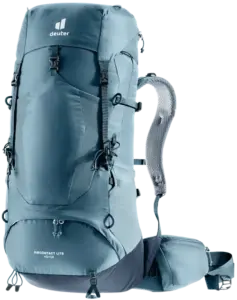
Your backpack is one of the most important pieces of equipment.
If you are carrying your own equipment, a 40–50 liter trekking backpack is usually sufficient for a well-planned EBC trek. If you are using a porter, you can carry a smaller daypack while your main equipment travels separately in a duffel bag.
A practical daypack should have:
- Comfortable shoulder straps
- Hip belt
- Water-bottle pockets
- Rain cover
- Multiple compartments
- Good ventilation
- Strong zippers
Do not fill your backpack with unnecessary clothing and equipment.
The Himalayan Rescue Association specifically warns that excessive exertion and carrying a heavy pack at altitude may increase problems, and recommends keeping the load light where possible. (Himalayan Rescue Association Nepal)
Tip
Pack things you will need during the day—water, snacks, jacket, gloves, camera, sunscreen and personal medication—in your daypack.
2. Trekking Boots
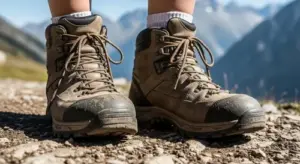
Good footwear is essential.
Choose comfortable, broken-in trekking boots with:
- Good grip
- Ankle support
- Durable sole
- Water resistance
- Enough room for warm socks
Do not buy brand-new boots immediately before your trek.
Wear them on several walks before arriving in Nepal.
The upper Everest trail can be cold, icy or snowy depending on season and weather. The Himalayan Rescue Association advises trekkers going above 4,000 meters to carry boots suitable for snow. (Himalayan Rescue Association Nepal)
Do you need mountaineering boots?
No, not for the standard Everest Base Camp trek under normal trail conditions.
You need sturdy trekking footwear, not technical climbing boots. However, conditions can change, particularly during winter or after heavy snowfall.
3. Socks
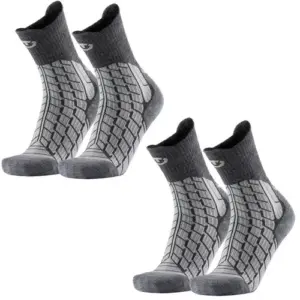
Bring approximately 4–6 pairs of good trekking socks.
Merino wool or synthetic hiking socks are preferable to ordinary cotton socks because they manage moisture better and provide insulation.
Consider carrying:
- 3–4 regular trekking socks
- 1–2 thicker warm socks
- 1 clean pair reserved for sleeping
Avoid walking long distances in wet socks.
4. Base Layers and Thermal Clothing
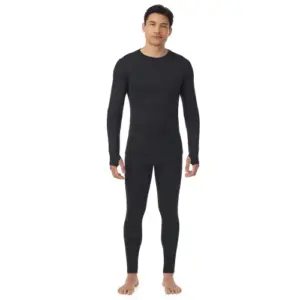
Thermal clothing becomes increasingly useful as you climb higher.
Pack:
- 2 thermal tops
- 1–2 thermal bottoms
These form the base layer underneath your trekking clothes.
The idea is to use layers rather than one extremely heavy jacket.
A typical system is:
Base layer → fleece/insulating layer → down/synthetic jacket → waterproof shell
This allows you to adjust your clothing throughout the day.
5. Trekking Trousers
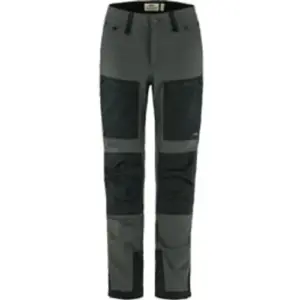
Bring 2 pairs of trekking trousers.
Look for trousers that are:
- Lightweight
- Comfortable
- Quick drying
- Flexible
- Suitable for walking
Convertible trousers can be useful at lower elevations, although shorts become less useful as you climb.
You may also want:
- 1 pair of thermal bottoms
- 1 pair of waterproof trousers
6. Warm Jacket
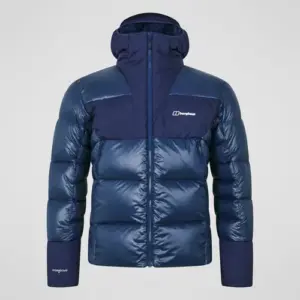
A warm insulated jacket is essential.
A down or synthetic insulated jacket is particularly useful in the evenings and at higher elevations.
Temperatures vary considerably depending on altitude, season, wind and weather. Nepal Tourism Board notes that temperatures decrease as elevation increases and that the mountain regions can experience sub-zero winter temperatures. (Nepal Tourism Board)
Do not judge the required clothing by the weather in Kathmandu.
Kathmandu and the Everest region can have completely different conditions.
7. Waterproof Jacket and Rain Protection
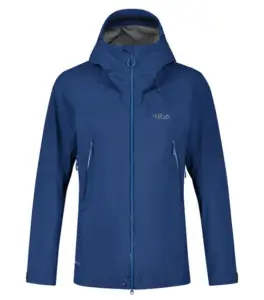
A waterproof shell is essential even if the forecast looks good.
Weather in the mountains can change quickly.
Your waterproof jacket should ideally be:
- Waterproof
- Windproof
- Breathable
- Lightweight
- Large enough to fit over your insulating layers
Also pack waterproof trousers.
The Himalayan Rescue Association emphasizes that trekkers should be prepared for changing weather and sudden storms in the mountains. (Himalayan Rescue Association Nepal)
8. Gloves
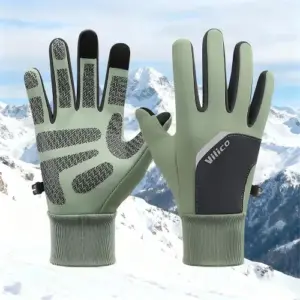
Bring at least two types of gloves:
Lightweight gloves
Useful during normal trekking days.
Warm insulated gloves
Useful at higher elevations and during cold mornings and evenings.
A waterproof outer glove can be particularly useful if snow or rain is expected.
9. Hats
You should carry both:
Warm winter hat
For cold mornings and evenings.
Sun hat/cap
For protection during daytime trekking.
At high altitude, strong sunlight can be uncomfortable, and snow and ice can reflect ultraviolet radiation.
The Himalayan Rescue Association specifically warns about snow blindness and recommends appropriate sunglasses for protection. (Himalayan Rescue Association Nepal)
10. Sunglasses
Good sunglasses are essential.
Choose sunglasses that provide strong UV protection and fit securely.
Wraparound or close-fitting designs provide additional protection from wind and reflected light.
Do not rely on ordinary fashion sunglasses for a high-altitude trek.
11. Sunscreen and Lip Balm
Bring:
- High-SPF sunscreen
- SPF lip balm
- Moisturizer
- Small personal toiletries
Apply sunscreen regularly, particularly to your face, neck, ears and exposed hands.
High-altitude trekking means prolonged exposure to sunlight, and snow can increase reflected UV exposure.
12. Sleeping Bag
A warm sleeping bag is one of the most important items for the upper part of the EBC trek.
Tea houses provide beds and blankets, but having your own suitable sleeping bag provides an additional layer of warmth.
The Himalayan Rescue Association recommends a warm sleeping bag for trekking routes above 4,000 meters. (Himalayan Rescue Association Nepal)
For a standard EBC itinerary, choose a sleeping bag appropriate for cold mountain nights. The exact temperature rating you need depends on the season and your personal tolerance for cold.
A sleeping bag liner can also be useful for:
- Additional warmth
- Hygiene
- Easier cleaning
13. Trekking Poles
Trekking poles are strongly recommended.
They can help with:
- Steep ascents
- Long descents
- Uneven rocks
- Snow
- Balance
- Reducing stress on knees
The Nepal Tourism Board specifically recommends walking sticks for trekkers in high-altitude and steep areas. (Nepal Tourism Board)
Adjustable poles are convenient because you can shorten them when not needed.
14. Headlamp
Pack a headlamp with spare batteries or a rechargeable model plus a power bank.
It is useful for:
- Early morning starts
- Walking around tea houses
- Power outages
- Toilets at night
- Sunrise hikes
- Emergencies
A small headlamp takes very little space but can be extremely useful.
15. Water and Hydration
Carry a reusable water bottle or hydration system.
A practical setup is:
- 1–2 reusable water bottles
- Water purification tablets, filter or another suitable treatment method
Do not assume every water source on the trail is safe to drink untreated.
Your guide or trekking company can advise you about where to refill and how to treat water.
Staying hydrated is particularly important at altitude, but drinking excessive amounts of water does not prevent altitude sickness.
16. First-Aid Kit and Personal Medication
Carry a small personal first-aid kit.
It can include:
- Plasters
- Blister treatment
- Gauze
- Antiseptic
- Pain-relief medication
- Personal prescription medicines
- Oral rehydration solution
- Basic medication recommended by your doctor
Do not rely entirely on a trekking company’s first-aid supplies.
If you use prescription medication, bring enough for the entire trip and keep it in your carry-on/daypack.
17. Altitude Sickness: What to Carry and What to Know
Packing alone cannot prevent altitude sickness.
The Everest Base Camp route reaches more than 5,300 meters, making acclimatization one of the most important parts of the trek. Nepal Tourism Board highlights acclimatization at Namche Bazaar, while the Himalayan Rescue Association emphasizes gradual ascent and responding promptly to symptoms. (Nepal Tourism Board)
Symptoms of acute mountain sickness can include:
- Headache
- Nausea
- Dizziness
- Fatigue
- Difficulty sleeping
- Loss of appetite
If symptoms become severe or worsen, descending is essential. HRA warns that serious altitude illnesses such as HACE and HAPE can become life-threatening and require descent. (Himalayan Rescue Association Nepal)
Do not try to “push through” serious symptoms just to reach Base Camp.
Your itinerary should allow appropriate acclimatization.
18. Toiletries
Keep your toiletries small and practical.
Pack:
- Toothbrush
- Toothpaste
- Biodegradable soap
- Small towel
- Wet wipes
- Toilet paper/tissues
- Hand sanitizer
- Deodorant
- Moisturizer
- Lip balm
- Sunscreen
You do not need a large toiletry bag.
19. Electronics
You do not need to bring every electronic device you own.
Recommended:
- Smartphone
- Camera
- Charging cables
- Power bank
- Universal adapter
- Spare batteries if required
A 10,000–20,000 mAh power bank can be useful, especially if you use your phone frequently for navigation, photography or communication.
Keep electronics protected from cold and moisture.
20. Documents and Money
Keep important documents in a waterproof pouch.
Carry:
- Passport
- Copies of passport
- Travel insurance information
- Emergency contacts
- Trekking/permit documentation arranged through your agency
- Flight information
- Some Nepalese rupees
For the Everest region, current trekking requirements should be checked before departure because regulations can change.
As of the current Nepal Tourism Board guidance, the Everest Base Camp Trek is among the Everest-region routes covered by the revised TIMS provision requiring trekkers to be accompanied by a licensed trekking guide and carry an agency-issued TIMS card. (Nepal Tourism Board)
Always confirm current requirements with your trekking agency and official authorities before departure.
21. Snacks
Tea houses provide meals and snacks, but carrying a few personal snacks is useful.
Good options include:
- Energy bars
- Nuts
- Dried fruit
- Chocolate
- Electrolyte products
- Biscuits
Choose foods that tolerate cold temperatures and are easy to carry.
You do not need to carry food for the entire trek.
The Everest route has tea houses and lodges, particularly along the main trekking corridor. (Nepal Tourism Board)
22. Duffel Bag for Porters
If your trekking package includes porter service, a duffel bag is often more practical than carrying a large backpack.
Use a durable, weather-resistant duffel.
Keep your day-to-day essentials in your personal daypack because your main luggage may not always be immediately accessible during the day.
Ask your trekking company about its specific baggage and porter-weight limits before departure.
23. What to Pack by Season
Spring: March to May
Spring is one of the main trekking seasons in the Everest region. Nepal Tourism Board identifies March–May as one of the best periods to visit Sagarmatha National Park. (Nepal Tourism Board)
Bring:
- Warm layers
- Waterproof shell
- Sun protection
- Gloves
- Warm hat
- Good sleeping bag
- Sunglasses
Conditions can still be cold at higher elevations.
Autumn: October to November
October and November are another major trekking period.
Pack:
- Layering system
- Warm jacket
- Fleece
- Waterproof shell
- Gloves
- Warm hat
- Sleeping bag
- Sun protection
The Nepal Tourism Board lists October–November among the best seasons for Sagarmatha National Park. (Nepal Tourism Board)
Winter: December to February
Winter requires more serious cold-weather preparation.
You may need:
- Heavier insulating jacket
- Warmer sleeping bag
- More substantial gloves
- Warm hat
- Thermal layers
- Snow-appropriate footwear
- Extra protection against wind and cold
The Himalayan Rescue Association warns that winter trekking requires preparation for cold and snow and specifically recommends warm clothing, a warm sleeping bag and snow-suitable boots for high-altitude routes. (Himalayan Rescue Association Nepal)
Monsoon: June to September
The Everest region receives less rain than many lower parts of Nepal, but monsoon conditions can still bring wet trails, clouds and travel disruption.
Nepal Tourism Board identifies June–September as the rainy season. (Nepal Tourism Board)
For a monsoon trek, consider:
- Waterproof backpack cover
- Waterproof bags
- Rain jacket
- Waterproof trousers
- Quick-drying clothing
- Extra socks
- Good-grip footwear
24. What NOT to Pack
One of the biggest mistakes is overpacking.
You generally do not need:
- Several pairs of jeans
- Multiple heavy sweaters
- Large bottles of toiletries
- Excessive electronics
- Large quantities of food
- Unnecessary formal clothing
- Heavy books
- Multiple pairs of shoes
Every unnecessary kilogram becomes more noticeable as the altitude increases.
The Himalayan Rescue Association specifically recommends keeping packs light because excessive exertion at altitude can increase problems. (Himalayan Rescue Association Nepal)
25. Recommended EBC Packing Checklist
Clothing
- 2 trekking trousers
- 2 thermal tops
- 1–2 thermal bottoms
- 3–4 trekking shirts
- 1 fleece/mid-layer
- 1 warm insulated jacket
- 1 waterproof jacket
- 1 waterproof trousers
- 4–6 pairs trekking socks
- Warm sleeping socks
- Warm hat
- Sun hat
- Lightweight gloves
- Warm gloves
Footwear
- Broken-in trekking boots
- Lightweight camp shoes/sandals
- Suitable socks
Equipment
- Daypack
- Duffel bag if using porter
- Rain cover
- Sleeping bag
- Trekking poles
- Headlamp
- Water bottles
- Water treatment
- Sunglasses
- Sunscreen
- Lip balm
Health
- Personal medication
- First-aid kit
- Blister treatment
- Hand sanitizer
- Prescription medication
- Personal medical information
Electronics
- Smartphone
- Camera
- Power bank
- Charging cables
- Universal adapter
- Spare batteries if needed
Documents
- Passport
- Passport copies
- Insurance documents
- Trekking documentation
- Emergency contacts
- Cash
Final Advice: Pack Smart, Not Heavy
The Everest Base Camp Trek does not require you to pack like you are climbing Mount Everest itself. You are trekking through a high-altitude environment where the correct clothing, footwear, sun protection, hydration equipment and emergency preparation matter far more than having a large amount of gear.
The most important principle is layering. Conditions change as you climb from the lower Khumbu toward Namche, Lobuche, Gorak Shep and Base Camp. The Nepal Tourism Board notes the significant variation in altitude and climate across Nepal, while the Himalayan Rescue Association emphasizes preparation for changing mountain weather and cold conditions. (Nepal Tourism Board)
Your most important items are therefore:
Good boots + warm layers + waterproof protection + sleeping bag + trekking poles + sunglasses + sunscreen + water system + headlamp + personal medication + appropriate documents.
And remember: good preparation is more than equipment. A sensible itinerary, gradual acclimatization, attention to the weather, an experienced guide, and a willingness to stop or descend when altitude symptoms become serious are essential parts of a safe Everest Base Camp trek. The Himalayan Rescue Association recommends gradual acclimatization and stresses that worsening altitude illness requires descent. (Himalayan Rescue Association Nepal)
Before leaving for the trek, check the current regulations, weather, and trail conditions with your trekking agency and the official Nepal authorities, as requirements and mountain conditions can change.
Ready for Everest Base Camp? Start by choosing your itinerary, checking what your trekking company provides, and then use this packing list to fill the gaps rather than buying everything from scratch.



How to book a trip?

make free inquiry

confirm the trip
