


Nepal Airport Guide 2026: Everything You Need to Know About International & Domestic Airports in Nepal
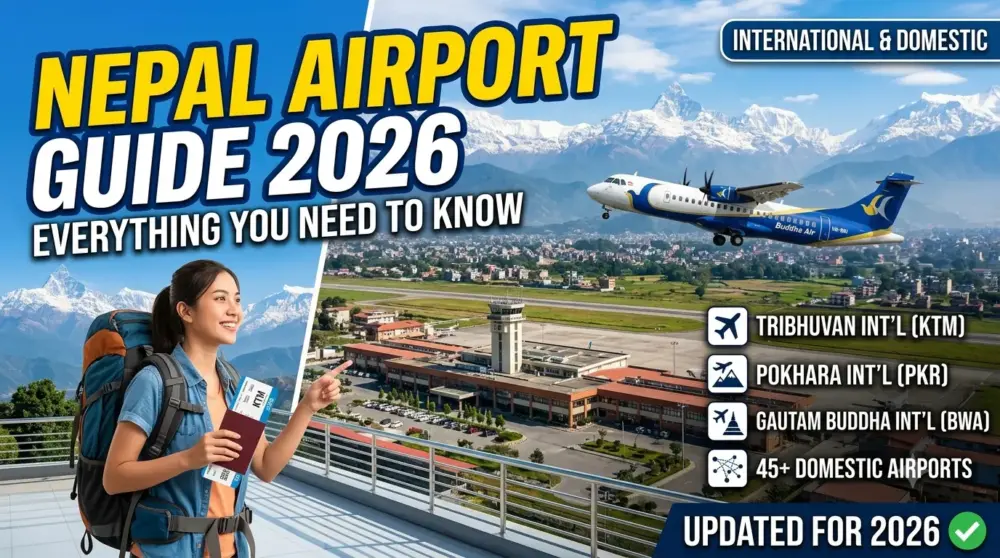
Nepal Airport Guide: Everything You Need to Know Before Flying to Nepal
Planning your first trip to Nepal? Whether you’re trekking to Everest Base Camp, exploring the cultural wonders of Kathmandu Valley, relaxing beside Phewa Lake in Pokhara, or embarking on a wildlife safari in Chitwan National Park, your journey begins at one of Nepal’s airports.
For many international travelers, flying is the fastest and most convenient way to explore Nepal. Due to the country’s dramatic Himalayan terrain, air travel plays a crucial role in connecting remote mountain regions, national parks, pilgrimage sites, and popular tourist destinations.
This comprehensive Nepal Airport Guide covers everything you need to know about international airports in Nepal, domestic airports, airlines, airport facilities, transportation, visa procedures, baggage allowances, and expert travel tips. Whether you’re a first-time visitor or a returning traveler, this guide will help you navigate Nepal’s aviation network with confidence.
Airports in Nepal at a Glance
Nepal’s mountainous landscape makes aviation an essential part of the country’s transportation system. While roads connect many cities, reaching remote Himalayan regions often requires domestic flights.
Quick Facts
| Information | Details |
|---|---|
| International Airports | 3 |
| Domestic Airports | 29+ |
| Major Airline Hub | Tribhuvan International Airport (Kathmandu) |
| Main Domestic Flight Hub | Kathmandu |
| Busiest Airport | Tribhuvan International Airport |
| Highest Commercial Airport | Tenzing-Hillary Airport (Lukla) |
| Aviation Authority | Civil Aviation Authority of Nepal (CAAN) |
Every year, millions of passengers travel through Nepal’s airports, especially during the spring and autumn trekking seasons.
Why Air Travel is Important in Nepal
Unlike many countries with extensive highway networks, Nepal’s geography is dominated by rugged mountains, deep valleys, and remote villages. In many regions, flying is not a luxury—it’s the most practical mode of transportation.
Domestic flights save travelers hours or even days of travel. For example:
- Kathmandu to Pokhara
- By Road: 7–9 hours
- By Flight: Around 25 minutes
- Kathmandu to Lukla
- By Flight: Around 30–35 minutes
- By Road: No direct road access to Lukla
- Kathmandu to Nepalgunj
- By Road: 12–15 hours
- By Flight: About 1 hour
For trekkers, researchers, photographers, and adventure seekers, domestic flights are often the gateway to Nepal’s most iconic landscapes.
International Airports in Nepal
Nepal currently has three operational international airports, each serving different regions of the country and making travel more convenient for international visitors.
1. Tribhuvan International Airport (KTM) – Kathmandu
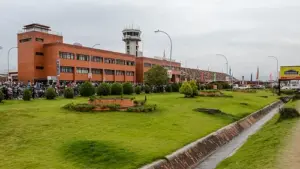
Nepal’s Main International Gateway
Located just 6 kilometers from the heart of Kathmandu, Tribhuvan International Airport (TIA) is Nepal’s busiest airport and the primary point of entry for international travelers.
Almost every visitor arriving in Nepal passes through TIA before continuing to destinations such as Pokhara, Chitwan, Everest, Annapurna, Lumbini, or Mustang.
Airport Information
| Airport Code | KTM |
|---|---|
| City | Kathmandu |
| Elevation | 1,338 meters |
| Distance from Thamel | Approximately 6 km |
| Travel Time | 20–40 minutes (traffic dependent) |
Facilities at Tribhuvan International Airport
Travelers can access a range of essential services, including:
- Free Wi-Fi (availability may vary)
- Currency exchange counters
- ATMs
- Duty-free shopping
- Cafés and restaurants
- Tourist information desk
- SIM card counters (Ncell & Nepal Telecom)
- Airport lounges
- Taxi and transportation services
- Baggage wrapping services
Popular International Routes
Tribhuvan International Airport connects Nepal with destinations across Asia and the Middle East, including:
- Delhi
- Doha
- Dubai
- Bangkok
- Kuala Lumpur
- Singapore
- Istanbul
- Hong Kong
- Guangzhou
Many international travelers also connect through hubs such as Doha, Dubai, Delhi, Bangkok, and Kuala Lumpur before arriving in Kathmandu.
Why Most Tourists Arrive Here
TIA is the starting point for:
- Everest Base Camp Trek
- Annapurna Base Camp Trek
- Langtang Valley Trek
- Manaslu Circuit Trek
- Kathmandu Sightseeing
- Chitwan National Park
- Lumbini Tours
- Nepal Cultural Tours
2. Pokhara International Airport (PKR)
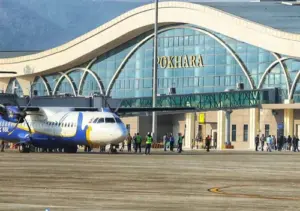
The Gateway to Nepal’s Adventure Capital
Pokhara is often called the tourism capital of Nepal. Surrounded by the Annapurna mountain range and centered around the picturesque Phewa Lake, it serves as the starting point for some of Nepal’s most famous trekking routes.
The opening of Pokhara International Airport has improved accessibility for both domestic and international travelers, although international flight availability depends on airline schedules.
Airport Information
| Airport Code | PKR |
|---|---|
| City | Pokhara |
| Distance to Lakeside | Approximately 5 km |
| Main Purpose | Tourism & Domestic Connectivity |
Popular Attractions Near Pokhara Airport
- Phewa Lake
- Sarangkot
- Davis Falls
- World Peace Pagoda
- International Mountain Museum
Treks Accessible from Pokhara
- Annapurna Base Camp Trek
- Mardi Himal Trek
- Ghorepani Poon Hill Trek
- Khopra Danda Trek
- Annapurna Circuit Trek
Pokhara is also a hub for adventure activities such as paragliding, ultralight flights, zip-lining, and boating.
3. Gautam Buddha International Airport (BWA)

The Gateway to Lumbini
Located in Bhairahawa, Gautam Buddha International Airport was developed to improve international access to western Nepal and the sacred birthplace of Lord Buddha.
It provides easier travel for pilgrims, cultural tourists, and travelers exploring the Terai region.
Airport Information
| Airport Code | BWA |
|---|---|
| Location | Siddharthanagar (Bhairahawa) |
| Distance to Lumbini | Around 22 km |
Nearby Attractions
- Lumbini Sacred Garden
- Maya Devi Temple
- Tilaurakot
- Peace Pagodas
- Monastic Zone
For travelers focused on Buddhist heritage or western Nepal, Gautam Buddha International Airport offers a convenient alternative to flying through Kathmandu.
Comparing Nepal’s International Airports
| Airport | Code | Best For | Distance to City Center |
|---|---|---|---|
| Tribhuvan International Airport | KTM | Kathmandu, Everest, Langtang, Chitwan | 6 km |
| Pokhara International Airport | PKR | Annapurna Region, Pokhara Holidays | 5 km |
| Gautam Buddha International Airport | BWA | Lumbini, Western Nepal | 22 km to Lumbini |
Which International Airport Should You Choose?
Choosing the right airport depends on your travel itinerary:
- Flying to Everest or Kathmandu? → Tribhuvan International Airport (KTM)
- Heading directly to the Annapurna region? → Pokhara International Airport (PKR)
- Planning a pilgrimage to Lumbini? → Gautam Buddha International Airport (BWA)
If your trip includes multiple destinations, you may arrive in Kathmandu and depart from Pokhara or Bhairahawa, depending on flight availability and your itinerary.
Domestic Airports in Nepal
Nepal has 29+ operational domestic airports, many of which connect remote Himalayan regions where road access is limited or unavailable. These airports serve as gateways to world-famous trekking routes, national parks, pilgrimage sites, and remote villages.
Here are the most important domestic airports every traveler should know.
1. Tenzing-Hillary Airport (Lukla) – Gateway to Mount Everest
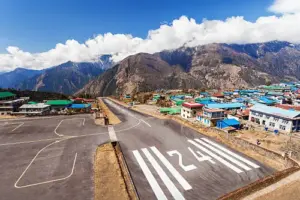
Airport Code: LUA
Elevation: 2,845 meters (9,334 feet)
Flight Time from Kathmandu: Approximately 30–35 minutes (or from Ramechhap during peak trekking seasons)
No Nepal Airport Guide would be complete without mentioning Lukla Airport, officially known as Tenzing-Hillary Airport. It is the starting point for the Everest Base Camp Trek, one of the most iconic trekking adventures in the world.
Perched on a mountainside with a short uphill runway, Lukla is often featured in travel documentaries because of its unique location and weather-dependent operations. While its setting is dramatic, flights are operated by experienced pilots under strict aviation procedures.
Why Travelers Fly to Lukla
- Everest Base Camp Trek
- Gokyo Lakes Trek
- Three Passes Trek
- Island Peak Climbing
- Ama Dablam Expedition
Things to Know Before Flying
- Flights are highly weather-dependent.
- Morning departures are generally more reliable.
- Delays and cancellations can occur due to cloud cover, wind, or poor visibility.
- Keep 1–2 extra days in your itinerary to accommodate schedule changes.
2. Pokhara Airport
Although Pokhara has an international airport, it also remains one of Nepal’s busiest domestic aviation hubs.
Thousands of travelers fly between Kathmandu and Pokhara every week because the flight takes only about 25 minutes, compared to a road journey that can take 7–9 hours, depending on traffic and road conditions.
Popular Destinations from Pokhara
- Kathmandu
- Jomsom
- Bharatpur (seasonal, depending on airline schedules)
Best For
- Annapurna Base Camp Trek
- Mardi Himal Trek
- Ghorepani Poon Hill Trek
- Adventure sports
- Family holidays
3. Bharatpur Airport – Gateway to Chitwan National Park
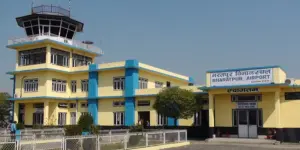
Airport Code: BHR
Located in Chitwan District, Bharatpur Airport provides quick access to one of Nepal’s most popular wildlife destinations.
Instead of spending several hours on the highway, travelers can reach Bharatpur from Kathmandu in approximately 20–25 minutes by air.
Attractions Nearby
- Chitwan National Park
- Jeep Safari
- Canoe Rides
- Elephant Breeding Center
- Tharu Cultural Museum
- Bird Watching
This airport is ideal for families, wildlife photographers, and nature enthusiasts.
4. Nepalgunj Airport
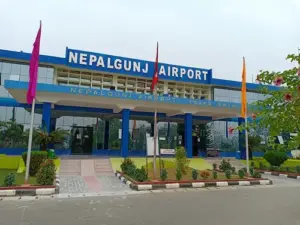
Nepalgunj Airport is a crucial transportation hub for western Nepal.
Many remote trekking regions are accessible only through Nepalgunj, making it an important connection point for adventurers.
Popular Connecting Flights
- Simikot
- Jumla
- Dolpa
- Rara
- Bajura
Trekkers heading to Upper Dolpo, Rara Lake, or the Kailash Mansarovar pilgrimage often travel through Nepalgunj.
5. Jomsom Airport
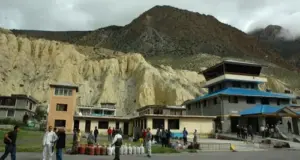
Located in the Mustang region, Jomsom Airport offers one of Nepal’s most scenic domestic flights.
Flying through the Kali Gandaki Gorge, passengers enjoy spectacular views of the Annapurna and Dhaulagiri mountain ranges.
Popular Destinations Nearby
- Muktinath Temple
- Kagbeni
- Lower Mustang
- Marpha Village
- Apple Orchards
Important Travel Tip
Strong afternoon winds frequently affect flights, so departures are generally scheduled early in the morning.
6. Simikot Airport
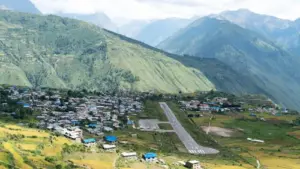
Simikot serves as the gateway to Nepal’s remote Humla district.
Most travelers use Simikot as the starting point for:
- Kailash Mansarovar Pilgrimage
- Limi Valley Trek
- Humla Cultural Trek
- Remote Himalayan Expeditions
This airport primarily serves adventure travelers seeking less-explored regions of Nepal.
7. Janakpur Airport
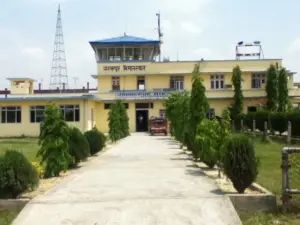
Janakpur Airport connects Kathmandu with one of Nepal’s most important religious destinations.
According to Hindu tradition, Janakpur is the birthplace of Goddess Sita and attracts thousands of pilgrims each year.
Nearby Attractions
- Janaki Temple
- Ram Sita Vivah Mandap
- Sacred ponds
- Mithila cultural sites
8. Biratnagar Airport
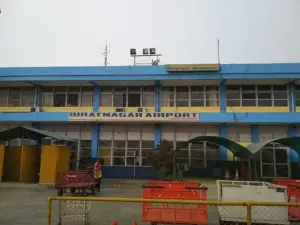
As eastern Nepal’s largest domestic airport, Biratnagar serves both business and leisure travelers.
It also provides convenient access to nearby hill destinations, tea gardens, and eastern Nepal’s cultural attractions.
Major Domestic Airlines in Nepal
Nepal’s domestic aviation industry is served by several airlines operating flights between Kathmandu and regional destinations.
Buddha Air
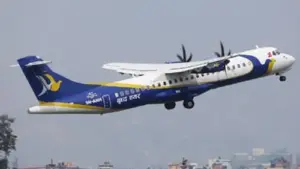
One of Nepal’s largest and most established airlines, Buddha Air operates frequent flights to major domestic airports, including Pokhara, Bharatpur, Biratnagar, Nepalgunj, and Janakpur.
Yeti Airlines
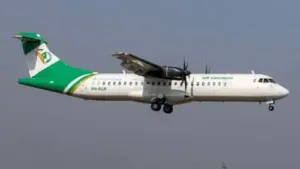
Yeti Airlines serves key domestic routes and is widely used by both locals and tourists.
Shree Airlines

Originally known for helicopter operations, Shree Airlines now offers scheduled passenger services on several domestic routes.
Summit Air
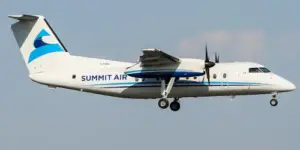
Summit Air specializes in flights to remote mountain airports, serving destinations that are difficult to access by road.
Sita Air
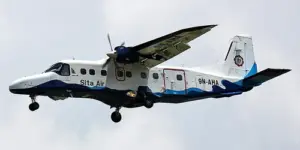
Sita Air primarily focuses on mountain flights and cargo services while operating selected passenger routes.
Popular Domestic Flight Routes
The busiest domestic flight routes in Nepal include:
| Route | Approximate Flight Time |
|---|---|
| Kathmandu → Pokhara | 25 minutes |
| Kathmandu → Lukla | 30–35 minutes |
| Kathmandu → Bharatpur | 20–25 minutes |
| Kathmandu → Nepalgunj | 55–60 minutes |
| Kathmandu → Janakpur | 35 minutes |
| Kathmandu → Biratnagar | 45 minutes |
| Kathmandu → Bhairahawa | 35–40 minutes |
| Pokhara → Jomsom | 20–25 minutes |
Flying significantly reduces travel time, making it easier to maximize your holiday in Nepal.
Domestic Flight Baggage Allowance
Most airlines in Nepal have similar baggage policies, though allowances may vary depending on the carrier and ticket type.
Standard Allowance
- Checked baggage: 15–20 kg
- Cabin baggage: 5–7 kg
Flights to remote mountain destinations often operate with smaller aircraft, so luggage limits may be stricter.
Trekking Equipment
If you’re carrying trekking gear, inform your airline in advance. Oversized or excess baggage may incur additional charges.
Airport Facilities at Domestic Airports
While domestic airports are generally smaller than international terminals, most major airports offer essential passenger services.
These include:
- Waiting lounges
- Basic cafés or snack counters
- Restrooms
- Airline ticket counters
- Baggage handling
- Taxi stands
- Parking areas
Facilities vary by airport, with Kathmandu and Pokhara offering the most comprehensive services.
Why Are Domestic Flights Popular in Nepal?
Many travelers wonder whether it’s worth flying instead of taking the bus.
For destinations like Pokhara or Bharatpur, flying saves several hours. For mountain regions such as Lukla, Simikot, or Jomsom, air travel is often the only practical option.
Domestic flights are especially valuable for:
- Trekking holidays
- Short vacations
- Family trips
- Wildlife tours
- Pilgrimages
- Photography expeditions
By reducing travel time, visitors can spend more time enjoying Nepal’s incredible landscapes and cultural attractions.
Expert Tips for Domestic Flights in Nepal
To make your journey smoother, keep these tips in mind:
- Book flights early during the spring and autumn trekking seasons.
- Schedule mountain flights in the morning whenever possible.
- Pack essential medications, travel documents, and valuables in your carry-on bag.
- Keep your itinerary flexible, especially if your trip includes Lukla or other mountain airports.
- Confirm your flight status with your airline before heading to the airport.
Visa on Arrival at Tribhuvan International Airport
One of the advantages of traveling to Nepal is that citizens of many countries are eligible for a Visa on Arrival (VoA) at Tribhuvan International Airport (KTM). This convenient process allows eligible visitors to obtain a tourist visa after landing in Kathmandu.
Note: Visa eligibility and fees can change. Always check the latest requirements with the Department of Immigration before traveling.
Documents You’ll Need
To apply for a Visa on Arrival, carry:
- A passport valid for at least six months
- A completed arrival form (available online or at airport kiosks)
- Passport-sized photo (recommended, although digital photos are often taken at the airport)
- Visa fee (typically payable in major currencies or by accepted payment methods)
Visa Process
- Complete the arrival form.
- Fill out the visa application at a self-service kiosk (if applicable).
- Pay the visa fee.
- Submit your passport and payment receipt to the immigration officer.
- Receive your visa and proceed to immigration clearance.
During peak trekking seasons, immigration queues can be longer, so expect additional waiting time.
Airport Transportation in Nepal
After landing, several transportation options are available depending on your destination and budget.
Airport Taxi
Taxis are the most common way to travel from Tribhuvan International Airport.
Approximate travel times:
| Destination | Time |
|---|---|
| Thamel | 20–30 minutes |
| Lazimpat | 25 minutes |
| Boudhanath | 20 minutes |
| Patan | 30–40 minutes |
| Bhaktapur | 40–60 minutes |
Tips:
- Use the official prepaid taxi counter when available.
- Confirm the fare before starting your journey if using a regular taxi.
- Keep small-denomination Nepalese Rupees for convenience.
Hotel Airport Transfers
Many hotels and tour operators, including Green Horizon Tour, can arrange airport pickup services.
Benefits include:
- Meet-and-greet service
- Comfortable private vehicle
- Local assistance upon arrival
- No need to negotiate taxi fares
This option is especially helpful for first-time visitors or those arriving late at night.
Tourist Buses
If you’re traveling onward to destinations such as Pokhara, Chitwan, or Lumbini, tourist buses generally depart from locations within Kathmandu rather than directly from the airport. Your hotel or tour operator can help arrange transportation to the bus departure point.
Currency Exchange & ATMs
It’s a good idea to have some Nepalese Rupees (NPR) for taxis, meals, and small purchases upon arrival.
Currency Exchange
Currency exchange counters are available inside the international terminal.
You can usually exchange:
- US Dollars (USD)
- Euros (EUR)
- British Pounds (GBP)
- Australian Dollars (AUD)
- Canadian Dollars (CAD)
- Japanese Yen (JPY)
Airport exchange rates may differ from rates offered in the city, so some travelers choose to exchange only a small amount at the airport and use banks or licensed exchange counters later.
ATMs
ATMs are available at and near Tribhuvan International Airport. Notify your bank before traveling to avoid issues with international transactions, and be aware that withdrawal limits and fees may apply.
Buying a SIM Card at the Airport
Staying connected is easy in Nepal. Major telecom providers have counters at Tribhuvan International Airport where you can purchase a local SIM card.
Main Providers
- Nepal Telecom (NTC)
- Ncell
What You’ll Need
- Passport
- Passport-sized photo (sometimes required)
- Payment
Tourist SIM packages typically include data, local calls, and SMS, making them convenient for navigation, ride coordination, and staying in touch during your trip.
Wi-Fi and Internet Access
Free Wi-Fi is available at Tribhuvan International Airport, though speed and reliability can vary depending on passenger volume.
Many cafés, hotels, and restaurants in Kathmandu also offer complimentary Wi-Fi.
Airport Lounges
Travelers seeking extra comfort before their flight can access airport lounges, depending on airline eligibility, membership programs, or paid entry.
Common lounge facilities include:
- Comfortable seating
- Snacks and beverages
- Wi-Fi
- Charging stations
- Quiet workspaces
- Flight information displays
If you’re flying Business Class or have lounge membership through your airline or card provider, check your access benefits before arrival.
Hotels Near Tribhuvan International Airport
If you have an early morning departure or arrive late at night, staying near the airport can be a convenient option.
Budget Hotels
Ideal for backpackers and budget travelers looking for basic amenities and easy airport access.
Mid-Range Hotels
Suitable for families and leisure travelers who want additional comfort and services.
Luxury Hotels
Offer premium facilities such as airport transfers, restaurants, fitness centers, and business amenities.
If you’re planning to explore Kathmandu, staying in areas like Thamel, Lazimpat, or Boudhanath provides more dining, shopping, and sightseeing options while remaining within a reasonable drive of the airport.
Weather and Flight Delays
Weather is one of the biggest factors affecting domestic flights in Nepal, especially in mountainous regions.
Flights to destinations such as:
- Lukla
- Jomsom
- Simikot
- Dolpa
may be delayed or canceled due to:
- Fog
- Low visibility
- Strong winds
- Heavy rainfall
- Snowfall
Expert Tip
If you’re planning a trek or connecting to an international flight, include one or two buffer days in your itinerary. This extra flexibility can help you avoid missing important connections if weather disrupts domestic flights.
Which Airport Should You Use?
| Destination | Recommended Airport |
|---|---|
| Kathmandu Valley | Tribhuvan International Airport (KTM) |
| Everest Region | KTM → Lukla (LUA) |
| Annapurna Region | Pokhara (PKR) |
| Chitwan National Park | Bharatpur (BHR) |
| Lumbini | Gautam Buddha International Airport (BWA) |
| Mustang | Jomsom Airport (JMO) |
| Upper Dolpo | Nepalgunj → Juphal (seasonal) |
| Humla | Nepalgunj → Simikot (IMK) |
Essential Travel Tips for Flying in Nepal
To make your journey smoother, follow these practical tips:
- Book domestic flights well in advance during spring and autumn.
- Keep electronic and printed copies of your tickets.
- Pack valuables, medications, and important documents in your carry-on bag.
- Dress in layers, as temperatures can vary between Kathmandu and mountain regions.
- Stay informed about weather forecasts if you’re flying to high-altitude airports.
- Purchase comprehensive travel insurance that covers flight delays, cancellations, and emergency evacuation if you’re trekking.
Frequently Asked Questions
Nepal currently has three operational international airports: Tribhuvan International Airport in Kathmandu, Pokhara International Airport, and Gautam Buddha International Airport in Bhairahawa.
Most travelers arrive at Tribhuvan International Airport in Kathmandu and then take a domestic flight to Lukla.
Yes. Domestic flights are available to both Nepalese citizens and international visitors.
For domestic flights, aim to arrive at least 1.5–2 hours before departure. For international flights, arriving 3 hours before departure is generally recommended.
Nepal’s aviation sector operates under regulations established by the Civil Aviation Authority of Nepal. Mountain flying is heavily influenced by weather conditions, so delays are common, but airlines follow operational safety requirements.
Yes, Wi-Fi is available at Tribhuvan International Airport, although performance may vary.
Yes. Nepal Telecom and Ncell have service counters at the airport where eligible travelers can purchase local SIM cards.
Most airlines allow approximately 15–20 kg of checked baggage and 5–7 kg of cabin baggage, though policies vary by airline and route.
Why Understanding Nepal’s Airport Network Matters
Whether you’re hiking to Everest Base Camp, exploring the Annapurna region, visiting Lumbini, or enjoying a wildlife safari in Chitwan, understanding Nepal’s airport system can make your journey smoother and less stressful.
Choosing the right airport, allowing flexibility for mountain weather, and planning transfers will help you maximize your time exploring Nepal rather than worrying about logistics.
Final Thoughts
Nepal’s airports are more than transportation hubs—they’re the gateways to some of the world’s most extraordinary experiences. From the bustling international terminal in Kathmandu to the scenic mountain airstrips serving remote Himalayan communities, each airport plays an important role in connecting travelers with Nepal’s natural beauty and cultural richness.
With proper planning and the information in this guide, you’ll be better prepared to navigate Nepal’s aviation network and enjoy a seamless travel experience from arrival to departure.
Whether you’re visiting for trekking, cultural exploration, wildlife adventures, or spiritual journeys, Nepal offers unforgettable experiences waiting just beyond the airport terminal.
Plan Your Nepal Adventure with Green Horizon Tour
At Green Horizon Tour, we help travelers experience Nepal with confidence. From airport transfers and domestic flight bookings to guided trekking expeditions, cultural tours, and customized holiday packages, our local team is committed to making your journey smooth, safe, and memorable.
Our Services Include:
- Airport Pickup & Drop-off
- Domestic Flight Booking Assistance
- Everest & Annapurna Treks
- Nepal Tour Packages
- Chitwan Jungle Safaris
- Lumbini Pilgrimage Tours
- Private Guides
- Customized Nepal Itineraries
Contact us today to start planning your unforgettable adventure in Nepal.


How to book a trip?

make free inquiry

confirm the trip
