


Women’s Solo Travel Guide to Nepal (2026): Safety, Trekking, Culture & Essential Tips for Independent Female Travelers
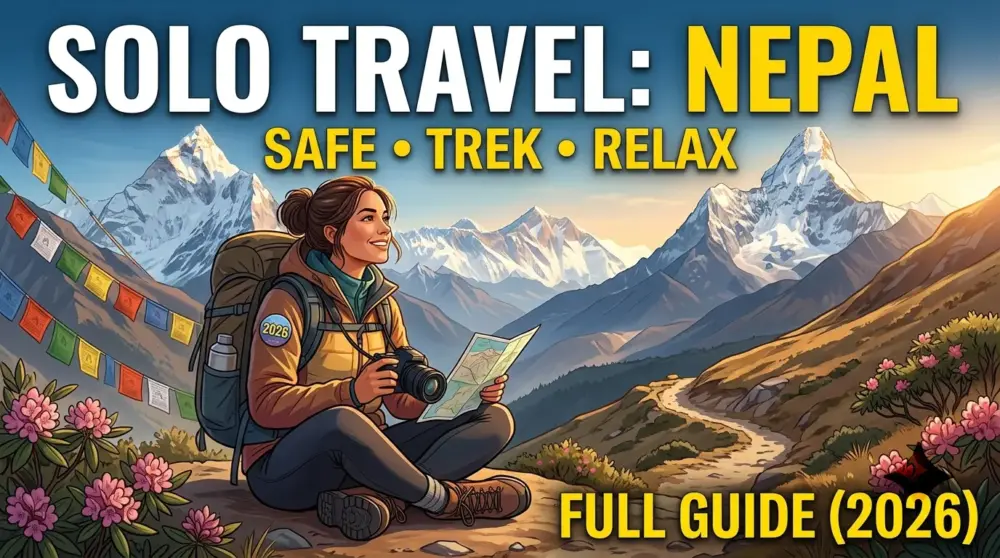
Nepal has solidified its reputation as one of the world’s most empowering and deeply rewarding destinations for solo female travelers. Nestled in the heart of the Himalayas, this vibrant nation offers an unparalleled mix of jagged mountain landscapes, ancient heritage, deep spirituality, and a culture of hospitality that treats visitors with profound respect.
For women seeking adventure, self-discovery, or cultural immersion, Nepal presents a safe and welcoming canvas. The deeply rooted philosophy of Atithi Devo Bhava (The guest is equivalent to God) means that locals—especially in traditional communities—frequently look out for independent female travelers like extended family.
However, traveling solo as a woman in a developing, traditional society requires a thoughtful blend of cultural awareness, smart planning, and practical safety steps. This ultimate comprehensive guide covers everything you need to navigate Nepal safely, confidently, and independently in 2026.
1. Is Nepal Safe for Solo Female Travelers?
The short answer is yes. Nepal is widely considered one of the safest destinations in South Asia for women traveling alone. Violent crime against tourists is exceedingly rare. However, like any travel destination, staying alert and understanding localized risks is key to a smooth journey.
Petty Theft & Scams
In crowded tourist hubs and transit points, petty crimes like pickpocketing, bag snatching, and phone theft can happen.
-
High-Risk Zones: Thamel (Kathmandu), Lakeside (Pokhara), local bus stations, and crowded local festivals or markets.
-
Precaution: Keep your valuables tucked away in secure, zipped compartments and avoid displaying expensive electronics unnecessarily.
Harassment & Staring
While physical aggression is rare, solo women may encounter persistent staring, unwanted attention, or occasional flirtatious comments. This behavior is typically harmless curiosity rather than predatory, but it can feel intrusive.
-
Precaution: Projecting confidence, wearing modest clothing, and maintaining clear boundaries will deter most unwanted attention.
Trekking Risks
Statistically, the greatest threats to solo travelers in Nepal stem from environmental factors rather than crime. Altitude sickness (Acute Mountain Sickness), unpredictable mountain weather, trail accidents, and geographic isolation are serious considerations. Proper preparation and adhering to local trekking regulations mitigate these risks completely.
2. Best Destinations for Solo Female Travelers
Certain destinations in Nepal offer an ideal mix of robust tourist infrastructure, vibrant social scenes to meet fellow travelers, and stellar safety standards.
                    TOP SOLO FEMALE DESTINATIONS
                                │
         ┌──────────────────────┼──────────────────────┐
         ▼                      ▼                      ▼
  Lakeside, Pokhara      Thamel, Kathmandu       Bandipur Village
(Relaxed, Safe, Easy)  (Vibrant, Social, Hub)  (Charming, Cultural)
Pokhara (Lakeside): The Perfect Soft Landing
Pokhara is arguably the most female-friendly city in South Asia. The Lakeside district is highly walkable, clean, and lined with cozy cafes, yoga retreats, and shops overlooking Phewa Lake. It boasts a relaxed atmosphere, exceptionally low crime rates, and serves as the ultimate gateway to the Annapurna region.
Kathmandu: The Vibrant Cultural Hub
As the capital city, Kathmandu is the energetic heart of Nepal. While chaotic, it is packed with historic temples, UNESCO World Heritage Sites, and social hostels. Staying in Thamel gives you access to walking tours, gear shops, and social cafes, while staying near Boudhanath Stupa provides a peaceful, spiritual environment centered around Tibetan Buddhist culture.
The Annapurna Region: Pristine, Well-Marked Trails
For trekkers, routes like Ghorepani Poon Hill, Mardi Himal, Annapurna Base Camp, and the classic Annapurna Circuit offer fantastic infrastructure. Trails are highly visible, frequently traveled, and lined with cozy teahouses, making them incredibly approachable for solo travelers looking to meet others.
Bandipur: A Secure Step Into Newari Tradition
This beautifully preserved, pedestrian-only hilltop town is a living museum of traditional Newari architecture. With no motorized vehicles allowed on its main brick street, it offers a peaceful, tight-knit communal atmosphere where solo women can wander safely at any hour.
Lumbini: A Sanctuary for Reflection
The birthplace of Buddha is a serene destination in the southern plains. Women traveling alone appreciate its calm, meditative atmosphere, historic monasteries built by various nations, and renowned meditation centers.
3. Solo Trekking in Nepal & Hiring Female Guides
Trekking through the Himalayas is a transformative experience, but doing it solo as a woman requires a careful assessment of safety and regulations.
       Body (Physical Challenge) + Speech (Local Connection) + Mind (Confidence)
                                        │
                                        ▼
                        THE REWARDS OF MOUNTAIN JOURNEYS
The New Trekking Regulations
The Government of Nepal has implemented stricter safety guidelines that mandate licensed guides for most high-altitude trekking zones to prevent solo trekkers from going missing in remote regions. Even on unrestricted trails, trekking entirely alone without a companion or guide is highly discouraged due to sudden weather shifts and terrain hazards.
The Rise of Female Trekking Guides
The demand for certified female trekking guides has surged significantly. Hiring a female guide or joining an all-women group trek offers unique advantages for independent travelers:
-
Complete Comfort: It eliminates any potential vulnerability or social awkwardness regarding rooming and personal space in remote mountain teahouses.
-
Exclusive Cultural Access: Female guides bridge the gap into the private worlds of Himalayan women. You will find yourself invited into local teahouse kitchens, learning about matriarchal structures, and sharing stories that male guides rarely have access to.
-
Economic Empowerment: Tourism in Nepal has historically been male-dominated. By consciously hiring a certified woman guide, you directly fund female financial independence and encourage sustainable career tracks for young women in mountain communities.
Trusted Women-Led Agencies: Look into reputable organizations like 3 Sisters Adventure Trekking and their sister NGO Empowering Women of Nepal (EWN) in Pokhara, or specialized Kathmandu-based female guiding agencies. Always ensure your guide holds an official license from the Trekking Agencies Association of Nepal (TAAN).
4. Understanding Cultural Expectations & Dress Codes
Nepal remains a traditional, patriarchal, and conservative society. Understanding local norms instantly commands respect from communities and significantly minimizes unwanted attention.
Dress Moderately (The Absolute Rule)
While brief clothing is tolerated inside the immediate backpacker bubbles of Thamel or Lakeside, dressing revealingly outside these zones is considered highly inappropriate.
-
Cities & Villages: Keep your shoulders and knees covered. Loose, lightweight linen trousers, maxi skirts, and t-shirts are excellent choices. Avoid low-cut tops, short shorts, and spaghetti straps.
-
Religious Sites: When visiting temples or monasteries, always dress modestly. Carry a light scarf or shawl in your daypack to drape over your shoulders or head when required. Always remove your shoes before entering temple interiors.
Social Etiquette & Boundary Setting
-
The Namaste Greeting: Avoid initiating physical contact, like handshakes, with local men unless they offer first. Instead, press your palms together at chest level and say “Namaste”. It is a beautiful, deeply respected greeting that naturally establishes a polite personal boundary.
-
The “Marriage Question”: Locals are deeply family-oriented and will casually ask solo women, “Are you married?” or “Where is your husband?” This is almost always innocent small talk. If you want to deter persistent conversation, simply smile and say your husband is working or joining you in a few days. Wearing a simple band on your ring finger works wonders.
-
Monastery Etiquette: Never touch a monk’s robes or sit directly next to them on a bench. Public displays of affection (PDA) are frowned upon throughout the country.
5. Transportation and Accommodation Dynamics
Navigating transit and lodging with a safety-first mindset ensures a stress-free trip.
Transportation Tips
-
Ride-Sharing Apps: In Kathmandu, avoid relying entirely on unmetered street taxis. Download local apps like Pathao or InDrive. They track your ride via GPS, provide driver profiles, and display transparent, fixed pricing.
-
Tourist Buses: When traveling between Kathmandu, Pokhara, and Chitwan, prioritize tourist buses (like Jagadamba, Soyambhu, or Greenline) over local public buses. They offer assigned seating, predictable schedules, better safety standards, and more comfortable drives.
-
Domestic Flights: For longer distances (e.g., Kathmandu to Pokhara or Lukla), domestic flights save massive amounts of time and avoid exhausting, bumpy road journeys.
Accommodation Strategies
Nepal caters beautifully to solo budgets. Look for accommodations that prioritize community and security:
┌─────────────────────────┬──────────────────────────────────┬──────────────────────────────────┐
│ Accommodation Type      │ Best For...                      │ What to Look For                 │
├─────────────────────────┼──────────────────────────────────┼──────────────────────────────────┤
│ Female-Friendly Hostels │ Socializing & meeting partners   │ Female-only dorms, keycard locks │
│ Local Guesthouses       │ Budget comfort & cozy vibes      │ Family-run, excellent reviews    │
│ Authentic Homestays     │ Deep cultural immersion          │ Community-vetted networks        │
│ Boutique Hotels         │ Premium security & relaxation    │ 24-hour reception, central spots │
└─────────────────────────┴──────────────────────────────────┴──────────────────────────────────┘
-
The Safety Checklist: Before booking, verify recent reviews written by other solo female travelers. Ensure the property has secure window locks, proper interior door deadbolts, a 24-hour staffed reception desk, and well-lit entryways.
6. Practical Planning: Best Seasons, Health & Budgets
When to Visit
-
Autumn (September–November): The absolute peak season. Offers crystal-clear mountain views, stable weather, and bustling trails. It is incredibly easy to meet travel partners during these months.
-
Spring (March–May): The second-best window. Wild rhododendrons bloom across the hills, skies are warm, and trekking conditions are excellent.
-
Winter (December–February): Clear, crisp days but freezing temperatures in the mountains. Great for city exploration and lower prices.
-
Monsoon (June–August): Characterized by heavy rainfall, leeches, and potential landslides. High-altitude trekking is limited, though cultural tours remain viable.
Health, Hygiene & Travel Insurance
-
Water Safety: Never drink tap water. Use a refillable bottle equipped with a built-in filter (like LifeStraw or Grayl), use water purification tablets, or utilize filtered water refilling stations at your accommodation.
-
Feminine Hygiene: While pads are widely available in cities, tampons and menstrual cups are exceptionally difficult to find outside Kathmandu and Pokhara. Pack an ample supply of your preferred menstrual products before flying out.
-
Comprehensive Insurance: Ensure your travel insurance policy explicitly covers high-altitude trekking (up to 5,000–6,000 meters) and emergency helicopter medical evacuation.
Sample Daily Budgets for Solo Women
| Travel Style | Estimated Daily Cost (USD) | What It Includes |
| Budget Traveler | $25 – $40 / day | Social hostel dorms, local cafes, public/tourist bus transport, and independent city walks. |
| Mid-Range Traveler | $50 – $100 / day | Private boutique guesthouse rooms, domestic flights, guided day tours, mid-range dining. |
| Luxury Traveler | $150+ / day | Five-star heritage hotels, private vehicle rentals, premium wellness retreats, luxury trekking lodges. |
7. Frequently Asked Questions (FAQs)
Is Nepal safe for first-time solo female travelers?
Absolutely. Nepal is highly recommended as a beginner-friendly destination for solo women. The country features a deeply welcoming culture, an established tourist trail, incredibly low rates of violent crime, and a supportive, close-knit global community of travelers.
Can I easily find a female trekking partner in Nepal?
Yes. If you choose not to hire a guide, you can easily find travel partners by staying in social hostels in Thamel or Lakeside, joining dedicated solo travel Facebook groups (like Solo Female Travelers), or looking at notice boards in local cafes.
Do I need to carry cash, or are credit cards widely accepted?
While upscale hotels and restaurants in Kathmandu and Pokhara accept credit cards, Nepal remains a cash-driven economy. You will need local Nepalese Rupees (NPR) for local transport, entry tickets to heritage sites, markets, and all mountain teahouses. Carry a reliable debit card and pull cash from ATMs in major cities before heading into the mountains, as ATMs do not exist on most trekking trails.
Is public display of affection allowed?
No. Nepal is culturally conservative. Holding hands, hugging, or kissing in public—regardless of gender configuration—is frowned upon and will attract uncomfortable, disapproving attention from locals.
Final Thoughts: A Journey of Empowerment
Solo travel through Nepal is far more than an adventurous holiday—it is a deeply transformative experience. Navigating the vibrant, chaotic streets of Kathmandu, looking out over a sea of clouds from an alpine ridge, or sharing a warm cup of milk tea with a local family cultivates a profound sense of resilience, inner peace, and self-confidence.
By respecting local customs, dressing mindfully, choosing verified accommodations, and tapping into the incredible network of local female guides, you will unlock a safe, inspiring, and completely unforgettable journey. Nepal has a unique ability to challenge you, inspire you, and ultimately welcome you home.
Are you interested in evaluating a specific trekking itinerary tailored to your fitness level, or would you like a curated list of the top-rated, female-friendly social hostels in Kathmandu and Pokhara?


How to book a trip?

make free inquiry

confirm the trip
