


Gyalpo Lhosar 2026: Celebrating New Year with Joy, Tradition
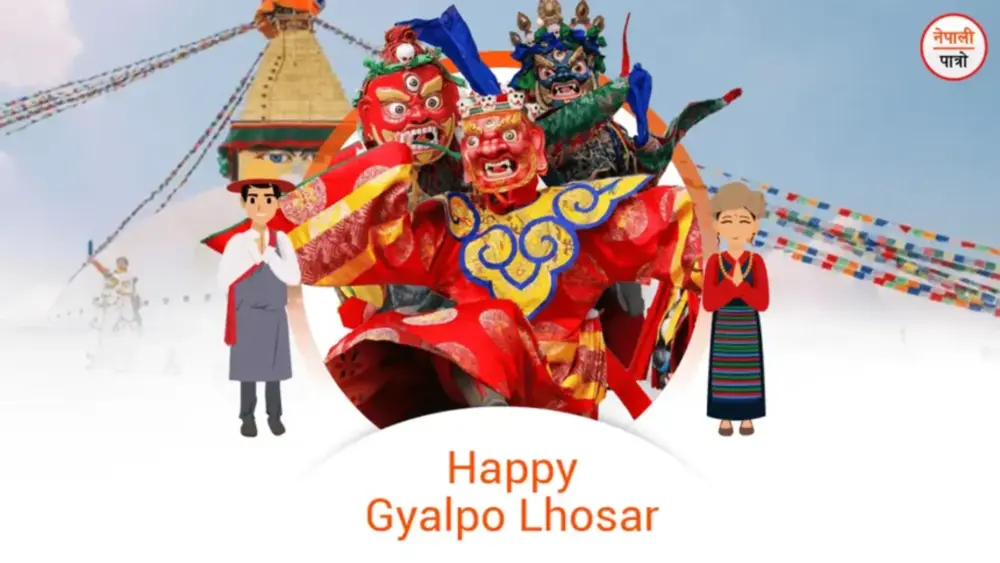
Gyalpo Lhosar 2026
Today, communities across the Himalayas and around the world are celebrating Gyalpo Lhosar, the Tibetan New Year, a vibrant festival filled with prayer, family gatherings, traditional food, and cultural pride. Whether you’re in Nepal, India, Bhutan, or Tibetan communities worldwide, this day marks a powerful spiritual and cultural reset. Many trekkers combine their Himalayan adventure with the cultural experience of Gyalpo Lhosar. Popular routes like the Everest Base Camp Trek, Annapurna Base Camp Trek, and Langtang Valley Trek become even more meaningful when you witness local festivals along the journey.
If you’ve ever wondered what Gyalpo Lhosar means, how it is celebrated, and why it is so important, this guide will walk you through everything in a warm, human way.
What is Gyalpo Lhosar?
Gyalpo Lhosar is the Tibetan New Year festival.
-
“Gyalpo” means king
-
“Lo” means year
-
“Sar” means new
It is the most important festival in the Tibetan Buddhist calendar and is observed according to the lunar calendar, usually falling in February or March.
In places like Kathmandu, especially in the Boudha and Swayambhu areas, monasteries glow with butter lamps, colorful prayer flags flutter in the wind, and families come together in their finest traditional attire.
Gyalpo Lhosar 2026: Tibetan Year 2153 – The Fire Horse Year
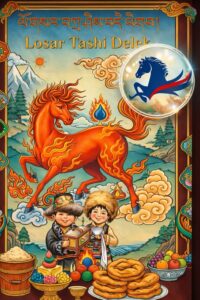
Gyalpo Lhosar 2026 welcomes Tibetan Year 2153, known as the Fire Horse Year in Tibetan astrology.
The Tibetan calendar follows a 60-year cycle combining:
-
12 Zodiac Animals
-
5 Elements (Wood, Fire, Earth, Iron, Water)
Meaning of the Fire Horse Year
-
The horse symbolizes energy, movement, freedom, and determination.
-
The fire element represents passion, transformation, and power.
Together, the Fire Horse year is believed to bring:
-
Dynamic change
-
Bold decisions
-
Rapid growth
-
Strong leadership energy
This makes 2026 a year of action and transformation in Tibetan belief.
The History Behind Gyalpo Lhosar
The origins of Lhosar date back thousands of years, to pre-Buddhist Tibet during the ancient Bon religion. It was originally a winter incense-burning ceremony to please local spirits and deities.
Later, during the time of Tibetan kings, the celebration evolved into a New Year festival, hence the name Gyalpo (King) Lhosar.
Today, it beautifully blends:
-
Ancient Bon traditions
-
Tibetan Buddhism
-
Cultural rituals
-
Family-centered celebrations
How Gyalpo Lhosar is Celebrated Today
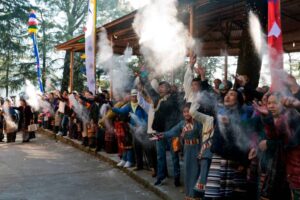
The celebration typically lasts 15 days, but the first three days are the most significant.
Preparation Days (Before New Year)
Families:
-
Thoroughly clean their homes (symbolizing removal of bad luck)
-
Decorate with prayer flags
-
Prepare traditional foods
-
Visit monasteries for blessings
Monasteries such as those near Boudhanath Stupa hold special prayer ceremonies.
New Year’s Day (Today 🎊)
Today is about:
-
Offering prayers for prosperity
-
Lighting butter lamps
-
Visiting relatives
-
Wearing traditional Tibetan dress (Chuba)
-
Sharing festive meals
People greet each other with:
“Tashi Delek!”
(Auspicious blessings and good wishes)
Cultural Festivities & Community Gatherings
In Tibetan communities and Himalayan regions, you’ll see:
-
Mask dances (Cham dances)
-
Folk music performances
-
Community feasts
-
Exchange of gifts and khatas (ceremonial scarves)
In parts of Sikkim and Arunachal Pradesh, large public celebrations are organized.
Traditional Foods of Gyalpo Lhosar
Food plays a central role in the celebration.
Guthuk

A special noodle soup eaten before New Year’s Eve. It contains symbolic dough balls, sometimes filled with funny or meaningful items, that predict personality traits!
Khapse

Deep-fried crispy pastries made in various decorative shapes.
Butter Tea (Po Cha)
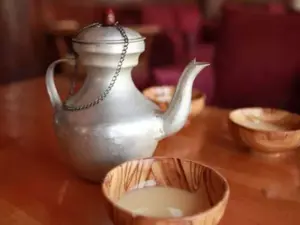
A salty tea made with yak butter and tea leaves, warming and comforting in Himalayan winters.
Food during Lhosar symbolizes abundance, warmth, and togetherness.
Where is Gyalpo Lhosar Celebrated?
Gyalpo Lhosar is widely celebrated in:
-
Tibet
-
Nepal
-
India
-
Bhutan
In Nepal, areas like Boudha and Swayambhunath come alive with prayer chants and incense smoke filling the air.
Spiritual Meaning of Gyalpo Lhosar
Beyond the colors and celebrations, Gyalpo Lhosar represents:
-
Letting go of negativity
-
Welcoming positivity
-
Strengthening family bonds
-
Renewing spiritual commitment
-
Practicing gratitude
It’s not just a new calendar year; it’s a fresh emotional and spiritual beginning.
Why Gyalpo Lhosar Matters Today
In a fast-moving world, festivals like Gyalpo Lhosar remind us to:
-
Pause
-
Reflect
-
Reconnect
-
Celebrate culture
-
Appreciate community
For travelers visiting Nepal during this time, witnessing Lhosar offers a deeper understanding of Himalayan culture and Tibetan Buddhist traditions.
As butter lamps flicker and families gather in warmth, Gyalpo Lhosar brings hope for prosperity, health, and happiness in the year ahead.
So today, wherever you are, take a moment to wish someone:
Tashi Delek! 🙏

May this new year bring clarity, courage, and compassion into your life.


How to book a trip?

make free inquiry

confirm the trip
