


Is June a Good Time to Visit Nepal? The Complete Travel Guide for 2026
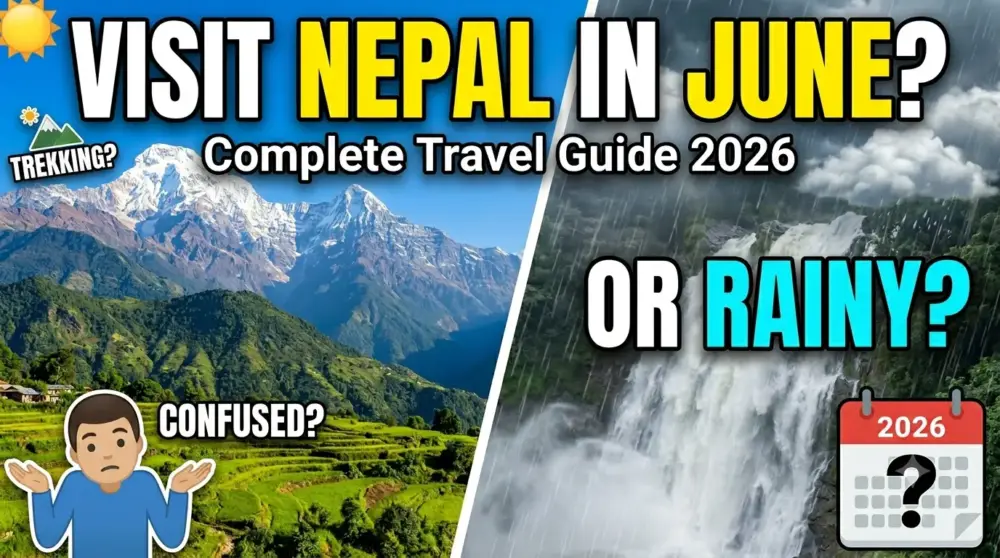
When travelers think about visiting Nepal, most immediately picture the peak trekking seasons of spring and autumn. As a result, June is often overlooked or outright dismissed. However, this lesser-known travel period offers a unique side of the country that many visitors never get to experience.
To answer the burning question simply: Yes, June can be an excellent time to visit Nepal—but it entirely depends on where you go, how you plan to travel, and what your expectations are.
June marks a major transition period in South Asia, shifting from the final hot days of spring into the summer monsoon season. While some travelers hesitate because of the possibility of rain, those who venture into Nepal in June 2026 are rewarded with lush green landscapes, fewer crowds, lower travel costs, and authentic cultural experiences. Whether you are an adventurous trekker wanting to explore isolated cultural enclaves, a budget traveler looking for lower rates, or a photographer craving vibrant landscapes, planning your trip wisely turns this “off-season” into a spectacular journey.
This comprehensive guide covers everything you need to know about traveling to Nepal in June 2026, including detailed weather breakdowns, top destinations, monsoon-proof trekking opportunities, costs, packing recommendations, and survival tips.
1. Understanding Nepal’s Weather & Climate in June
June is a transitional month in Nepal’s climate calendar. Historically, the summer monsoon officially crosses into eastern Nepal around June 10th to June 15th, gradually moving westward across the country over the subsequent weeks. In 2026, climate patterns indicate a slightly erratic transition, where early June retains many hot, dry characteristics of late spring, while late June sees more consistent monsoon rains.
The weather is a tale of multiple elevations and varies significantly depending on where you travel:
Kathmandu Valley
The weather in Kathmandu during June is generally warm, pleasant, and highly manageable.
-
Daytime Temperatures: 25°C to 31°C (77°F to 88°F)
-
Nighttime Temperatures: 18°C to 22°C (64°F to 72°F)
Mornings are frequently clear and sunny, while afternoon showers and localized thunderstorms become increasingly common as the month progresses, serving to clean the air and clear away the dust.
Pokhara
Pokhara experiences much higher rainfall than most parts of Nepal due to its geographic location directly beneath the massive Annapurna range, which acts as a rain trap.
-
Daytime Temperatures: 24°C to 30°C (75°F to 86°F)
-
Nighttime Temperatures: 20°C to 24°C (68°F to 75°F)
While rain is frequent—often manifesting as heavy downpours in the late afternoon or night—the surrounding hills, lakesides, and mountains become exceptionally green and beautiful.
Chitwan & The Terai (Southern Plains)
The southern lowlands are significantly warmer, heavier, and more humid as the tropical air mass settles in.
-
Daytime Temperatures: 30°C to 38°C (86°F to 100°F)
-
Nighttime Temperatures: 24°C to 28°C (75°F to 82°F)
The climate here feels like a steam room. While it remains a suitable time for wildlife viewing—especially during the early part of the month—the intense afternoon heat requires a slower travel pace.
Mountain Regions
Higher-altitude regions remain much cooler and more physically comfortable for walking. Temperatures vary based on elevation but generally range from 5°C to 20°C (41°F to 68°F). Many trekking areas remain fully accessible, although visibility may occasionally be affected by shifting cloud decks.
2. Why June Can Be a Great Time to Visit Nepal
Many travelers automatically avoid Nepal in June 2026 because they associate it strictly with monsoon weather. However, if you look past the surface-level warnings, there are several compelling reasons why June deserves serious consideration.
Fewer Tourists and Less Crowding
One of the grandest advantages of visiting Nepal in June is the drastic reduction in tourist numbers. Popular attractions, heritage sites, and trekking trails become incredibly quiet compared to the packed spring and autumn windows. This means:
-
More peaceful, contemplative sightseeing experiences at sacred monuments.
-
Clean photography opportunities without a sea of selfie sticks.
-
Less crowded trekking routes and empty teahouses.
-
Highly personalized service from guides, drivers, and hotel staff.
Beautiful, Vibrant Green Landscapes
If you dislike the dry, dusty, brown landscapes of the late winter months, June will be a revelation. The first rains of the season act as a life-giving tonic for the countryside. Terraced farms, deep valleys, and hillsides erupt into vibrant, neon shades of green. Rivers flow strongly, waterfalls cascade down canyon walls with roaring power, and the entire natural world feels completely refreshed.
Lower Travel Costs
Because June is universally considered a shoulder or off-peak season, the cost of traveling within Nepal drops substantially. If you are a budget-conscious traveler, you can capitalize on major discounts:
-
Hotel and boutique lodge rates are often slashed by 20% to 40%.
-
Domestic flight availability is high, and premium tour packages are more affordable.
-
Trekking agencies and transportation providers are far more open to pricing negotiations.
Better Availability of Accommodation
Finding premium rooms in popular destinations like Thamel in Kathmandu or Lakeside in Pokhara is incredibly easy in June. Even luxury boutique lodges frequently have immediate availability, granting you ultimate flexibility to alter your itinerary on the fly without booking months in advance.
3. The Challenges of Visiting Nepal in June
An honest, comprehensive guide must balance the silver linings with the genuine complications of the season. Traveling during a monsoon transition introduces specific obstacles you must be prepared to face.
Increasing Rainfall & Humidity
Rainfall becomes steadily more frequent as the weeks pass. Travelers should expect humid conditions, sudden afternoon thunderstorms, and wet roads. In lower regions like Chitwan, the high humidity can make outdoor walking physically exhausting, requiring plenty of hydration.
Reduced Mountain Visibility
Cloud cover can frequently obscure panoramic mountain views, particularly during late June. If your primary, uncompromised dream is to sit on a balcony and stare at an uninterrupted wall of snow-capped peaks all day long, the clear skies of October and November are better suited for you. In June, mountain views are a game of chance—though early mornings often surprise you with sudden, dramatic clearings.
Logistical Disruptions (Flights and Roads)
Monsoon rains introduce real logistical headaches. Heavy downpours mean low visibility, which can lead to temporary delays or cancellations for domestic flights—especially small aircraft flying into mountain airstrips. Furthermore, highways carved into Nepal’s steep hills are prone to muddy conditions and landslides, which can delay road travel.
Leeches and Slippery Trails
In the damp, lower trekking elevations and forested hills, the wet conditions bring out leeches (jugas). While completely harmless, they are a nuisance. Trails also become muddy, slick, and physically demanding to navigate, requiring careful footing.
4. Best Places to Visit in June 2026
Not all destinations in Nepal are equally affected by the arriving monsoon. By aligning your itinerary with the country’s unique geography, you can find regions that are at their absolute prime.
[Bay of Bengal Monsoon Winds] ---> Dumps rain on Southern Slopes (Pokhara / Lowlands)
                                        |
                                  [HIMALAYAN WALL] (Annapurna / Dhaulagiri Ranges)
                                        |
                                        v
                                 [RAIN SHADOW ZONE] ---> Dry, sunny, perfect for:
                                                         * Upper Mustang
                                                         * Upper & Lower Dolpo
A. The Himalayan Rain-Shadow Paradises
When moisture-heavy monsoon winds blow north, they hit the massive physical barrier of the Annapurna and Dhaulagiri mountain ranges. The air is forced upward, cools, and dumps its moisture on the southern slopes. By the time the clouds cross over to the northern side of the peaks, they are completely dry. This creates a geographic phenomenon known as a rain shadow, making these destinations perfect for June travel.
Upper Mustang (The Forbidden Kingdom)
Upper Mustang is arguably Nepal’s ultimate treasure during the monsoon season. Located entirely within the rain shadow, it receives very little rainfall, offering dry trekking conditions, comfortable temperatures (around 20°C), and bright skies.
In June, melting peak snow feeds the valley floors, causing barley fields to turn emerald green and alpine wildflowers to bloom against a dramatic backdrop of wind-sculpted, desert-like ochre cliffs. Because it is a restricted area, it sees very few tourists; in June, you will have the ancient walled capital of Lo Manthang and century-old monasteries entirely to yourself.
Dolpo (Upper & Lower)
Another spectacular rain-shadow destination, Dolpo offers a remote, rugged trekking experience immortalized in classic travel literature. June opens up access to the deep blue, crystal-clear waters of Phoksundo Lake and clears the high mountain passes of heavy winter snow. It is an ideal refuge for adventurous travelers seeking untouched Bon and Tibetan Buddhist cultures, completely insulated from the rainy season.
B. Kathmandu Valley & Pokhara
-
Kathmandu Valley: Historic sites like Pashupatinath Temple, Boudhanath, Swayambhunath, and the ancient Durbar Squares of Kathmandu, Patan, and Bhaktapur remain excellent in June. The afternoon rain showers wash away the city dust and leave the brick architecture looking vibrant. Morning sightseeing is highly rewarding, followed by long afternoons exploring world-class indoor museums or enjoying Thamel’s cafe culture.
-
Pokhara: Pokhara becomes incredibly lush and scenic. While you must navigate frequent rain, the waterfalls (like Davis Falls) become roaring and powerful, and boating on a quiet Phewa Lake surrounded by emerald hills is deeply peaceful. On clear mornings, the reflection of the Annapurna range against the fresh landscape is stunning.
C. Chitwan National Park
Wildlife enthusiasts can still enjoy safari experiences in June, particularly during the early part of the month before the vegetation grows too tall. Morning safaris offer excellent opportunities to spot one-horned rhinoceroses, Bengal tigers, crocodiles, and exotic birds along the riverbanks.
5. Trekking in Nepal During June: Best Route Options
Can you go trekking to Nepal in June 2026? Yes, but destination selection is critical. While classic, exposed routes like Everest Base Camp or the full Annapurna Circuit face severe flight cancellations at Lukla and high landslide risks on lower trails, these specific routes offer favorable conditions:
-
Upper Mustang Trek: The gold standard for June. Arid, culturally rich, and completely unbothered by monsoon rains.
-
Nar Phu Valley Trek: A remote, hidden gem trek tucked behind the Annapurna range, offering relatively dry conditions and zero crowds.
-
Lower Mustang Trek: A shorter, highly accessible option around Jomsom, Muktinath, and Marpha that provides spectacular canyon scenery and comfortable teahouse stays.
-
Langtang Valley Trek: Suitable during early June. It offers lush forest walking and alpine views before the heavier, late-monsoon downpours set in.
-
Mardi Himal Trek: An excellent choice for a short trek in early June, offering dramatic, close-up mountain views from high ridges before the afternoon clouds roll over the valleys.
6. Festivals and Cultural Experiences
June is a culturally rich, highly joyous month to experience local traditions up close without competing with tourist crowds.
Saga Dawa (The Month of Merits)
Observed with immense devotion by Tibetan Buddhist communities, Saga Dawa commemorates the birth, enlightenment, and parinirvana (passing) of Gautama Buddha. The festival is celebrated over an entire lunar month, with its most holy day—the full moon day of Saga Dawa Düchen—falling at the very turn of the season.
Celebrations are incredibly vibrant around the great stupas of Boudhanath and Swayambhunath in Kathmandu. Visitors can quietly witness thousands of devotees chanting, offering butter lamps, spinning prayer wheels, and participating in sacred spiritual gatherings. Because it is known as the “Month of Merits,” it is a time of immense generosity, virtue, and compassion, making it a beautiful period for cultural immersion.
Ropain Festival (The Monsoon Rice Planting)
Celebrated on Asadh 15 of the Nepali calendar (typically June 29th), this is one of the most joyful agricultural festivals in Asia. Known as National Paddy Day (Dhan Diwas), it marks the official start of the rice-planting season.
Farmers gather in mud-soaked terraced fields to plant rice saplings to the rhythm of traditional folk songs (Asare Git). The day quickly turns into a playful celebration where locals and travelers jump into the mud together, splash each other, dance, and share the traditional festival meal of Dahi-Chiura (beaten rice with yogurt). The fields surrounding Pokhara, Bhaktapur, and Kaskikot are fantastic places to experience this firsthand.
7. What to Pack for Nepal in June
Packing appropriately is the line between a miserable trip and an incredible adventure. Because June is both hot and wet, leave your heavy winter gear behind and focus on high-performance, lightweight layers.
Essential Clothing
-
Lightweight, Breathable Shirts: Moisture-wicking fabrics that dry quickly in high humidity.
-
Waterproof Shell Jacket: Opt for a lightweight, breathable Gore-Tex jacket with underarm ventilation zippers. Avoid heavy insulated raincoats; they will cause you to sweat profusely.
-
Quick-Dry Hiking Pants & Shorts: Lightweight synthetic materials that won’t hold water.
-
Rain Poncho or Sturdy Umbrella: A compact travel umbrella is incredibly useful for walking around cities when it is too warm for a full jacket.
-
Footwear: Waterproof hiking boots with deep rubber lug soles for slick trails, paired with quick-drying trail sandals (like Tevas or Chacos) for urban exploring.
Travel Accessories
-
Waterproof Backpack Cover: Essential for keeping your gear dry during sudden downpours.
-
Dry Sacks / Plastic Liners: Line the inside of your daypack with heavy-duty bags to protect electronics.
-
Power Bank: Essential for keeping phones and cameras charged during temporary rural power outages caused by storms.
-
Sun Hat & Sunglasses: For the intense, bright morning sun.
Health and Safety Items
-
High-DEET Insect Repellent: To ward off mosquitoes in the lowlands and Pokhara.
-
Anti-Leech Defense: Carry a small pouch of fine salt or a concentrated saltwater spray bottle. Dabbing salt on an attached leech causes it to drop off instantly without tearing the skin.
-
Sunscreen & First-Aid Kit: Basic medications, hand sanitizer, and blister band-aids.
8. Travel Costs in Nepal During June 2026
Traveling during the shoulder season offers excellent value for money across all categories. Here is a realistic breakdown of what you can expect to spend:
Accommodation
| Accommodation Tier | Estimated Cost per Night (USD) |
| Budget Hotels & Teahouses | $10 – $25 |
| Mid-Range Hotels | $30 – $80 |
| Luxury Hotels & Boutique Resorts | $100 – $300+ |
Food & Drink
-
Local Restaurants (Dal Bhat, Momo, Chowmein): $2 – $8 per meal.
-
Tourist Cafes & Restaurants (Thamel/Lakeside): $8 – $20 per meal.
-
Fine Dining: $20+ per person.
Transportation
Domestic travel remains relatively affordable. Many local airlines, private jeep operators, and tour agencies offer promotional rates or flexible discounts during the shoulder season to keep vehicles moving.
9. Photography Opportunities in June
Photographers often discover that June reveals a far more dramatic, artistic side of Nepal than the clear, flat blue skies of autumn.
-
Vibrant, High-Contrast Landscapes: The clean, rain-washed air creates unbelievable clarity. The neon green terraced fields stand out sharply against dark stone villages and mountain backdrops.
-
Atmospheric, Dramatic Clouds: Monsoon clouds add incredible depth, scale, and moodiness to mountain photography. Catching a jagged peak piercing through a breaking sea of mist makes for an elite composition.
-
Powerful Waterfalls and Rushing Rivers: June is the prime season for long-exposure water photography. Rivers swell to their maximum capacity and roadside waterfalls cascade with thunderous power.
-
Intimate Cultural Encounters: With fewer tourists competing for space, locals are relaxed. You can capture genuine, candid portraits of daily life, agricultural work, and temple devotion without intrusion.
10. Practical Travel Tips for June Success
To ensure a seamless, stress-free trip, weave these five practical rules into your travel strategy:
-
Start Your Activities Early: The monsoon is a creature of the afternoon. Make it a habit to wake up by 5:30 AM. Mornings offer the coolest temperatures, clearest skies, and the highest statistical probability of catching stunning mountain views before clouds roll in. Plan to finish trekking or outdoor city tours by 1:00 PM.
-
Build Absolute Flexibility into Your Schedule: Never plan a rigid, tight itinerary. Always leave a 2 to 3-day buffer window at the very end of your trip in Kathmandu. If a landslide temporarily delays a highway bus or a low cloud deck grounds flights out of mountain airstrips like Jomsom, your buffer ensures you won’t miss your international flight home.
-
Book Experienced, Local Guides: Local guides understand seasonal shifts intimately. They know which specific trails turn into mud hazards, how to spot alternative paths, and possess real-time networks to check road conditions before you set out.
-
Purchase Premium Travel Insurance: Ensure your insurance policy explicitly covers weather-related trip interruptions, flight delays, and emergency high-altitude helicopter evacuation.
-
Monitor Weather Forecasts Constantly: Keep a close eye on local meteorological updates and check in regularly with your hotel hosts or trekking agency regarding regional highway conditions.
Who Should Visit Nepal in June?
June is Perfect For:
-
Budget Travelers: Who want premium hotel stays, private transport, and boutique experiences at a fraction of peak-season prices.
-
Nature Lovers & Photographers: Who crave dramatic lighting, mist-shrouded peaks, and incredibly vibrant, alive green landscapes.
-
Cultural Explorers: Who want to immerse themselves deeply in authentic celebrations like Saga Dawa and the Ropain Festival without fighting tourist crowds.
-
Rain-Shadow Trekkers: Adventurers who want to cross off bucket-list regions like Upper Mustang or Dolpo under ideal, dry, and crowd-free conditions.
-
Repeat Visitors: Travelers who have seen Nepal in the dry autumn and want to witness its softer, greener, and more intimate side.
June May Not Be Ideal For:
-
First-time trekkers are completely dead-set on guaranteed, all-day panoramic views of Mount Everest or completing the classic Annapurna Circuit.
-
Travelers who experience high stress when facing sudden itinerary changes, domestic flight delays, or occasional rain showers.
-
High-altitude mountaineers require completely stable, predictable weather windows.
Final Verdict: Is June a Good Time to Visit Nepal?
Absolutely. While Nepal in June 2026 may not offer the consistently clear, flat skies of autumn, it provides something equally valuable and far more intimate.
By steering away from vulnerable, exposed mountain trails and heading straight for the spectacular rain-shadow plateaus of Upper Mustang and Dolpo, or by immersing yourself in the rich, mud-splashed joy of local agricultural festivals, you will unlock an authentic perspective of the country that ordinary tourists never get to see. Rather than viewing June as an off-season, think of it as Nepal’s beautiful hidden season—where the crowds vanish, the landscape comes alive, and the legendary warmth of the Nepalese people shines brighter than ever.


How to book a trip?

make free inquiry

confirm the trip
