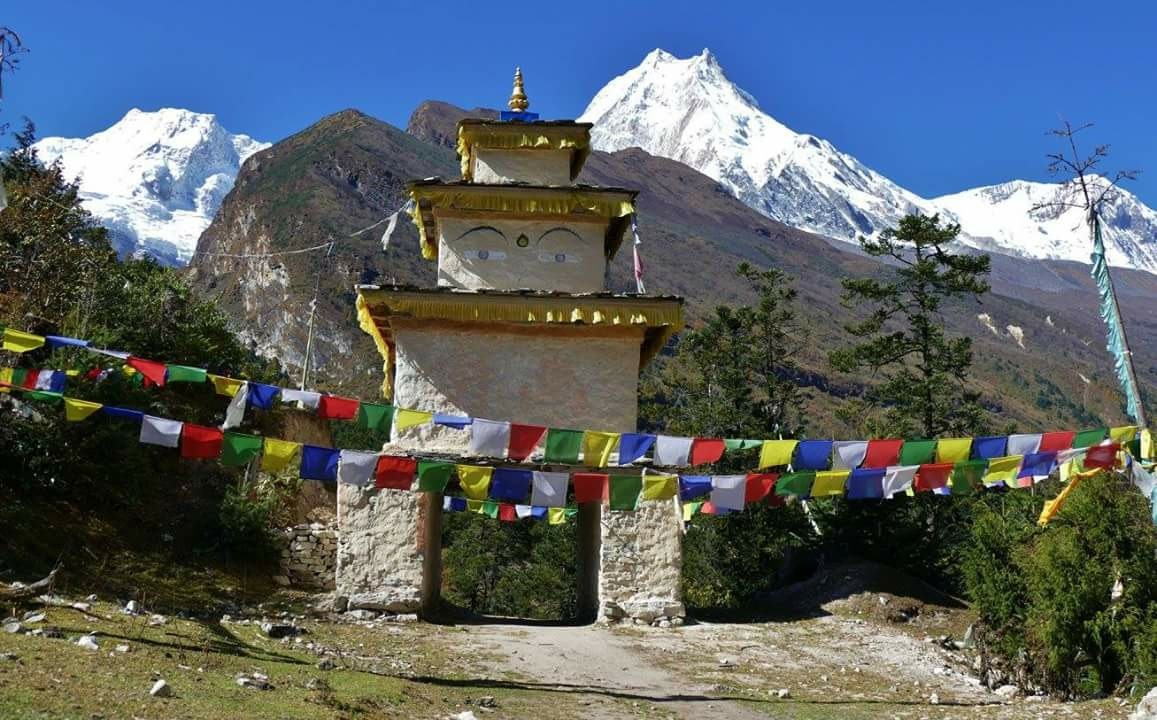
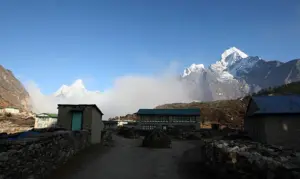
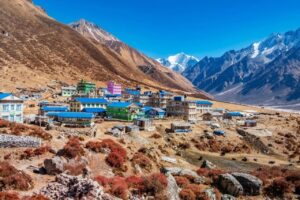
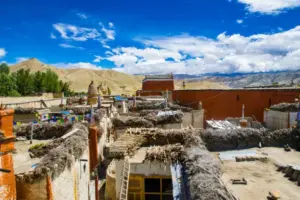
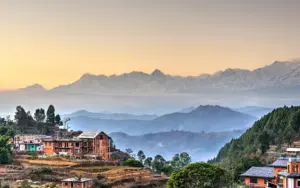
The Manaslu and Tsum Valley Trek,hidden in the northern Gorkha district of Nepal, is one of the most peaceful and culturally rich trekking routes in the Himalayas. This remote journey offers breathtaking mountain views, ancient Buddhist monasteries, and deep immersion into Tibetan-influenced traditions.
Unlike crowded routes such as Everest Base Camp or Annapurna Base Camp, the Manaslu Tsum Valley remains quiet, spiritual, and untouched, earning its nickname: “The Valley of Peace.”
Where are the Manaslu and Tsum Valley?
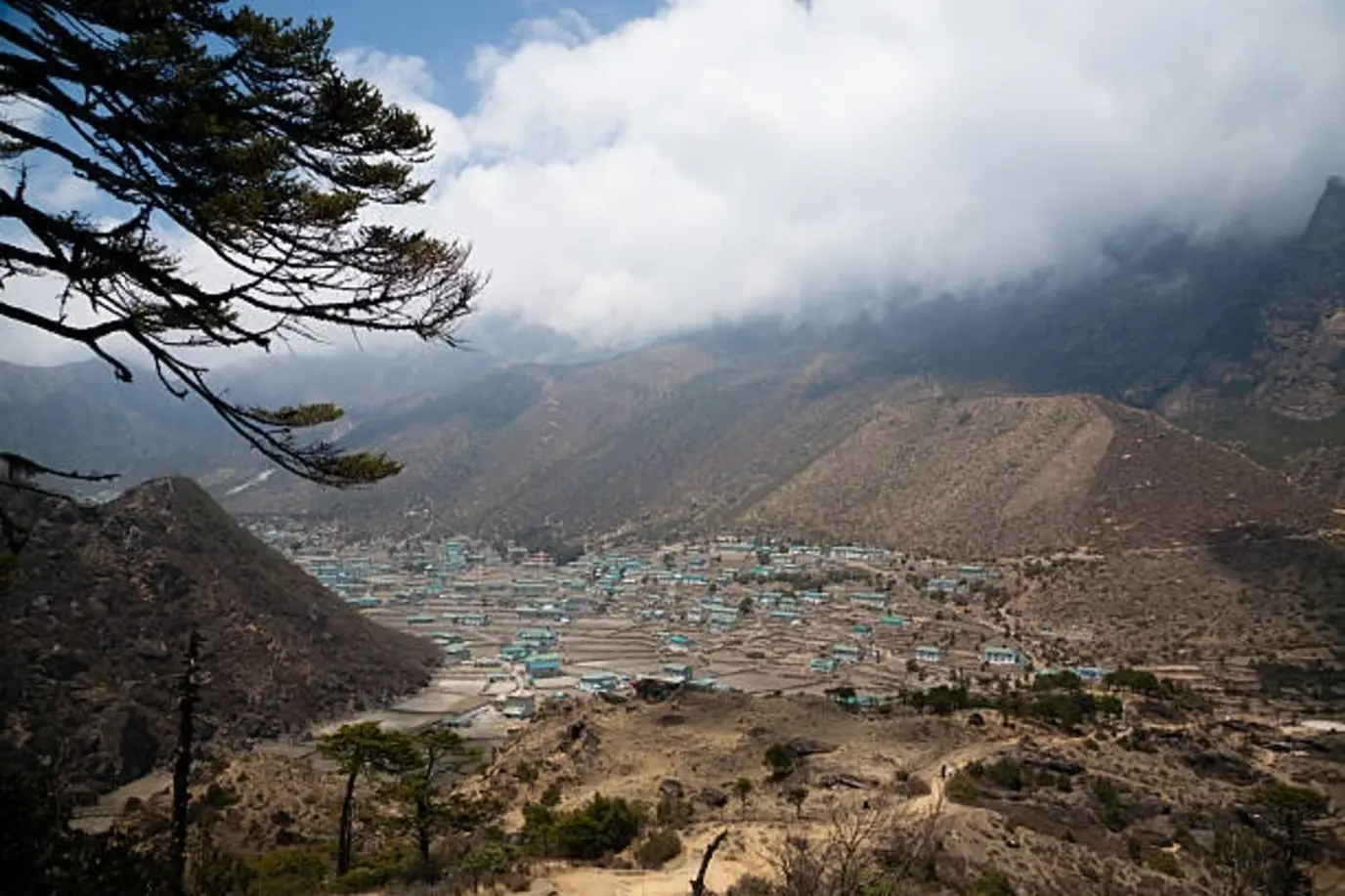
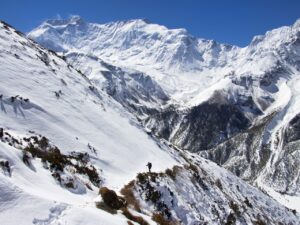
The Tsum Valley lies in the northern part of the Gorkha district near the Tibetan border. The trek circles the majestic Mount Manaslu (8,163m), the eighth-highest mountain in the world.
Along the trail, trekkers enjoy panoramic views of:
Mount Manaslu
Ganesh Himal
Sringi Himal
The dramatic landscape changes from subtropical forests to alpine terrain and glacier valleys.
Why Choose the Manaslu Tsum and Valley Trek?
This trek is perfect for travelers seeking:
Fewer crowds
Authentic Tibetan Buddhist culture
Remote Himalayan scenery
Deep cultural immersion
The valley is home to the indigenous Tsumba people, who maintain a unique language, culture, and strong Tibetan Buddhist traditions.
Trek Duration, Distance & Difficulty
Duration: 19–24 days
Total Distance: Approx. 230 km (143 miles)
Difficulty Level: Moderate to Challenging
Maximum Elevation: Around 5,106m (Larkya La Pass if combined with Manaslu Circuit)
This trek requires good physical fitness due to long walking days and high-altitude conditions.
Best Time for Manaslu and Tsum Valley Trek
The best seasons are:
Spring (March–May) – Clear skies and blooming rhododendrons
Autumn (September–November) – Stable weather and excellent mountain visibility
Winter is very cold, and the monsoon season brings heavy rainfall and landslides.
Cultural Highlights of Tsum Valley
One of the biggest attractions of the Manaslu Tsum Valley Trek is its spiritual atmosphere.
Trekkers can visit ancient monasteries and gompas such as:
Longdan Gompa
Rachen Gompa
Mu Gompa
These monasteries reflect centuries-old Tibetan Buddhist heritage. You’ll also see prayer wheels, mani walls, and chortens throughout the valley.
The Tsumba community maintains strong social equality and cultural unity, making the valley feel deeply peaceful and spiritually connected.
Permits Required for Manaslu Tsum Valley Trek
To trek in this restricted region, the Nepal government has protected this area for conserving natural resources and local culture influenced by Tibet. For Manaslu Trek permits, you need a total of three different special permits issued by the Government of Nepal, Ministry of Home Affairs, Department of Immigration at Kalikasthan, Dillibazar, Kathmandu.
Since the region is restricted, special permits are required:
Manaslu Restricted Area Permit (RAP)
Manaslu Conservation Area Permit (MCAP)
Annapurna Conservation Area Permit (ACAP)
Important:
Minimum of two trekkers required
Must be accompanied by a licensed guide
Solo trekking is not allowed
Accommodation & Facilities
Accommodation is mostly in local teahouses with:
Basic rooms
Shared bathrooms
Simple local meals
Because this is a remote region, luxury lodges are limited compared to routes like Everest Base Camp.
However, the cultural authenticity makes up for the basic facilities.
Who Is This Trek Best For?
The Manaslu Tsum Valley Trek is ideal for:
Nature lovers
Cultural explorers
Spiritual travelers
Experienced trekkers seeking less crowded routes
It is not recommended for beginners without prior high-altitude trekking experience.
Additional Costs to Consider
Permits & Fees: Mandatory for restricted areas.
Flights & Transport: Not included in daily trek costs.
Travel Insurance: Highly recommended.
Emergency Evacuation: Helicopter options for luxury trekking.
Extras: Snacks, water bottles, occasional Wi-Fi.
Smart Ways to Trek on a Budget
Choose accommodations wisely.
Carry your own gear.
Join a group trek.
Eat local food.
Hire local guides directly.
These tips can significantly reduce your overall trekking cost.
Environmental Considerations
Leave No Trace: Avoid littering
Use Eco-Friendly Gear: Reusable bottles, biodegradable soaps
Respect Local Wildlife: Avoid disturbing animals or plants
Follow Guidelines: Abide by conservation rules
Sustainable trekking ensures the Himalayas remain beautiful for future generations.
Final Thoughts
The Manaslu Tsum Valley Trek is more than just a Himalayan adventure; it is a journey into Nepal’s preserved spiritual heart. With majestic views of Mount Manaslu and deep immersion in Tibetan Buddhist culture, this trek offers a rare combination of natural beauty and cultural authenticity.
If you are looking for a less crowded, culturally rich, and spiritually uplifting Himalayan experience, the Manaslu Tsum Valley is truly one of Nepal’s finest hidden treasures.
Trekking in Nepal is one of the most iconic adventure experiences in the world. Home to eight of the fourteen highest peaks on Earth—including Mount Everest—Nepal offers breathtaking Himalayan landscapes, rich mountain culture, and unforgettable trekking routes.
But when planning your trip, one major question arises:
Should you choose luxury trekking or budget trekking in Nepal?
Both options take you to the same mountains—but the experience, comfort level, and cost can vary widely. This complete guide compares luxury vs budget trekking in Nepal so you can choose the style that fits your travel goals.
What Is Luxury Trekking in Nepal?
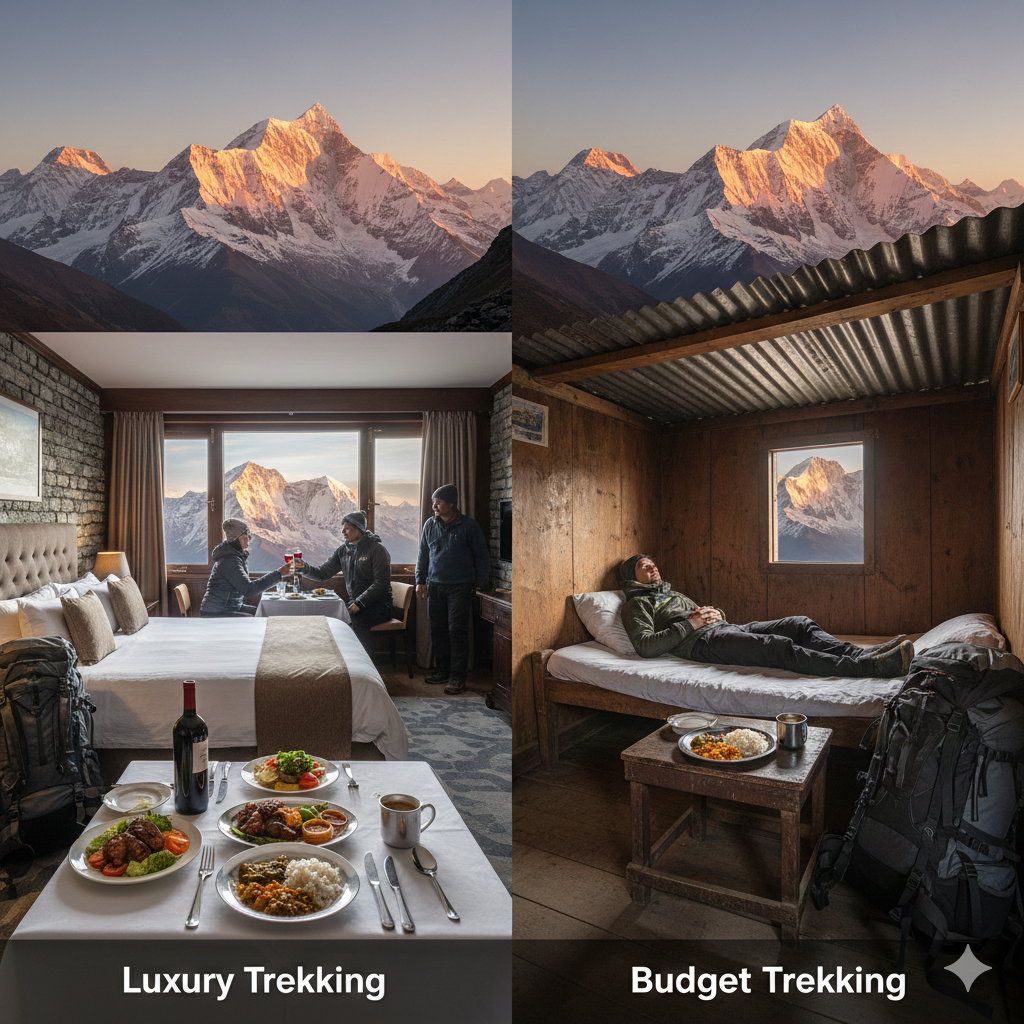
Luxury trekking in Nepal combines Himalayan adventure with premium comfort. Instead of basic teahouses, trekkers stay in high-end lodges offering:
Heated rooms
Private bathrooms
Hot showers
Electric blankets
Wi-Fi access
Premium dining options
On popular routes like Everest Base Camp, some luxury lodges even provide scenic lounges with panoramic mountain views.
Luxury treks often include:
Experienced guides
Porters to carry your backpack
Private transfers
Helicopter return options
Personalized service
This option is ideal for families, older travelers, or anyone who wants adventure without sacrificing comfort.
What Is Budget Trekking in Nepal?
Budget trekking focuses on authenticity, simplicity, and cultural immersion.
Trekkers stay in locally run teahouses that offer:
Basic but cozy rooms
Shared bathrooms
Limited heating
Traditional Nepali meals like Dal Bhat, noodles, and soup
While facilities are simple, the experience is deeply cultural. You interact closely with local families, learn their stories, and experience real Himalayan village life.
Budget trekking is perfect for:
Backpackers
Adventure seekers
Solo travelers
Travelers prioritizing experience over comfort
Cost Comparison: Luxury vs Budget Trekking in Nepal
The Luxury Trekking covers the premium accommodations, experienced guides, porters to carry your heavy backpacks, personalised support, and selective meals. This even includes helicopter flights and private transfer sometimes. This shapes the Luxury Trekking to be more expensive, usually about $150-$350 per day. This cost is an investment that prioritises safety, comfort, and convenience, and provides a supported and memorable Himalayas adventure.
Budget Trekking is more affordable as trekkers usually carry their own backpacks, hire local guides for cost reduction, and have inexpensive meals that are filling. The cost is usually about $35-$65 per day, which makes it more accessible to a wide range of people. This trek helps people to immerse themselves in authentic culture.
Here’s a clear breakdown of average daily costs:
Feature
Luxury Trekking
Budget Trekking
Cost per day
$150–$350+
$35–$65
Accommodation
Premium lodges
Teahouses
Porter included
Yes
Optional
Private transport
Yes
Usually no
Wi-Fi
Mostly included
Limited/paid
Best for
Comfort seekers
Adventure travelers
Why Is Luxury Trekking More Expensive?
Luxury packages include:
High-end accommodations
Professional guides
Porter services
Premium meals
Sometimes helicopter transfers
This cost prioritizes safety, convenience, and comfort.
Why Is Budget Trekking More Affordable?
Budget trekkers:
Carry their own gear
Stay in basic lodges
Eat local meals
Use shared facilities
This makes trekking accessible to a wider range of travelers.
Experience Comparison: Which One Feels Better?
Luxury Trekking Experience
The Luxury trekking lets you immerse yourself in the mountain sceneries and culture, without worrying about your heavy backpacks, basic utilities, and lack of heating. This focuses on an adventurous journey with comfort and convenience. You can still enjoy the Himalayas’ views
and traditional life, but without straining yourself physically. For old travellers, families, physically challenged, or anyone who is seeking to balance adventure and comfort, this is the style you want to experience the Himalayas.
Best suited for:
Families
Senior travelers
Couples
Travelers combining adventure with relaxation
Budget Trekking Experience
But in experience, the Budget trekking wins here with the opportunity to immerse yourself with locals, knowing their stories and histories. It lets you engage with the traditional village life and gives you hands-on experiences of the Himalayas. Not just with local but with the fellow
travellers. The people who are seeking adventure and thrill with cultural immersion, this style is what you want to go with. Many travelers say this raw and authentic experience feels more adventurous and meaningful.
Best suited for:
Young travelers
Cultural explorers
Adventure enthusiasts
Popular Routes for Both Luxury and Budget Treks
Most major trekking routes in Nepal offer both styles.
1. Everest Base Camp
Everest Base Camp is one of the most popular treks located in the Khumbu Valley of Nepal, attracting trekkers from all around the world. Along the trail, trekkers can easily choose between the local teahouse and expensive premium lodges. Trekkers can easily choose a basic room with shared facilities or private rooms with personalized services. The budget trek ranges around $40 -$60 per day for a trekker, while the luxury trek ranges about $150-$350 or more. Trekkers can choose between simple teahouses or high-end lodges with heated rooms and private facilities.
2. Annapurna Base Camp
Annapurna Base Camp is also one of the iconic trekking destinations that takes you to the unforgettable trail to Mount Annapurna, also known as the “Fishtail”. Budget trekkers can stay in the simple teahouses and lodges, while having basic meals, whereas luxury trekkers can choose premium lodges and facilities. On average, the budget trekker spends around $35-$60 per day, and the luxury trekker spends around $150-$300 per day. Both options offer spectacular mountain views and cultural encounters.
3. Manaslu Circuit
Manaslu Circuit is another incredible trek in Nepal, which starts from Macha Khola and ends at Besi Sahar. This trek is more remote, but provides both options. For budget trekkers, the daily spending is around $40-$60, and for luxury trekkers, it is around $150-$250 per day. Though remote, luxury arrangements are possible with planning.
Additional Costs to Consider
When calculating trekking costs in Nepal, remember:
Permits: Trek permits and fees are other expenses to consider. Some treks also need special permits. Permits are mandatory. You can learn more from the official trekking permit guidelines.
Flights & Transport: Flight costs are not included in the daily expenses. The flight cost varies by season and according to the destination.
Travel Insurance: Travel insurance is most suitable for trekking in Nepal.
Helicopter evacuation: Helicopter in a luxury trek is common, but emergency evacuation is to be considered.
Extra expenses: Snacks, water bottles, and Wi-Fi (sometimes) in the trail of the Himalayas are extra expenses.
Smart Ways to Trek Nepal on a Budget
If you want to reduce costs:
Choose your accommodation within your budget.
Carry your own gear.
Plan/Join a group trek.
Eat local food.
Hire local guides directly.
These small decisions significantly lower your overall trekking budget.
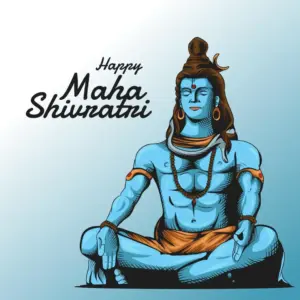
Maha Shivaratri is one of the most sacred and spiritually powerful festivals in Nepal. Dedicated to Lord Shiva, this auspicious night symbolizes devotion, self-discipline, meditation, and inner awakening.
In the Nepali calendar (2082 BS), Maha Shivaratri falls on Falgun 03, which corresponds to Sunday, February 15, 2026.
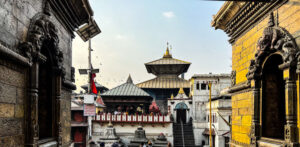
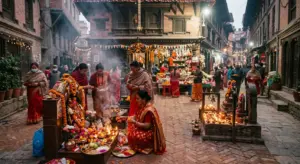
Across Nepal, devotees gather in temples, especially at the sacred Pashupatinath Temple, where thousands of pilgrims and sadhus arrive to worship, meditate, and celebrate the Great Night of Shiva.
What is Maha Shivaratri?
Shivaratri occurs every month (known as Masik Shivaratri) on the 14th day of the lunar cycle. However, Maha Shivaratri, meaning “The Great Night of Shiva,” is the most spiritually significant of them all. It falls in the Hindu month of Falgun (February–March).
Unlike other Hindu festivals filled with feasting and celebration, Maha Shivaratri emphasizes:
Fasting and self-control
Meditation and prayer
Spiritual reflection
Overcoming darkness and ignorance
The Legends Behind Maha Shivaratri
Several ancient stories explain the importance of this divine night:
1. The Divine Union of Shiva and Shakti
Many believe this is the night Lord Shiva united with Goddess Parvati, symbolizing the balance of masculine and feminine energies in the universe.
2. The Cosmic Dance (Tandava)
Another legend says Lord Shiva performed the Tandava, the cosmic dance of creation, preservation, and destruction.
3. The Night of Neelkantha
According to Hindu mythology, when the gods and demons churned the ocean, a deadly poison (Halahal) emerged. Lord Shiva drank the poison to save the universe, which turned his throat blue, earning him the name Neelkantha.
Maha Shivaratri Celebration in Nepal (2026)
Maha Shivaratri in Nepal is both spiritually intense and culturally vibrant.
At Pashupatinath Temple
The temple opens as early as 2:15 AM. Thousands of devotees line up for hours to offer prayers. The temple complex becomes a spiritual epicenter filled with:
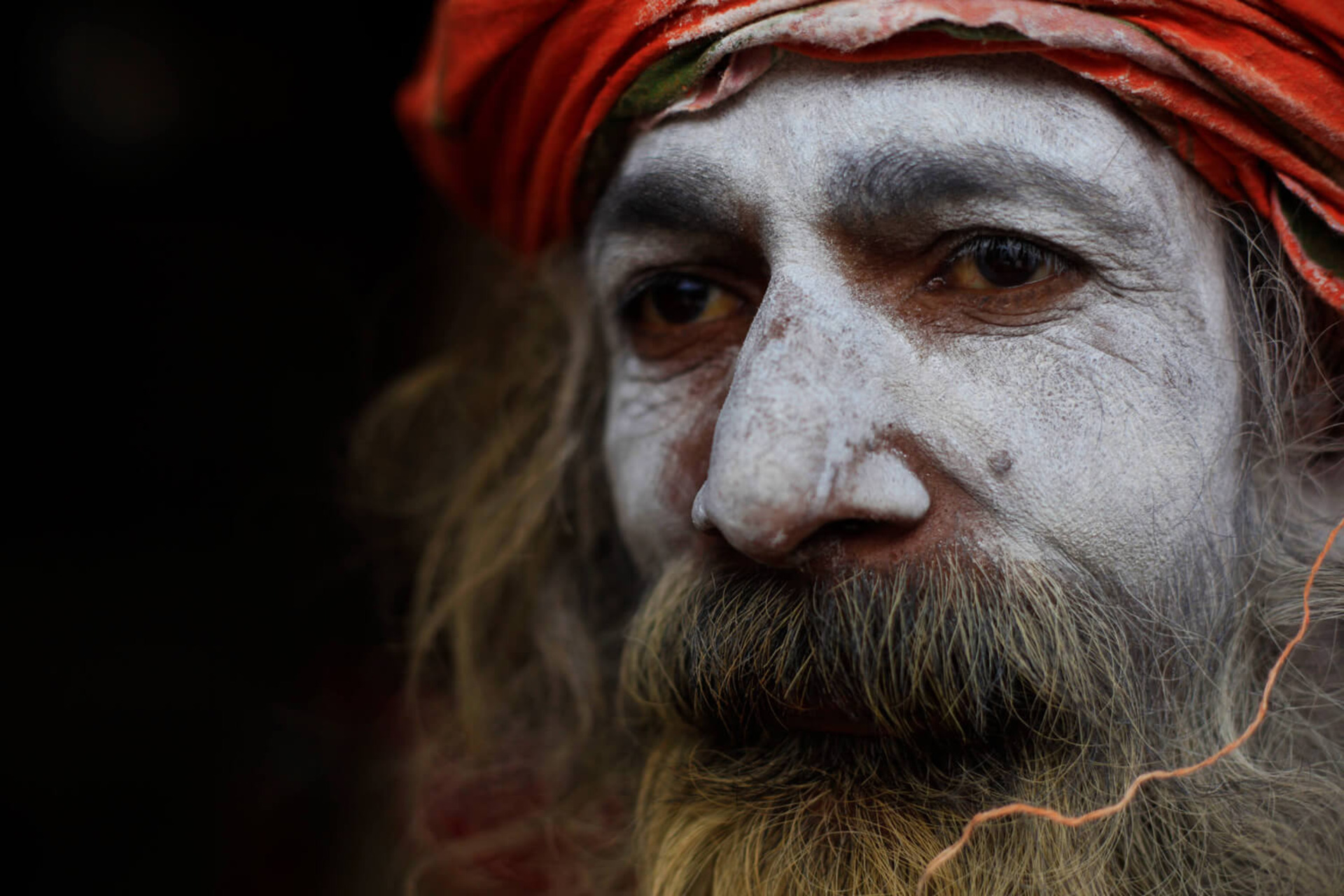
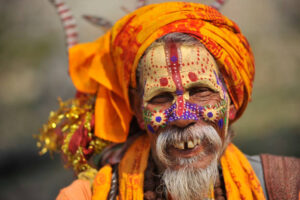
Ash-smeared sadhus
Naga Babas (naked ascetics)
Devotional music and bhajans
Sacred fire rituals
Continuous chanting of “Om Namah Shivaya.”
How Devotees Celebrate Maha Shivaratri
Here are the main rituals observed:
Fasting (Shivaratri Vrat)
Devotees observe strict fasting, which may include:
Nirjala (no food, no water)
Phalahari (fruits and milk)
Water-only fasting
Temple Visits & Abhishek
Devotees perform ritual bathing of the Shiva Lingam with:
Milk
Honey
Ghee
Water
Bel (Bilva) leaves
Dhatura flowers
Night Vigil (Jagran)
Many stay awake all night chanting, meditating, and reading the Shiva Purana.
Charity & Seva
Food and clothing are donated to the needy, as charity on this day is considered highly auspicious.
Special Experiences for Tourists in Nepal
If you are visiting Nepal during Maha Shivaratri 2026, here’s how you can experience it fully:
1. Attend Sandhya Aarati
Held along the Bagmati River near Pashupatinath Temple, this evening ritual includes:
Oil lamps
Hymns
Mantra chanting
Classical devotional music
The atmosphere on Shivaratri night is truly magical.
2. Witness the Sadhus
Thousands of holy men gather, especially the Naga Babas, covered in ash. Always ask permission before taking photos.
3. Meditate All Night
Many believe the planetary alignment on this night supports deeper meditation and spiritual growth.
Is Maha Shivaratri a Public Holiday in Nepal?
Yes. Maha Shivaratri is a national public holiday in Nepal. Schools, government offices, and many businesses remain closed. The festival is especially significant because of the presence of Pashupatinath Temple, one of the holiest Shiva shrines in the world.
Each location offers a unique spiritual atmosphere.
Shivaratri Roadblocks – A Unique Nepali Tradition
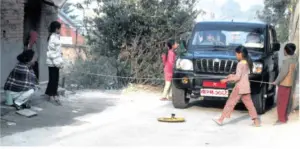
One fascinating aspect of Shivaratri in Nepal is the playful roadblocks created by local children. Using ropes or sticks, they stop vehicles and request small donations.
This long-standing tradition is seen as:
A form of festive fun
A way to collect money for temple offerings
A community bonding activity
Most locals happily participate in this cultural custom.
Shivaratri vs. Maha Shivaratri: What’s the Difference?
Shivaratri
Maha Shivaratri
Occurs monthly
Occurs once a year
Smaller observance
Grand spiritual festival
Marks Shiva’s monthly worship
Celebrates Shiva’s cosmic power, marriage, and divine acts
Why Do People Stay Awake?
Staying awake symbolizes heightened awareness and spiritual alertness. Devotees believe the night carries powerful cosmic energy, making meditation more effective.
Maha Shivaratri Wishes for 2026
May Lord Shiva bless you with strength, wisdom, and peace this Maha Shivaratri.
Har Har Mahadev! May your life be filled with divine protection and positivity.
May the chant of Om Namah Shivaya bring clarity and happiness to your soul.
On this sacred night, may all negativity be destroyed and new beginnings arise.
Final Thoughts
Maha Shivaratri in Nepal is not just a religious event; it is a night of deep transformation. Whether you are a devotee, spiritual seeker, or traveler, experiencing Maha Shivaratri at Pashupatinath Temple is unforgettable.
It is a night where devotion meets discipline, silence meets sound, and faith meets fire.
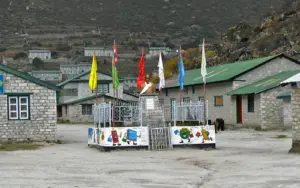
The prayer flags flutter against impossible blue skies, their faded colors whispering mantras across the valley. Below them, stone houses with bright window frames nestle into the mountainside at 3,790 meters, while yak bells echo through narrow lanes that have known centuries of footsteps. This is Khumjung Village. A place where the Himalayas feel less like a backdrop and more like family.
Most trekkers rushing toward Everest Base Camp glimpse Khumjung from the trail above Namche Bazaar and keep walking. What they miss is one of the most authentic Sherpa villages in the Everest region, where children still speak their mother tongue in the schoolyard, where monasteries hold secrets older than mountaineering, and where the rhythm of life hasn’t been entirely reshaped by tourism.
I’ve returned to Khumjung three times now, and each visit peels back another layer of understanding about what makes this village extraordinary.
A Village Carved From Sacred Ground
Khumjung, Nepal, sits in a natural amphitheater beneath the towering presence of Khumbila, a mountain so sacred that climbing it remains forbidden. The Sherpa people believe this peak is the abode of a guardian deity, and this spiritual geography has shaped everything about how Khumjung developed.
The village traces its roots back over 500 years, established by Sherpa families migrating from the Kham region of Tibet. Unlike the newer settlement of Namche Bazaar, which grew around trade routes, Khumjung was always meant to be home. A place for farming, for families, for permanence.
Walking through the village today, you can still see this in the architecture. The traditional stone houses aren’t built for tourists. They’re built for winter winds that could knock you off your feet, for storing potatoes harvested from impossibly steep terraced fields, for housing extended families under one smoke- darkened timber roof.
Life at 12,400 Feet: The Real Sherpa Story
There’s a tendency to romanticize Sherpa culture, to reduce it to colorful prayer flags and friendly smiles. But spending time in Khumjung reveals something far more compelling. A community that has mastered one of Earth’s harshest environments through ingenuity, cooperation, and profound environmental wisdom.
The Sherpa village in Everest’s Khumjung maintains traditions that are slowly fading elsewhere. Women still gather to brew chang (barley beer) in massive copper pots. Families rotate grazing their yaks and dzos through high pastures using centuries-old agreements about whose turn it is. Elders gather at the village’s central chorten each morning to walk their devotional circuits.
Yet this isn’t a museum. Young people video-call relatives working in Kathmandu. Solar panels power WiFi routers. The same grandmother who spins prayer wheels with wrinkled hands also checks the weather forecast on her smartphone before deciding whether to take the yaks up-valley.
This blend makes Khumjung fascinating. It’s a living culture making deliberate choices about what to preserve and what to adapt.
Khumjung Monastery and the Legendary Yeti Scalp
The Khumjung Monastery stands as the spiritual heart of the village, its whitewashed walls bright against the mountain slopes. Built in the 1960s with support from Sir Edmund Hillary, the monastery replaced an older structure and became home to one of the region’s most intriguing artifacts.
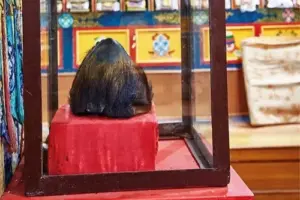
Inside a locked glass case sits what the monks claim is a Yeti scalp. A reddish- brown, furry dome that has sparked debate for decades. Edmund Hillary himself borrowed it in 1960, taking it to scientific institutions for analysis. The results were inconclusive. Some suggested it was made from Himalayan serow hide; others found it genuinely puzzling.
Standing before this artifact, watching the butter lamp flames flicker across its surface, you realize the Yeti legend matters less for what it proves and more for what it reveals about the Sherpa relationship with these mountains. The Himalayas remain wild enough, mysterious enough, that even in our age of satellite mapping and DNA analysis, they hold space for wonder.
The monastery also houses ancient Buddhist texts and thangka paintings, some centuries old. During festivals like Mani Rimdu, the courtyard explodes with color as masked dancers perform sacred dramas that have been passed down through generations.
The Hillary School: Education That Changed Everything
Perhaps no single structure has impacted Khumjung more than the Khumjung Hillary School, the first of 27 schools Edmund Hillary built in the Solu-Khumbu region. Established in 1961, this wasn’t just about literacy. It was about giving Sherpa children opportunities their parents never had.
Before Hillary’s schools, education meant sending children to distant monasteries or doing without. The Khumjung school changed that calculation entirely. Today, Khumjung has produced doctors, engineers, government officials, and successful business owners. Many of whom return to contribute to their home village.
The school building sits on a slight rise, its blue-trimmed windows overlooking potato fields and prayer flag lines. On any school day, you’ll hear the sound of children reciting lessons in Nepali and English, their voices carrying across the valley.
What strikes me most is how the school represents sustainable development done right. Hillary didn’t impose outside values; he worked with community leaders to create something that served Sherpa aspirations. The result is a village that can engage with the modern world without losing its foundation.
When the Mountains Show Their Best Face
The best time to visit Khumjung Village follows the same patterns that govern all Everest region trekking: spring (March-May) and autumn (September-November) offer the most reliable weather and clearest mountain views.
Spring brings rhododendron blooms to the lower valleys, painting entire hillsides in shades of red and pink. The weather warms enough that sitting outside a teahouse feels pleasant rather than punishing. You might catch the monastery’s spring festivals, when the entire community gathers for ceremonies and celebrations.
Autumn is trekking season proper. The post-monsoon air scrubs the atmosphere clean, leaving visibility so sharp that Everest, Lhotse, and Ama Dablam seem close enough to touch. The potato harvest happens in October, and if you’re lucky, you might be invited to help with backbreaking work that gives you profound respect for high-altitude farming.
Winter (December-February) sees fewer trekkers but offers its own stark beauty. Snow transforms Khumjung into a monochrome study in white and shadow. It’s bitterly cold, and many lodges close, but the village life continues with a different rhythm.
Summer monsoon (June-August) is generally avoided due to clouds, leeches on lower trails, and flight cancellations. But if you can handle uncertainty, you’ll have the trails nearly to yourself.
Trails That Connect More Than Places
Reaching Khumjung Village requires flying to Lukla’s famously dramatic airport, then trekking for two days. Most people spend their first night in Phakding or Monjo, then push up to Namche Bazaar. From Namche, Khumjung is just an hour’s walk. It’s close enough for a day visit, but worthy of at least one overnight.
The village sits along several classic Everest trekking routes. Many itineraries include Khumjung as an acclimatization stop before heading higher toward Tengboche or Dingboche. The nearby village of Khunde, just fifteen minutes away, forms a twin settlement with its own hospital (also built by Hillary).
For those seeking less-traveled paths, Khumjung serves as a gateway to Gokyo Valley via the high route over Mong La pass. This trail sees far fewer trekkers than the standard Everest Base Camp route, yet offers equally spectacular scenery.
The village’s location also makes it perfect for acclimatization hikes. The climb to Syangboche airstrip and beyond to Everest View Hotel provides stunning panoramas while helping your body adjust to altitude.
Why Khumjung Isn’t Namche (And Why That Matters)
Namche Bazaar, just below Khumjung, has transformed into the Everest region’s commercial hub, a place of bakeries, gear shops, Irish pubs, and ATMs. There’s nothing wrong with Namche; it serves a vital function for trekkers and has brought prosperity to many families. But Khumjung offers something different. It remains primarily a village where people live, not a town that exists primarily for visitors. Yes, there are lodges and teahouses, but they’re usually family homes that happen to rent rooms. The woman serving you dal bhat is also preparing the same meal for her children. The man tending the potato fields isn’t performing culture for tourists—he’s doing the work that feeds his family through winter.
This distinction creates a different quality of experience. Conversations happen more naturally. You’re invited to join a family for butter tea, not as a tourist attraction, but because Sherpa hospitality runs deep. Children approach out of genuine curiosity rather than to sell postcards.
Treading Lightly in Thin Air
The Everest region faces real environmental pressures. More trekkers mean more waste, more firewood consumption, and more erosion. Khumjung has been relatively protected by its position slightly off the main trail, but that protection only holds if visitors make conscious choices.
Sustainable tourism here means simple but important actions. Choose lodges that use solar heating rather than burning scarce firewood. Carry a reusable water bottle and use the village’s water purification stations instead of buying plastic. Say no to the hot shower that requires burning yak dung or wood.
It means respecting photography boundaries as not every moment needs to be captured, and people aren’t decorative elements in your Instagram feed. Ask before photographing individuals, and accept if someone declines.
Most importantly, it means spending money directly in the community. Sleep in locally owned lodges. Buy snacks from village shops rather than carrying everything from Kathmandu. If you purchase a locally woven carpet or traditional textile, you’re supporting artisans keeping traditional skills alive.
The Khumjung community has shown remarkable stewardship of its environment and culture. The least we can do is travel in ways that support rather than undermine those efforts.
Mountains That Become Part of You
I’ve spent time in many Himalayan villages, chasing the perfect view or the most dramatic landscape. But Khumjung taught me that the most powerful travel experiences come not from what you see but from what you begin to understand.
Standing in a potato field with a Sherpa farmer who patiently explained the challenges of growing crops at this altitude, I understood something about resilience that no motivational quote could teach. Watching monks debate Buddhist philosophy in the monastery courtyard, their laughter punctuating serious points, I glimpsed how joy and discipline can coexist.
Khumjung Village in the Everest region isn’t the highest settlement, the most dramatic viewpoint, or the easiest place to reach. But it might be the most honest. A place where the layers of history, culture, spirituality, and daily survival interweave so completely that you can’t separate them.
The mountains here don’t just form a backdrop. They shape how people think, what they value, how they measure success, and honor their ancestors. And for a few days, if you’re paying attention, they can shape you too.
That’s why I keep returning. And why, if you make it to Khumjung, you’ll understand why some places aren’t just destinations. They’re destinations that become part of your own story.
Nepal’s Greatest Festival and the Journey That Defines a Nation
There are festivals, and then there are forces of nature. Dashain, Nepal’s grandest and most deeply felt celebration, belongs firmly in the second category. It does not simply happen to you. It absorbs you, reshapes you, and sends you home changed in ways you will spend months trying to articulate to people who were not there.
The moment you land in Kathmandu in the weeks leading up to Dashain, you feel it. The streets hum with a particular electricity. Shops overflow with bolts of new fabric, towers of sweets wrapped in cellophane, and the sharp green scent of fresh jamara trays sitting in temple courtyards. Kites loop and dive overhead. Children sprint barefoot across rooftops. And everywhere, absolutely everywhere, there is the sound of drums.
For fifteen days every October, Nepal exhales. The relentless mountain pace of Kathmandu, the dusty commerce of Pokhara, the quiet dignity of village life in the hills, all of it pauses, breathes out, and becomes something softer, warmer, and more whole.
What Exactly Is Dashain?
Before you pack your bags and book your flights, it helps to understand what you are actually walking into. Dashain is not simply a holiday in the Western sense of the word. It is not a long weekend or a national day of rest. It is a living, breathing, fifteen-day spiritual and cultural event that tells the story of the goddess Durga’s victory over the buffalo demon Mahishasura. It is a story of light over darkness, of good prevailing against evil, of the divine feminine protecting the world from destruction.
The mythology is ancient, drawn from the Sanskrit text Devi Mahatmya, but in Nepal it has been woven so completely into daily life that separating the sacred from the social has become nearly impossible. You will see devout grandmothers offering marigolds at Durga shrines at dawn, and you will see teenagers gambling enthusiastically at card tables in the same courtyard by nightfall. Both acts belong to Dashain. Neither one is a contradiction.
The festival falls during the bright fortnight of the Hindu month of Ashwin, which typically lands in late September or early October on the Western calendar. The precise dates shift each year slightly according to the lunar calendar, so always check before planning your trip.
Dashain does not ask for your belief. It only asks for your presence.
The Fifteen Days: A Story Told in Rituals
Ghatasthapana: The Planting of Intention
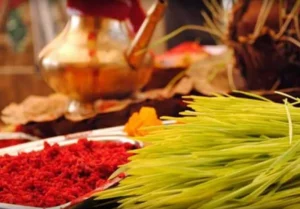
Everything begins quietly. On the first day of Dashain, known as Ghatasthapana, families gather at the puja room of their homes and plant barley seeds in a bed of sacred sand. These seeds, nurtured in darkness over the following nine days, will grow into jamara, the golden shoots of grass that will eventually be placed behind the ears of children and grandchildren as a blessing from elders.
There is something profoundly moving about this opening act. A whole nation begins the same ritual on the same morning, planting the same seeds, whispering the same prayers. If you happen to be staying with a Nepali family, or if you are lucky enough to be invited into someone’s home, this is worth waking up early for.
The Nine Nights of Navaratri
The days between Ghatasthapana and the climactic final act belong to Navaratri, the nine nights dedicated to worshipping the nine manifestations of the goddess Durga. While this is observed with greater visible public spectacle in India, in Nepal, it carries a quieter intensity. Temples fill with worshippers. Goats and chickens are offered at shrines. The smell of incense thickens in the air around Kathmandu’s old city neighborhoods.
For travelers, these mid-festival days are golden. The tourist crowds have thinned because most visitors do not realize that the real magic is happening right now, in the streets and courtyards, not just on Vijaya Dashami. Wander through Asan, Indra Chowk, or the narrow lanes around Kumari Chowk in Kathmandu’s Durbar Square. Stand still. Watch. You will see things that will stay with you.
Phulpati: The Flowers Arrive
On the seventh day, a royal procession traditionally brings sacred flowers, leaves, and plants from Gorkha, the ancestral home of Nepal’s Shah dynasty, to the Hanuman Dhoka palace in Kathmandu. Military bands, traditional music, and a tremendous ceremony accompany the procession. Even in the post-monarchy era, this ritual continues as a proud expression of national identity.
The word Phulpati literally means ‘sacred flowers and plants,’ and the day marks the beginning of the festival’s final and most intense phase. Streets grow louder. Families begin gathering. The kitchen fires burn longer and hotter.
Maha Ashtami and Maha Navami: The Great Sacrifices
The eighth and ninth days are solemn and, for first-time visitors, potentially startling. Animal sacrifices are performed at Durga temples across the country in honor of the goddess. The most dramatic of these take place at Kot Square near Hanuman Dhoka in Kathmandu and at the Taleju Temple, where hundreds of animals may be offered.
This is not something Nepal conceals or apologizes for. The sacrifice is considered an act of deep devotion, a recognition that life itself is sacred, and that offering life to the goddess is the highest form of gratitude. Travelers who are sensitive to this should plan their routes accordingly on these days. Those who approach it with an open and respectful mind will witness a ritual that has remained essentially unchanged for centuries.
Maha Navami also sees the worship of vehicles, tools, and machines. Trucks, buses, motorcycles, and even office computers are blessed, garlanded, and given a day of rest. You will see garlands of marigolds hanging from the mirrors of every taxi in Kathmandu, and you will understand that in Nepal, everything that sustains life is considered worthy of gratitude.
Vijaya Dashami: The Day the World Stands Still
If you could only be in Nepal for one day during Dashain, it would have to be Vijaya Dashami, the tenth and most sacred day of the festival. The name means ‘the tenth day of victory,’ and the entire country treats it as such.
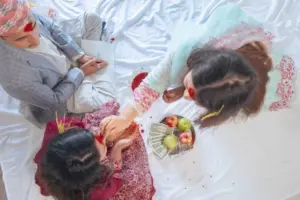
On this morning, families gather in their homes and elders bless the younger members of the family. The ceremony is called Tika, and it is more than a symbolic gesture. The elder dips their right thumb into a thick paste of red vermilion, yogurt, and rice and places it on the forehead of each family member, along with strands of golden jamara grass tucked above the ear. Along with this blessing come words: prayers for long life, good health, prosperity, and protection.
Watching this happen in a Nepali household is one of the most quietly beautiful experiences available to a traveler in Asia. There is no performance in it. The grandmother who blesses her youngest grandchild with the same words her grandmother used is simply being herself, being part of a chain of love and ritual that stretches back further than anyone in the room can name.
The tika mark on a Nepali forehead is not a decoration. It is a promise from the old to the young, from the living to the living.
Kojagrat Purnima: The Final Full Moon
The festival closes on the fifteenth day with Kojagrat Purnima, the full moon night on which the goddess Laxmi is said to roam the earth asking, ‘Ko jagrat?’ meaning ‘Who is awake?’ Families stay up through the night, leaving lamps burning in every window, playing cards, singing, eating, and welcoming the goddess of prosperity into their homes.
By this point, if you have traveled through the full arc of Dashain, you will understand why Nepali people talk about this festival the way others talk about returning to childhood. It is, at its core, about homecoming.
The Great Homecoming: Nepal in Motion
Perhaps the single most astonishing thing about Dashain, from a purely logistical standpoint, is the mass migration it triggers. In the weeks before the festival, Nepal undergoes a transformation that has no equivalent in most Western countries. Every bus station becomes a sea of bodies. Every road becomes a river of people flowing away from the cities and toward the villages.
Young men who have spent months working construction in Kathmandu or Qatar load up their luggage and head home to Sindhupalchowk. Women working in garment factories in the Terai buy new sarees and board night buses to their hill villages. Students put away their textbooks and climb into shared jeeps heading toward Solukhumbu, Baglung, or Humla. The entire country seems to move at once, and the energy of it is staggering.
For travelers, this creates a specific set of challenges and rewards. The challenges are real: flights within Nepal book up weeks in advance, and prices spike sharply. Long-distance buses sell out. Roads that were manageable in September become clogged with traffic heading in every direction. If you are trying to get from Pokhara to Kathmandu on Vijaya Dashami itself, you might want to build in an extra day on either side of your plan.
But the rewards are equally real. Sharing a crowded bus with a family going home for Dashain is one of the most human travel experiences you can have in Nepal. You will be offered a sel roti from someone’s tiffin box before you have exchanged names. You will hold someone’s sleeping toddler while the mother manages the luggage. You will arrive at your destination knowing something essential about the country that no guidebook can teach you.
Practical Planning: Timing Your Travel Right
Book early. Kathmandu to Pokhara flights and any domestic routes fill up 4 to 6 weeks before Vijaya Dashami. Book the moment dates are confirmed on the lunar calendar.
Travel before the rush. Arriving in Nepal 5 to 7 days before Vijaya Dashami means you catch all the build-up energy without fighting the homecoming crowds at bus parks.
Stay flexible. Businesses close without warning during the final days. Plan to explore, but do not depend on scheduled activities on Maha Ashtami, Maha Navami, or Vijaya Dashami itself.
Go local. If you have any contact at all with a Nepali family who might invite you to share Tika day, accept without hesitation. This is the experience of a lifetime.
Carry cash. Banks and ATMs run dry in the days just before Vijaya Dashami. Withdraw more than you think you will need at least four days in advance.
Pack for the ceremony. Dress respectfully when visiting temples or attending Tika ceremonies. Modest, non-revealing clothing in warm colors is ideal. Red and saffron are especially welcome.
Where to Be: The Best Places to Experience Dashain
Kathmandu: The Grand Stage
The capital city transforms during Dashain in ways that must be seen to be believed. The Thamel tourist district, usually so relentlessly commercial, takes on a warmer and more domestic character as even the shopkeepers begin to close up early and think about home. The real life of Dashain in Kathmandu happens in the older neighborhoods: Kirtipur, Bhaktapur, Patan, and the lanes around Indra Chowk and Ason.
Bhaktapur, the medieval city of devotees, is especially extraordinary during Dashain. The Durga shrines in Taumadhi Square and Dattatreya Square are illuminated and garlanded. The smell of incense is so dense on some evenings that it becomes a physical presence. The old brick courtyards that were already among the most atmospheric places in Asia become something else entirely, something harder to name but impossible to forget.
Pokhara: The Festival by the Lake
Pokhara during Dashain has a different character from Kathmandu. The lake city is more spread out, more relaxed, and the festival here feels more like a long, gentle exhale. Families gather on the lakeside in the evenings. Young people fly kites from the hillsides above Phewa Lake with the Annapurna range looming white and enormous behind them.
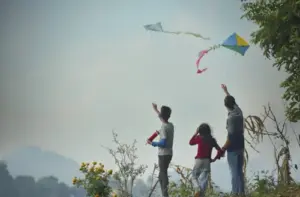
The kite flying tradition deserves its own paragraph. Across Nepal, Dashain is kite season, and in Pokhara, the views are extraordinary. Hundreds of kites fill the sky on the best afternoons, and there is an informal but real competitive spirit to the kite battles, where fliers try to cut each other’s strings using ground glass-coated kite thread called maanja. Watching this from a rooftop cafe by the lake, with a cup of butter tea warming your hands and the mountains turning pink at sunset, is one of the finest pleasures Nepal offers.
The Hill Villages: Dashain at Its Most Authentic
If you genuinely want to understand what Dashain means to Nepal, leave the cities. Find your way to a mid-hill village in Gorkha, Lamjung, Kaski, or Palpa. Rent a room in a homestay. Offer to help with whatever is happening in the kitchen. Sit with the family in the evenings and listen to the older people talk, even if you do not understand a word.
In the villages, Dashain is not a spectacle. It is simply life doing what life does when it is at its most alive. The goat that has been fattened since Teej is given its final offering of fresh grass. The youngest daughter, who left for Kathmandu in February, comes back through the door with a bag full of presents and fills the house with her laughter. The grandfather, who is too old to stand for long, blesses his grandchildren from his wooden chair in the courtyard, pressing the tika onto their foreheads with a thumb that has been doing this for sixty years.
This is Dashain at its truest. Not a destination. A homecoming.
The Table Is Always Full: Food During Dashain
Do not come to Nepal during Dashain on a diet. This is not the time. The kitchens of Nepal during these fifteen days produce food with a particular generosity, a particular pride, that you will not find at any other point in the year. The cooking is not about restaurant presentations or careful plating. It is about abundance, about feeding as many people as walk through the door, about the radical hospitality that Nepali culture wears as naturally as skin.
Sel Roti
The queen of Dashain food is sel roti, the ring-shaped rice flour bread that is fried in ghee until it is crisp and golden on the outside and soft within. Every household has its own recipe, its own slight variations in the proportion of sugar, the thinness of the batter, the temperature of the oil. Grandmothers guard these differences jealously. You will eat sel roti from a street vendor, from a homestay breakfast table, from a paper bag handed to you on a bus, and each one will taste slightly different and slightly better than the last.
Meat, Blessed and Eaten
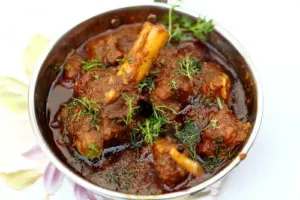
Dashain is emphatically not a time for vegetarians. The festival coincides with the blessing and sacrifice of goats, buffalo, ducks, and chickens, and much of this meat finds its way into enormous communal meals. Mutton curry slow-cooked with Nepali spices, buff (water buffalo) tarkari, chicken prepared a dozen different ways, marinated and grilled offal served with beaten rice and homemade achar, the meat dishes of Dashain are extraordinary.
If you eat meat and you find yourself at a Dashain feast, eat what you are given. Ask what it is after you have already enjoyed it. You will rarely be disappointed.
The Drinks
Raksi, the traditional homemade grain alcohol, flows more freely during Dashain than at any other time of year. It is rough, warming, and deeply cultural. Tongba, the fermented millet drink of the eastern hills, makes an appearance at some tables. Locally brewed Nepali beer and the ever-present milk tea keep everyone going between meals.
At some households, particularly in the Newar community of the Kathmandu Valley, you may be offered Newari feasts called samay baji, a ritual spread of beaten rice, roasted soybeans, ginger, meat, boiled eggs, and fermented vegetables, arranged in a specific traditional order that has not changed in several hundred years. If this is offered to you, you are genuinely honored. Eat accordingly.
In Nepal, during Dashain, a full stomach is an act of love given and received.
The Sounds and Sights: What Dashain Feels Like
No amount of writing fully prepares you for the sensory experience of Dashain in Nepal. But let me try to put some of it into words, because the details matter.
The marigolds. Nepal during Dashain is buried in marigolds. They hang in thick golden garlands from every doorway, drape over temple gates, float in brass water vessels, and pile up in fragrant heaps at market stalls. The orange and gold of the marigolds against the red brick of Kathmandu’s old buildings creates a color combination that belongs only to Nepal and only to this time of year.
The drums. The Panchai Baja, the ensemble of five traditional instruments, plays at temples and in processions throughout the festival. The dhol drum, the tyamko kettledrum, the pung, the karnal horn, and the jhurma cymbal create a sound that is simultaneously ancient and utterly alive. You feel it in your chest before you hear it properly with your ears.
The kites. Look up at any point during the ten days before Vijaya Dashami, and the sky over any Nepali city or town will be decorated with kites in every color, from handmade paper diamonds to elaborate store-bought creations. The kite season is so specifically associated with Dashain that children start asking about it in August, and the rooftops of Kathmandu fill with kite fliers the moment school lets out.
The new clothes. On Vijaya Dashami morning, Nepal puts on its best. New salwar kameez in warm jewel tones. Crisp shirts on young men who are usually indifferent to their appearance. Children in their finest, wriggling impatiently while elders apply tika. The visual effect of a whole country wearing new clothes simultaneously is something between a carnival and a wedding, and the pride in it is completely genuine.
The tikka lines. On Vijaya Dashami and the days that follow, go anywhere in Nepal, and you will see the dark red mark of the tika on almost every forehead you pass. On older people, it is large and bold, applied by a steady hand. On children, it sometimes wanders a little sideways, applied in haste by an indulgent grandparent. On young adults in their new clothes, it sits precisely between the eyebrows like a declaration. This small mark, seen everywhere, on every face, creates a visible sense of shared identity that is one of the most moving things a traveler can witness.
For the Traveler With Respect: How to Move Through Dashain
Dashain is one of the most welcoming festivals in the world for outsiders. Nepali people are genuinely pleased when foreigners show interest in and respect for their traditions. You will not be turned away from most public celebrations. You will be invited into conversations, offered food, and asked to join in things you did not expect.
But respectful travel during a sacred festival requires some awareness.
Ask before photographing. The ritual moments of Dashain, the tika ceremonies, the animal sacrifices, and the temple prayers are not performances arranged for your camera. They are real and sacred to the people involved. Always ask before pointing a lens at someone in a private or devotional moment. Most people will say yes. The act of asking changes the interaction from extraction to connection.
Take your shoes off. At every temple, shrine, or private home where a puja is taking place, shoes come off at the threshold. Do this without being asked, and you will immediately communicate that you understand the basic grammar of respect.
Accept what is offered. In Nepali culture, refusing offered food or drink is a significant social gesture, and not usually in the direction you intend. If a family offers you sel roti or tea or a portion of the Dashain feast, accept with both hands and a namaste. You can eat as little as you need to, but the acceptance itself is what matters.
Learn five words. Namaste. Dhanyabad (thank you). Dashain ko Shubhakamana (Happy Dashain wishes). These small investments in the local language will open more doors and generate more warmth than any amount of money or clever planning.
The traveler who comes to Nepal during Dashain not to observe but to participate will find that the festival opens itself like a door.
Beyond the Celebration: What Dashain Teaches
There is a moment, somewhere in the middle of Dashain, when the festival stops being something you are watching and becomes something you are inside. It might happen when a stranger presses tika onto your forehead with the same loving authority they use with their own grandchildren. It might happen when you are sitting on a rooftop watching the kites at sunset, and you realize that the child next to you has been teaching you to fly yours for twenty minutes, and neither of you has needed a shared language to manage it. It might happen when the drums start up in the lane below, and your feet begin to move before your brain has caught up.
What Dashain teaches, if you let it, is something that modern travel has largely forgotten how to offer. It teaches that belonging is not a condition of birth, passport, or language. It is a choice made in the body, in the moment, in the willingness to sit down at someone else’s table and eat what they have cooked.
Nepal is, at its core, a country that has made peace with the colossal and the intimate existing side by side. The highest mountains on earth loom over villages where women grind spices by hand. Ancient temples stand three feet from mobile phone repair shops. And Dashain, the greatest festival this country has, contains all of that within itself: the mythological and the mundane, the sacred and the gloriously ordinary, the grandmother’s blessing and the teenager’s kite string, all woven together into something that is unmistakably, irreducibly alive.
Come to Nepal during Dashain. Come open. Come hungry. Come willing to let the festival teach you something about celebration that you may not have known you were missing.
Dashain ko Shubhakamana.
Essential Travel Notes for Dashain
Best time to arrive: 7 to 10 days before Vijaya Dashami, to experience the full build-up.
Best cities to base yourself in: Kathmandu (for grandeur and history), Pokhara (for natural beauty and a relaxed atmosphere), Bhaktapur (for the most intact traditional Dashain experience).
Transport warnings: Domestic flights and long-distance buses book up fast. Reserve all transportation at least 4 weeks in advance.
What to bring: Modest, warm-toned clothing. A small gift, such as sweets or fruit, if you are visiting a home. An open mind, always.
What not to bring: Assumptions. Dashain will surprise you every single day.
Weather in October: Generally excellent in the Kathmandu Valley and the middle hills. Clear skies, mild temperatures, and the famous post-monsoon mountain visibility that makes the Himalayas look close enough to touch.
Budget note: Accommodation prices in popular tourist areas rise during Dashain. Hotels in Kathmandu and Pokhara can cost 20 to 40 percent more than usual. Book early and ask about Dashain rates specifically.
This guide to the Top 10 must visit Place in Nepal will help you explore the country’s most incredible destinations. This guide to the Top 10 Must Visit Place in Nepal will help you explore the country’s most breathtaking destinations and hidden gems.
Why Nepal Belongs on Every Traveler’s List
There is a moment that happens to almost every traveler who sets foot in Nepal. It usually strikes somewhere unexpected, perhaps mid-bite of a steaming bowl of dal bhat after a long day on the trail, or during a quiet sunrise when the first golden light spills across the Himalayan peaks and the world goes completely, breathlessly still. The moment is simple: you realize this place is unlike anywhere else on earth.
Nepal is a country of staggering contrasts. Eight of the world’s fourteen peaks above 8,000 meters stand here, including the undisputed king of them all, Mount Everest. And yet, just hours south, the subtropical lowlands of the Terai shelter one-horned rhinoceroses and Bengal tigers in dense, riverine forests. Sacred Hindu shrines stand a stone’s throw from ancient Buddhist stupas. A medieval cobblestone alley in Bhaktapur can lead you, without warning, into a courtyard that has barely changed since the fifteenth century.
This is not a destination you merely visit. It is one you absorb. This guide to the Top 10 Must Visit Place in Nepal highlights the most unforgettable destinations across the country. The ten places collected in this guide each offer something distinct, and together they tell the full story of one of the most fascinating countries on the planet. Whether you are a first-time visitor lacing up your trekking boots, a culture seeker wandering through courtyard after courtyard of intricate woodwork, or simply someone who wants to sit by a lake and watch the mountains reflect on still water, Nepal has prepared something remarkable for you.
Travelers searching for the Top 10 Must Visit Place in Nepal will find this guide especially helpful for planning their journey.
1. Kathmandu Valley
Where gods and mortals have shared the same streets for two thousand years
You land at Tribhuvan International Airport, and immediately the city begins its negotiations with your senses. The air carries woodsmoke and incense, marigold garlands, and roasted corn. Motorbikes weave through narrow lanes. Temple bells ring somewhere nearby. Kathmandu does not ease you in gently. It simply begins.
The valley is home to seven UNESCO World Heritage Sites, a density of cultural treasure that rivals anywhere on earth. Swayambhunath, the Monkey Temple, watches over the city from its hilltop perch, its all-seeing eyes painted beneath the gilded spire unchanged for centuries. Boudhanath, one of the largest Buddhist stupas in the world, draws pilgrims who circle clockwise in a slow, meditative procession that has repeated itself daily for generations. At Pashupatinath, the sacred ghats along the Bagmati River host cremation ceremonies that are not hidden away or sanitized but openly visible, a reminder that here, the cycle of life and death is honored, not feared.
The durbar squares of Kathmandu, Patan, and Bhaktapur reveal the extraordinary skill of Newar craftsmen across multiple dynasties. Intricately carved wooden windows, peacock-shaped fountains, and tiered pagodas demonstrate a level of artistic ambition that still astonishes architects and historians who study them today. Patan Durbar Square in particular has a quality of refined elegance that many visitors describe as the finest square in all of Asia.
Kathmandu remains one of the key highlights in the Top 10 Must Visit Place in Nepal due to its cultural and spiritual depth. Kathmandu is also a city very much alive in the present. Thamel thrums with guesthouses, gear shops, rooftop cafes, and the meeting of travelers from every corner of the world. Asan Tole market overflows with spices, textiles, and locals doing exactly what they always do, which is also exactly what makes it worth watching.
Traveler’s Tip: Spend at least three full days in the valley. Morning light at Boudhanath before the crowds arrive is something close to magic. Hire a local guide for the durbar squares because the stories behind the carvings are as rich as the carvings themselves.
The capital region remains one of the Top 10 Must Visit Place in Nepal due to its rich cultural heritage.
2. Pokhara
A lakeside city that holds the Annapurna range like a mirror holds the sky
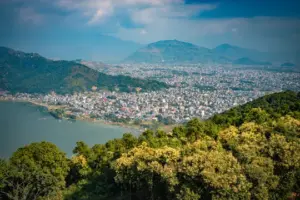
Pokhara is one of the Top 10 must visit place in Nepal for travelers seeking relaxation. There is a good reason that nearly every traveler who visits Nepal eventually finds their way to Pokhara, and an equally good reason that many of them never quite manage to leave on schedule. The city sits beside Phewa Lake at an altitude of around 800 meters, and on a clear day, the entire Annapurna Massif appears across the water as though someone placed the most dramatic backdrop in the world just outside your window.
Pokhara operates at a pace entirely its own. It is no surprise that Pokhara is included in the Top 10 Must Visit Place in Nepal for most travelers. The lakeside promenade, lined with cafes and small boats for hire, invites the kind of unhurried afternoon that travelers rarely allow themselves. You rent a rowing boat, drift toward the island temple at the center of the lake, listen to the mountains, and somehow an hour disappears. This happens repeatedly.
For those who want more active engagement, the options are extraordinary. Pokhara serves as the gateway to the Annapurna Conservation Area, a launching point for both the Annapurna Circuit and the trek to Annapurna Base Camp. Paragliders launch daily from Sarangkot and glide above the lake for thirty minutes to an hour of uninterrupted Himalayan views. White water rafting on the Seti and Kali Gandaki rivers draws serious paddlers. The World Peace Pagoda above the lake offers a peaceful walk and a panorama that resets whatever stress you arrived with.
The city has also developed a genuinely excellent food and cafe culture. You can eat Newari cuisine, Israeli food, Italian pasta, or Tibetan thukpa within the same block. The coffee is better than you expect, and the lakeside sunset, accompanied by a warm drink and that mountain silhouette, is the kind of scene that fills memory cards and, more importantly, actual memories.
Traveler’s Tip: Sarangkot at sunrise is unmissable. Wake at 4:30 am, take a taxi to the viewpoint, and watch Machhapuchhre (Fish Tail Mountain) turn from grey to gold to brilliant pink. It is disorienting in the best possible way.
Pokhara easily ranks among the Top 10 Must Visit Place in Nepal for its relaxing lakeside atmosphere.
3. Everest Base Camp
The trek that rewires you completely
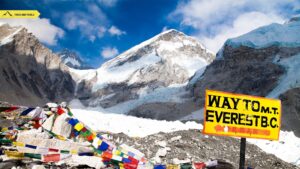
Let’s be honest about something: reaching Everest Base Camp at 5,364 meters does not give you a view of the summit. The mountain’s upper reaches stay hidden from the camp itself. And yet, nearly everyone who completes this trek describes it as one of the most transformative experiences of their life. The reason has nothing to do with the view at the end.
The Everest Base Camp trek typically begins with a short flight from Kathmandu to Lukla, one of the world’s most dramatic airport approaches, landing on a hillside runway with mountains rising immediately beyond it. From Lukla, the trail winds through Sherpa villages whose names have become almost mythological to mountaineers worldwide: Namche Bazaar, the bustling trading hub where you acclimatize for two days and drink surprisingly good espresso at high altitude cafes; Tengboche, where a monastery perched above the treeline frames Ama Dablam in a composition that photographers obsess over; Lobuche and Gorak Shep, where the landscape strips itself down to stone and ice and you begin to feel the altitude in your chest.
What the trek actually delivers is this: eleven to fourteen days of walking through one of the most visually dramatic landscapes on earth, through a living culture of extraordinary resilience, through personal boundaries you did not know you had. The Khumbu glacier sprawls below you at camp. Prayer flags snap in a wind that carries something elemental. And all around, in every direction, the world is bigger than it has any right to be.
The Sherpa community that calls this region home deserves particular attention. Their hospitality, their expertise, and their quiet pride in this landscape they have stewarded for generations are woven into every day of the journey. The teahouses where you sleep and eat along the route are family-run operations, and the connections you make over dal bhat at altitude are genuinely one of the trek’s great pleasures. For adventure lovers, this is one of the Top 10 Must Visit Place in Nepal that offers a life-changing experience.
Traveler’s Tip: Acclimatization is not optional. Follow the golden rule: climb high, sleep low. Add an extra rest day at Namche Bazaar if your body asks for it. The mountain will wait. The trek is best completed between October and November or March and May.
4. Chitwan National Park
Where the jungle breathes, and the wildlife does not apologize for existing
Drive south from Kathmandu for four to five hours, or take a short domestic flight to Bharatpur, and Nepal transforms completely. Gone are the mountains and the thin air. In their place: the dense, humid, golden grasslands and riverine forests of the Terai, home to one of Asia’s great wildlife conservation success stories.
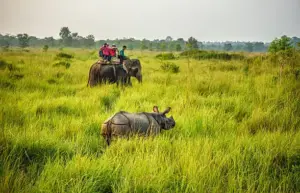
Chitwan National Park covers 932 square kilometers and holds one of the last populations of the one-horned rhinoceros in the world. In the 1960s, fewer than 100 of these extraordinary animals remained in Nepal. Decades of committed conservation work, often done at significant personal risk by park rangers and local communities, brought that number to over 700. Walking through the park on a guided jungle safari and suddenly finding yourself twenty meters from a rhino grazing in a clearing is an experience of pure, uncomplicated awe.
Chitwan also shelters a healthy population of Bengal tigers, though sightings require patience and some luck. What you are almost guaranteed to encounter, regardless: gharial crocodiles basking on river banks, hundreds of bird species making this a paradise for birdwatchers, spotted deer, langur monkeys, sloth bears, and the park’s elephants, which have become the subject of important ongoing conversations about ethical wildlife tourism.
The Tharu community has lived alongside this landscape for centuries, developing a culture, an architecture, and a relationship with the forest that is entirely their own. A village walk through a Tharu settlement, attending a cultural dance performance in the evening, or simply speaking with a local guide about how their community navigated the establishment of the park, adds a dimension to the Chitwan experience that pure wildlife watching cannot provide on its own.
Traveler’s Tip: Book a reputable lodge that prioritizes ethical wildlife practices and community benefit. Jungle walks at dawn with a naturalist guide offer the most intimate encounters. The best months are from October through March when the vegetation is lower, and animals are more visible near water sources.
Wildlife enthusiasts consider this one of the Top 10 Must Visit Place in Nepal for jungle safaris.
5. Annapurna Circuit
The trek that shows you Nepal in its full, unrepeatable diversity
Ask serious trekkers to name the world’s greatest long-distance walks, and the Annapurna Circuit appears with a frequency that is not a coincidence. The classic circuit covers around 160 to 230 kilometers, depending on your chosen route, and in that distance, it takes you through a cross section of geography, culture, and climate that would take a lifetime to replicate in fragmented pieces.
You begin in subtropical lowlands, walking through rice paddies and banana groves where butterflies the size of your hand drift between flowers. You climb through oak and rhododendron forests that, in spring, flood with color in a way that makes you stop every twenty steps to look back. You pass through Manang, a high-altitude village where the acclimatization day gives you time to explore monastery walls and crumbling medieval fortifications. And then, the crossing: Thorong La Pass at 5,416 meters, the high point of the circuit and one of the most celebrated mountain passes in trekking history.
On the other side of the pass, the landscape shifts dramatically into the rainshadow zone of Upper Mustang. The green disappears. The world becomes ochre and rust and deep brown, sculpted by wind into shapes that seem more like a painting than a place. The town of Muktinath at the base of the descent holds one of the most sacred pilgrimage sites in Hinduism and Buddhism, where an eternal flame burns from natural gas in a remarkable geological phenomenon.
The circuit finishes through the Kali Gandaki Gorge, the deepest gorge in the world by some measurements, where the river has carved a passage between Annapurna and Dhaulagiri that feels, even on clear days, like walking through the earth’s own history.
Traveler’s Tip: The Annapurna Circuit takes between 12 and 21 days, depending on pace and side trips. The Thorong La crossing should be attempted only in clear weather and ideally before noon to avoid afternoon wind. A TIMS card and an ACAP permit are both required before entering the area.
6. Lumbini
The birthplace of the Buddha, where stillness becomes a physical sensation
In the year 563 BCE, or thereabouts, a child was born in the garden of Lumbini in what is now the Terai lowlands of southern Nepal. His name was Siddhartha Gautama, and he would become the Buddha, the Awakened One, whose teachings have guided the lives of hundreds of millions of people across the following twenty-five centuries. That act of birth happened here, in this garden, and the place has been a site of pilgrimage ever since Emperor Ashoka visited and erected a commemorative pillar in the third century BCE.
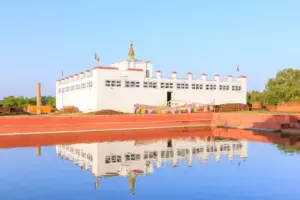
The sacred garden itself contains the Mayadevi Temple, built over the exact spot traditionally held to be the birthplace. Inside, the stone carving depicting Queen Mayadevi holding a branch of a sal tree as she gives birth is modest and worn by centuries of devotion, which somehow makes it more affecting than any grand monument could be. The archaeological excavations around the temple have uncovered layers of history extending back to the very origins of the site.
Beyond the sacred garden, the Lumbini Development Zone spreads across 4.8 square kilometers of landscaped grounds containing monasteries built by Buddhist communities from across the world. Each country’s monastery reflects its own architectural tradition: the white and gold Thai monastery, the red and ochre Tibetan gompa, the understated Japanese pagoda, the ornate Sri Lankan temple. Walking from one to the next is an unexpected education in the diversity of Buddhist expression across Asia.
The overall atmosphere of Lumbini is one of quiet purpose. Monks in saffron and maroon robes move slowly along pathways. Pilgrims from Nepal, India, Sri Lanka, Japan, Korea, and many other countries sit in contemplation or walk the meditation circuit around the sacred garden. Whatever your own relationship with religion, the weight of what this place has meant to so many people for so long is present and genuinely felt.
Traveler’s Tip: Lumbini is best visited as an overnight trip rather than a day visit from Pokhara or Kathmandu. The early morning light in the sacred garden, before the tour groups arrive, is deeply peaceful. November through February offers the most comfortable temperatures in this lowland region.
7. Bhaktapur
A living medieval city that refused to let its past disappear
Of the three great ancient cities of the Kathmandu Valley, Bhaktapur is the one that feels most fully preserved, most genuinely itself. While Kathmandu has absorbed the busy energy of a modern capital, Bhaktapur has kept its medieval bones largely intact. The streets are narrower here. The squares are quieter. Potters still work their wheels in the sun on Pottery Square, shaping the distinctive black clay vessels that have been made in this spot for centuries. Women spread lentils to dry on reed mats across temple steps.
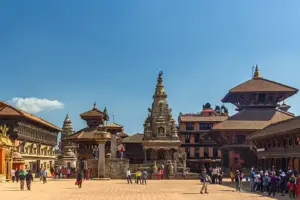
Bhaktapur Durbar Square is the crown of the city. The 55 Window Palace, built by King Yaksha Malla in the fifteenth century and later restored, demonstrates the extraordinary level of woodcarving skill that made Newari craftsmen the most sought-after artisans across the Himalayan region. Every window, every strut, every doorway frame is a lesson in patience and mastery. The Royal Bath, the Sun Dhoka Golden Gate, and the Nyatapola Temple, a soaring five-tiered pagoda that is the tallest temple in Nepal, form a skyline unlike anything else in South Asia.
Food in Bhaktapur deserves its own paragraph. Ju ju dhau, literally ‘king curd,’ is a thick, creamy yogurt set in traditional clay pots and sold throughout the city. It has a richness and subtlety that regular yogurt simply does not possess, and eating it here, where it has been made the same way for generations, is one of those small but genuine pleasures that travel sometimes provides without warning.
The city sustained significant damage in the 2015 earthquake, and the reconstruction effort has been a major undertaking for both the local community and international preservation organizations. What you see today represents not only the original craftsmen’s achievement but also a continuing act of devotion by a community determined to keep its heritage alive.
Traveler’s Tip: Pay the entry fee for Bhaktapur without hesitation. A substantial portion goes directly toward conservation and restoration. Stay overnight if possible, as the city transforms after day trippers leave and the authentic rhythm of local life becomes more visible.
8. Langtang Valley
The forgotten valley that asks more of you and gives back even more in return
Langtang is sometimes called the forgotten valley, though the travelers who find their way here tend to feel like they have found a secret rather than discovered something overlooked. Located just 51 kilometers north of Kathmandu as the crow flies, the Langtang National Park contains dramatic glacier-fed valleys, Buddhist monasteries perched above the treeline, and the warm, generous culture of the Tamang and Tibetan communities who have called this landscape home for generations.
The 2015 earthquake struck Langtang village with catastrophic force. An avalanche triggered by the quake obliterated most of the village in seconds, killing over 200 people, including many trekkers who were staying there at the time. The village has since been rebuilt, largely by the same community that survived, and visiting Langtang today carries an additional layer of meaning: you are witnessing resilience made tangible, a community that chose to return to the valley they love.
The trek itself rewards at every elevation. The lower sections pass through forests of bamboo and rhododendron, with red panda reportedly present though seldom seen. Higher up, the valley opens dramatically to reveal the Langtang Lirung massif, a wall of ice and rock that rises abruptly from the valley floor in a scale that is difficult to process. The high pastures near Kyanjin Gompa offer walks to glacier viewpoints and to small cheese factories producing a type of hard cheese, yak milk-based, that has been sold to Kathmandu markets for generations.
Kyanjin Ri, the high point viewable without technical climbing, requires an early start and a few hours of effort, but the 360-degree panorama of peaks, including Langtang Lirung, Yala Peak, and the snow-covered ridges extending toward Tibet, is among the finest viewpoints in the entire country and one that far fewer people have stood on than it deserves.
Traveler’s Tip: The Langtang trek is often overlooked in favor of Everest and Annapurna, which means the trails are quieter, the teahouses more personal, and the experience more intimate. Allow at least seven days for the full circuit. Visiting Langtang also directly supports communities still rebuilding after 2015.
9. Upper Mustang
A forbidden kingdom at the end of the world, still dreaming in ochre and wind
Until 1992, Upper Mustang was closed to the outside world. The region, a former kingdom that maintained a degree of political autonomy even after its formal annexation by Nepal, preserved a version of Tibetan culture so intact that scholars sometimes describe it as a living museum of pre-modern Tibet. The landscape is Mars red and wind-carved, a high desert plateau above the treeline where the sky feels lower and the silence is the dominant sound.
Lo Manthang, the walled capital of the former kingdom, sits at 3,840 meters and contains a concentration of ancient monasteries, palaces, and cave dwellings that would be remarkable anywhere on earth. The great monasteries, Thubchen, Jampa, and Champa, hold wall paintings dating back to the fifteenth century of such quality and preservation that conservators from around the world have made ongoing restoration a priority. Walking through these dim, frescoed interiors, accompanied by the smell of butter lamps and the soft sound of monks reciting texts, you feel the full depth of time in a way that words cannot quite account for.
The landscape of Upper Mustang is unlike anything else in Nepal. The Kali Gandaki Gorge cuts through the region with geological authority. Wind-carved cliffs are honeycombed with ancient cave dwellings, some still used for meditation retreats, others abandoned to the sky. The ancient roads connecting villages are still sometimes traveled by horse, as they have been for centuries, because the terrain and the wind make this practical rather than merely picturesque.
A restricted area permit is required for Upper Mustang and costs 500 USD for the first 10 days, a figure that also functions as a conservation measure limiting the volume of visitors and helping fund local development. The permit requirement has preserved Mustang in ways that unrestricted access would have eroded. It is worth every rupee.
Traveler’s Tip: The restricted area permit must be arranged in advance through a registered trekking agency. The best seasons are May through June and September through October. Jeep travel is now possible between Jomsom and Lo Manthang, allowing visits for those who cannot trek, though the overland route itself is a remarkable experience.
10. Bandipur
A hilltop village where time slows down, and you remember what quiet feels like
Bandipur does not appear on every list, and that is precisely part of its appeal. This hilltop Newari village sits at 1,030 meters above sea level, roughly midway between Kathmandu and Pokhara, and it occupies a ridge with views of the Annapurna and Manaslu ranges to the north and the Marsyangdi River valley spreading below. It is the kind of place you pass through, planning to spend one night and wake up three days later, wondering how that happened.
Bandipur was, for several centuries, a prosperous trading town on the trans Himalayan trade route, and the Newar merchants who settled here built the kind of architecture that reflects accumulated wealth and sophisticated taste. The main bazaar street is entirely pedestrian, lined with beautifully restored traditional buildings whose carved wooden facades and shaded archways create an atmosphere of unhurried elegance. No vehicles intrude. No electricity wires cut across the rooflines in the historic core. The main street is simply one of the most photogenic streets in Nepal.
The surrounding hills offer excellent day hikes. The Siddha Gupha cave, one of the largest caves in Nepal, lies a short walk below the village and contains impressive stalactite formations. The Tundikhel viewpoint at the western end of the village provides a panoramic sweep of peaks. Bindabasini Temple at the eastern end draws local devotees and offers another angle on both the village and the mountains.
What Bandipur ultimately offers is something increasingly difficult to find: genuine rest. There are good guesthouses, real conversations with local families, mornings with mountain views and hot tea, and evenings where the valley below fills with mist and the stars above, uncompeted with city light, are startlingly numerous. It is a reminder that travel does not always require effort to be rewarding.
Traveler’s Tip: Bandipur is most often visited as a stop between Kathmandu and Pokhara, but it deserves at minimum two nights. The village is at its most beautiful at dawn and dusk. The cave visit requires a local guide and a small fee, both worth securing.
Before You Go: A Few Honest Notes
Nepal rewards travelers who approach it with curiosity and patience rather than a rigid itinerary. The roads are sometimes rough. The weather at altitude is genuinely unpredictable. A flight to Lukla or Pokhara can be delayed by cloud cover without notice. And each of these apparent inconveniences has a way of leading to something unexpected and good, a conversation you would not have had, a view you would have missed, a rest day in a village that turns out to be the best day of the trip.
The people of Nepal carry their generosity openly. Namaste is not a greeting performed for tourists. It is a genuine acknowledgment of the humanity in the person in front of you, and it is given freely and without expectation. Learning a few words of Nepali, removing your shoes at temple thresholds, asking before photographing individuals, and buying from local vendors rather than international chains are small choices that add up to meaningful respect.
Nepal is a country that has faced enormous challenges: earthquakes, political transitions, economic pressures, and the difficult balance between welcoming the world and preserving what makes it worth visiting. The tourism infrastructure continues to improve while much of the cultural and natural heritage that draws visitors here remains remarkable and intact. Traveling thoughtfully, spending locally, and leaving things as you found them are the best ways to ensure the next traveler, and the generation after that, gets the same opportunity you had. These Top 10 Must Visit Place in Nepal showcase the country’s incredible diversity and beauty.
Go. Nepal is waiting, and it has more to offer than you can hold in a single visit. Most people who go once are already planning the second trip before they reach the departure gate.