Hidden Treks in Nepal : Most Tourists Don’t Know (7 Secret Trails for Real Adventure)

You know what nobody tells you before your first trip to Nepal? The trail to Everest Base Camp in October basically looks like a Black Friday queue. Except it’s at 4,000 metres and everyone’s wearing the same three North Face jacket colors.

I found this out the hard way.

Flew in with this whole mental image of empty mountain paths, prayer flags, maybe a yak or two. What I got instead was a conga line of trekkers, a teahouse charging airport prices for instant noodles, and a guy from Manchester doing a podcast recording mid-trail. Still did the trek. Still loved the mountains. But something about it felt — I don’t know — packaged like Nepal-flavored Nepal rather than actual Nepal.

That trip cracked something open for me, though. I started asking around. Talking to guides, other trekkers, and random people at tea shops in Thamel who looked like they’d been coming to Nepal for twenty years. And slowly, a completely different picture of this country began to form.

Turns out Nepal has around 1,000 documented trekking routes. Most foreign visitors walk maybe five of them. The rest of the country — the valleys, the passes, the villages, all of it — sits there.  Quiet. Waiting for whoever bothers to look.

Hidden treks in Nepal are real. Some of these places get under 300 foreign visitors a year. I’m not talking about obscure routes that are only quiet because they’re terrible. I’m talking about places that are extraordinary AND empty. That combination shouldn’t exist, but somehow in
Nepal, it still does.

What Are Hidden Treks in Nepal?

Short answer for anyone who needs it fast: these are trekking routes that exist completely outside the tourist bubble. No branded teahouse chains, no trail running like a conveyor belt of matching backpacks, no, arriving at a viewpoint to find it’s already standing-room only.

Longer answer: Nepal’s trekking industry runs on volume, and volume follows the famous names. Nar Phu Valley doesn’t have the same marketing budget as Everest Base Camp. Tsum Valley isn’t on the wall of every agency in Thamel. So these places stay under the radar, not because they’re bad but because selling them takes more effort, and most agencies don’t bother.

What’s left are the valleys that opened late to foreign trekkers, the trails that need special permits, the routes that connect two famous places but never became famous themselves. Some of them are flat-out world-class. They just never got the Instagram moment that changed everything for EBC in 2012.

Why Go Offbeat at All — Honest Answer

Because the famous routes have genuinely changed, and not everyone will say that out loud.

EBC now gets north of 50,000 trekkers a year. That’s not a wilderness experience. That’s a very long, very scenic footpath with permanent foot traffic and teahouses that price based on what the market will bear from the sheer volume of foreigners passing through. Annapurna Circuit —Once one of the great walks of the world, it now has stretches of paved jeep road running alongside the trail. You can walk next to a road in the mountains. And people pay for that.

None of this means those treks aren’t worth doing. I’d still send my friends to both. But if “feeling like I actually went somewhere remote” is on your list of requirements — and let’s be honest, it probably is — then those routes have a harder time delivering that now.

Off the beaten path in Nepal, things cost what they cost. The family running the teahouse in Ganesh Himal isn’t in hospitality — they’re farmers with a spare room. Pricing reflects that. The conversation reflects that. You leave feeling like you actually visited a place rather than completed a product experience.

Also genuinely cheaper. Worth saying twice.

7 Hidden Treks in Nepal That Are Worth Your Time

1. Nar Phu Valley Trek
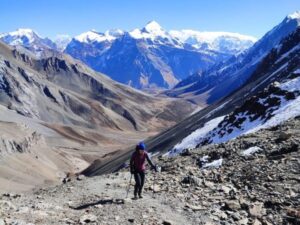
nar-phu-valley-and-kang-la-pass-trek

Here’s something that should blow your mind a little. There’s a junction village called Koto sitting right on the Annapurna Circuit trail. Every single trekking season, thousands of people walk past it. The turnoff to Nar Phu Valley is right there. Almost nobody takes it.

The valley opened to foreign trekkers in 2003 and still hasn’t gotten crowded. A big reason is the Special Restricted Area Permit — $100 per person per week in peak season, $75 off-season. That filters out casual visitors, and that filtering is genuinely what keeps the place special, so no complaints about the cost.

What you actually find inside: gorges narrow enough that the sky above you shrinks to a thin strip of blue, monasteries built into cliff faces in ways that defy basic physics, and the villages of Nar and Phu, where life runs on Tibetan Buddhist rhythms that haven’t changed much in centuries. Kang La Pass sits at 5,320 metres, and the view — Annapurna II, Himlung, Pisang Peak — is up there with anything Nepal has to offer. You’ll probably be watching it alone.

Difficulty: moderate to challenging.

Best time: March–May, September–November.

Duration: 14–18 days.

2. Khopra Ridge Trek
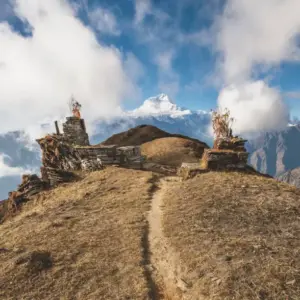
hidden-treks-in=nepal

Someone once told me that Khopra Ridge is what Poon Hill used to feel like before everyone found out about it. That description is pretty much perfect.

Both are in the Annapurna region. Both have views of Dhaulagiri, Nilgiri, Annapurna South, and Tukuche Peak. The scenery isn’t the difference. The difference is that on Khopra Ridge at sunrise, you might have four other people around you. On Poon Hill during October, you might have four
hundred.

The trail goes through Magar and Gurung villages, where outside visitors are still unusual enough to be interesting to local people rather than background noise. Push on to Khayer Lake at 4,660 metres — a glacial sacred site that most Annapurna trekkers never even hear about — and suddenly you’re at one of the more quietly spectacular spots in Nepal with almost nobody around to share it with.

Best beginner-level hidden trek on this list. Teahouses work properly, the trail is clear, and the altitude is manageable.

Difficulty: easy to moderate.

Best time: March–May, October–November.

Duration: 6–8 days.

3. Ruby Valley Trek
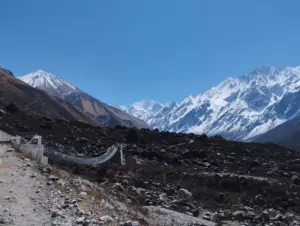
hidden-treks-in-nepal

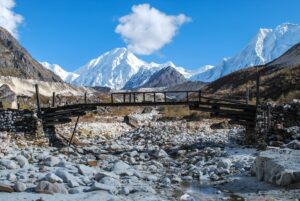
Between Langtang and Manaslu, there’s a gap that the trekking world mostly falls through without noticing. Ruby Valley sits right there, and it gets its name from actual ruby and garnet deposits in the area, which sounds like a fantasy novel but is completely real.

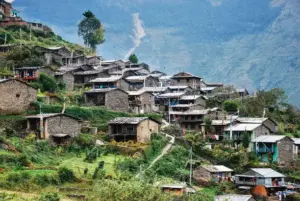
Rupina La Pass at 4,610 metres puts Ganesh Himal, Manaslu, and the Langtang range in front of you. Below the pass, the Tamang and Gurung villages are doing the farming lives they’ve always done, pretty much undisturbed by tourism. Stone houses. Terraced fields worked for generations. Woodsmoke smells before a village comes into view. These are the details the popular routes used to have before thirty years of tourist traffic changed everything.

Someone who wants more than Khopra Ridge but isn’t ready for a proper expedition — this is the right fit.

Difficulty: moderate.

Best time: March–May, October–November.

Duration: 10–14 days.

4. Dhaulagiri Circuit Trek
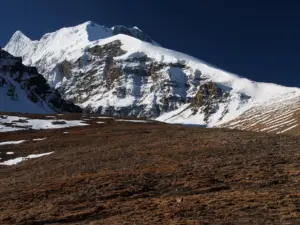
hidden-treks-in-nepal

No point dressing this one up. Dhaulagiri Circuit is hard. Not “long and tiring” hard. Genuinely, technically demanding hard.

This is for trekkers who’ve already done the famous routes, found them manageable, and are now genuinely curious what the ceiling looks like. You circle the seventh-highest mountain on Earth — 8,167 metres — through terrain where some teahouses don’t even open for the full season because so few people pass through. French Pass at 5,360 metres, Dhampus Pass at 5,182 metres, glacier travel on both. At French Base Camp, the south face of Dhaulagiri fills the sky above you, and there are, in all realistic probability, zero other trekkers within several hours of walking.

The silence at that spot has a weight that’s hard to describe. The word that keeps coming back is earned.

Difficulty: challenging.

Experienced trekkers only.

Best time: October–November.

Duration: 18-22 days.

5. Panch Pokhari Trek
hidden-treks-in-nepal

Panch Pokhari gets underestimated constantly. It’s close to Kathmandu, so people assume it can’t be wild. That assumption is wrong.

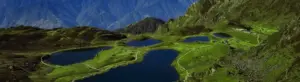
Five glacial lakes at 4,100 metres in the Sindhupalchok district, a few hours northeast of the city. Sacred Hindu pilgrimage site — timing your visit around Janai Purnima festival is actually worth considering if you want to see something genuinely extraordinary. Outside that festival window, the whole area runs on near-empty for basically the entire rest of the year.

Dense rhododendron forest through the lower sections, Tamang villages, ridgelines with views that don’t need eight-thousand-metre peaks to justify stopping. Got a week? Want something genuinely offbeat without a six-hour drive to the trailhead? This is the most practical answer on this list.

Difficulty: easy to moderate.

Best time: March–May, September–November.

Duration: 7–9 days.

6. Tsum Valley Trek
manaslu-valley-and-tsum-valley-trek

I’ve tried describing Tsum Valley to people who haven’t been, and I always end up underselling it somehow.

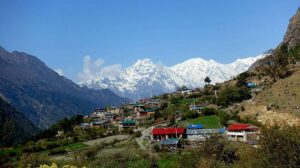
Northern Gorkha district, against the Tibetan border, only opened to foreign trekkers in 2008. The Tsumba people living here have maintained a form of Tibetan Buddhism so old and untouched by outside influence that researchers come specifically to document it before modernity inevitably reaches in. Mani walls running hundreds of metres along the trail. Monasteries on ridgelines with no clear explanation of how anyone got the building materials up there. Villagers who speak old Tibetan dialects find your arrival somewhere between curious and mildly confusing.

Walking in Tsum Valley feels like operating at a different pace than everything outside it. That sounds like an exaggeration. It isn’t. You feel it on day one, and it stays with you after you leave.

Most people doing the Manaslu Circuit treat Tsum as a quick detour or skip it entirely. Don’t do that. The upper valley, given real time, is one of the more remarkable places you can walk to on this
planet.

Difficulty: moderate.

Best time: March–May, September–November.

Duration: 14–18 days.

7. Ganesh Himal Trek
hidden-treks-in-nepal

Ask someone who really knows Nepal about Ganesh Himal and watch what happens. Small pause. Slight nod. “Yeah. That one’s good.”

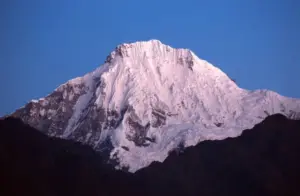
Rasuwa and Gorkha districts, north of Kathmandu. Trails pass through Tamang and Gurung communities that haven’t built their lives around the tourism economy. Red pandas are spotted regularly — not as a big event, just as something that happens when human traffic is low enough that wildlife doesn’t bother hiding. Himalayan tahr on the upper sections. Raptors all over the place.

No restricted area permit needed. Teahouses charge what teahouses in farming communities charge, not what teahouses in tourist corridors charge. Easiest logistics of anything on this list. Best starting point for someone wanting their first genuine offbeat Nepal experience without a complicated setup operation.

Difficulty: easy to moderate.

Best time: March–May, October–November.

Duration: 10–12 days.

Which of These Can a Beginner Actually Do?

Three routes here work genuinely well for people without serious prior trekking experience. “Genuinely well” meaning actually appropriate, not ” possible if you suffer through it.”

Khopra Ridge. Six to eight days. Max altitude around 3,700 metres before the Khayer Lake add-on. Teahouses functioning, trail clear, daily elevation gain manageable. If you’re reasonably active and put some preparation in beforehand, you’ll enjoy this rather than just survive it.

Panch Pokhari. Shorter. Lower ceiling around 4,100 metres. Close to Kathmandu. Seven to nine days. Best pick if you’re genuinely unsure whether high-altitude trekking is your thing — gives you the real experience without the kind of commitment that’s hard to back out of once you’re in it.

Ruby Valley. Step up from the other two. Rupina La at 4,610 metres is a real effort and the route runs longer at 10 to 14 days. But it’s not technical. The difficulty is physical, not skill-based. Ambitious beginners who prepare properly can do it.

When to Go

Spring — March through May. Rhododendrons are flowering through the lower forest from late February; temperatures at altitude are comfortable, and mountain visibility is decent before late-season haze. The sweet spot is probably mid-March through April.

Autumn — September through November. Nepal’s clearest skies. October especially — the monsoon has scrubbed the air clean, and the mountains in October have a sharpness that other seasons don’t touch. Peak season for Nepal overall, but on these routes, you’re still largely alone.

Winter — December through February. Fine for lower routes like Ganesh Himal. High passes on Nar Phu, Dhaulagiri, and Ruby Valley will be blocked or dangerous. Don’t attempt those without
knowing exactly what you’re doing.

Monsoon — June through August. No. Leeches, flooding, bad visibility, and minimal support on isolated routes. Unless you have very specific reasons and genuinely experienced guidance, avoid it.

What It Actually Costs

Restricted area permits for Nar Phu Valley and Tsum Valley: $75–$100 per person per week, depending on season. Standard TIMS cards and national park entry add $10–$30.

Licensed local guide: $25–$40 per day. Remote routes need this, both practically and sometimes legally. Spend properly here. A guide who actually knows the route is night-and-day different from one who doesn’t.

Porter: $15–$25 per day carrying up to 20kg. Your back thanks you, income goes directly into a community that mass tourism mostly bypasses, everyone wins.

Teahouse bed: $3–$8 per night. Meals: $3–$7. Often woodfire-cooked. Frequently, the best dal bhat you’ll have anywhere in Nepal.

Full 14-day hidden trek with guide, porter, permits, food, and accommodation: roughly $800–$1,500 USD. EBC same duration runs $2,000+ because demand across every item on the bill supports it.

Things Nobody Actually Tells You Beforehand

Guide: get one through a proper local agency. Not through an app, not through whoever approaches you in Thamel with a great deal. On a remote trail, a bad guide is a categorically different problem than on a route with rescue checkpoints every few hours. Don’t cut corners here.

Pack for what the trail has, not what you hope a teahouse might have. Actual first aid kit. Water filter, not just tablets. Emergency food for one extra day — real food, not just snacks. Sleeping bag rated colder than the forecast says. Power bank, because some nights there’s no electricity, and that’s just how it is.

Altitude above 3,000 metres: max 500 metres gain per day, real rest days, watch yourself carefully. Buy travel insurance before you leave home that explicitly covers helicopter evacuation. A single evacuation from a remote valley can cost several thousand dollars, and this is not where you want to find out your policy has a clause.

Walk clockwise around the mani walls and stupas. Shoes off at monastery entrances. Ask before photographing anyone. These communities host very few outsiders, and how individual travelers behave genuinely shapes how the next person gets received.

The Honest Comparison

Factor Hidden Treks Popular Treks
Crowd levels Very low to zero High to very high
Daily costs $50–$90 $80–$150+
Cultural experience Authentic Increasingly Transactional
Infrastructure Basic Well-Developed
Wildlife Commonly spotted Pretty Rare
Feeling of remoteness Very much real Mostly gone
Rescue access Remote Close

Neither side wins for every type of traveler. Popular routes have reliable infrastructure, documented conditions, and other trekkers around you if that matters. Those are legitimate things. But if the reason you’re reading this article is the left column — that genuine off-the-map feeling — then it’s not really a comparison. Hidden treks are just the answer.

How to Actually Plan One of These

Be honest about your fitness — not optimistically honest, actually honest. Dhaulagiri Circuit is not a stretch goal for someone who jogs occasionally. Panch Pokhari is. Pick the route that matches where you genuinely are right now.

Sort permits well ahead. Restricted area permits go through a registered agency and need government processing — give yourself two to three weeks minimum before departure. Last-minute permit problems for restricted routes are very hard to fix in the field.

Book through a reputable local operator. Green Horizon Tour handles guided treks on these specific routes — permits, certified local guides with actual route experience, and all logistics. People who know these valleys from walking them, not from reading about them.

Pack smart. Boots already broken in. Proper layers. Waterproofs. Trekking poles. Sleeping bag colder than the forecast. Power bank.

Sort transport in advance. Most hidden treks start with a long drive from Kathmandu — six to eight hours on mountain roads in some cases, a domestic flight before that in others. Peak season jeep seats fill. Book ahead.

Questions People Actually Ask

Which Nepal trek gets the fewest tourists?

Nar Phu Valley and Tsum Valley — annual foreign visitor counts in the low hundreds for both. Panch Pokhari and Ganesh Himal are similarly empty most of the year.

Are remote treks in Nepal actually safe?

Yes, with proper preparation. Real risks are altitude sickness, weather changes, and slower evacuation access. A qualified guide, plus sensible acclimatisation, plus proper insurance, manages those effectively. Going unprepared is a genuinely different situation.

Do I need a guide on these routes?

Restricted area routes legally require one. All remote routes practically require one regardless of the rules. Minimal markings, communities where English isn’t spoken, and real consequences for navigation errors in isolated valleys.

Easiest hidden trek for a complete beginner?

Khopra Ridge or Panch Pokhari. Working teahouses, manageable altitude, clear trails. Suitable for anyone with decent fitness who prepares beforehand.

Only have a week — anything that fits?

Panch Pokhari in 7–9 days, including transport from Kathmandu. Khopra Ridge in 6–8 days. Both are genuine offbeat experiences, not just shorter versions of something bigger.

The Nepal You Actually Came For Is Still Out There

There’s something that gets lost whenever travel content tries to describe what Nepal actually does to people.

Before mass tourism found it, Nepal changed people in a specific, concrete way. You went somewhere genuinely remote. You were dependent on strangers who had zero economic reason to be kind to you. They were kind anyway. Tea is offered without a transaction behind it. A conversation that somehow worked across a full language barrier. A family moving over on a bench to make room for someone who had absolutely no business being in their village.

That’s what people were actually describing when they said Nepal changed them. Not the mountains. The people and the unscripted contact with them.

That experience is harder to find along the famous trails now. The economy there has adapted entirely to tourism. Everything’s still beautiful. But the texture has changed.

The hidden treks are where that original texture survives. In Tsum Valley. In Nar Phu. In Ganesh Himal. The older woman who watched you from her rooftop in Phu village, not because she’d seen a thousand foreign trekkers that season, but because you were genuinely one of the few who came this year, and she found that worth looking at.

That Nepal is still there. You just have to turn off the main trail to find it.

Green Horizon Tour has been taking people there for years — local guides who know these valleys from walking them, full permit and logistics support, genuine understanding of why someone would choose Tsum Valley over EBC. Head to greenhorizontour.com and let’s figure out where you want to go next.
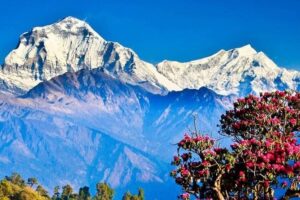
Best Beginner Treks in Nepal — Complete First-Time Guide (5 Routes)

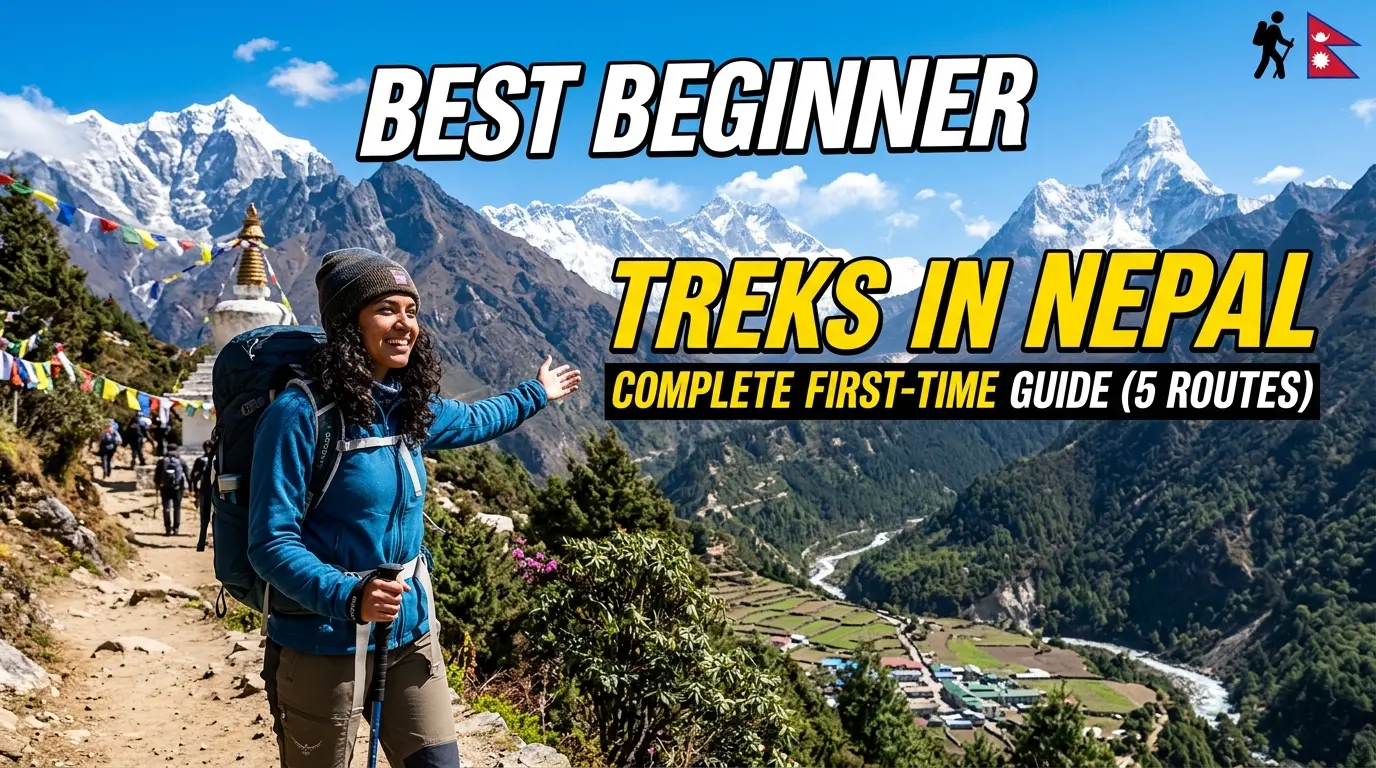
Best beginner treks in Nepal offer some of the most unforgettable first-time Himalayan experiences, combining accessible trails with incredible mountain views. Let me tell you something about the first time you see the Himalayas properly.


Not from a plane window, not in a photo — actually see them. You’re walking through some dusty little village, maybe tired, maybe slightly questioning your life choices, and then the clouds just… move. And there they are. Enormous. White. So big they don’t look real, like someone pasted them onto the sky using the wrong scale.

Nothing prepares you for that. Nothing.
But before that moment comes, the part everyone stresses about — choosing the right trek, figuring out if you’re actually capable of doing this, wondering if you’ve bitten off more than you can chew.

So let’s sort all of that out properly.

The Fitness Thing — Because Everyone Asks

Right. You’re not an athlete. Maybe you walk the dog, take the stairs sometimes, occasionally think about joining a gym. And now you’re wondering whether any of that qualifies you for trekking in the Himalayas.

Here’s the genuinely honest answer: probably yes.

The beginner trails in Nepal aren’t technical. There’s no scrambling, no ropes, no moments where you look down and regret everything. What there is — and you should know this going in — is a lot of uphill walking. Gradual, mostly. Sometimes steep for short stretches. But walking.

A friend of mine did Poon Hill last spring. Mid-forties, works a desk job, describes his fitness as “functional but not impressive.” He finished the trek, saw the sunrise, ate roughly his bodyweight in dal bhat, and came back telling everyone it was the best thing he’d ever done.

The altitude is the thing that actually catches people. Not the distance, not the gradient — the altitude. Because altitude doesn’t care about fitness. It doesn’t care that you’ve been going to the gym three times a week or that you once ran a half-marathon. It will find the fittest person in your group and humble them just as readily as anyone else if they ascend too fast.

The solution is boring, but it works: go slower than you think you need to. Drink water until you’re tired of drinking water. Rest when your body asks for it, not just when the schedule says to.

Do those things, and most healthy adults can handle Nepal’s beginner treks without any special preparation.

What “Beginner-Friendly” Actually Feels Like

Travel websites are pretty loose with this phrase. So here’s what it actually means when you’re on the ground.

It means your walking day is four to six hours — long enough to feel like a proper day, short enough that you’re not destroyed by the time you reach the teahouse. It means the trail is so well-worn that getting lost would genuinely require effort. It means at the end of every walking day, there’s a real bed, a hot meal, someone making you tea you didn’t ask for because they could tell you needed it.

It does not mean flat. Nepal doesn’t do flat. Your calves will discover muscles they didn’t know they had.

It does not mean the views are average. This is actually the thing that surprises first-timers most — the beginner trails aren’t the consolation prize. Poon Hill is technically one of the most accessible treks in Nepal, and it has some of the most staggering sunrise views anywhere in the Himalayas. The two things aren’t in conflict here.

Best Beginner Treks in Nepal

1. Ghorepani Poon Hill — Start Here, Seriously

ghorepani-poonhill-trek

If someone twisted your arm and said pick one, this is the one.

Four to five days out of Pokhara. Well-marked trail, good teahouses, proper Gurung villages where actual life is happening around you rather than for you. The kind of place where you eat breakfast next to a local farmer heading out for the day, and somehow that feels more interesting than any museum you’ve ever visited.

The trail itself moves through terraced farmland, then rhododendron forest, then up to Ghorepani, where the real thing happens.

Poon Hill morning. Four-thirty AM. Cold in a way that feels personal. Everyone in the teahouse is doing that half-asleep shuffle toward boots and headlamps. The hike up takes about forty-five minutes and feels slightly endless when you’re doing it in the dark.

Then the sky starts changing.

Deep violet first. Then lighter. Then the first gold hits the top of Annapurna South and spreads slowly downward while the valley below is still completely dark and quiet. Machhapuchhre right there — that ridiculous fishtail shape — and Dhaulagiri behind it and the whole range doing something that makes every photo you’ve ever seen of it feel completely inadequate.

People cry on Poon Hill. Grown adults who weren’t expecting to. It just happens.

There’s a reason this is the default first-trek recommendation. The reason is that it earns it every single time.

2. Mardi Himal — Same Region, Completely Different World

Mardi Himal sits in the same general area as Poon Hill but sees maybe a quarter of the traffic. Which is baffling because the views are extraordinary.

The trail spends its first couple of days in proper forest — dense rhododendron, birds making noise in every direction, almost no one else around. Then it climbs onto a high ridge, and Machhapuchhre appears suddenly and up close in a way that makes you audibly react. Like your brain hasn’t been warned that something that large was about to appear.

High camp is around 4,500 meters. Higher than Poon Hill, so a bit more altitude to manage. But the ascent is spread sensibly across five to six days, and most people who respect the pace get through it fine.

The thing about Mardi Himal is the atmosphere. Long stretches of trail with nothing but your own footsteps and birds. Small teahouses where you’re one of maybe eight guests. No queues for the toilet at four in the morning. The feeling of being somewhere most people passing through Nepal never bother to look for.

If crowds make you quietly exhausted, choose this without a second thought.

3. Langtang Valley — The One That Surprises Everyone

the-langtang-valley-trek

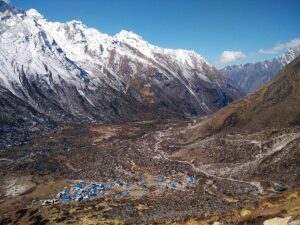
Most first-timers in Nepal head straight to Pokhara and never think to look anywhere else. Which means Langtang sits there, north of Kathmandu, quietly excellent and largely ignored by the international trekking crowd.

The cultural atmosphere here is completely different from Annapurna. Deep Tibetan influence monasteries with real age to them, yak herders who look at you with polite indifference, butter tea if you’re brave enough to try it, stone villages that feel like they’ve been standing since before tourism existed as a concept.

Seven to eight days, topping out at Kyanjin Gompa around 3,800 meters. Comfortable daily walking throughout. Thin crowds even in peak season.

Something else worth saying about Langtang: the 2015 earthquake hit this valley harder than almost anywhere else in Nepal. Whole sections of the village were buried. The community was rebuilt from scratch. Choosing to trek here, eating in local teahouses, tipping guides and porters properly, it matters here in a way that feels genuinely worth acknowledging when you book.

4. Helambu — The Trek Nobody’s Heard Of (Which Is Why It’s Great)

best-beginner-treks-in-nepal

Ask most tourists in Kathmandu about Helambu, and you’ll get a blank look. This is one of the reasons to recommend it.

Trailhead is a few hours northeast of Kathmandu by road. No domestic flight. No bus journey through winding mountain passes in the dark. Just out of the city and into hills that stay at sensible altitudes throughout — rarely above 3,600 meters — which makes it the best option for anyone with genuine altitude nerves or very limited time.

Trails pass through Sherpa and Tamang villages that feel genuinely unpolished by tourism, small monasteries, apple orchards, and forested ridges where you might walk for an hour without seeing another trekker.

Mountain views are more gentle than dramatic. But the quiet on this trail is something you can’t find on the busier circuits anymore. And sometimes that’s exactly what a first trek needs to be.

5. Annapurna Base Camp — For the Ones Who Want to Really Go For It

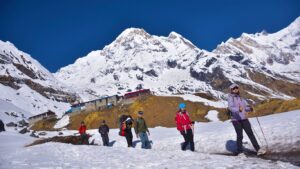
short-annapurna-base-camp-trek

Different category from everything else on this list. This one asks more of you.

4,130 meters. Natural amphitheater of peaks — Annapurna I, Hiunchuli, Gangapurna, Machhapuchhre, surrounding you. Not a viewpoint. Something more than that. Standing there feels like being inside something ancient that predates every human concern by several million years.

Good trails all the way up. Teahouses at every stop, including base camp itself. Seven to nine days standard.

Motivated beginners complete this trek regularly. The ones who have a hard time are almost always the ones who felt great on day three and pushed too hard. Don’t do that. Rest days exist for reasons. Build one in.

Take a guide on this one. Not because the trail is complicated, but because the altitude genuinely warrants having someone experienced beside you who has seen altitude sickness develop a hundred times and knows the signs before you feel them yourself.

Poon Hill vs Mardi Himal — Just Decide Already

Poon Hill: social, iconic, proven, busy in a fun way during peak season.


Mardi Himal: quieter, more personal, slightly higher, same general area with a completely different feel.

That is genuinely the whole decision. Neither is wrong. The only wrong move is spending three weeks reading comparison articles instead of just booking one of them.

The Guide Question — Honest Answer

Technically, independent trekking is possible on the popular routes. Trails are marked. Other trekkers are around. Some people manage fine alone.

For the first time in Nepal, though a different country, a different language, a different altitude, logistics you’ve never dealt with before — a guide changes what the whole experience actually is.

Not just because they handle the paperwork and know where they’re going. Because a genuinely good local guide tells you things about every village you walk through that you’d completely miss without them. They notice when your lips are going slightly blue before you’ve even noticed a headache starting. They know which teahouse has been using the same cooking oil for two weeks and which one actually has fresh vegetables. Small things that add up to a completely different trip.

Green Horizon Tour builds their beginner packages specifically around what first-timers need — sensible pacing rather than rushing, experienced local guides who actually know these specific trails, and support from the moment you land. If you want the first trek to be genuinely good rather than just something you survived, they’re worth contacting before you book anything else.

What It Costs — Actual Numbers

Solo budget trekking: $25–$40 per day on trail covering basic teahouses and meals. Add permit fees — around $30–$40 for the Annapurna region — and Poon Hill done independently totals roughly $150–$250, depending on how you travel.

Guided packages: $400–$800 depending on route, group size, and what’s included. For most first-timers, that investment pays for itself before day two.

Permits are mandatory. Non-negotiable. Any operator suggesting they can skip them is communicating something important about their standards — none of it good.

Mistakes That Quietly Wreck First Treks

Wrong season. Monsoon is from June through August. Everything gets wet, muddy, and invisible behind clouds. Spring and autumn exist for very good reasons. Use them.

Overpacking. The trail doesn’t care about your contingency layers. Gear rentals in Kathmandu and Pokhara are cheap and genuinely good quality. Pack for what you’ll actually use.

Brushing off altitude. This one actually matters. Persistent headache, nausea, dizziness — these are signals, not inconveniences. Slow down. Rest. Descend if things get worse. No summit view is worth getting seriously sick over.

Treating it like a race. The mountain isn’t going anywhere. That teahouse will still be serving tea at four in the afternoon. Slow down and actually be in the place you’ve come so far to reach.

When to Go

March to May — rhododendrons on every hillside, warm lower elevations, solid mountain views. Genuinely lovely time to be on the trail.

Late September to November — post-monsoon air is the clearest it gets all year. Best mountain visibility. The busiest season is especially around Annapurna.

December to February — cold, quiet, beautiful on lower routes. Some passes are closed. A specific kind of traveler absolutely loves winter trekking for the empty trails.

June to August — not for beginners. Honestly, not ideal for anyone who came specifically to see mountains.

The Thing That Actually Happens Out There

Day three is when something shifts.

The legs stop screaming and find a rhythm. The brain stops running logistics. The breathing settles into something automatic. And you’re just walking — actually walking — through a landscape that operates on a completely different scale from anything in ordinary life.

Then the clouds move or the trail corners, and there’s a peak filling the entire sky. Not a photo of a peak. Not a peak in the distance. A peak that is just there, massive and quiet and completely indifferent to how long you saved for this trip or how many comparison articles you read before booking.

That specific moment — which comes for almost everyone somewhere on these trails — is what people are actually going for. Not the certificate. Not the photo. That few seconds of feeling genuinely small and genuinely alive at the same time.

Pick a trail that honestly matches where you are right now. Go at your own pace. Trust that the mountains will meet you there.

They always do.

Questions People Actually Ask Before Their First Trek

1. Can I do this with zero hiking experience?

Yes. Poon Hill and Helambu are done regularly by people who’ve never hiked a day in their life. Pace matters infinitely more than experience.

2. Easiest trek in Nepal for a complete beginner?

Helambu for simple logistics and low altitude. Poon Hill for the best combination of accessibility and mountain payoff.

3. How should I actually prepare physically?

Walk regularly for a month beforehand. Weekend hikes on uneven ground help more than gym sessions. You don’t need a programme — you just need to use your legs more than you currently do.

4. Cheapest beginner option?

Helambu overall. Poon Hill costs a bit more and delivers significantly better high mountain views for the difference.

5. Safe for solo female trekkers?

Nepal ranks consistently among the safest trekking destinations in Asia. Solo female trekkers complete these routes routinely. A guide adds comfort and is worth considering for a first trip, regardless of gender.

6. What permits do I need?

Annapurna region: TIMS card plus ACAP permit, roughly $30–$40 total. Langtang: TIMS card plus Langtang National Park permit. A proper guide company handles all of this — just confirm it’s included before you hand over any money.

Planning your first Nepal trek and not sure where to start? Green Horizon Tour runs beginner-friendly guided packages built around proper pacing and guides who genuinely know these trails. Get in touch — the good teahouse beds fill up faster than most people expect.

Ghode Jatra 2026: Powerful Facts About Nepal’s Unique Horse Festival

Ghode Jatra 2026 Date in Nepal

Ghode Jatra 2026 will be celebrated on the Aunsi (new moon day) of Chaitra, which usually falls in March or April. The main celebration takes place in Kathmandu, especially at Tundikhel, where a grand horse parade is organized every year.

The Legend of Ghode Jatra (Story of Gurumapa)

The origin of Ghode Jatra comes from a fascinating legend deeply rooted in the history of Kathmandu.

Long ago, in a place called Kutumbahal, there lived a man named KeshChandra. He was clever but had a dangerous habit—he was addicted to gambling. Over time, he lost everything he owned.

Out of desperation, he visited his sister, who kindly fed him. However, KeshChandra secretly stole her golden plate and gambled it away. The same thing happened again with a silver plate. Eventually, his sister refused to help him and served food on the ground to teach him a lesson.

Ashamed and hungry, KeshChandra left with some rice and went towards the forest near Swayambhunath. There, he rested under a tree.

A Strange Turn of Luck

While he slept, pigeons ate his rice and, in return, dropped golden eggs as a gift. When he woke up, he found himself suddenly rich—but unable to carry the heavy bundle.

The Arrival of Gurumapa

At that moment, a terrifying demon named Gurumapa appeared. He planned to eat KeshChandra.

Thinking quickly, KeshChandra made a clever deal:

  • He promised the demon a huge feast

  • In return, Gurumapa would spare his life

The demon agreed.

The Demon’s Endless Hunger

KeshChandra brought Gurumapa to the city and fed him:

  • A whole buffalo

  • Large quantities of rice

However, instead of leaving, the demon stayed and demanded food again and again. Soon, Gurumapa became a burden and a danger to the entire city.

Terror in Kathmandu

When KeshChandra tried to trick the demon by moving him to Tundikhel, things got worse.

Gurumapa became furious and started:

  • Attacking people

  • Kidnapping children

  • Spreading fear across Kathmandu

The city was no longer safe.

The Final Battle

Finally, the people of Kathmandu united to defeat the demon. Weapons failed to stop him, so they came up with a unique solution. They released a group of horses that trampled Gurumapa to death. This marked the end of his terror.

Birth of Ghode Jatra Festival

After killing the demon, people feared he might return. To prevent this, they began a tradition: Horses were made to run over the same ground every year. Over time, this ritual evolved into the festival now known as Ghode Jatra.

Cultural Significance of Ghode Jatra

Ghode Jatra is more than just a celebration—it carries deep cultural meaning.

It represents:

  • Victory of good over evil

  • Protection from evil spirits

  • Preservation of Newari traditions

Some legends also mention a demon named Tundi, believed to be buried under Tundikhel.

How Ghode Jatra is Celebrated Today

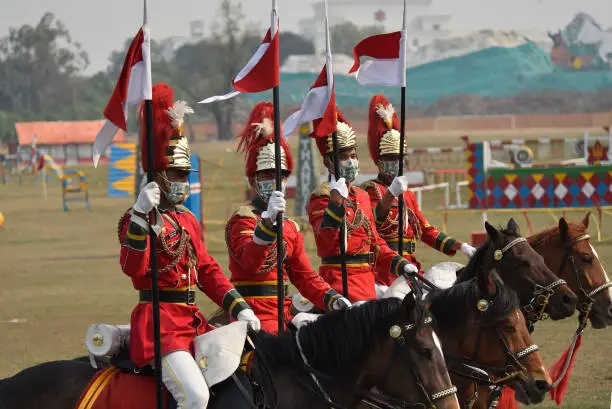
Today, Ghode Jatra is celebrated with a mix of tradition and modern performance. At Tundikhel, the Nepali Army organizes a grand event.

ghode-jatra-2026
Nepali mounted soldiers perform horse riding skills during

Main Highlights:

  • Horse racing and stunts

  • Military drills and parades

  • Martial arts and gymnastics

  • Army and police band performances

High-level officials, including the President and Prime Minister, attend the event.

Local Celebration & Traditions

For locals, especially the Newar community, Ghode Jatra is also a family occasion.

People:

  • Prepare traditional feasts (bhoj)

  • Spend time with family

  • Visit temples

It also marks a seasonal transition, where nutritious food and celebration help maintain health.

Travel Guide for Ghode Jatra 2026

Where to Experience

  • Tundikhel (main venue)

  • Kathmandu

Travel Tips

  • Arrive early to avoid crowds

  • Expect traffic near Tundikhel & Ratnapark

  • Book hotels in advance

  • Carry essentials like water

Ghode Jatra 2026 is a powerful blend of myth, culture, and celebration. From the dramatic legend of Gurumapa to the thrilling horse parade at Tundikhel, the festival offers a truly unforgettable experience.

FAQs About Ghode Jatra

Why is Ghode Jatra celebrated?

It is celebrated to ward off evil spirits and remember the defeat of the demon Gurumapa.

Is it a public holiday?

Yes, it is a public holiday in Kathmandu Valley.

Is it worth visiting?

Absolutely. It is one of the most unique festivals in Nepal.

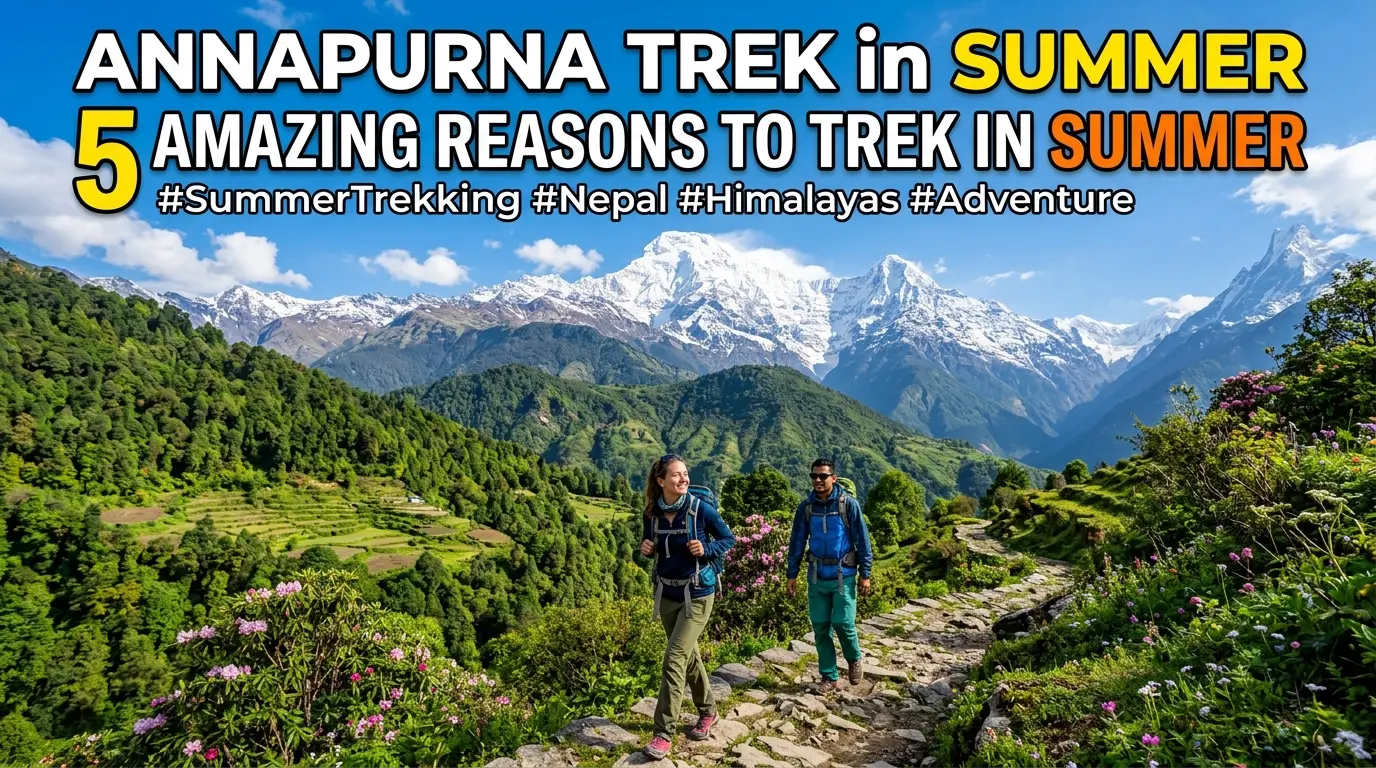
Annapurna Trek in Summer: 5 Amazing Reason To Trek in Summer(2026)

Annapurna Trek in Summer offers a unique and peaceful trekking experience in Nepal’s Himalayan region. Nepal’s Annapurna region is a trekker’s paradise, boasting some of the most breathtaking scenery on the planet. Think of it: verdant subtropical forests, towering Himalayan peaks, and high altitude passes. Summer, spanning June to August, presents a different kind of adventure. Trekking in Annapurna during these months provides a more intimate, less crowded experience.

The monsoon season of Nepal overlaps with summer, which brings warm water temperatures and frequent rainfall, especially in lower elevations. Autumn and Spring are the most popular seasons for trekking, but if you don’t mind occasional rain and love lush green landscapes, trekking during the monsoon can be incredibly rewarding.

Weather in the Annapurna Region During Summer

annapurna-trek-in-summer

The typical summer daytime temperature is 15°C – 25°C in mid elevations. Humidity level is higher, and in the afternoon or evening, there are rain showers.

In summer, cloud-covered mountains are visible on some days; however, mornings are often clearer, and trekkers who start early can still enjoy stunning Himalayan views.

Why Choose the Annapurna Trek in Summer?

Some key advantages of the Annapurna Trek in summer are the following:

1. Fewer Crowds

One of the biggest benefits of trekking in summer is the smaller number of trekkers on the trails. Annapurna Base Camp trek is usually crowded during peak seasons such as spring and autumn. Therefore, during summer, the trails are quieter, which allows trekkers to enjoy nature at a slower pace.

Teahouses are also less crowded, which gives travellers a more relaxed and comfortable trekking experience.

2. Beautiful Green Landscapes

The monsoon season of Nepal brings fresh rain, which brings a vibrant natural paradise. Forests, rice terraces, and hills bring greenery, and waterfalls appear along many trekking trails.

Trekkers can enjoy stunning views of lush valleys and dramatic landscapes surrounding the majestic Annapurna Massif.

3. Rich Cultural Encounters

Since tourists during summer are fewer, travellers often have more opportunities to interact with locals, learn about their culture, and observe traditional farming activities during the monsoon season.

Villages in the Annapurna region are home to ethnic groups such as Gurung and Magar. Summer trekking allows visitors to experience the daily life of local communities more closely.

4. Budget-Friendly Off-Season Perks

Since summer is considered an off-season for trekking in Nepal, it can make the trip more affordable. Many trekking agencies, lodges, and hotels offer discounted prices during this time.

Trekkers may find better deals on accommodation, guides, and transportation while still enjoying the beauty of the Annapurna region.

5. Unique Atmosphere & Personal Challenge

Annapurna trekking in the monsoon season offers a sense of adventure and personal achievement due to its challenging and deeply rewarding experience.

Misty mountain views, flowing rivers, and dramatic cloud formations create a magical and mysterious atmosphere in the Himalayas.

Essential Tips for a Safe Summer Trek

  1. Hire an experienced local guide/porter for real-time route and weather updates.

  2. Build flexibility — add buffer days for rain delays and start early each day.

  3. Monitor conditions — check forecasts, local updates, and agency reports before and during the trek.

  4. Altitude awareness — acclimatise properly and take proper rest.

  5. Health preparation — purify water, carry salt for leeches, and monitor for infections.

  6. Insurance & permits — get comprehensive high-altitude coverage and secure TIMS and ACAP permits.

What to Pack for Summer

For trekking in the Annapurna region in the summer, prioritise waterproofing, quick-drying items, and leech protection.

Clothing & Layers

  • Quick-dry trekking shirts and pants

  • Waterproof jacket and rain pants

  • Poncho or lightweight rain cover

  • Moisture-wicking underwear and socks

  • Hat, buff, and gloves for variable temperatures

Footwear & Protection

  • Waterproof hiking boots with excellent grip

  • Camp shoes or sandals

  • Leech socks with salt or tobacco

  • Trekking poles

Gear Essentials

  • A 50–65 L backpack with a rain cover

  • Dry bags for electronics and clothes

  • Headlamps, power banks, and water purification tools

  • First-aid kit

  • Insect repellent, sunscreen, and toiletries

Extra for Comfort

  • Quick-dry towel

  • Snacks

  • Reusable water bottles

  • Sleeping bag liner

Important Reality Check for Trekkers

Summer brings heavy rain, which can make lower trails slippery and muddy. Leeches and insects are common, visibility is often poor, and risks such as landslides exist. Therefore, summer trekking is not for everyone, especially for beginners. Annapurna trek in summer requires strong fitness, waterproof gear, flexibility, and ideally a local guide.

But for the right person who is experienced, can adapt, nature-loving, and crowd-averse, this Annapurna trek in summer offers a rarer, greener, quieter side of the Himalayas that post-monsoon crowds never see. If you are planning a summer trip, share more about your experience level or preferred route, and we can help you tailor advice or connect you with guides who specialise in monsoon treks.

Langtang Trek in Spring: 5 Reasons Why It’s the Best Season to Visit

Langtang Trek in Spring is one of the most beautiful trekking experiences in Nepal. Walking through the mountains is only one aspect of the Langtang Trek; another is experiencing untamed nature, culture, and an incredible adventure. One of the best times to go on the Langtang Valley Trek in Nepal is in the spring. Nepal’s spring season, which lasts from March to May, is marked by blossoming rhododendron forests, crisp mountain air, and expansive views of the Himalayas. According to the Nepal Tourism Board, spring is one of the best seasons for trekking in Nepal. Spring trekking conditions make the Langtang Trek in Spring ideal for travelers who want clear Himalayan views and blooming forests.

Langtang Valley, 50 kilometres north of Kathmandu, is one of the most rewarding trekking experiences. It is less crowded than the Annapurna or Everest circuit. Therefore, it rewards its visitors with raw, untouched landscapes and the Tamang Buddhist culture. For travellers seeking stunning Himalayan scenery without extreme winter cold or monsoon rain, spring offers the perfect trekking conditions.

Why is Langtang Trek in Spring the Best Season?

langtang-trek-in-spring

1. Blooming Rhododendron Forests

Rhododendron, known as Lali Gurans in Nepali, is Nepal’s national flower. It is a flower with brilliant shades of red, pink, and white, that especially blooms from late March through April. This blooms in the wild and covers hillsides, creating breathtaking scenery along the trekking route.

The trails between Lama Hotel and Ghoda Tabela become a floral wonderland, with dense forests creating a magical shade against the green hillsides and snowy peaks.

2. Clear Mountain Views

One of the highlights of the Langtang Trek in Spring is the opportunity to enjoy crystal-clear views of the Himalayan peaks. Spring trekking in Langtang Valley brings stable weather and clear skies, which offer a chance to view the stunning Himalayan peaks, such as:

  • Langtang Lirung

  • Dorje Lakpa

  • Ganesh Himal

These dramatic snow-covered mountains provide perfect opportunities for photography and unforgettable moments along the trail.

3. Comfortable Trekking Weather

In Spring, daytime temperatures of Langtang Valley range from 10–20°C (50–68°F) at lower elevations, with cooler nights (0–5°C). The trails are snow-free at trekking levels, making for pleasant, enjoyable hiking without extreme cold or monsoon rain. The comfortable temperatures make the Langtang Trek in Spring perfect for both beginner and experienced trekkers.

4. Rich Wildlife and Nature

Spring is the time in Langtang that brings more active sightings of red pandas, Himalayan monals, langurs, deer, and birds. It is a great time for wildlife observation in Langtang National Park. The forests, rivers, and alpine meadows create a diverse ecosystem that makes the trek equally rewarding for nature lovers and photographers.

5. Cultural Experience in Mountain Villages

The Langtang region is home to the Tamang People, whose culture has strong Tibetan influences. The Langtang valley offers colourful prayer flags, spinning prayer wheels, stone houses, and Ancient monasteries, which add a spiritual atmosphere to the journey. The spring’s mild weather enhances interactions with Langtang communities.

10-Day Route for the Langtang Valley Trek

A well-planned itinerary helps trekkers fully enjoy the beauty of the Langtang Trek in Spring. Langtang Valley Trek itinerary follows a gradual route, a journey that takes you on an adventure with raw nature, rich culture, and inner discovery.

Day 1: Arrival in Kathmandu and trek preparation.
Day 2: Drive from Kathmandu to Syabrubesi.
Day 3: Trek from Syabrubesi to Lama Hotel.
Day 4: Trek to Langtang Village.
Day 5: Trek to Kyanjin Gompa.
Day 6: Hike to Tserko Ri for panoramic mountain views.
Day 7: Trek back to Lama Hotel.
Day 8: Trek back to Syabrubesi.
Day 9: Drive back to Kathmandu.
Day 10: Final departure.

Check out our 10-Day Langtang Valley Trek for more information that lets you fully experience the landscapes and culture of the Langtang region without rushing.

Tips for Trekking Langtang in Spring

  • Pack layered clothing, as the temperature can change quickly as you gain altitude.

  • Start trekking early each day because morning skies are usually clearer for mountain views.

  • Since high-altitude sunlight can be intense, carry sun protection.

  • Don’t rush and take time adjusting to the altitude.

  • Stay hydrated and acclimatise properly.

  • Permits are important, therfore obtained the required permits: Langtang National Park entry and TIMS card in Kathmandu.

  • Respect the Tamang culture, and support local businesses.

  • Learn to greet with “Namaste” and ask for permission before taking photos.

  • It is best to travel responsibly and consider eco-friendly operators.

Final Thoughts

The Langtang Trek in Spring is a truly unforgettable experience, with the combination of blooming forests, clear Himalayan views, rich wildlife, and welcoming mountain villages. This creates a journey that is both scenic and deeply meaningful.

You feel more connected to nature, culture, and resilience after a 10-day adventure trek. Whether you’re looking for peace, breathtaking scenery, or cultural depth, Langtang in the springtime offers it all in striking clarity and color.

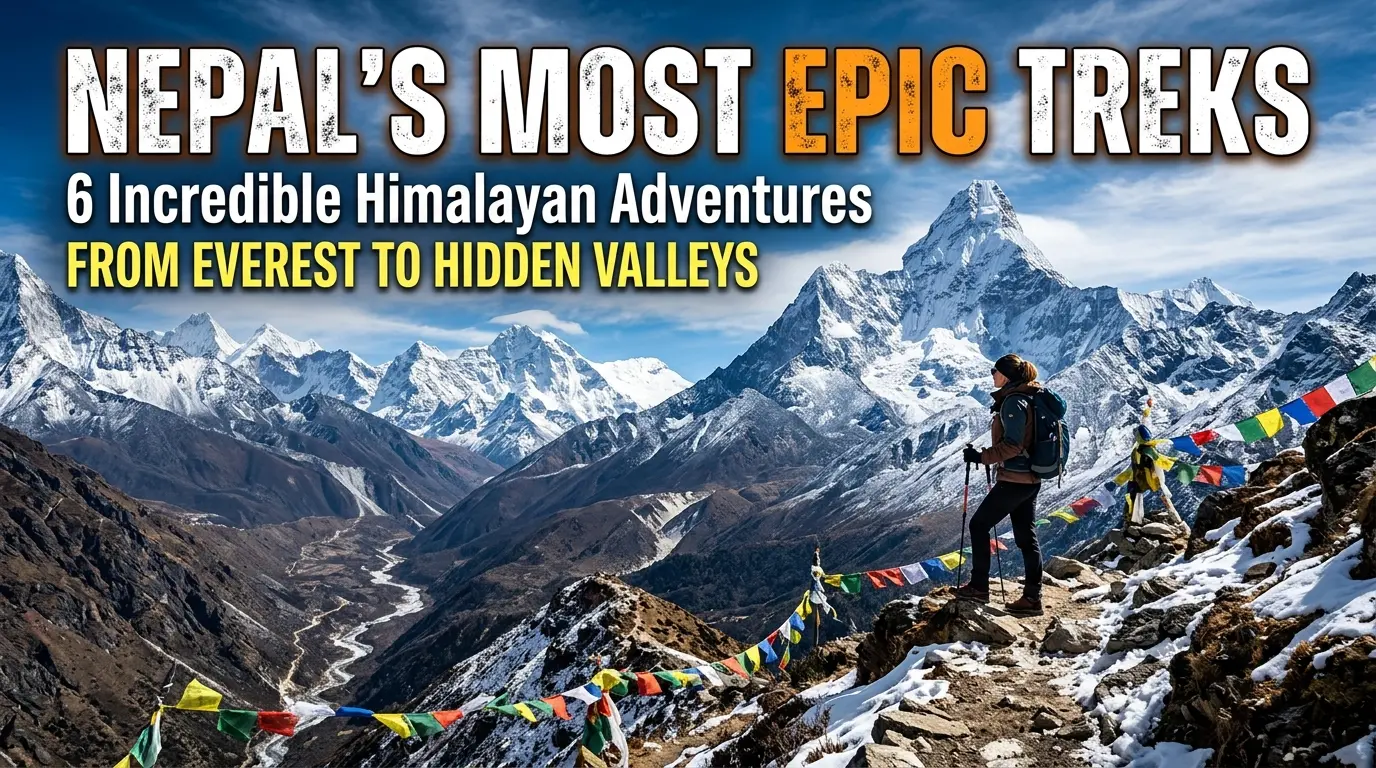
Nepal’s Most Epic Treks: 6 Incredible Himalayan Adventures from Everest to Hidden Valleys

Nepal’s Most Epic Treks offer some of the most breathtaking trekking experiences in the world. Nepal, home to eight of the world’s fourteen 8,000-meter peaks, including the iconic Mount Everest, is a dream destination for travelers and trekkers. From Everest Base Camp to remote valleys, Nepal’s Most Epic Treks attract trekkers from around the world. This guide explores Nepal’s Most Epic Treks, from Everest Base Camp to remote Himalayan valleys. Nepal trekking offers something to everyone, whether vibrant villages, calm valleys, or snow-covered peaks. Whether you are a beginner, an experienced hiker, or an adventure seeker, trekking in Nepal is an experience that changes you forever.

In this blog, we will explore the best treks in Nepal, highlighting culture, scenery, the best season, difficulty, and tips to help you plan your next Himalayan adventure. Here are some of Nepal’s Most Epic Treks every adventure traveler should consider.

Why Trek in Nepal?

nepal's-most-epic-treks

Nepal is known as the “trekker’s paradise” because trekking here provides:

  • Stunning Himalayan Views — See some of the world’s highest mountains up close.

  • Diverse landscapes — from lush forests to high-altitude deserts.

  • Rich culture — Experience Sherpa, Gurung, Tamang, and Thakali communities.

  • Variety of treks — short 3-day treks to multi-week circuits.

Top 6 Nepal’s Most Epic Treks

1. Everest Base Camp Trek (EBC)

everest-base-camp-trek

The Everest Base Camp Trek is the most famous trek in Nepal and a bucket-list experience for trekkers worldwide. Starting from Lukla, the terrific flight and hike to the Khumbu region, the EBC trek is a high-altitude trek of 5,364 meters. This trek offers stunning views of the Himalayas, including Mount Everest, Lhotse, Nuptse, and Ama Dablam.

EBC Trek also offers you the chance to immerse yourself in Sherpa culture and traditions.

Highlights

  • Visit Namche Bazaar, the bustling hub of the Khumbu region.

  • Monasteries like Tengboche Monastery and local Buddhist rituals.

  • Panoramic views of Mountain peaks at sunrise from ‘Kala Patthar’.

  • Experience Sherpa culture and local cuisine.

  • Trekkers often climb Kala Patthar (5,545 meters) for the breathtaking sunrise views of mountain peaks.

Quick Glance

  • Start/End: Lukla (fly from Kathmandu)

  • Duration: 12–16 days

  • Max Attitude: 5,364 meters (Kala Patthar)

  • Distance: ~130km round trip

  • Permits: TIMS (Trekkers’ Information Management System) + Khumbu Pasang Lhamu

2. Annapurna Circuit Trek

The Annapurna Circuit Trek is a journey through Nepal’s natural and cultural diversity. The Annapurna Circuit Trek is also called the crown jewel of Nepal trekking, which offers dramatic landscapes, diverse climates, and rich cultural experiences. This trek starts in Besisahar and goes to villages like Manang, Muktinath, and Jomsom, and usually ends in Pokhara. The maximum altitude of this trek is 5,416 meters, reached at Thorong La Pass. This trek rewards panoramic views of Annapurna I, Dhaulagiri, and Machapuchare.

Highlights

  • Thorong La Pass is the highest point of the trek.

  • Views of Annapurna I, Dhaulagiri, etc.

  • Visit traditional Gurung and Thakali villages.

  • Relax in natural hot springs at Tatopani.

  • The Annapurna Circuit offers a perfect balance of adventure, scenery, and cultural experiences in the Himalayas.

Quick Glance

  • Start – End: Besishahar – Pokhara

  • Duration: 14–20 days

  • Max Altitude: 5,416 meters (Thorong La Pass)

  • Distance: ~160–230 km

  • Permits: ACAP (Annapurna Conservation Area) + TIMS

3. Annapurna Base Camp Trek (ABC)

annapurna-base-camp-trek

The Annapurna Base Camp Trek (ABC) takes trekkers straight into the Annapurna Sanctuary, surrounded by stunning peaks and glaciers. This trek offers rich cultural experiences and panoramic Himalayan views of Annapurna I, Machhapuchare, and Hiunchuli. Compared to the Annapurna Circuit, ABC is shorter and more accessible. The maximum altitude of this trek is 4,130 meters at Annapurna Base Camp.

Highlights

  • Close-up views of Annapurna South and Machapuchare.

  • Beautiful villages tour of Ghorepani and Chhomrong.

  • Stunning sunrise and sunset.

Quick Glance

  • Start/End: Nayapul (Pokhara)

  • Duration: 8–12 days

  • Max Altitude: 4,130 meters (Annapurna Base Camp)

  • Distance: ~115 km round trip

  • Permits: ACAP + TIMS

4. Langtang Valley Trek

the-langtang-valley-trek

The Langtang Valley Trek is less crowded than the Everest and Annapurna regions. Lantang Valley is just north of Kathmandu; therefore, it is more easily accessible. This trek offers calm mountain views, lush forests, and high-altitude meadows at 4,984 meters.

Highlights

  • Views of Langtang Lirung.

  • Traditional Tamang villages and monasteries.

  • Lush forests and alpine meadows.

Quick Glance

  • Start/End: Syabrubesi (drive from Kathmandu)

  • Duration: 8–12 days

  • Max Altitude: 4,984 meters (Tserko Ri)

  • Distance: ~70 km round trip

  • Permits: LNP (Langtang National Park Permit) + TIMS

5. Manaslu Circuit Trek

manaslu-circuit-trek

The Manaslu Circuit Trek circles the 8th highest mountain in the world, Mount Manaslu (8,163 meters), crossing the breathtaking Larkya La Pass at 5,106 meters. It is one of Nepal’s most spectacular treks, offering a high-altitude adventure, Tibetan culture, and rugged Himalayan landscapes. In this trek, experience the panoramic Himalayan views of Mount Manaslu, Himalchuli, and Ngadi Chuli.

Highlights

  • Circle around the 8th-highest mountain in the world, Mount Manaslu.

  • Explore ancient monasteries and small villages untouched by mass tourism.

  • Experience true Himalayan solitude.

Quick Glance

  • Start – End: Machha Khola – Dharapani

  • Duration: 14–18 days

  • Max Altitude: 5,106 meters (Larkya La)

  • Distance: ~177 km

  • Permits: RAP (Restricted Area Permit) + TIMS

6. Upper Mustang Trek

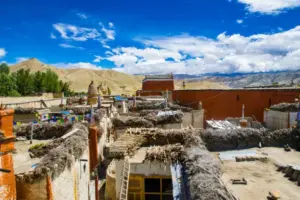
The Upper Mustang Trek is a unique adventure into the remote Trans-Himalayan region of Nepal. This trek combines stunning scenery, Buddhist monasteries, and centuries-old culture. Mustang was a restricted area until 1992, preserving its Tibetan culture, ancient village, and desert-like landscapes.

Highlights

  • Explore 800-year-old streets and monasteries of the Lo Manthang Walled City.

  • Tibetan Buddhist Monasteries.

  • Witness red desert cliffs and canyons.

  • View ancient caves and cultural festivals.

Quick Glance

  • Start/End: Jomson (fly from Pokhara)

  • Duration: 10–14 days

  • Max Altitude: 3,840 meters (Lo Manthang)

  • Distance: ~145 km round trip

  • Permits: RAP + TIMS

Trek Comparison at a Glance

Trek Duration Max Altitude Difficulty Best Season Crowd Level
Everest Base Camp 12–14 days 5,545m Hard Oct–Nov, Mar–May High
Annapurna Circuit 14–20 days 5,416m Moderate–Hard Oct–Nov, Mar–May Moderate
Annapurna Base Camp 8–12 days 4,130m Moderate Oct–Nov, Mar–May Moderate
Lantang Valley 8–12 days 4,984m Moderate Mar–May, Oct–Dec Low
Manaslu Circuit 14–18 days 5,106m Hard Sep–Nov, Mar–May Very Low
Upper Mustang 10–14 days 3,840m Moderate Apr–Oct Low

Which Trek Is Best?

There is no single “best” trek in Nepal; it all depends on your preference, adventure style, comfort, and cost.

  • EBC: Everest dreamers and world-famous trek.

  • Annapurna Circuit: Diversity in a single trip.

  • ABC: First-time Himalayan trekkers and those with limited time.

  • Langtang Valley Trek: Trekkers on a tight schedule and fewer crowds.

  • Manaslu Circuit Trek: Experienced trekkers craving adventure, solitude, and authentic culture.

  • Upper Mustang Trek: Culture lover and history enthusiast.

Essential Trekking Trips for Nepal

  • Adjust with altitude properly.

  • Get your permits.

  • Pack Smart, Pack Light. (Aims under 10–12 kg)

  • Choose the Right Season

  • Hire a local guide to enrich your experience.

  • Water & Hydration

Final Thoughts

Choose a trek based on your fitness level, time availability, adventure style, preferences, and comfort. Nepal offers something for everyone, whether you dream of reaching Everest Base Camp, Annapurna Base Camp, Upper Mustang Trek, or others. Nepal’s mountains are waiting to welcome you with open skies and unforgettable views. Whether you choose Everest, Annapurna, or Mustang, Nepal’s Most Epic Treks promise unforgettable Himalayan experiences.

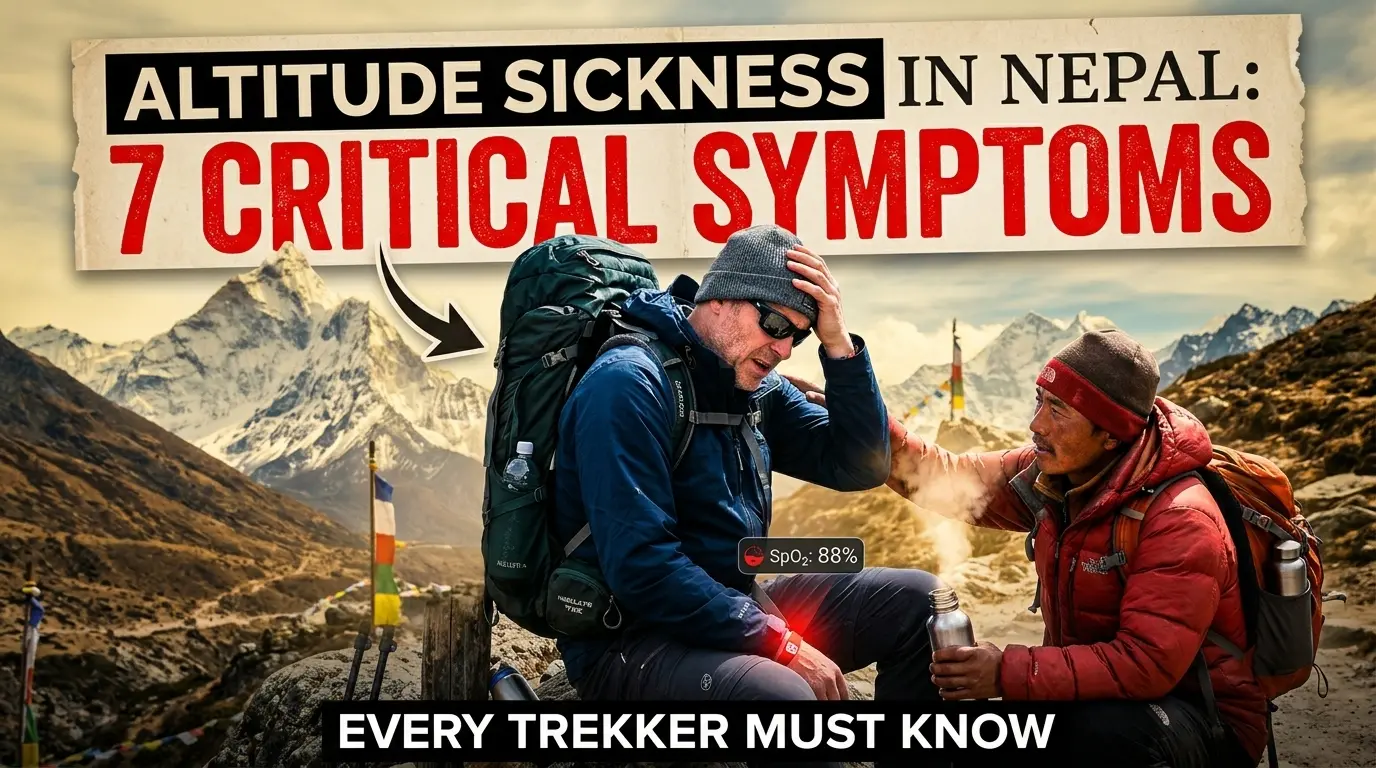
Altitude Sickness in Nepal: 7 Critical Symptoms Every Trekker Must Know

Altitude Sickness in Nepal is one of the most important health risks trekkers face while exploring the Himalayas. Every year, tens of thousands of trekkers from around the world set off into the mountains of Nepal. Routes like Everest Base Camp, the Annapurna Circuit, and the Manaslu Circuit challenge the trekkers’ fitness level and background. But no matter how well you are prepared, as the altitude increases, so does the risk of altitude sickness in Nepal.

Understanding what it is, how it affects your body, and what to do if it strikes is not optional knowledge for trekking in Nepal. It is essential.

altitude-sickness-in-nepal

What is Altitude Sickness?

Altitude sickness in Nepal, known as Acute Mountain Sickness (AMS), is a condition that occurs when you struggle to adjust to the reduced oxygen levels found at high elevations. It is not a disease, but your body’s reaction to an environment without adequate time to adapt.

As you climb higher, the atmospheric pressure drops, which means each breath you take contains fewer oxygen molecules. Above 2,500 meters (8,200 feet), the difference in altitude from sea level becomes significant enough to cause physiological stress. Above 3,500 meters, where many of Nepal’s most popular trekking routes travel, the risk of altitude sickness becomes very real.

What Happens to Your Body at High Altitude?

The moment you begin hiking above 2,500 meters, your body detects the drop in oxygen availability and immediately tries to adjust. In the rapid process of your body trying to adjust:

  • Your breathing rate increases as your lungs work harder to pull in more air.

  • Your heart rate rises to pump oxygen.

  • Your body produces more red blood cells, as more red blood cells mean more capacity to carry oxygen.

  • You may lose appetite and feel fatigued.

  • Your sleep is also significantly disrupted at altitude.

Symptoms of Altitude Sickness

Altitude sickness can range from mild to severe.

Mild Symptoms

  • Headache

  • Nausea

  • Dizziness

  • Loss of appetite

  • Fatigue

  • Difficulty in sleeping

These symptoms are your body’s early warning system, and they deserve your full attention. These symptoms, if treated early by rest, hydration, or a slow pace, usually have a quick recovery.

Moderate to Severe Symptoms

1. HAPE (High Altitude Pulmonary Edema)

This occurs when fluid floods the lungs.

Symptoms

  • Shortness of breath

  • Persistent cough

  • Chest tightness

  • Extreme weakness

HAPE can develop rapidly and become fatal within hours if descent and treatment are delayed.

2. HACE (High Altitude Cerebral Edema)

This happens due to swelling of the brain.

Symptoms

  • Severe headache

  • Confusion

  • Loss of coordination

  • Difficulty walking straight

  • Hallucinations

Every minute without descent and treatment worsens the outcome.

What Should You Do If You Get Altitude Sickness?

The moment you recognize any symptoms, the most important thing you need is to stop hiking.

Many trekkers dismiss early symptoms and keep climbing; that’s how it leads to HAPE or HACE.

  • Rest at the same altitude for about 24–48 hours.

  • Drink plenty of water, about 3–4 liters per day.

  • Eat a light, carbohydrate-rich meal even if you don’t feel hungry.

  • Avoid alcohol and sleeping pills, as they suppress your breathing and accelerate fluid loss.

  • Take appropriate medication.

  • Inform your guide so they can monitor your AMS.

  • Call for helicopter evacuation if necessary.

  • Descend immediately if your symptoms worsen.

How to Prevent Altitude Sickness?

Prevention is always more effective than treatment when it comes to altitude sickness. To reduce your risk:

  • Ascend gradually; the most recommended way is to hike only about 300 to 500 meters per day once you are above 3,000 meters.

  • Take acclimatization days as an investment.

  • Rest at the same altitude for about 24–48 hours to get your body adjusted.

  • Stay hydrated. Aim to drink consistently throughout the day rather than waiting until you feel thirsty.

  • Avoid alcohol and heavy meals at altitude because they disrupt breathing patterns and can worsen nausea.

  • Arrive at altitude gradually before your trek begins. Spend an extra night in a lower-altitude town before hiking or flying into the mountains so your body can adjust to the altitude.

  • Choose an experienced guide and trekking company so they can recognize the early signs of altitude sickness and know the correct protocols for responding to it.

Is Altitude Sickness Common in Nepal?

Yes, altitude sickness is common among trekkers in Nepal, and understanding how to prevent it and what to do in those conditions is most important for every trekker.

With Nepal’s geography, many popular treks gain elevation quickly. The Everest Base Camp route climbs from Lukla at 2,860 meters to Base Camp at 5,364 meters. The Annapurna Circuit crosses the Thorong La Pass at 5,416 meters. These are serious elevations that demand serious respect.

Hundreds of cases of altitude illness are seen every trekking season. Doctors and volunteers provide free altitude sickness consultation along major trekking routes in Nepal through the Himalayan Rescue Association (HRA) in Manang and Pheriche.

Deaths from altitude sickness in Nepal are relatively rare. These tragedies are common because trekkers notice symptoms but ignore them, or the decision to descend is delayed too long.

A Final Word

Trekking in Nepal is one of the most extraordinary experiences. The landscapes are unlike anything else on earth. The mountain views, culture, ancient history and tradition, teahouses, hospitality of Nepali people, prayer flags, and more bring experiences and stories that stay with you for a lifetime.

But your health and your life are more important.

Altitude sickness in Nepal is not something to fear if you approach it with knowledge and preparation. It is important to know the symptoms, know what to do, and know that descending is never a failure.

The Himalayas are patient and will be there next season too. Prioritize your health and go slow.

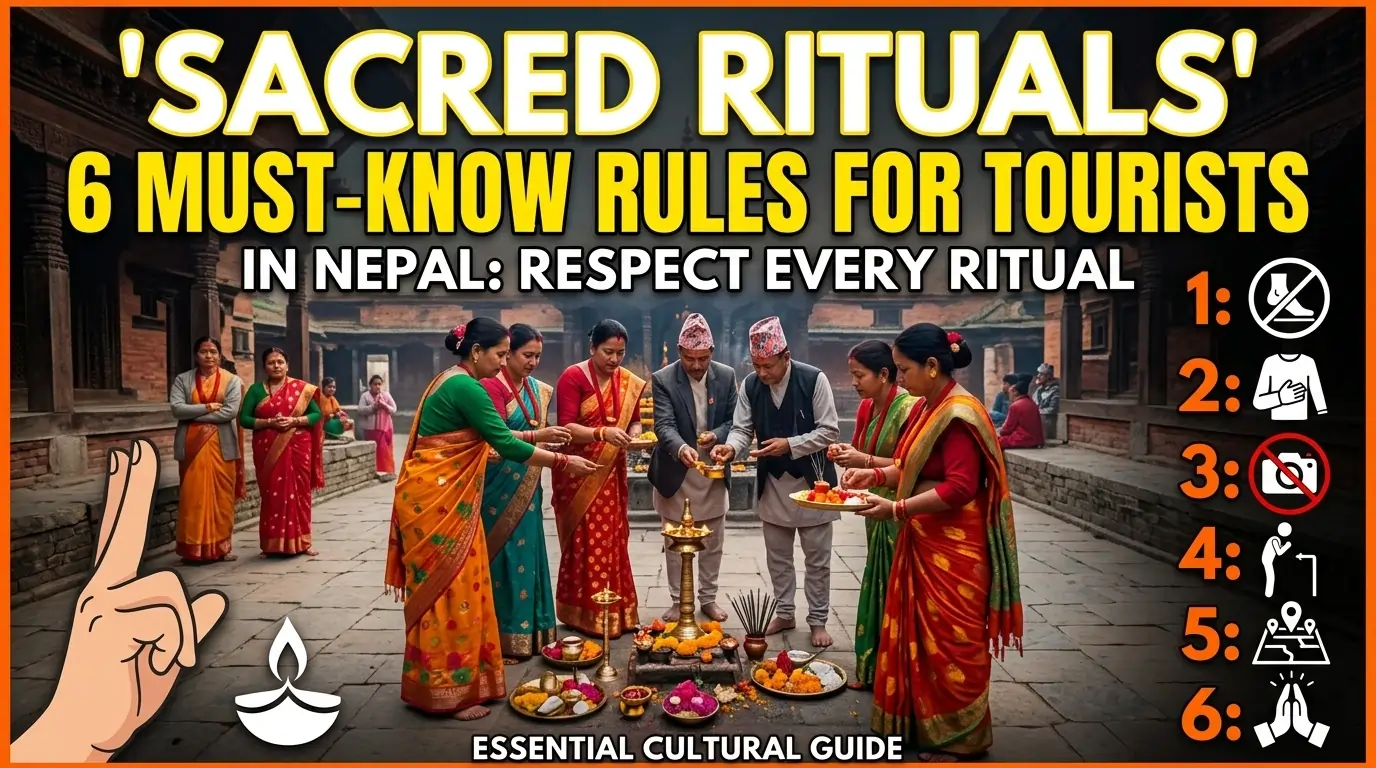
Sacred Rituals Tourists Should Respect in Nepal: 6 Important Cultural Rules Every Visitor Must Know

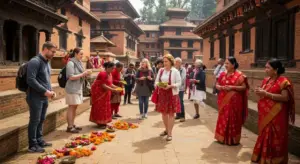
Sacred Rituals tourists should respect in Nepal are an important part of the country’s spiritual culture. Nepal is known not just for its breathtaking mountains, but also for its ancient temples and vibrant spiritual tradition. Religion plays an important role in the everyday life of Nepal, and sacred rituals are practiced across temples, monasteries, and holy sites throughout the country. Witnessing these rituals can be a beautiful and meaningful experience for everyone. However, many visitors unknowingly break certain cultural norms simply because they are unfamiliar with local customs. Understanding and respecting these traditions helps travelers avoid misunderstandings and shows appreciation for Nepal’s deep spiritual heritage. Understanding the Sacred Rituals Tourists Should Respect in Nepal helps travelers avoid cultural misunderstandings when visiting temples and monasteries.

1. Walking Around Temples the Wrong Way

In both Buddhism and Hinduism, the act of walking around a sacred structure is a devotional practice known as kora. Stupas and monasteries such as Boudhanath Stupa or Swayambhunath Stupa, and temples like Pashupatinath Temple or Muktinath Temple, devotees are to walk clockwise as a sign of respect and devotion.

Tourists who walk counterclockwise or cut through these paths may unintentionally interrupt people performing their prayers or rituals.

Sacred-Rituals-Tourists-Should-Respect-in-Nepal

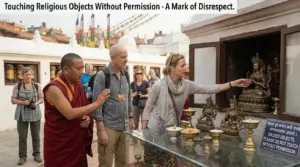
2. Touching Religious Objects Without Permission

Sacred objects like statues, offerings, ritual items, shrines, or holy items are often used in active worship; it is best to avoid touching them. They carry the collected intention of generations of ritual use. Some visitors touch or pose with them for photos without realizing they are scared.

This can feel disrespectful to locals who view these objects as holy. Therefore, avoid touching religious items unless a guide or monk invites you to do so.

Sacred-Rituals-Tourists-Should-Respect-in-Nepal

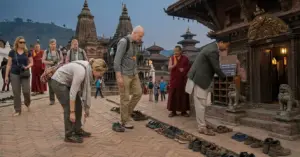
3. Entering Temples with Shoes On

Shoes are considered impure in sacred spaces. In Nepal, removing shoes before entering temples and monasteries is a common practice. Removing shoes is a universal sign of respect in both Hindu and Buddhist sites.

Many tourists simply forget or do not notice the rule when entering temple courtyards or shrines. So, look for shoe racks or follow what locals are doing before entering a temple.

Sacred-Rituals-Tourists-Should-Respect-in-Nepal

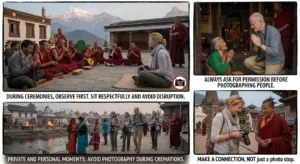
4. Sacred Rituals Tourists Should Respect in Nepal When Taking Photos During Rituals

During prayers, ceremonies, or when photographing people (monks, worshippers, or elders), flash photography or intrusive shots can disrupt sacred moments. Nepal’s ceremonies and rituals are visually fascinating, but not every moment is appropriate for photography, as some are deeply personal and spiritual.

Taking photos during cremation ceremonies or private prayers can be especially insensitive. Therefore, it is always more appropriate to ask permission before photographing people, monks, or religious ceremonies.

Sacred-Rituals-Tourists-Should-Respect-in-Nepal

5. Ignoring Dress Etiquette

Nepal is welcoming to travelers, but modest clothing is appreciated when visiting sacred places. Wearing very revealing clothing at temples or monasteries may make locals uncomfortable. Dressing modestly shows respect for the deity being worshipped and the community gathered in that space.

Don’t enter temples or gompas in sleeveless tops or short shorts; instead, consider carrying a shawl or scarf as a default travel item to cover yourself.

Sacred-Rituals-Tourists-Should-Respect-in-Nepal

6. Treating Mountain Monasteries as Photo Stops

Many monasteries in the Himalayan region are active places of worship where monks live, study, and meditate. Some tourists visit only for quick photos and may talk loudly or disturb the peaceful environment. These monasteries are spiritual sanctuaries rather than tourist attractions.

Monasteries are places for meditation and devotion. Speak quietly, avoid loud behavior, don’t interrupt prayers or monks, and maintain a respectful distance.

Sacred-Rituals-Tourists-Should-Respect-in-Nepal

Respect Makes the Journey More Meaningful

Travelling in Nepal offers more than stunning landscapes. It provides a chance to experience a culture deeply rooted in spirituality and tradition. By respecting sacred rituals and local customs, travelers can build genuine connections with the places they visit. A little cultural awareness goes a long way in making travel more respectful, enriching, and memorable. Understanding the sacred rituals tourists should respect in Nepal and connect more deeply with local traditions.

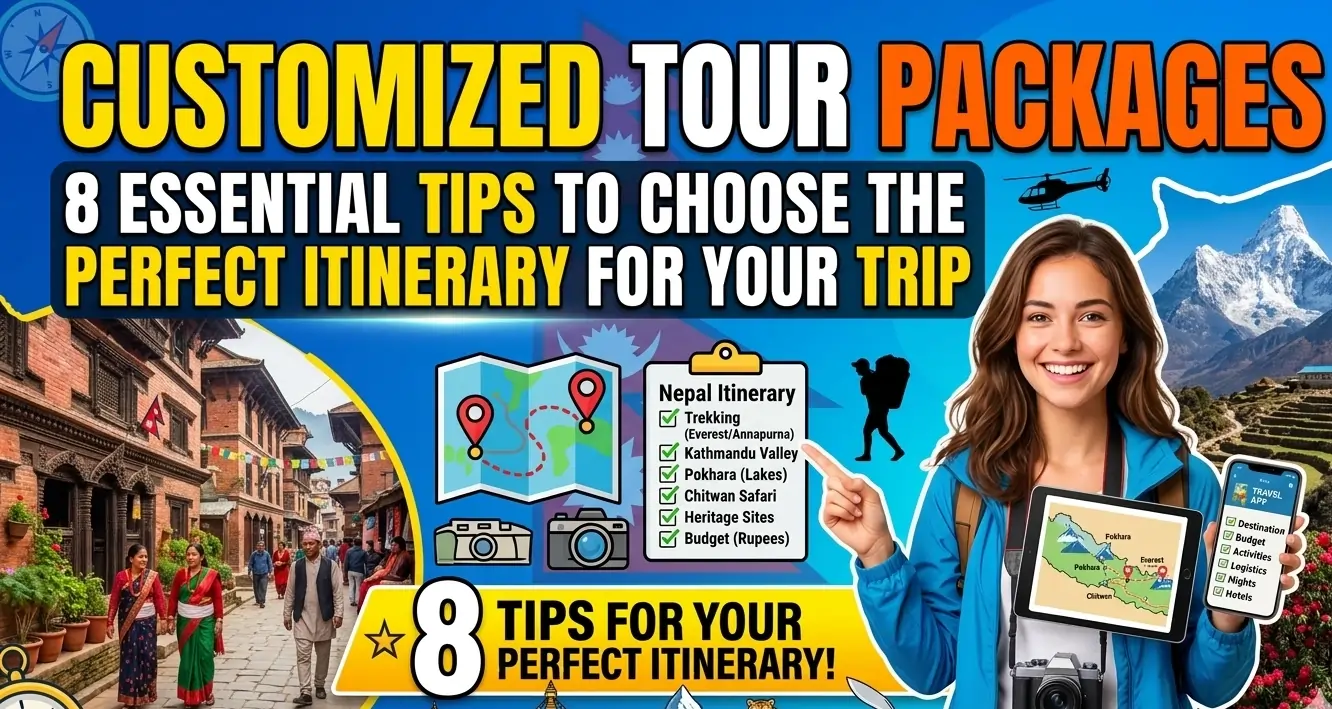
Customized Tour Packages: 8 Essential Tips to Choose the Perfect Itinerary for Your Trip

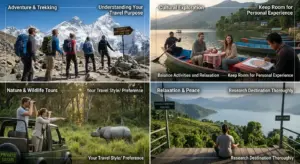
Travelling is one of the exciting ways to explore the world. Travelling is not just about visiting new places, but also about creating an unforgettable experience. Some travellers prefer adventure tours, some prefer relaxation & peace, some tour to immerse themselves in culture & tradition, some want to experience nature & wildlife tours, some for spiritual & wellness, etc. This is where customized tour packages come in. Instead of following a fixed schedule for everyone, a personalized itinerary allows you to enjoy a tour based on your interests, budget, time, style, and comfort level. Choosing the right customized tour packages ensures that your trip matches your expectations and travel goals.

customized-tour-packages

If you are planning your next trip and considering these things, choose the right itinerary for you.

1. Understanding Your Travel Purpose

Understanding why you are taking this trip is the first thing to consider. Is it for relaxation? Adventure? Trekking? Cultural exploration? Romantic gateway? Family Gateway? Business & co-operation? etc.

Your travel purpose helps you to shape your tour package. If you are looking for an adventure trek, Everest Base Camp (EBC), or if relaxation is what you need, a tour to Pokhara or Nagarkot should be ideal for you. You can learn more about trekking routes from the Nepal Tourism Board website.

2. Your Travel Style/ Preference

Everyone travels differently because of their preferences, style, budget, and comfort. Some preferred to fast-paced tour with visiting multiple cities, whereas some prefer slow travel that allows them to relax. When selecting customized tour packages, understanding your travel style helps you create a more enjoyable and comfortable itinerary.

Know your preference, ask yourself questions like:
Do you prefer luxury hotels or budget stays?
Do you enjoy group tours or a private experience?
Are you comfortable with long road trips or flights?

These questions help you to choose the right itinerary for you. For example, if you preferred group tour, you can do a group city tour, if you preferred private experience – private jungle safari in Chitwan could be ideal.

3. Set a Realistic Budget

Budget plays an important role in choosing your itinerary. Budget plays an important role when planning customized tour packages because it determines accommodation, activities, and transportation options. Being honest with your budget and spending limits helps a travel planner to create the best options for you. The budget includes your accommodation, meals, transportation, activities, and entry fees, travel expenses, emergency expenses, etc.

Setting your budget and planning accordingly helps to plan a realistic financial itinerary, which ensures that you don’t overspend and enjoy your tour/trip stress-free.

4. Duration of Your Trip

Your trip duration is as important as your budget. If you don’t have much time, then don’t overload your itinerary with multiple city tours or treks.

A good trip rule can be:

Short trip (3-5 days): Visit and enjoy one destination, that can be Pokhara relaxation tour.
Medium trip (6-10 days): Explore two locations, for eg, Kathmandu and Pokhara.
Long trip (10+ days): Combine multiple experiences, which can include exploring Nepal highlights or treks, such as the Annapurna Base Camp trek.

This plan helps you to be relaxed and not be exhausted on your tour.

5. Research Destination Thoroughly

Before travelling, you need to research various things, even if you are working with a travel agency. Look into things like:

Weather conditions
Peak and off-seasons
Local culture and traditions
Safety guidelines

For example, some destination is more vibrant in a specific season due to the surroundings, whereas some are more enjoyable in the festival season.

6. Balance Activities and Relaxation

Having planned many activities in a single day will lead to exhaustion and drain rather than enjoyment. This mistake is common while planning the itinerary. The temptation of seeing everything and experiencing every culture is great, but the trip should be enjoyable and not overwhelming.

A balanced itinerary includes sightseeing, local experience, and rest time. It should be flexible for unexpected opportunities and moments.

7. Choose a Reliable Travel Partner

Your travelling partner is the travel company you choose and trust for your tour/trip. A reliable travelling partner will listen to your preferences and plan accordingly. A reliable travel company can help you design the best customized tour packages based on your preferences and travel goals. Therefore, it is very important to know about them and their reputation. Look into them for their:

Customer Reviews
Transparent Pricing
Clear Communication
Flexible Cancelling Policies

8. Keep Room for Personal Experience

The tour and trek in Nepal are all about the experience of the Himalayas, culture and tradition, cuisines, hidden gems, etc. The personalised itinerary gives a big advantage here, allowing you to experience your tour as you want. It helps to create a meaningful experience and opportunity for you. Small adjustments and changes can make your journey unforgettable.

Final Thoughts

Your itinerary should reflect your interests, budget, time, purpose, and pace, and then your journey becomes more than a vacation. It becomes the trip that will be a special, exclusive, and unforgettable experience for you. With well-planned customized tour packages, your journey becomes more than just a vacation; it becomes a memorable experience.

Therefore, take your time, understand you and your trip preference, communicate clearly with the travel partner, and prioritise what truly matters to you. A well-planned journey might change your perspective, but a customized one changes the way you experience. If you are looking for adventure, explore our Everest Base Camp Trek package.

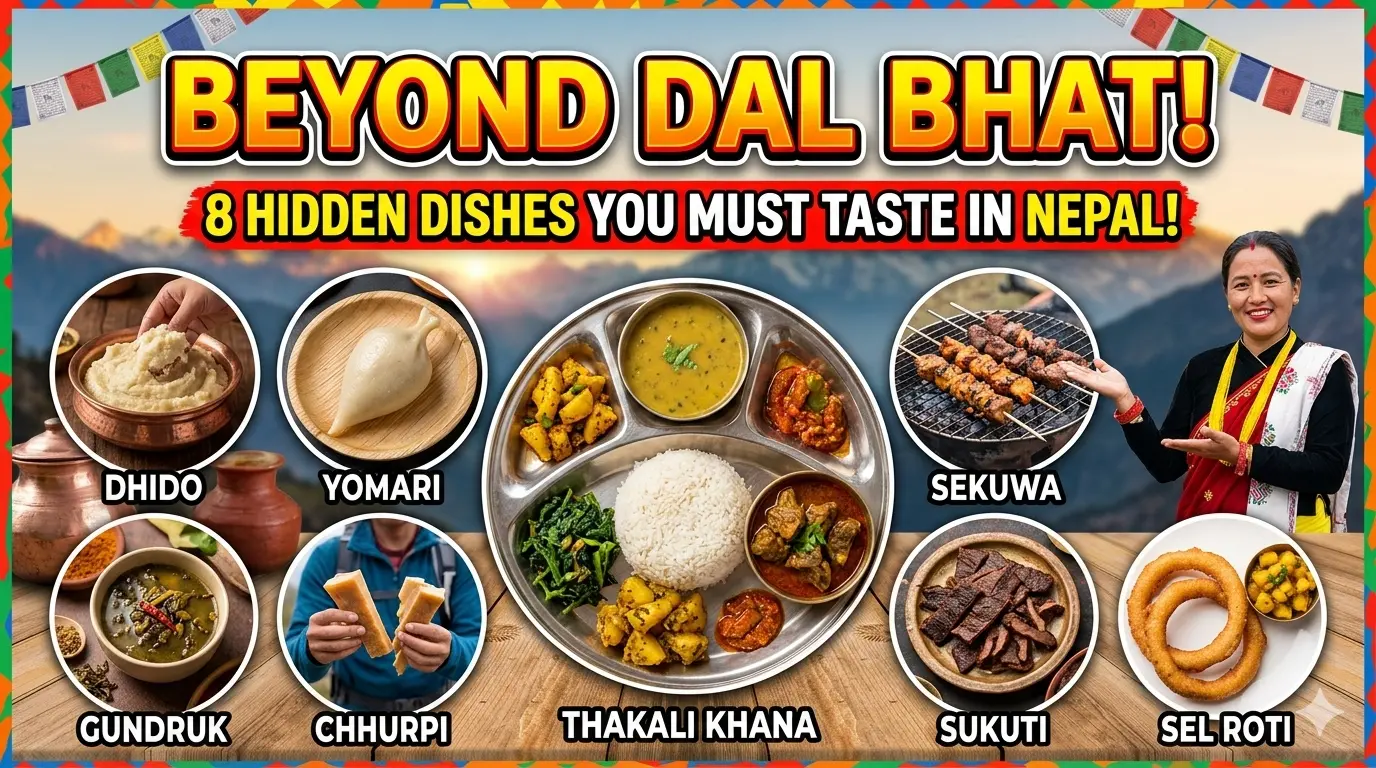
Beyond Dal Bhat: 8 Authentic Nepali Dishes Every Traveler Must Taste

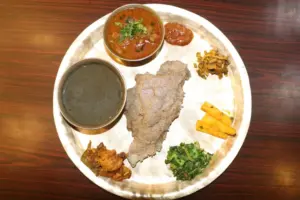
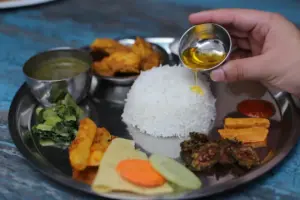
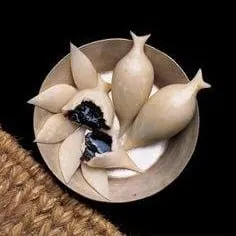
Nepal’s cuisine is far richer than the everyday dal bhat that fuels trekkers and locals alike. While dal bhat is comforting and reliable, the country’s true culinary treasures lie in its region. The cuisines of Nepal offer a wide variety of regional specialities that many tourists never get the chance to try.

Here are some authentic Nepali foods you should try beyond Dal Bhat.

1. Dhido-A Traditional Dish Beyond Dal Bhat

beyond-dal-bhat

Dhido is one of Nepal’s oldest traditional cuisines, especially common in the hill and mountain regions. Before rice became widely accessible, Dhido was the main daily food for many Nepali communities.

Dhido is a thick, hearty porridge made by stirring flour from millet, buckwheat, corn, or barley into boiling water until it forms a dense, dough-like consistency. It is traditionally eaten with hands by rolling it into balls and dipping it into curries, gundruk, or vegetable sides. If you try dhido in rural homestays in Langtang, Mustang, or along trekking routes, you can experience the true essence of Himalayan resilience. Many trekkers discover traditional foods like dhido while travelling through mountain regions such as Langtang Valley and Mustang.

Dhido is typically served with:

  • Lentil Soup

  • Vegetable curry

  • Meat curry

  • Fermented greens such as gundruk

2. Thakali Khana Set– A Complete Meal Beyond Dal Bhat

thakali-khana-set

Unlike a simple Dal Bhat meal, the Thakali set often includes a wider variety of side dishes and distinct flavours that represent the culinary traditions of the Himalayan region. The Thakali people of the Kali Gandaki River valley built their wealth on the ancient salt trade between Tibet and the Indian plains, and their food reflects that prosperity. This meal is known for its balanced flavours, variety, and careful presentation.

A typical Thakali Khana Set includes:

  • Steamed rice

  • Lentil soup (dal)

  • Spinach or leafy greens

  • Potato curry

  • Pickles and Chutneys

  • Meat curry

  • Femented vegetables

3. Yomari– A Sweet Treat Beyond Dal Bhat

beyond-dal-bhat


Yomari is not just a dumpling, but also a wish, a festival, and an art form. It is typically made during Yomari Punhi, the full moon that follows the rich harvest, celebrated primarily in the Kathmandu Valley. These are teardrop-shaped steamed dumplings, crafted from freshly pounded rice flour dough and filled with chaku (a thick, spiced molasses made from jaggery and sesame) or sweetened lentils. It is sweet, chewy, and subtly spiced, which is also gluten-free and vegetarian. You can hunt for fresh yomari in Bhaktapur or Patan during the season, or at Newari specialty shops year-round.

beyond-dal-bhat

Sekuwa is one of Nepal’s most flavorful street foods and a favourite among meat lovers. It is a tender chunk of meat (chicken, lamb, pork, goat, or buffalo) marinated in yoghurt, ginger-garlic, mustard oil, spices, and chillies, then skewered and grilled over open flame or charcoal for a smoky, charred finish. It is also a popular snack enjoyed in restaurants, street stalls, and gatherings with friends.

Sekuwa is often served with:

  • Sliced onions

  • Fresh lemon

  • Tomato or chill chutney

5. Gundruk– A Traditional Flavor Beyond Dal Bhat

beyond-dal-bhat

Gundruk is a unique fermented leafy green (mustard, radish, or cauliflower leaves) widely consumed in rural areas of Nepal. It is sun-dried and naturally fermented, creating a tangy, probiotic-rich side dish akin to sauerkraut or kimchi. It’s a winter essential in the hills and mountains. It provides what preserved foods always provide: a mineral sourness, a complexity that fresh vegetables simply cannot offer, and the taste of a specific season.

Gundruk can be prepared in several ways:

  • As a soup

  • Mixed with tomatoes and spices

  • As a pickle

6. Chhurpi– A Unique Himalayan Food Beyond Dal Bhat

beyond-dal-bhat
Churpi

Chhurpi is a hard, chewy cheese made from yak or cow milk, boiled and pressed into blocks. It is high in protein and long-lasting. It is a traditional Himalayan cheese made from yak or cow milk. There are two main types:

  • Soft chhurpi: It is usually used in curries and soups.

  • Hard chhurpi: It is extremely tough and chewed slowly like candy.

Hard chhurpi is also one of Nepal’s finest edible souvenirs, as it can be kept for months without refrigeration.

7. Sukuti– A Traditional Snack Beyond Dal Bhat

beyond-dal-bhat
Sukuti

Nepal has no great tradition of refrigeration, but it has an extraordinary tradition of preservation. Sukuti is meat, most commonly buffalo, goat, or venison. It is dried in a thin strip over a smoky fire or in the open mountain air until it becomes intensely flavoured, chewy, and shelf-stable for months. Sukuti is eaten as a snack, crumbled into beaten rice (chiura), fried with onions and green chillies as a side dish, or incorporated into the Thakali set meal.

8. Sel Roti– A Festival Food Beyond Dal Bhat

beyond-dal-bhat
Selroti

Sel rotis are hollow, ring-shaped rice-flour doughnuts fried in ghee or oil until golden and slightly crisp on the outside, soft and airy within, lightly sweetened with sugar. They are made in large batches and are prepared by women who begin before sunrise and are distributed as gifts between neighbours and relatives throughout the Tihar festival.

The recipe for sel roti varies by family; some add coconut, some add banana, and some fry it in clarified butter. Outside of festivals, they appear at roadside stalls paired with potato curry or plain yoghurt.

Why Exploring Local Food Matters

Food is the most intimate form of culture. It is what people choose to grow, preserve, share, and celebrate across generations. In Nepal, where over 125 ethnic groups coexist across ecosystems, food tells stories that no museum exhibit or guidebook passage can fully convey, reflecting the diverse traditions, rituals, and histories of these communities.

Nepal’s culinary heritage is extraordinary. The above dishes are an introduction, not a conclusion. By trying regional foods, travellers can:

  • Experience authentic Nepali culture.

  • Support local restaurants and communities.

  • Discover flavours beyond tourist menus.

plane-image
Easy booking systems

How to book a trip?

select-trip
Select a trip &
make free inquiry
safe-payment
Make online payment to
confirm the trip
traveler-icon
Get confirmation & ready for the trip
Chat on WhatsApp